
Near-Infrared (NIR) Western Blot Detection with the Odyssey Family Imaging Systems
29 Oct 2018Infrared fluorescence detection with Odyssey Family Imaging Systems provides a quantitative two-color detection method for Western blots. This application note is designed to help you achieve success with NIR Western blot detection methods.
Related products
Request Quote for All Products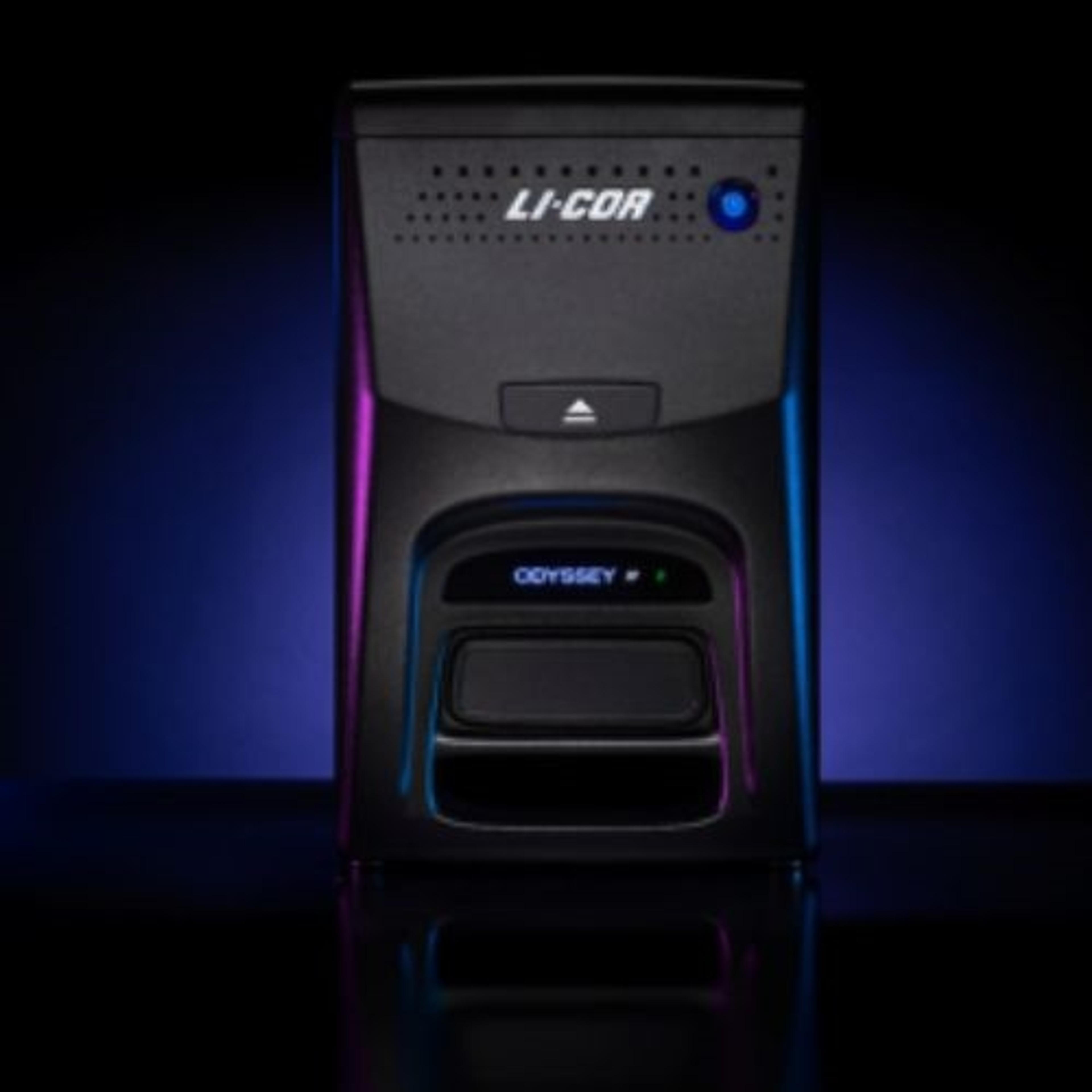
Odyssey XF Imaging System
LICORbioThe Odyssey XF is the perfect entry point for labs transitioning from qualitative chemiluminescent Western blotting to more robust quantitative data analysis. Drawing from more than 30 years of imaging expertise, the Odyssey XF offers unmatched dynamic range with the click of a mouse. In addition to two NIR lasers, it has LED and CCD capabilities, providing multi-functional versatility for greater value.
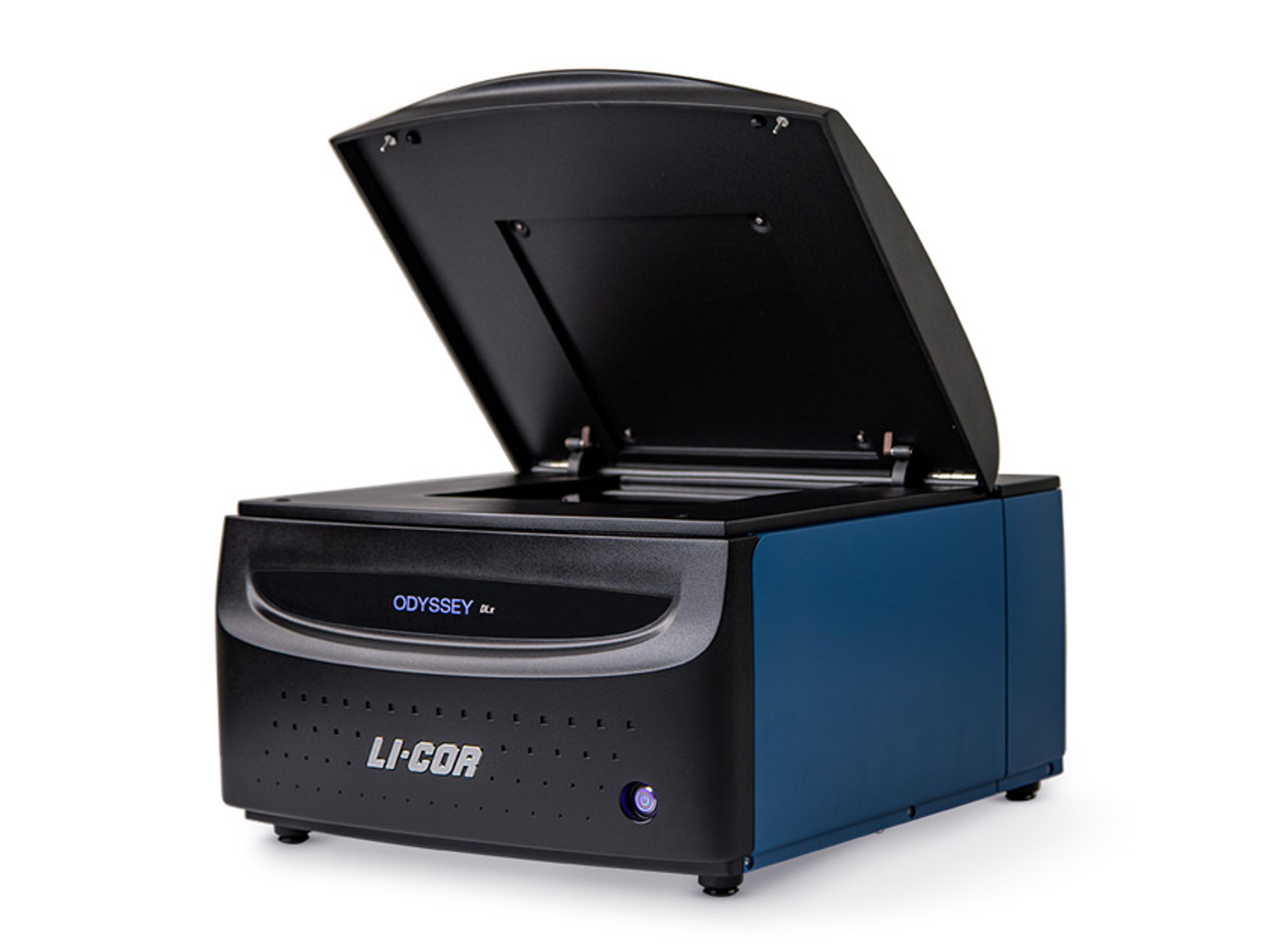
Odyssey DLx Infrared Imaging System
LICORbioThe Odyssey DLx Imaging System delivers accurate, reproducible, and quantitative data with near-infrared fluorescence. It supports Western blots, In-Cell Western™ Assays and other plate-based assays, cell-based assays, EMSAs, DNA and protein gels, protein arrays, and tissue section imaging. Discover more with the groundbreaking Odyssey technology cited in over 120,000 peer-reviewed publications.
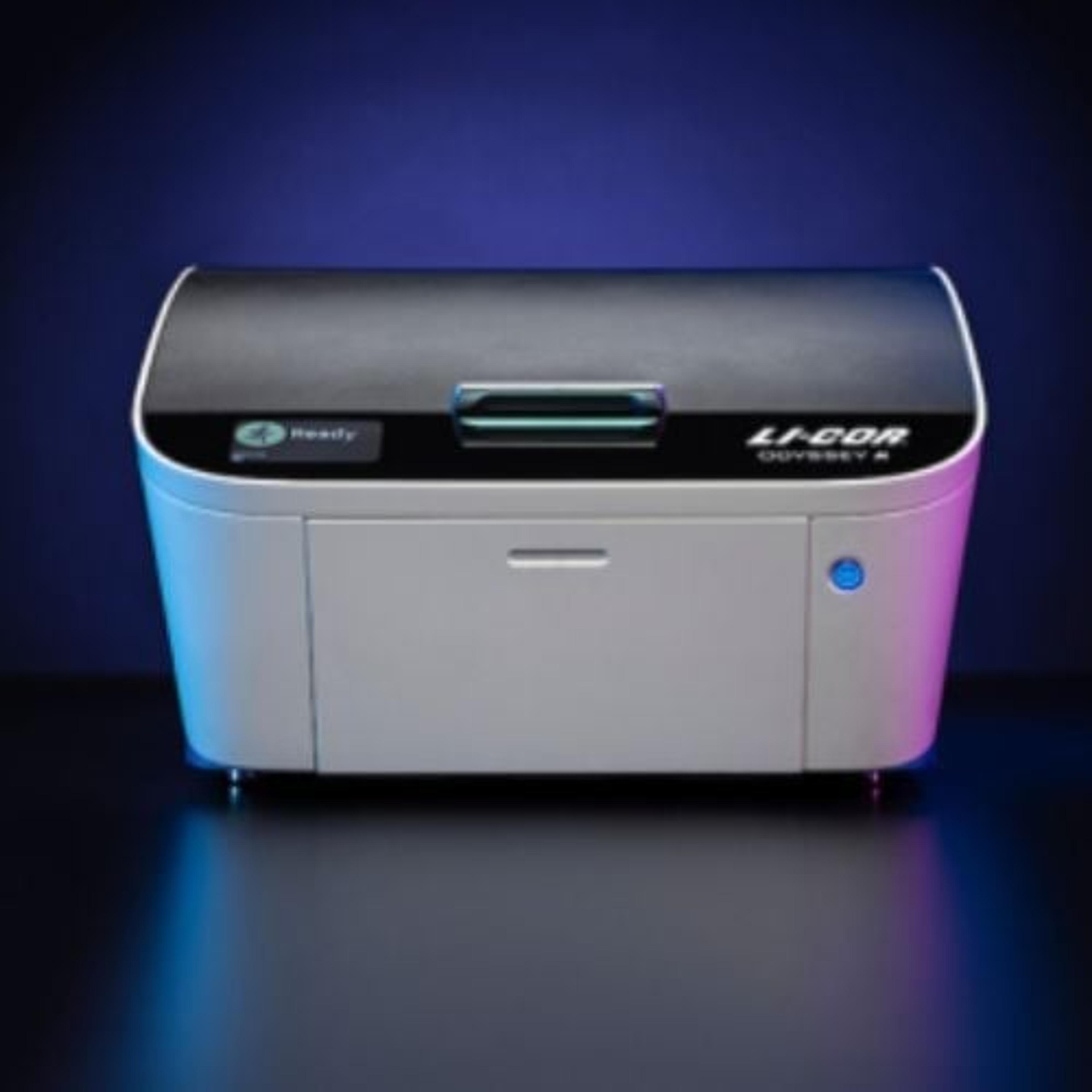
Odyssey M Imaging System
LICORbioThe Odyssey M is the most versatile and sophisticated biomolecular imager on the market. With 19 available channels, industry-leading 5 µm resolution, >6 logs of dynamic range, and an onboard luminescence module, the Odyssey M gives researchers a multimodal imaging solution with unparalleled capabilities and performance. Discover more with the groundbreaking Odyssey technology cited in over 40,000 peer-reviewed publications.