
Monitoring FOXP3+ Tregs Cells Sensitivity To Low Doses of IL-2 using p-STAT-5 detection in Ex-Vivo Whole Blood Samples
Monitoring FOXP3+ Tregs Cells Sensitivity To Low Doses of IL-2 using p-STAT-5 detection in Ex-Vivo Whole Blood Samples
14 Jul 2015The detection of phospho-epitopes by flow cytometry is a long and inefficient process, required multiple washing steps and dedicated buffers and protocols which can be harmful to certain epitopes, like the FOXP3 marker. Interleukin-2 (IL-2) is a key player in the immune system, affecting lymphocytes and the regulatory system. This poster demonstrates a fast and reliable method for gentle sample preparation allowing monitoring of regulatory T cell (Treg) sensitivity to IL-2.
Related products
Request Quote for All Products
Kaluza Analysis Software
Beckman Coulter DiagnosticsKaluza is a revolutionary flow cytometry analysis software solution designed for high content data. Kaluza provides visualization tools, speed and an innovative simplicity to the flow community. With features designed to make your life easier in the lab, Kaluza aims to provide a greater understanding of the data generated by modern cytometers. Kaluza employs technology that allows for real time analysis of high content files allowing you to spend your valuable time on discovery. Features: Layout flexibility Multiple report layouts per sample Analyze directly from report or plot sheet Interactive plots on reports
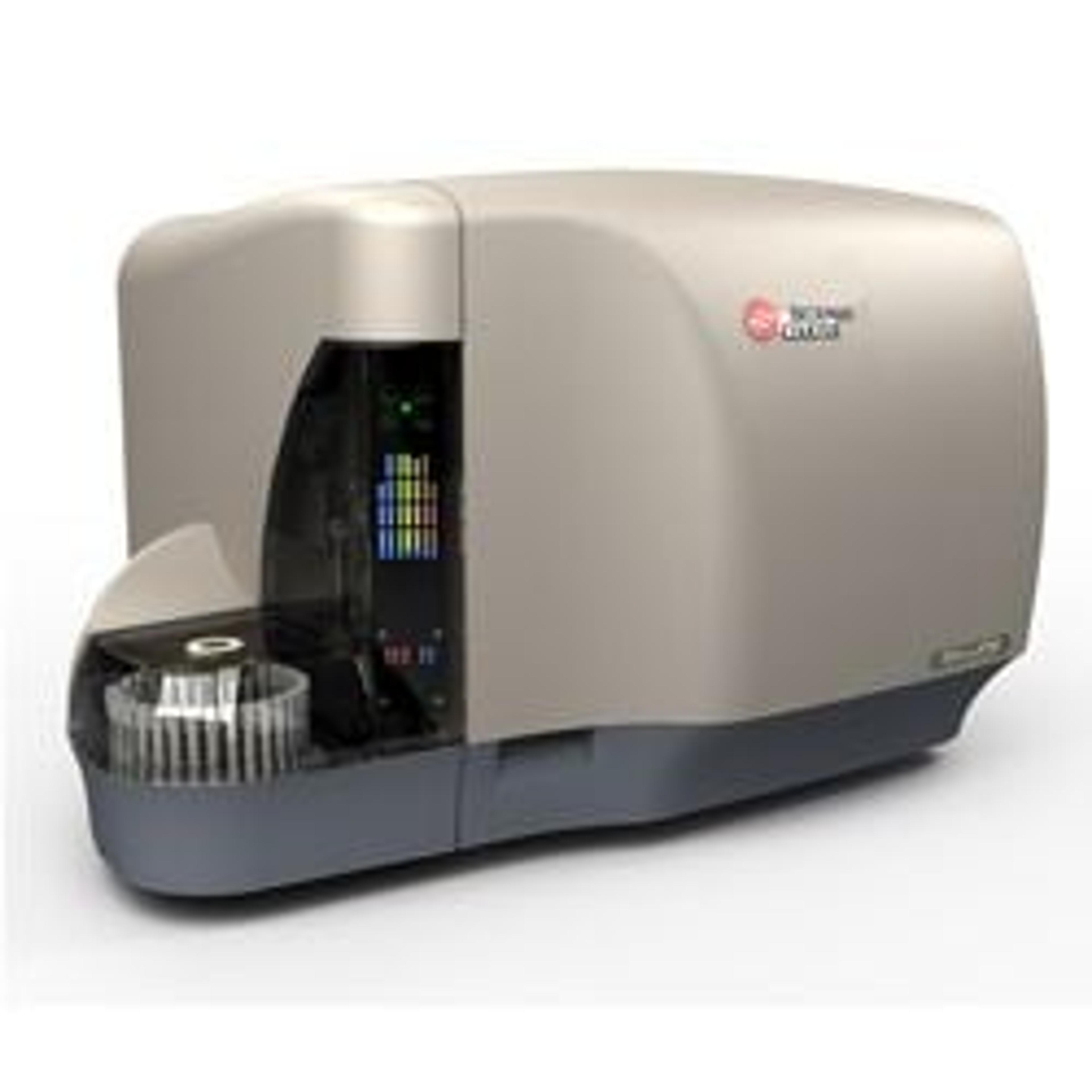
Gallios™ Flow Cytometer
Beckman Coulter DiagnosticsThe Gallios Flow Cytometer is a research system that delivers analytical excellence by coupling extraordinary sensitivity, resolution and dynamic range with high-speed data collection. Designed to fit your needs, today and tomorrow, the Gallios flow cytometer provides efficient acquisition of excellent quality data from up to 10 colors with advanced optical design for enhanced sensitivity for multicolor assays. With customized forward scatter, to achieve the most accurate size measurement, and optimized electronics for high resolution and fast, accurate processing, the Gallios was designed for your research needs.The Gallios offers up to four highly reliable, solid-state lasers in standard red and blue, with violet and yellow lasers available as an option. By incorporating the optional 405nm violet laser and an optional 561nm yellow laser, the Gallios Flow Cytometer offers a greater choice of fluorochromes to perform sophisticated multicolor experiments. With the new 561nm laser system you can analyze multiple fluorescent proteins simultaneously, as well as benefit from a greater ability to detect red fluorescent proteins. Easily interchangable optical filters facilitate detection of a variety of dyes and wavelengths. Gallios™ Flow Cytometer Features: Available in 4 configurations Innovative laser cartridges Plug and play filters allow rapid instrument reconfiguration between experiments Efficient delivery of light Electronics design incorporates fast, accurate measurement of signals over a wide range of event rates
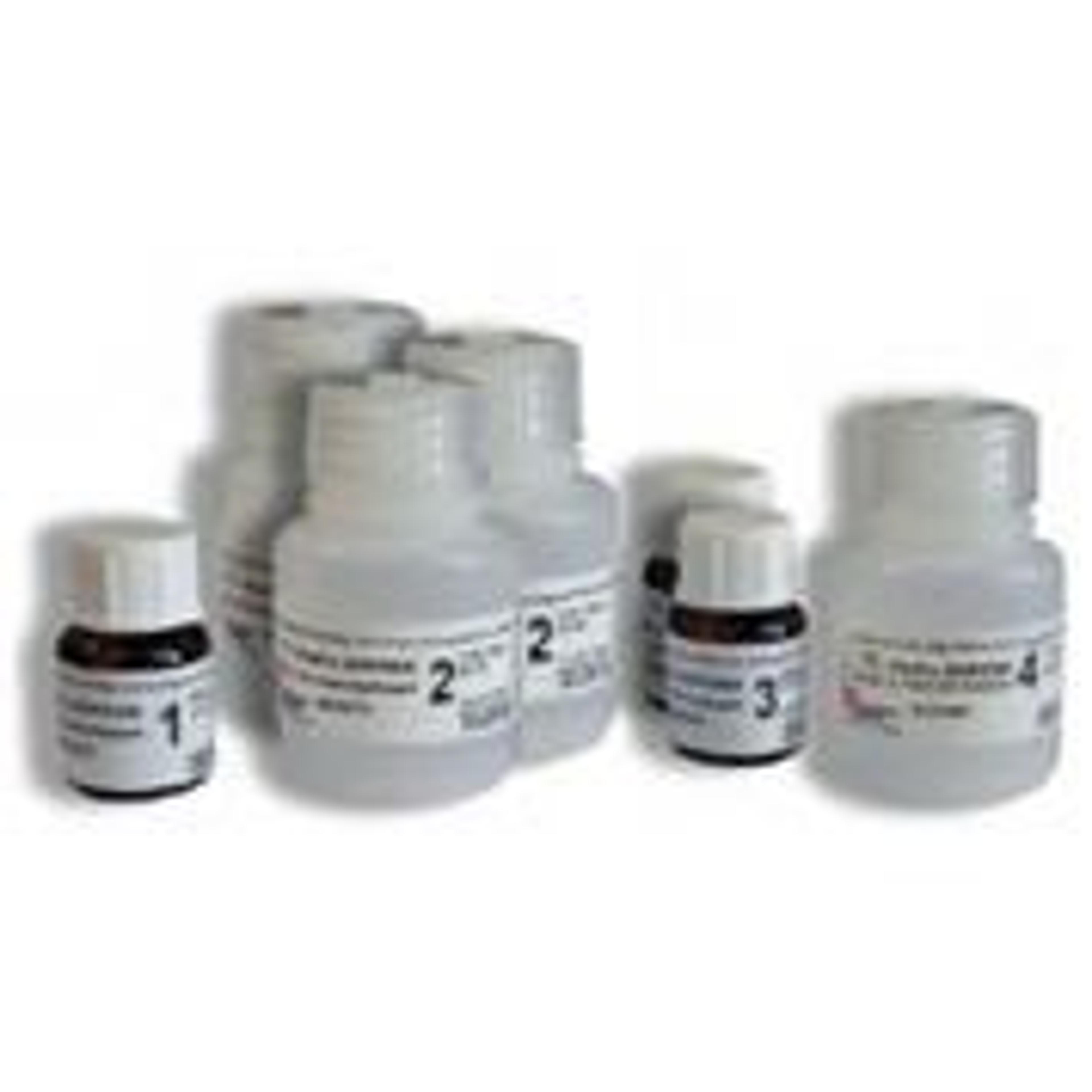
PerFix EXPOSE
Beckman Coulter Life SciencesThe PerFix EXPOSE Kit (Phospho-Epitopes Exposure kit) is a Fast & Easy Procedure for Cell Signaling.