
Mastering multimodal drug discovery
28 Jul 2026
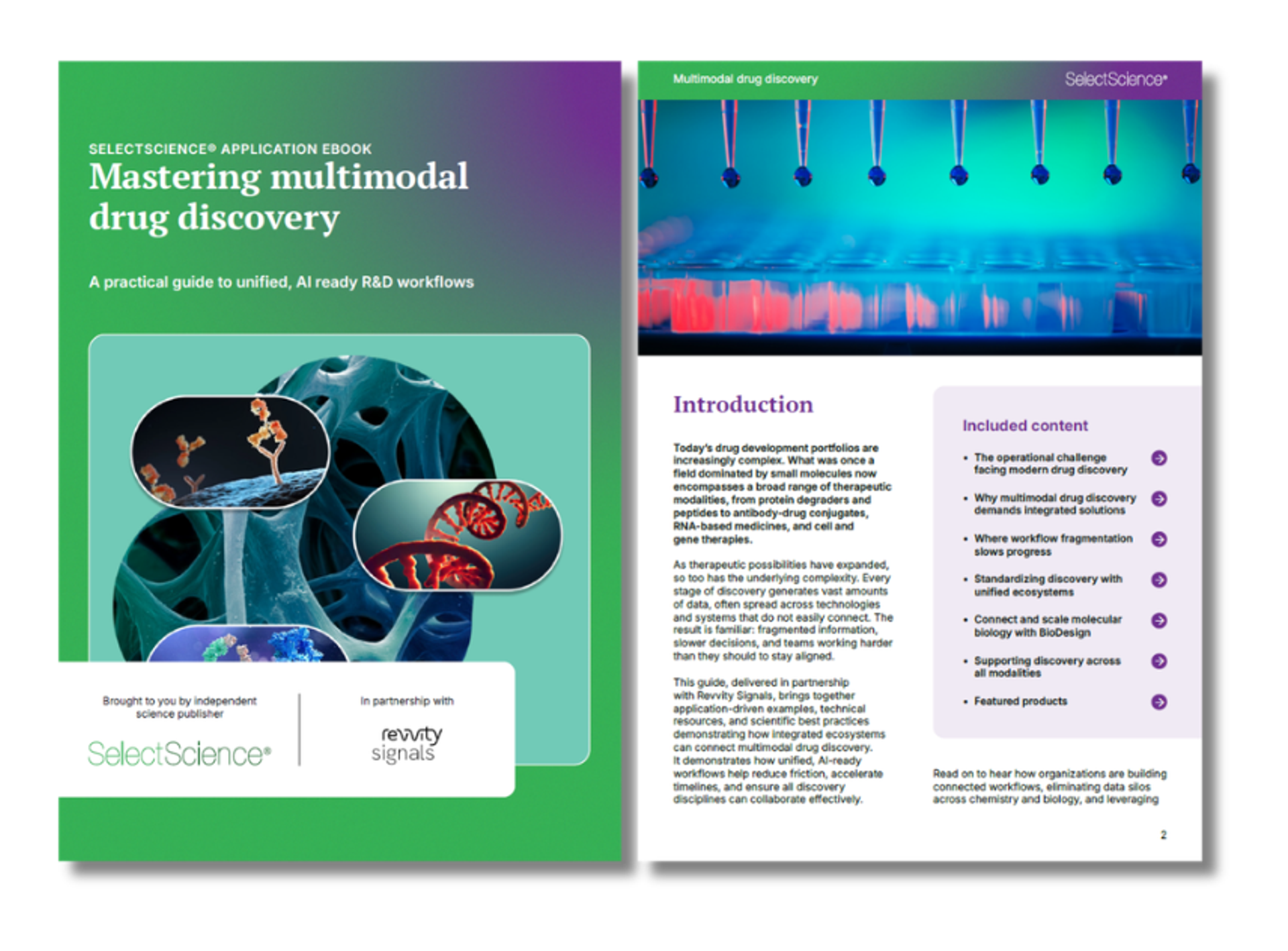
Modern drug discovery is becoming increasingly multimodal. Alongside traditional small molecules, researchers are advancing protein degraders, antibody-drug conjugates, RNA therapeutics, and cell and gene therapies, each generating unique datasets across chemistry, biology, and translational research. While these modalities offer exciting therapeutic opportunities, they also create new challenges around data management, collaboration, and decision-making.
Download ResourceMany organizations continue to rely on disconnected informatics systems that were built to support individual workflows rather than integrated discovery. As data becomes increasingly fragmented across teams and technologies, it can be difficult to connect insights, revisit historical results, and fully leverage emerging AI and machine learning approaches. Building unified, AI-ready research environments is becoming critical for accelerating discovery while maintaining scientific rigor.
This SelectScience guide, developed in partnership with Revvity Signals, explores how connected informatics ecosystems can help streamline multimodal drug discovery workflows. Through expert perspectives, real-world examples, and practical insights, discover how organizations are breaking down data silos, supporting collaboration across disciplines, and enabling more efficient progression through the design-make-test-decide (DMTA) cycle.
Download this SelectScience guide to explore:
- The operational challenges facing modern multimodal drug discovery
- Why emerging therapeutic modalities demand integrated informatics strategies
- How workflow fragmentation slows research and decision-making
- Approaches for standardizing discovery with unified digital ecosystems
- Strategies for connecting molecular biology and therapeutic design workflows
- Supporting protein degraders, antibodies, RNA therapeutics, and other emerging modalities
- How structured, AI-ready data can help accelerate discovery programs
Resource details:
- Document type: SelectScience guide
- Page count: 50
- Read time: 90 mins
- Edition: 1st
Related products
Request Quote for All Products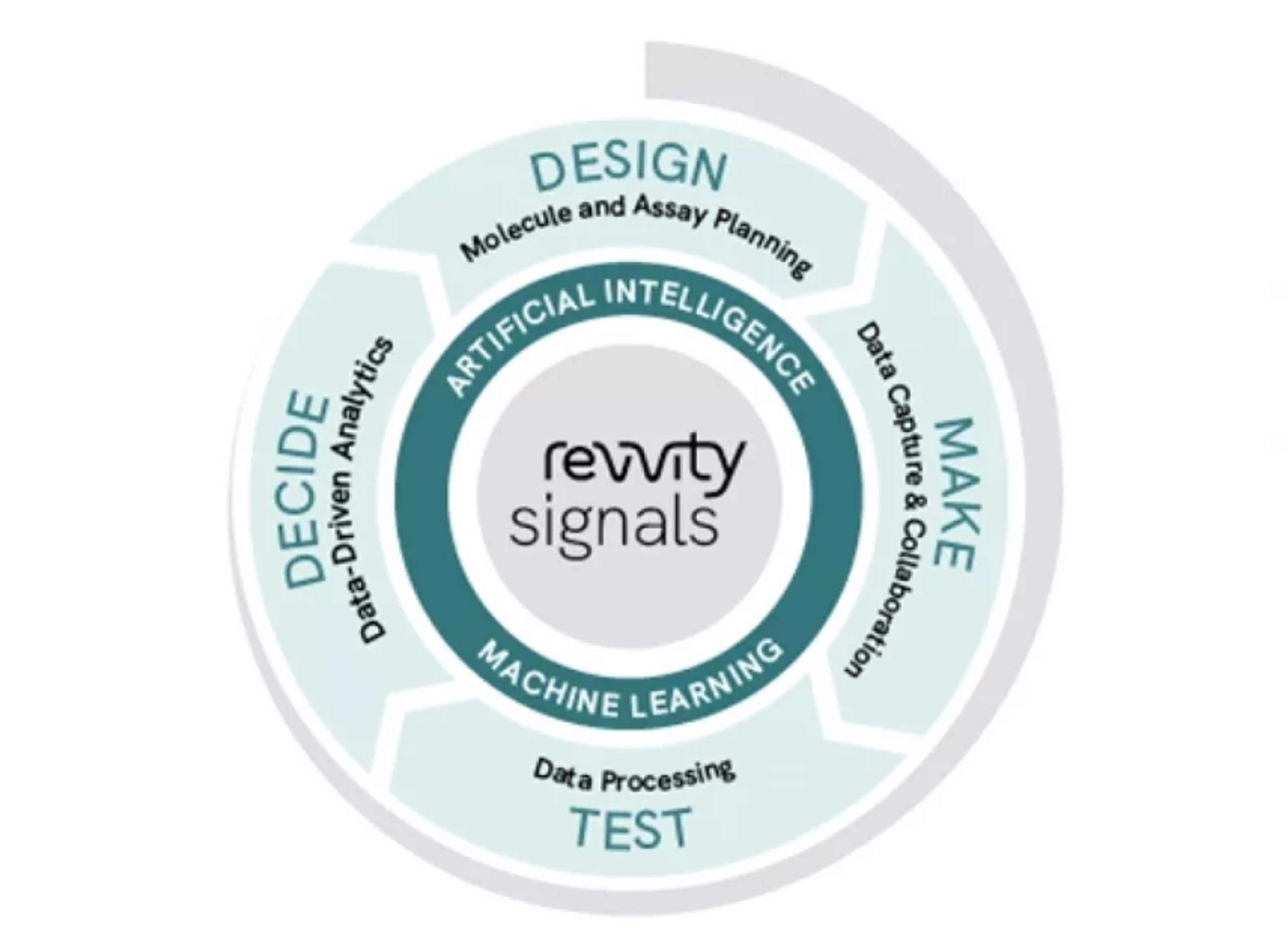
Signals One™
Revvity SignalsMake your innovations a reality with the first unified, cloud-native SaaS R&D solution that streamlines scientific complexity and promotes collaboration.
Signals BioDesign™
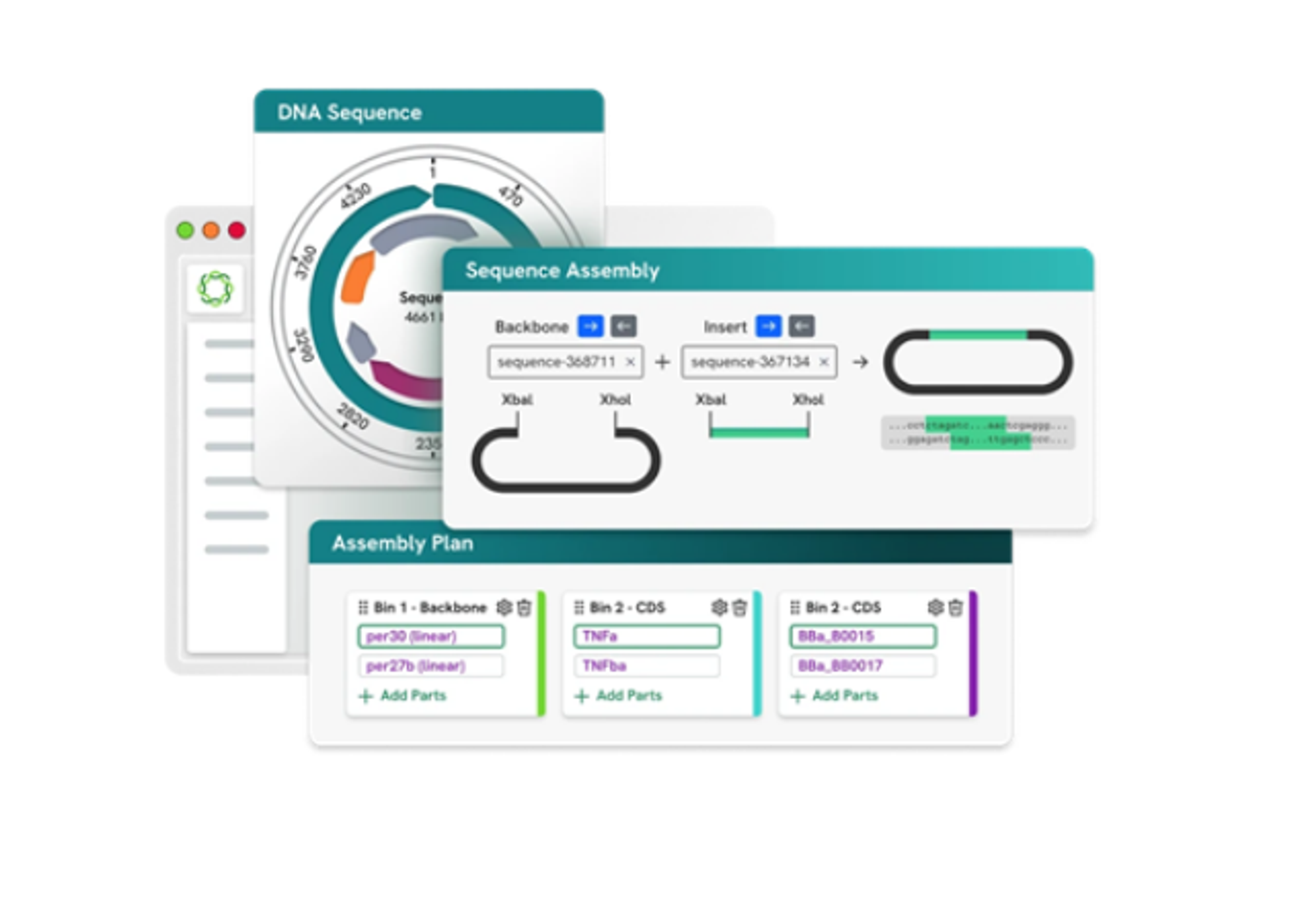
Revvity SignalsRevvity Signals BioDesign is a streamlined, enterprise-ready SaaS molecular biology product that improves large molecule design. Focusing on core cloning features, it avoids unnecessary complexity while supporting high-throughput workflows capable of modelling thousands of plasmids. Designed for any organization - from small and medium biotech to global pharma - Signals BioDesign integrates with other Revvity Signals solutions to enhance collaboration.
Links
Tags
Frequently asked questions
Show frequently asked questions
What is multimodal drug discovery?
Multimodal drug discovery involves developing therapeutics across multiple modalities, including small molecules, antibodies, RNA therapies, protein degraders, and cell and gene therapies. These approaches often require scientists to integrate diverse datasets and expertise across disciplines.
Why is data integration important in drug discovery?
Connecting data from chemistry, biology, screening, and pharmacology helps researchers build a complete view of a program, accelerate decision-making, and reduce inefficiencies caused by disconnected systems.
What are the biggest challenges facing modern drug discovery teams?
Many organizations struggle with fragmented workflows, siloed data, inconsistent data standards, and difficulties sharing insights across teams, technologies, and research sites.
What is the design-make-test-decide (DMTA) cycle?
The design-make-test-decide (DMTA) cycle is a framework used to guide drug discovery. Researchers design candidates, generate and test them experimentally, analyze the results, and use those findings to inform the next round of development.
How is AI being used in drug discovery?
AI is helping scientists analyze complex datasets, identify promising candidates, predict biological activity, and uncover relationships between molecular structure and performance. Success depends on having well-organized, high-quality data.
Why are unified informatics platforms becoming more important in biopharma?
As drug discovery programs become more complex, unified platforms can help connect workflows, improve collaboration between teams, standardize data capture, and support emerging modalities from early research through candidate selection.