ResourceSeparations

Improvement in Fluorescence Sensitivity by Changing the Emission Slit Width of the FP-4020 Fluorescence Detector

Improvement in Fluorescence Sensitivity by Changing the Emission Slit Width of the FP-4020 Fluorescence Detector

30 Aug 2015

Polycyclic aromatic hydrocarbons (PAHs) are comprised of aromatic rings and are produced by the incomplete combustion of hydrocarbon-containing materials such as diesel oil and coal. When using fluorescence detection, the sensitivity of the measurement can be increased by narrowing the detector’s emission slit width; when the excitation wavelength is close to fluorescence wavelength, narrowing the slit width increases the signal-to-noise (S/N) ratio. On the other hand, broadening the slit width can be an effective way to increase the S/N ratio when the excitation wavelength is far from the emission wavelength. In this application note, the fluorescence measurement of PAHs was performed using an HPLC system with an FP-4020 fluorescence detector to compare the effects of adjusting the emission slit width from 20 nm to 40 nm.

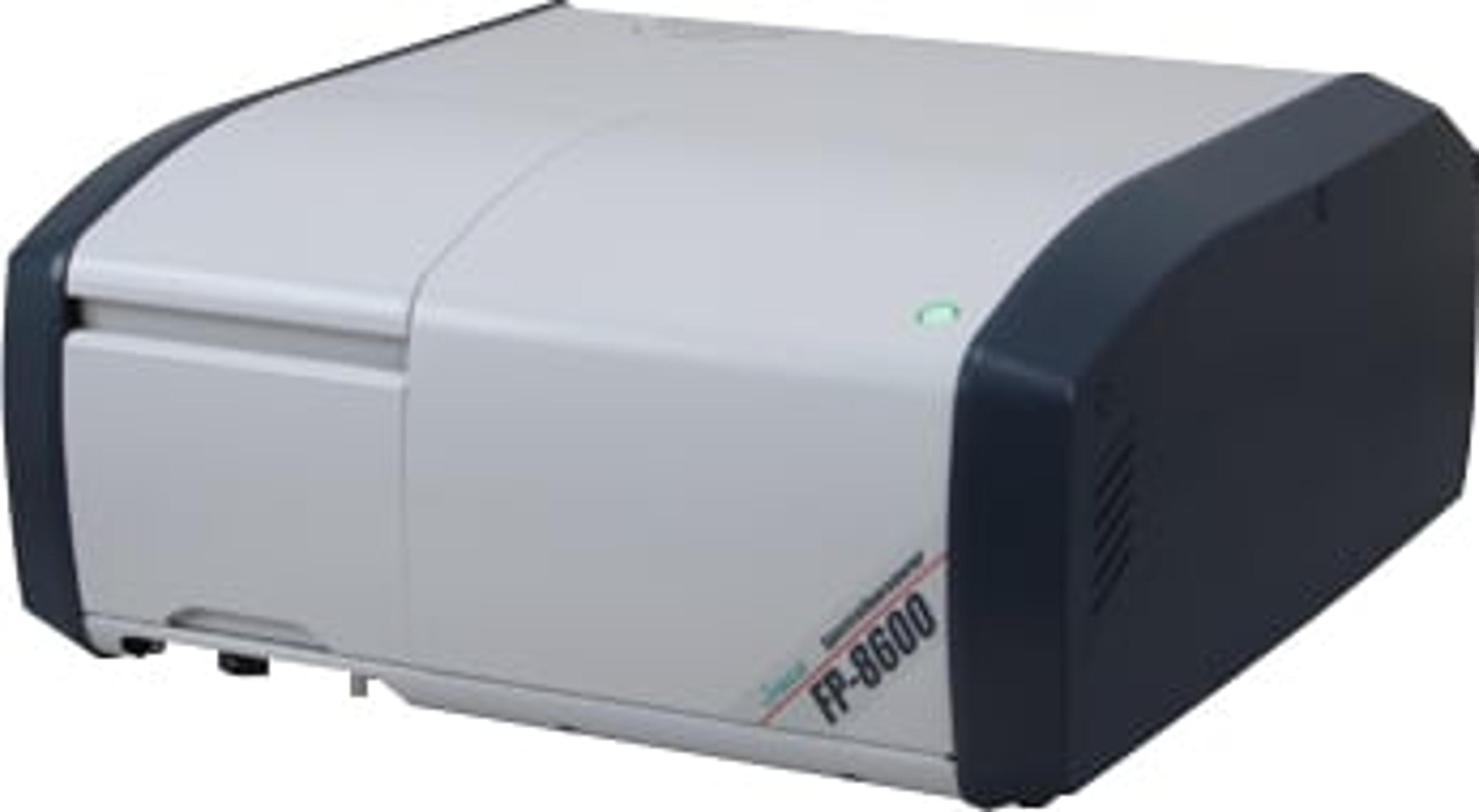
FP-8000 Series Spectrofluorometers

JASCO (USA)

Designed with the latest technology, the JASCO FP-8000 Series spectrofluorometers incorporate the highest sensitivity, fastest spectral scanning capability and excellent analysis-oriented functionality offering integrated solutions for advanced materials research and biochemical analysis applications.To meet the most stringent analysis demands, a variety of accessories are available for integration with a range of sophisticated control and analysis applications available in the user-friendly Spectra Manager™ II software to offer a flexible platform for any luminescence application.

(0)

Links

Tags

UHPLC and HPLCHigh performance liquid chromatography (HPLC) and ultra high performance liquid chromatography (UHPLC), also known as UPLC, are analytical techniques used to separate, identify and quantitate components of complex mixtures including biological samples such as proteins and lipids as well as chemical mixtures of pesticides, drugs and oils. Both techniques are liquid chromatographic methods but differ by operating pressures (HPLC < 6000 psi < UHPLC ). Components of HPLC and UHPLC systems include columns, detectors, pumps, autosamplers and column heaters. Explore a range of UHPLC and HPLC columns for your specific sample needs including reverse phase, normal phase, ion exchange, HILIC, ion exclusion and size exclusion columns. For more specialized HPLC, explore FPLC, countercurrent LC and simulated moving bed systems. Find the best UHPLC and HPLC equipment in our peer reviewed product directory: compare products, check customer reviews and receive pricing direct from manufacturers.Fluorescence SpectroscopyFluorometers and spectrofluorometers (also called fluorescence spectrometers) are used to measure the intensity and wavelength of fluorescent light emitted from a sample after excitation by illumination. Spectrofluorometers utilize monochromators to select the desired wavelengths, whereas filter fluorometers employ a set of filters. Spectrofluorometers for measuring steady-state fluorescence and lifetime fluorescence (or time-resolved fluorescence) are available, as well as fluorescence microscopes and microplate readers. Find the best fluorescence spectroscopy products in our peer-reviewed product directory: compare products, check customer reviews and receive pricing direct from manufacturers.Environmental Monitoring and TestingEnvironmental monitoring and testing uses handheld portable analyzers, kits, spectrometers or chromatography systems for air, water, soil, food and other sample testing. Useful features of analyzers such as BOD and COD include portability, easy calibration, automation and sensitivity.  Environmental test kits for pH, water, moisture, etc, should be accurate, sensitive, reliable, fast and easy to use.Non-Destructive TechniquesNon-destructive techniques (NDT) describes a variety of analytical techniques used to evaluate the properties of a material. Common methods include ultrasonic, magnetic-particle, liquid penetrant, radiographic, remote visual inspection (RVI), and eddy-current testing. NDT is regularly used in forensic engineering, civil engineering, mechanical engineering, electrical engineering, systems engineering, aeronautical engineering, and medicine.FluorescenceThe emission of fluorescence occurs when a photon of energy is supplied to a fluorescent chemical compound by an external source, causing it to become excited. Fluorescence can be detected and measured for different purposes using microplate readers, fluorescence microscopes, fluorescence scanners, and flow cytometers.Method DevelopmentMethod development is the process of creating and optimizing experimental techniques and protocols to achieve reliable, reproducible results. This is essential in various fields, including pharmaceuticals, environmental science, and diagnostics. Browse our peer-reviewed product directory to find the best method development solutions, compare products, check reviews, and get pricing directly from manufacturers.Crude OilThe chemical evaluation of the complex combination of hydrocarbons and organometallic compounds found within crude oil. The results provide data on the chemical characteristics of a sample for petroleum testing laboratories.PAHsPetrochemicalsPetrochemicals are chemical products derived from petroleum or natural gas, essential in creating plastics, fuels, and synthetic materials. Analytical techniques help ensure product quality and environmental compliance. Browse equipment for petrochemical analysis in our product directory.Hydrocarbon