
Hyperviscosity syndrome: causes, symptoms and clinical management
15 Oct 2026This application note explains hyperviscosity syndrome (HVS), a serious medical condition that occurs when blood becomes abnormally viscous and cannot flow freely through blood vessels. Learn about the underlying causes of HVS, including excess red blood cells, white blood cells, and monoclonal proteins associated with conditions such as Waldenström’s macroglobulinemia and multiple myeloma. Explore the role of plasma viscosity (PV) and serum viscosity (SV) testing in diagnosis, common clinical symptoms and treatment approaches including plasmapheresis, supportive care, and management of the underlying disease.
Resource details:
Resource type: Application note
Page count: 1
Read time: 3 mins
Related products
Request Quote for All Products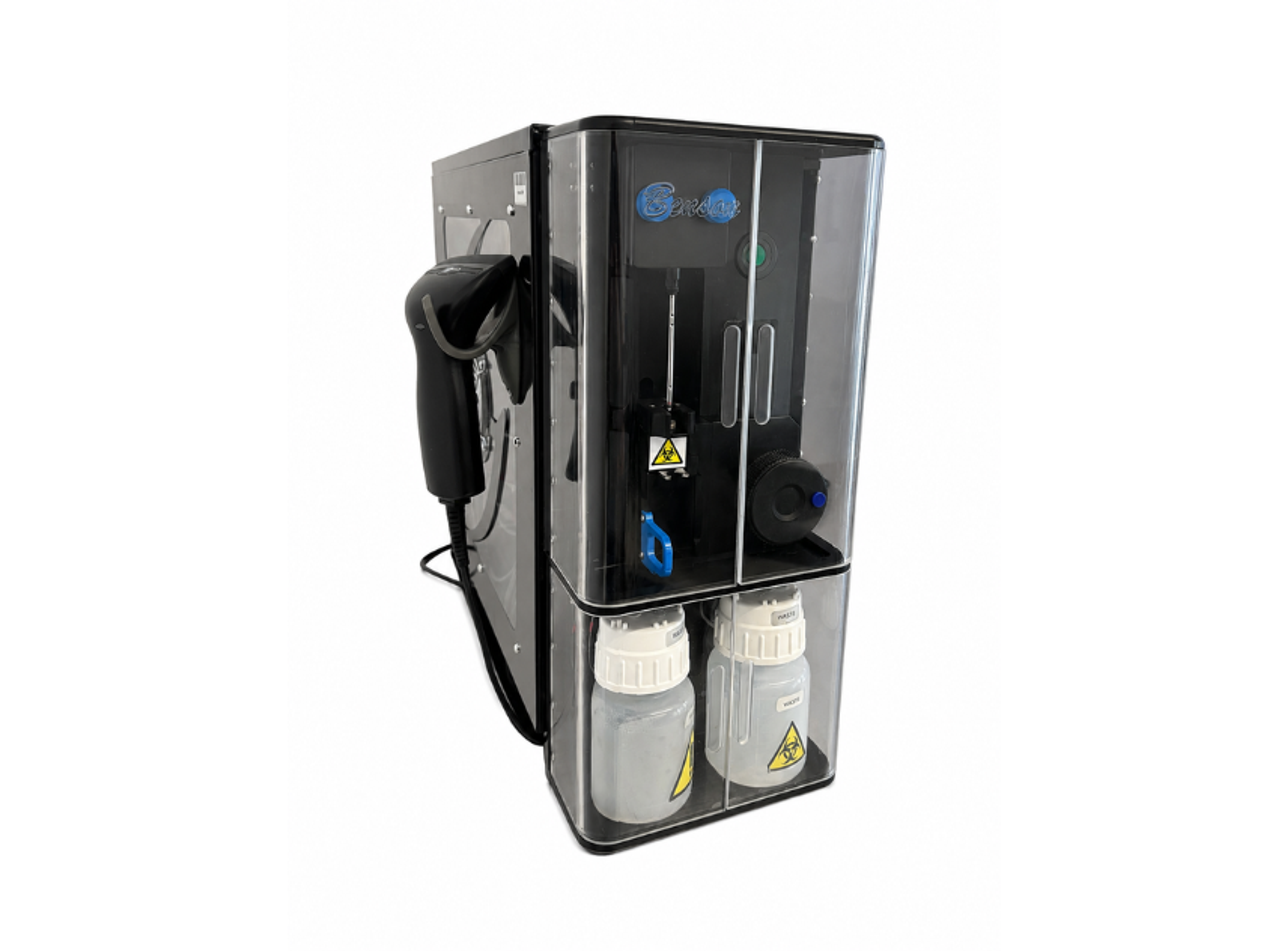
BV1 Semi Automated Clinical Viscometer
Benson Viscometers LtdThe BV1 Semi-Automated Clinical Viscometer is designed for laboratories and research settings requiring reliable viscosity measurements from low to moderate sample volumes. The BV1 provides rapid, immediate results while requiring a small sample volume. Its intuitive, semi-automated operation and interactive user interface support efficient, consistent testing across a range of clinical and research applications.
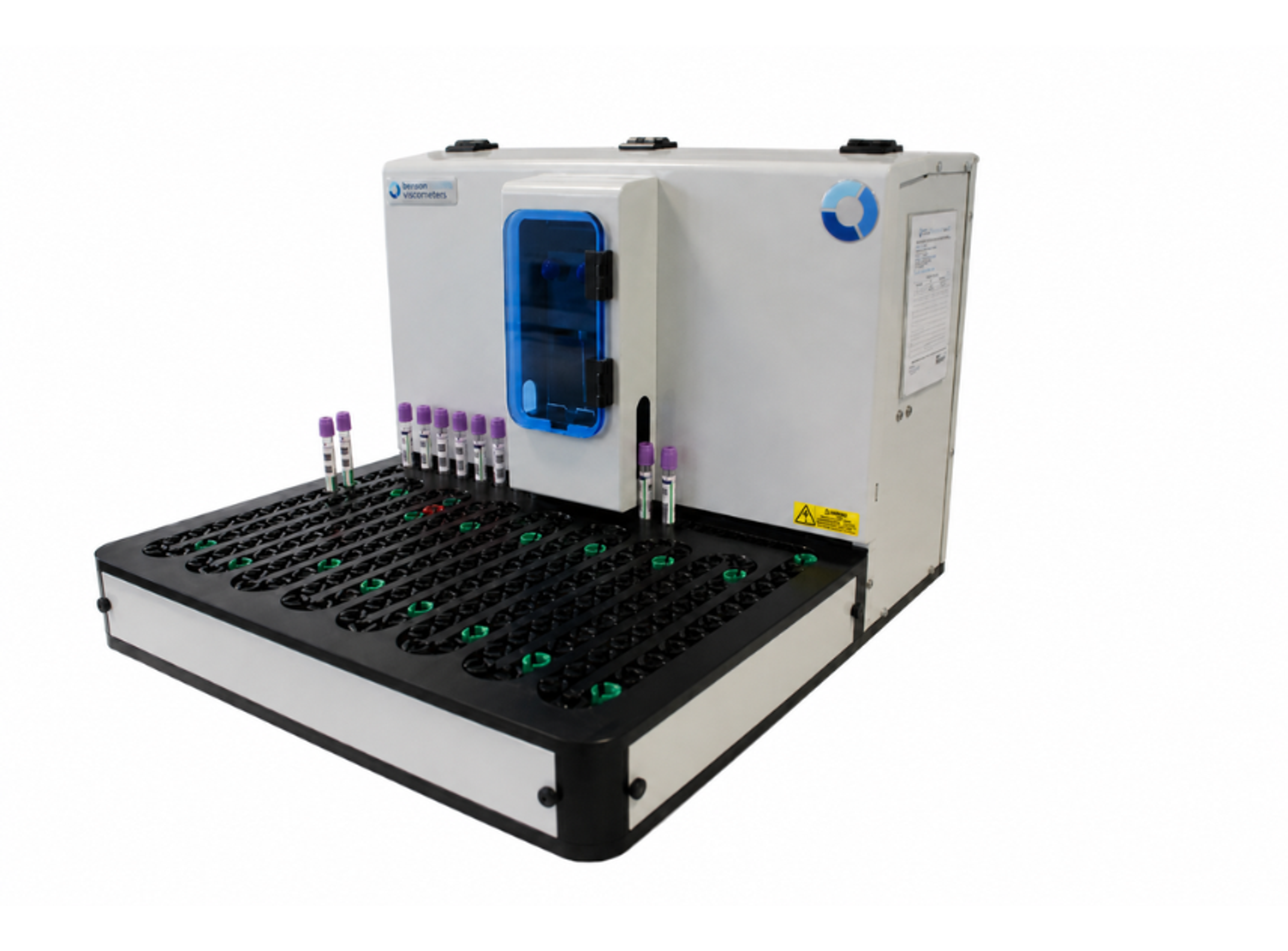
BV200 Automated Clinical Viscometer
Benson Viscometers LtdThe BV200 Automated Clinical Viscometer is designed for laboratories and clinical settings requiring high-throughput, reliable plasma viscosity testing. Capable of processing up to 180 samples per load and delivering results in less than 1 minute, the BV200 enables efficient, automated testing with minimal hands-on time.