
ResourceGeneral Lab
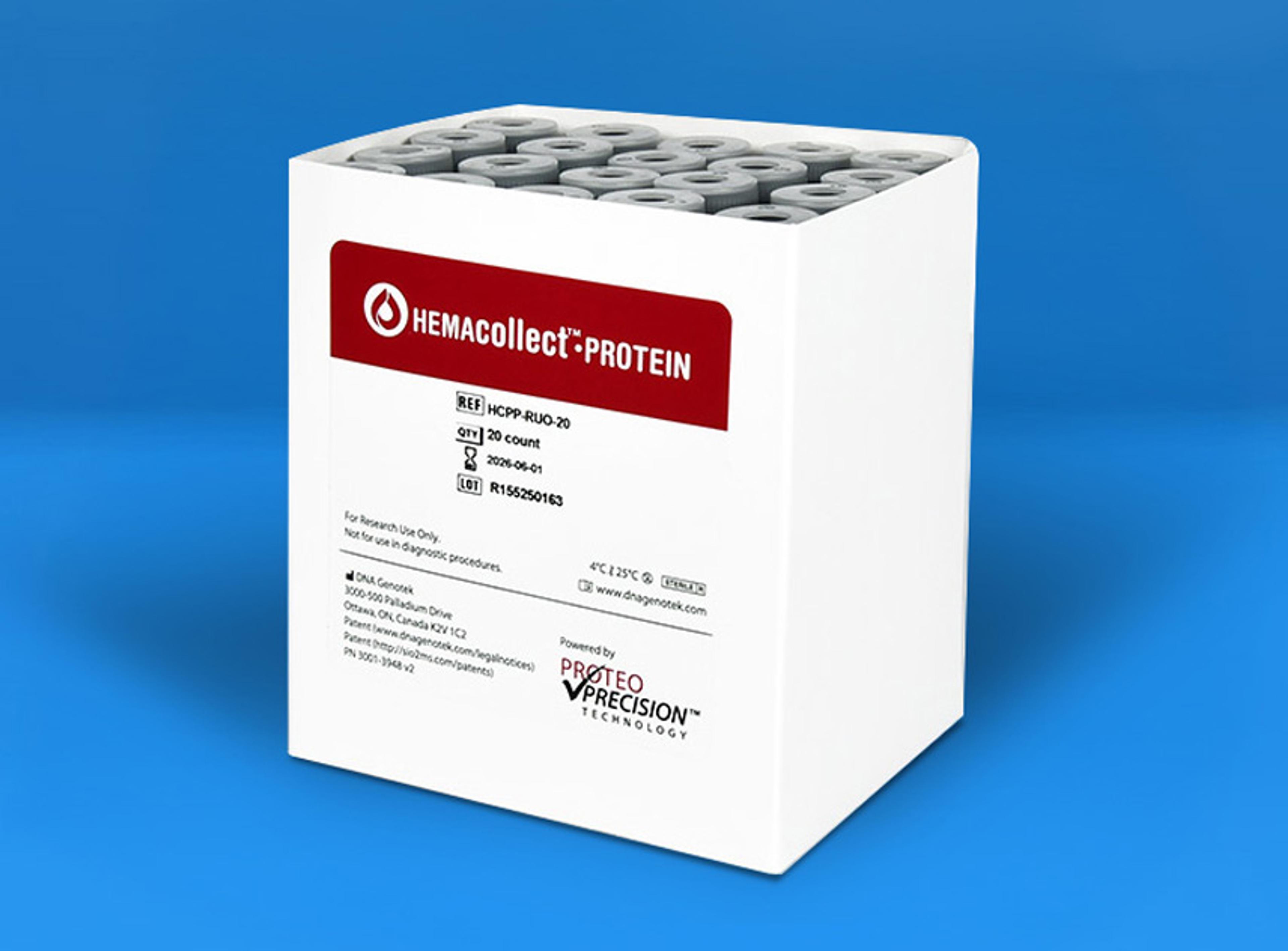
HEMAcollect PROTEIN BCT for the collection and extended preservation of plasma proteins from whole blood
9 Apr 2026This poster showcases the HEMAcollect™ PROTEIN Blood Collection Tube, demonstrating its ability to maintain plasma protein integrity for up to 7 days at room temperature. Using simulated transport conditions, the study shows significantly reduced hemolysis, lower ex vivo platelet activation and minimized blood‑cell protein leakage compared with EDTA tubes. The tube is directly compatible with Olink™, SomaScan™, and nLC‑MS/MS workflows, showing stable protein profiles across multiple analytical platforms. These results highlight the tube’s effectiveness in reducing pre‑analytical variability while enabling more flexible, cost‑efficient proteomics sample handling.
Links
Tags
ELISAEnzyme-linked immunosorbent assays (ELISA), also known as enzyme immunoassays (EIA), are used for the detection and quantification of proteins, peptides and antibodies in a sample. ELISA often comes in kit format, with pre-selected antibody pairs to detect specific proteins or biomarkers of diseases such as diabetes and obesity, or cardiovascular and neurological disorders. Detection is made possible with chemiluminescent, fluorescent or colorimetric substrates and detection instruments such as microplate / ELISA readers. Other kits available include: Enzyme-linked immunospot (ELISPOT) assays for the quantification of protein-producing cells and chemiluminescent immunoassays (CLIA) kits. Find the best ELISA kits and products in our peer-reviewed product directory: compare products, check customer reviews and receive pricing direct from manufacturers.HematologyIn Haematology / Hematology, complete blood cell counts (or full blood counts) are obtained using automated blood count analyzers to enumerate blood cell types. Hematology also encompasses haemostasis and coagulation, thrombophilia and hemophilia, plasma viscosity and ESR analysis, hemoglobinopathies, cell morphology and haematinic measurement.Blood CollectionSample HandlingProper and careful handling of samples is important in scientific studies to ensure the integrity of specimens. This will prevent deterioration and cross contamination, and improve the accuracy of sample tracking procedures.