
Diagnosis and Management of Dengue Infection with the QBC Star Hematology Analyzer
19 Nov 2012Dengue infection can lead to serious or fatal complications without proper diagnosis and management. Key to managing dengue is continual monitoring of changes in components of the patient’s blood through the use of complete blood count (CBC) analysis. This application note demonstrates how the QBC STAR™ offers simple CBC testing directly at the point of care, providing clinicians with critical insight throughout the treatment process.
Related products
Request Quote for All Products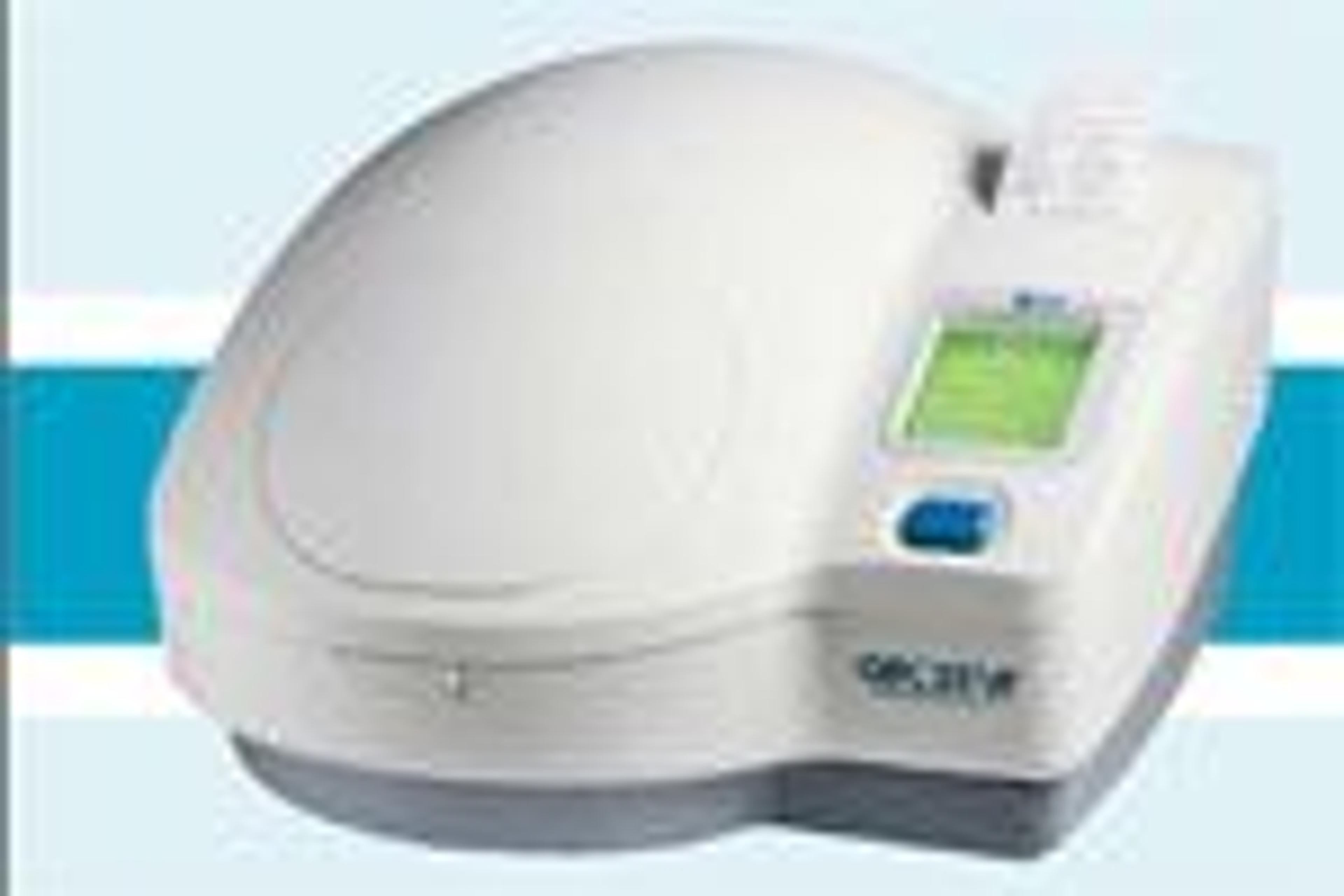
The QBC STAR™ Centrifugal Haematology System
Woodley Equipment Company LtdThe QBC STAR™ Centrifugal Haematology System can be considered the gold standard for performing CBC testing in a variety of settings, including office labs and even remote locations. The QBC STAR employs innovative dry haematology technology, meaning that all of the reagents needed to perform a CBC test with the QBC STAR System are contained in the QBC STAR Tube. After filling the tube with the blood sample, the clinician simply places it in the specially designed QBC STAR System and obtains the test results after the analysis is complete. This unique approach provides multiple benefits for in-office CBC testing: • Eliminating Liquid Reagents – All reagents required for the STAR are contained within a single tube. • Size and Portability – Extremely compact, measuring a small 16" x 16" for the entire self-contained unit. Installation time is less than 30 seconds, meaning the STAR is ready for use wherever and whenever needed. • Easy to Use – Simply insert a STAR Tube into the machine and press the Start button. • 9-Count CBC – Measured from venous or capillary blood samples.Reliability - Based on operational and failure data from clinical trials with both in-house and field instruments, the QBC STAR has been projected to have a three-year Mean Time Between Failure (MTBF) rate.