
Detection and identification of DNA and RNA from multiple bacteria, parasites, and/or virus in approximately 74 minutes
18 Jun 2026Multiplex gastrointestinal (GI) testing plays a critical role in the rapid and accurate identification of pathogens responsible for infectious gastroenteritis. Traditional diagnostic methods can be time-consuming and may lack sensitivity, making it challenging to guide timely and appropriate clinical decisions.
This resource sheet from Cepheid outlines the clinical utility and performance of the Xpert® GI Panel, a targeted multiplex PCR solution designed to deliver actionable results in approximately 74 minutes. Discover how by enabling fast pathogen identification, the panel supports earlier intervention, improved patient management, and more efficient laboratory workflows.
Resource details:
- Resource type: Product reference sheet
- Technology: Multiplex real-time PCR
- Application: Detection of gastrointestinal pathogens
- Pages: 2
- Read time: 2 mins
Related products
Request Quote for All Products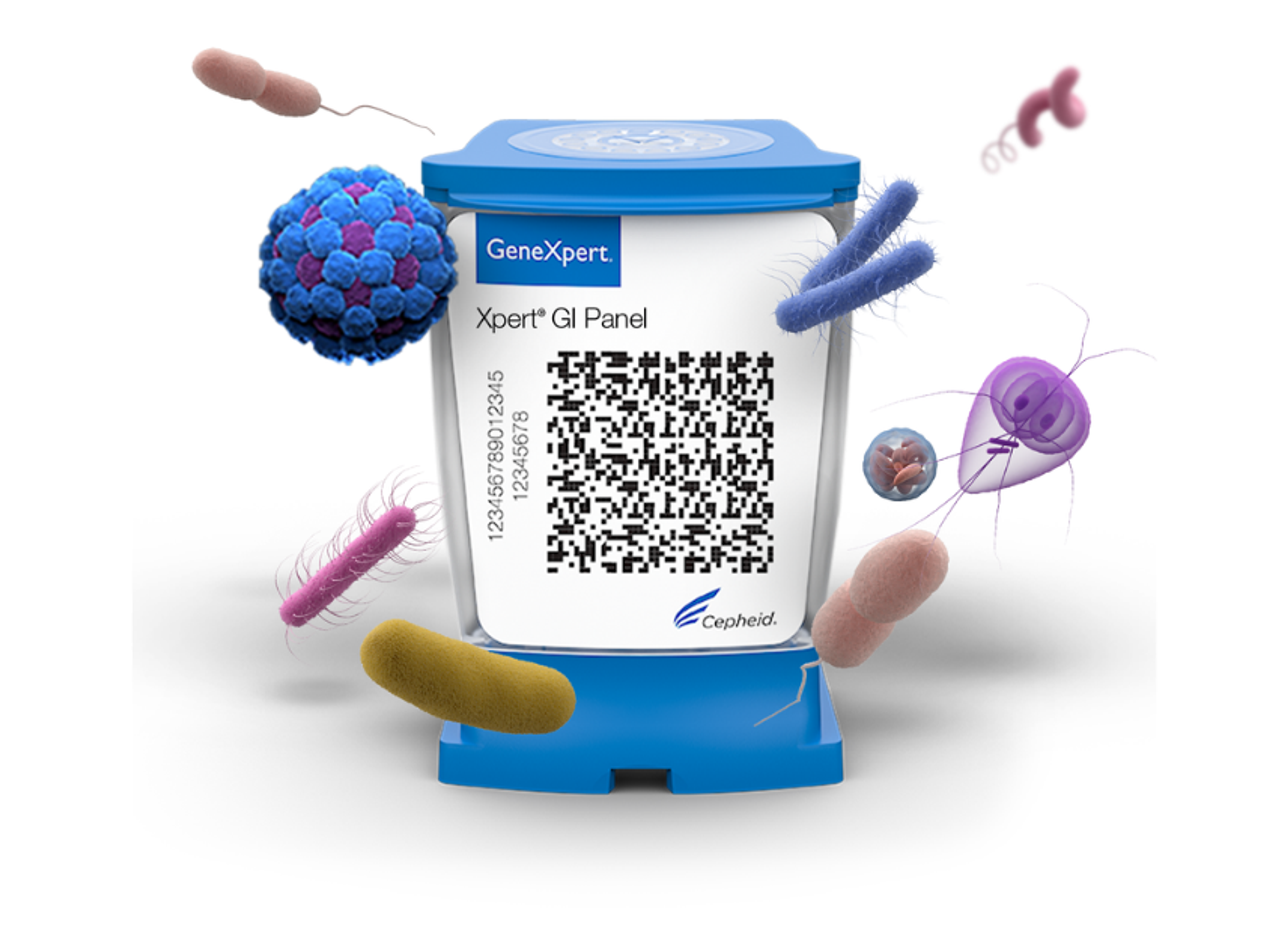
Xpert® GI Panel
CepheidThe Xpert® GI Panel provides fast, accurate detection of multiple bacterial, viral, and parasitic pathogens with results in about 74 minutes. Its streamlined, <1‑minute hands‑on workflow delivers actionable information to support confident clinical decisions across care settings.