
Biomarker Discovery using Surface Plasmon Resonance Imaging
15 Jul 2015Surface Plasmon Resonance (SPR) is an optical technique used to follow molecular interactions (binding) in real time without labeling. It provides information on kinetic processes (association and dissociation rates), binding affinity, analyte concentration and real time molecule detection. This article describes the principle of SPR imaging for high-throughput measurements. An example of a clinical application for the capture and characterization of a potential biomarker of breast cancer is illustrated.
Related products
Request Quote for All Products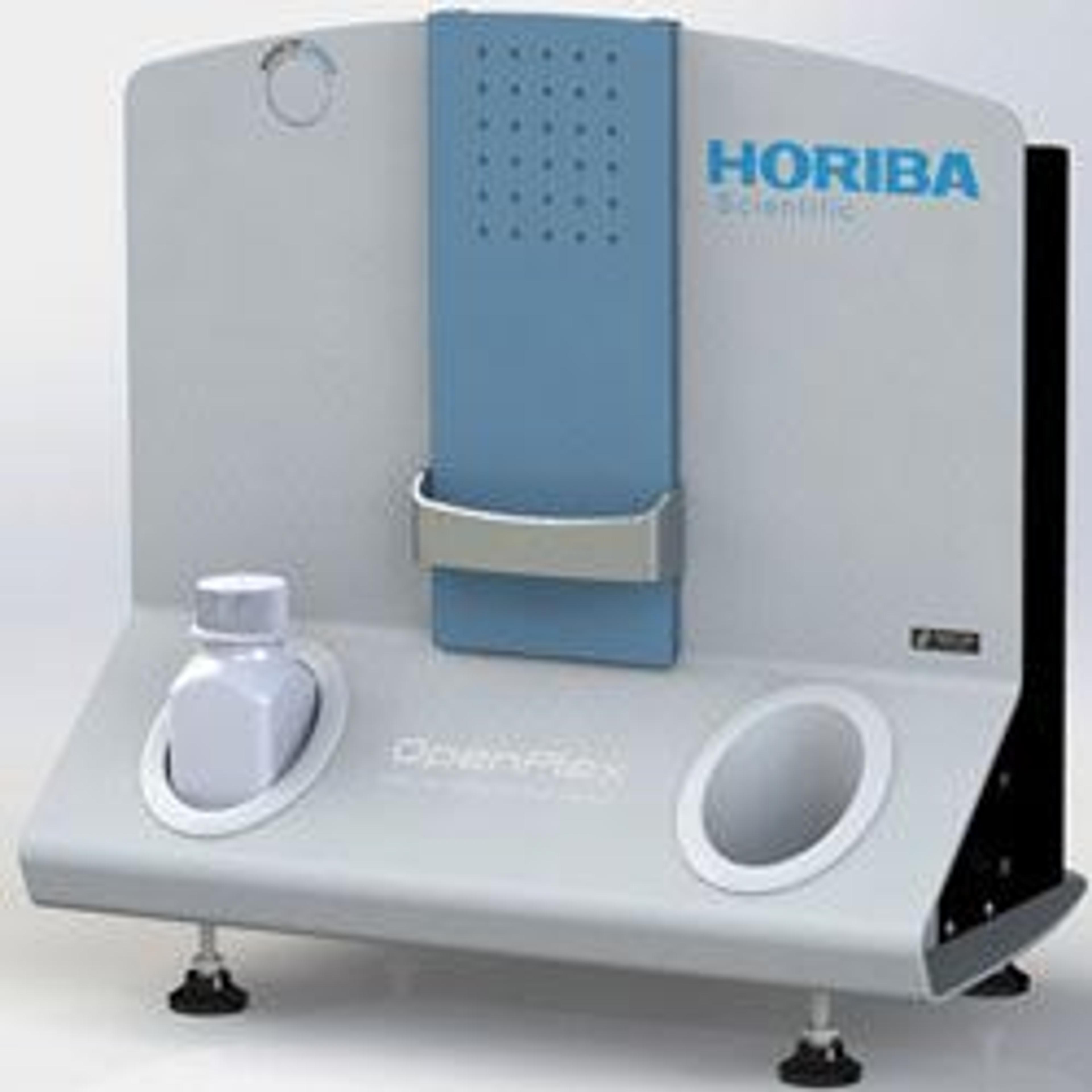
OpenPlex - Flexible Surface Plasmon Resonance Imaging System
HORIBA ScientificDesigned to meet the demands of biologists, biochemists and biophysicists, the OpenPlex is a flexible surface plasmon resonance imaging system. OpenPlex is your companion for the development of label-free and multiplexed bio-assays and molecule detection. It is a robust and compact system designed for simple use and high versatility. Its open format, dedicated sensor chips and manual operation enable numerous types of experiments to be explored without compromise, covering chemistry, biochemistry, physico-chemistry and biomolecular interactions. Open your research areas with OpenPlex! Choose between three different flow cell configurations without concession: • Normal flow cell for standard surface plasmon resonance imaging experiments • Window flow cell, compatible with fluorescence measurements • Cuvette cell, compatible with electrochemistry measurements