
Automated Monoclonal Antibody Modification with Waters UNIFI Scientific Information System
23 Apr 2019In this application note, Waters demonstrates how the UNIFI Scientific Information System can be used to tackle the challenge of data processing in monoclonal antibody (mAb) modification analysis, using the NIST mAb reference material as a relevant test case. When used in conjunction with the Vion IMS QTof mass spectrometer, the UNIFI system promises to control data acquisition, data processing and reporting, providing an end-to-end platform for probing a variety of mAb modifications with high confidence.
Related products
Request Quote for All Products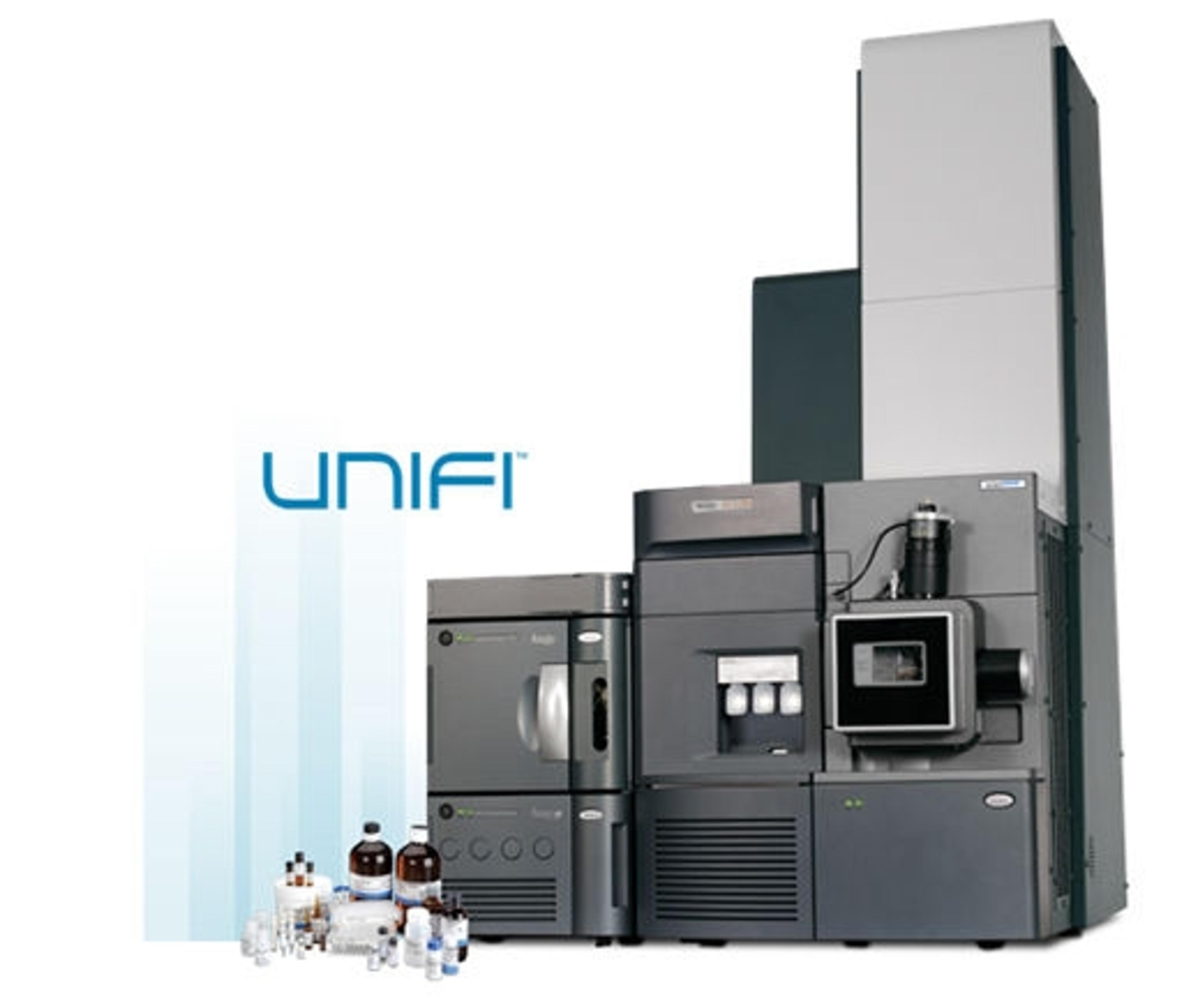
UNIFI Scientific Information System
WatersWaters UNIFI Scientific Information System is the first software platform to merge LC and high performance MS data (both quadrupole and time-of-flight) into a single solution that encompasses data acquisition, processing, visualization, reporting, and configurable compliance tools within a networked laboratory environment.
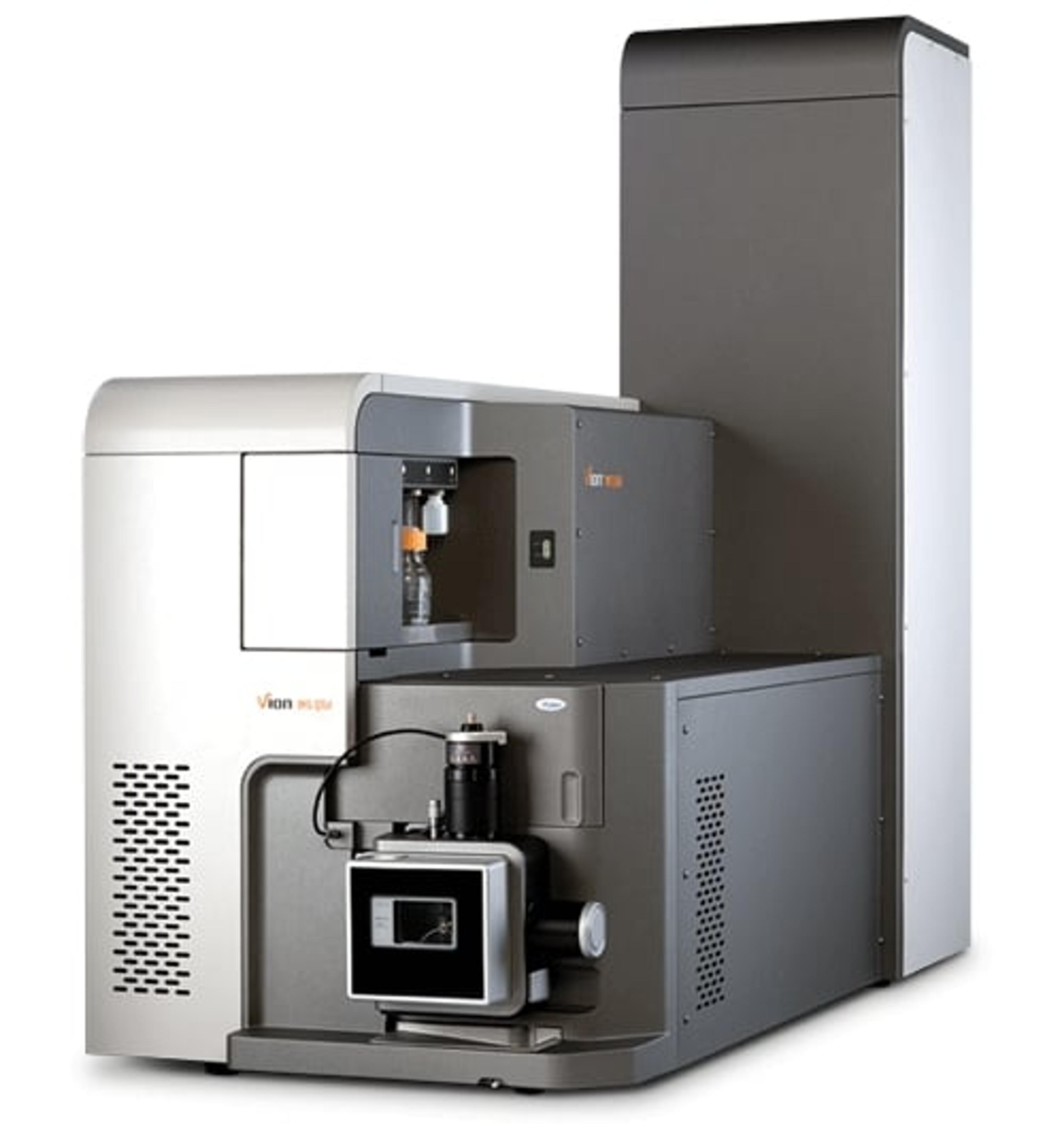
Vion IMS QTof
WatersVion IMS QTof is a high resolution QTof mass spectrometer that delivers the selectivity of ion mobility to every scientist, for every analysis. Does high resolution, accurate mass data always lead to the correct answer first time? Avoid additional confirmatory experiments by utilizing the selectivity of ion mobility. Featuring new geometry and including XS Ion Optics and the QuanTof2 detection system, the Vion IMS QTof has the sensitivity and dynamic range to make ion mobility quantitative and routinely usable, enabling: Easier data interpretation as ion mobility cleans up and simplifies every spectrum Confident identification and quantification of analytes Faster method development and higher sample throughput Greater selectivity than conventional MS/MS with HDMSE With Vion IMS QTof you can use the selectivity of ion mobility to quickly refine spectra and discount chromatographically co-eluting compounds and background interferences. Enabling you to characterize your compounds with confidence. The ability to gather and process CCS data for every ion gives you more confidence in your data than ever before. Vion IMS QTof is driven by UNIFI scientific information system to deliver the most comprehensive analytical workflow, enabling you to target, identify, and review results in a single software platform. Make more informed decisions, faster. CCS provides chromatographic retention time independent data points, enabling confident identification of your analytes and reducing the risk of false positives and false negatives. Even during initial sample analysis, without any retention time knowledge, you can use theoretical exact mass and CCS library values to identify unknown and unexpected components. Applications: Screening - Meeting legislative and regulatory demands requires the utmost confidence in your data. UNIFI informatics workflows integrate the value of CCS, reducing false positives and false negatives driving laboratory efficiency. Pharma - The combination of UNIFI and Vion IMS QTof brings ion mobility to your drug discovery experiments while maintaing ease and efficiency you need for your routine Met ID processes. Omics - A recurring challenge for omics studies is the identification and structural elucidation of metabolites, lipids, and peptides of interest. Incorporating Vion IMS QTof into your workflow gives you not only CSS data from every component, but also increase analytical space and resolution.
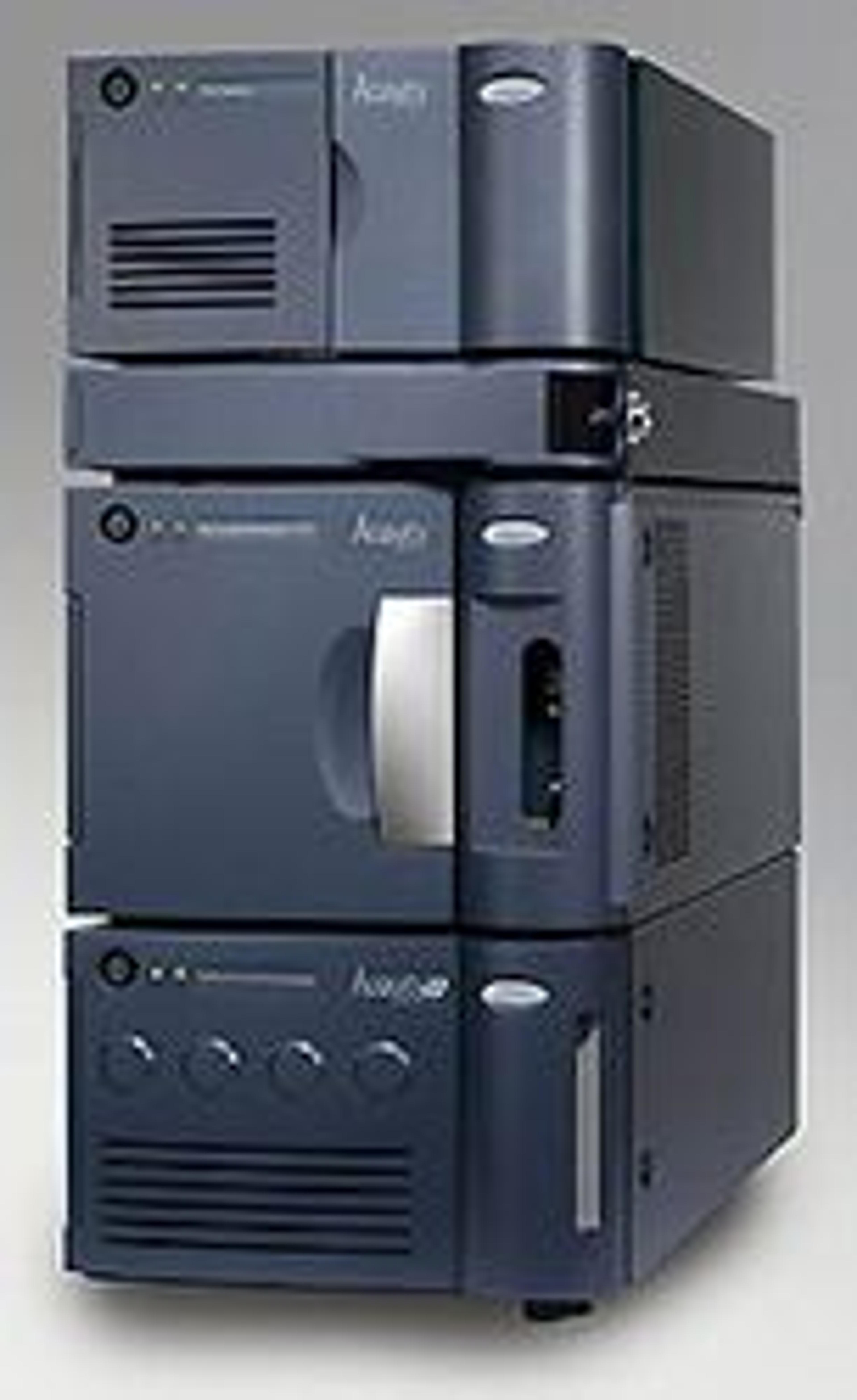
ACQUITY UPLC H-Class PLUS Bio System
WatersThe ACQUITY UPLC H-Class PLUS Bio System delivers the benefits of UPLC's resolution, sensitivity, and throughput in a system purpose-built for the analysis of proteins, peptides, nucleic acids, and glycans.