
Analysis of Sulfur and Chlorine in Oil Using EDXRF
14 May 2013Monitoring the sulfur and chlorine content is important in various oils and oil products. In crude oils, chlorine may be present through natural processes or possible adulteration. Left unmeasured, chlorine may bias the sulfur measurement during crude oil blending or cause damage in the refining process. In this application note the analysis of sulfur and chlorine in oil is demonstrated. The results show that the NEX QC offers an effective, simple and fast means of analysis for the measurements of crude oil, cutting fluids, used oils and other similar oils.
Related products
Request Quote for All Products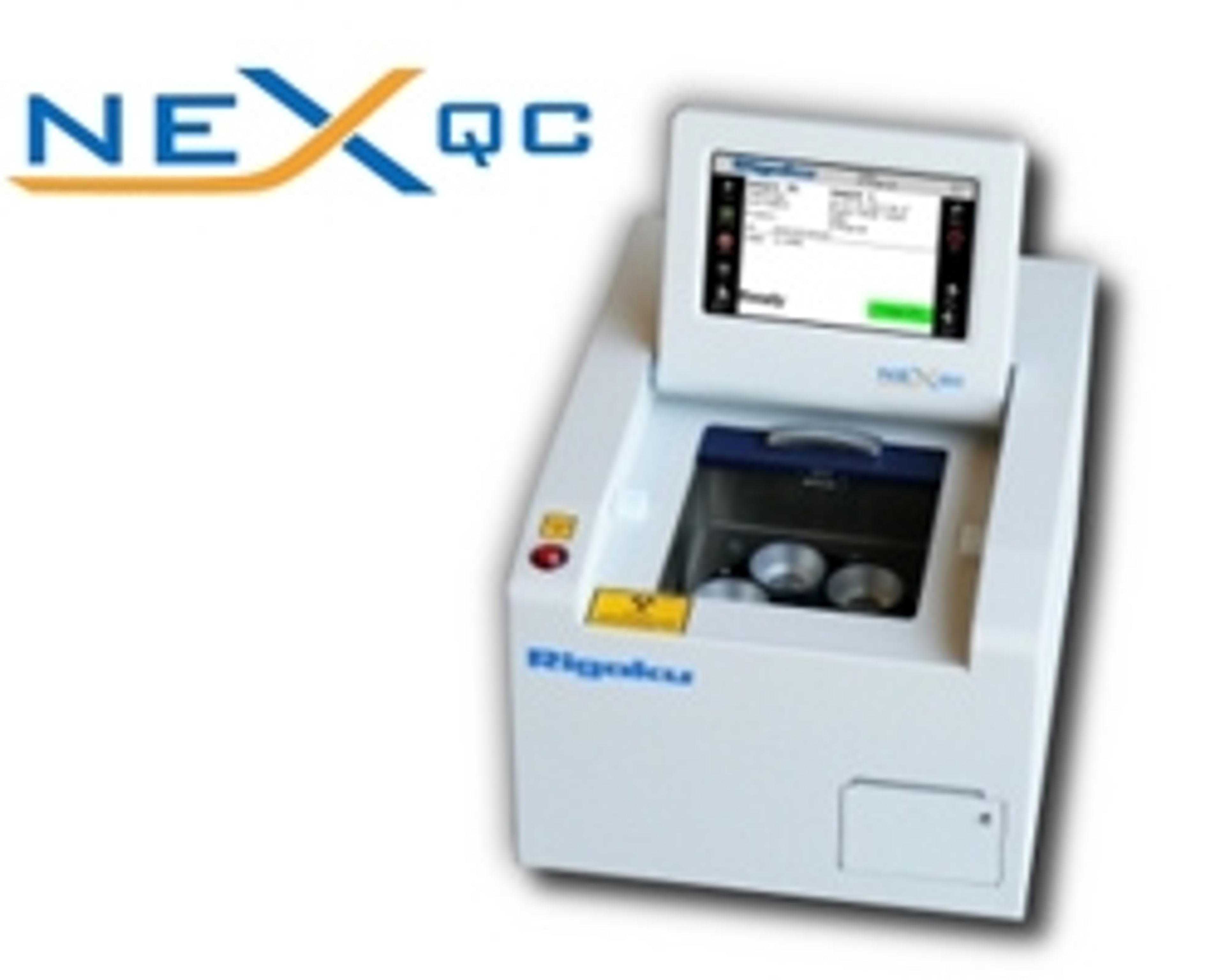
Rigaku NEX QC: Low Cost Elemental Analyzer
Rigaku CorporationAs a premium low cost benchtop Energy Dispersive X-ray Fluorescence (EDXRF) elemental analyzer, the Rigaku NEX QC delivers wide elemental coverage with an easy-to-learn software interface in a robust package designed for industrial at-line quality control applications. Specifically designed for routine quality control elemental analysis applications, the new Rigaku NEX QC features an intuitive "icon-driven" touch screen interface for easy operation and a built-in printer for convenience.The shuttered 50kV X-ray tube and Peltier cooled semiconductor detector deliver exceptional short-term repeatability and long-term reproducibility with excellent element peak resolution. This high voltage capability (50 kV), along with multiple automated X-ray tube filters, provides a wide range of XRF applications versatility and low limits-of-detection (LOD).NEX QC Features: Analyze 11Na to 92U non-destructively Solids, liquids, alloys, powders and thin films 50kV X-ray tube for wide elemental coverage Semiconductor detector for superior data quality Modern smartphone style "icon driven" user interface Multiple automated tube filters for enhanced sensitivity Convenient built in thermal printer Low cost with unmatched performance-to-price ratio Optional fundamental parameters