
ResourceDrug discovery > Basic Research
Advancements in droplet-based microfluidics for high-throughput medical applications
24 May 2023In this application note, Opto introduces the Opto Imaging Module profile M, which is a digital inverted microscope designed for microfluidic experiments in the life science and medical fields. The module enables droplet-based microfluidics, a screening method that creates self-contained reaction vessels in the form of droplets. These droplets allow spatially separated biological or chemical reactions to occur, resulting in faster reaction times, reagent savings, and automation capabilities.
Related products
Request Quote for All Products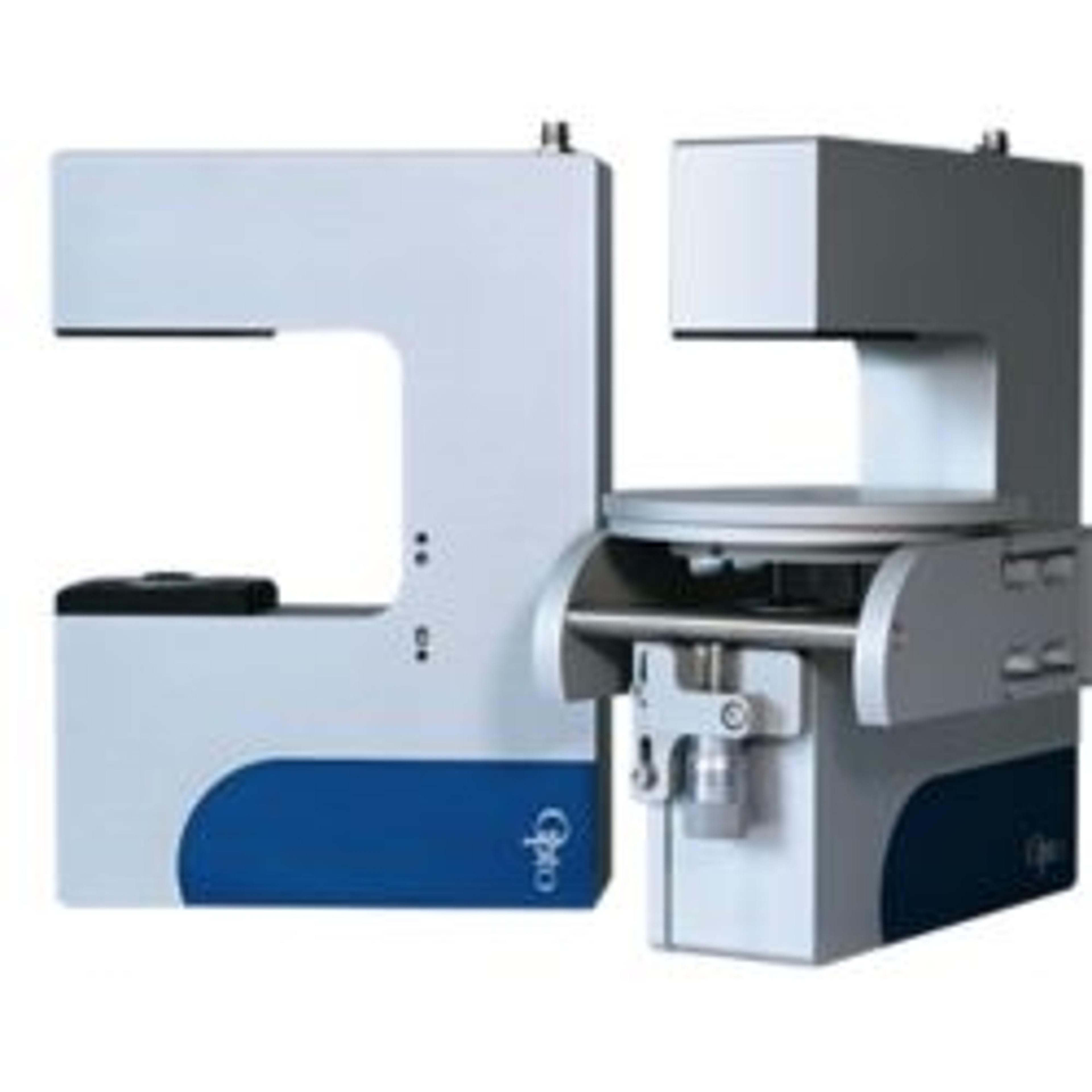
Imaging Module profile M
Opto GmbHOur microscope as a vision sensor. It is ultra compact with a width of only 40mm, has the connections GigE as well as USB 3.1 in the variants 5x, 10x, 20x - in monochrome or colour. It is a high quality inverted machine vision microscope.
Links
Tags
MicroplatesMicroplates are multi-well plates used to increase the throughput of biological investigations. The number of wells microplates contain can range from 6 to 3243 wells, with the 96-well format being the most commonly used. Microplates can come tailored for a range of applications including cell culture, PCR, filtration, storage, non-binding surface, protein crystallization, as well as pre-coated, deep well and normal Standard microplates. Additionally, options for microplate colors include clear , black, white or black with clear bottom and white with clear bottom for absorbance microplate reader applications. Find the best microplates for your lab in our peer-reviewed product directory: compare products, check customer reviews and receive pricing direct from manufacturers.Microarray AnalysisMicroarrays, also known as biochips, are used for the detection and analysis of multiple genes, proteins, antibodies, or biomarkers on a single microchip. This can reveal information on protein or gene expression, single nucleotide polymorphism (SNP), copy number variation (CNV), epigenetics and patient health in clinical diagnostic tests. Discover a range of microarray scanners and prefabricated antibody, protein, RNA and DNA microarrays for your analysis or consider creating your own custom microarrays with a microarray printer. Find the best microarray products in our peer-reviewed product directory: compare products, check customer reviews and receive pricing direct from manufacturers.Light MicroscopyLight microscopes or optical microscopes are used to visualize microscale objects under magnification, including cells, clinical specimens and materials. Lab equipment for light microscopy includes confocal microscopes, fluorescence microscopes, zoom and stereo microscopes. Microscope slides and imaging reagents are available for visualizing samples, as well as various microscope stages and incubators for large or temperature-sensitive samples. Find the best light microscopes in our peer-reviewed product directory: compare products, check customer reviews and receive pricing direct from manufacturers.Reaction MonitoringMicrofluidicsMicrofluidics is the science of manipulating small volumes of fluids in micro-sized channels. It is widely used in diagnostics, drug development, and lab-on-a-chip technologies. Microfluidic devices can enable rapid, cost-effective, and high-throughput analysis of biological samples. Browse our peer-reviewed product directory to find the best microfluidic devices, compare products, check reviews, and get pricing directly from manufacturers.MicroscopyMicroscopy is a technique used to observe small objects in detail, from cells to materials, using light or electron microscopes. It enables researchers to examine structures with high resolution, aiding in fields such as biology, medicine, and materials science. With advanced microscopy techniques, scientists can gain insights into cellular processes, tissue structures, and material properties. Explore the best microscopy solutions in our peer-reviewed product directory, compare products, read customer reviews, and get pricing directly from manufacturers.