ResourceMaterials

A practical guide for understanding and testing hazardous substances in electrical and electronic products

8 Sept 2026

This product brochure provides an overview of global RoHS (Restriction of Hazardous Substances) regulations and practical approaches for testing hazardous substances in electrical and electronic products. It also details restricted materials including heavy metals, brominated flame retardants and phthalates, along with emerging substances of concern under RoHS, REACH (Registration, Evaluation, Authorisation, and Restriction of Chemicals) and POPs (persistent organic pollutants) regulations.

Discover recommended analytical techniques and instrumentation for compliance testing, including ICP-OES, AAS, ICP-MS, UV-Vis, GC/MS, LC/MS and FTIR technologies, helping laboratories achieve accurate, reliable and efficient hazardous substance analysis.

Resource details:

Resource type: Product brochure
Page count: 24
Read time: 22 mins
Links

Tags

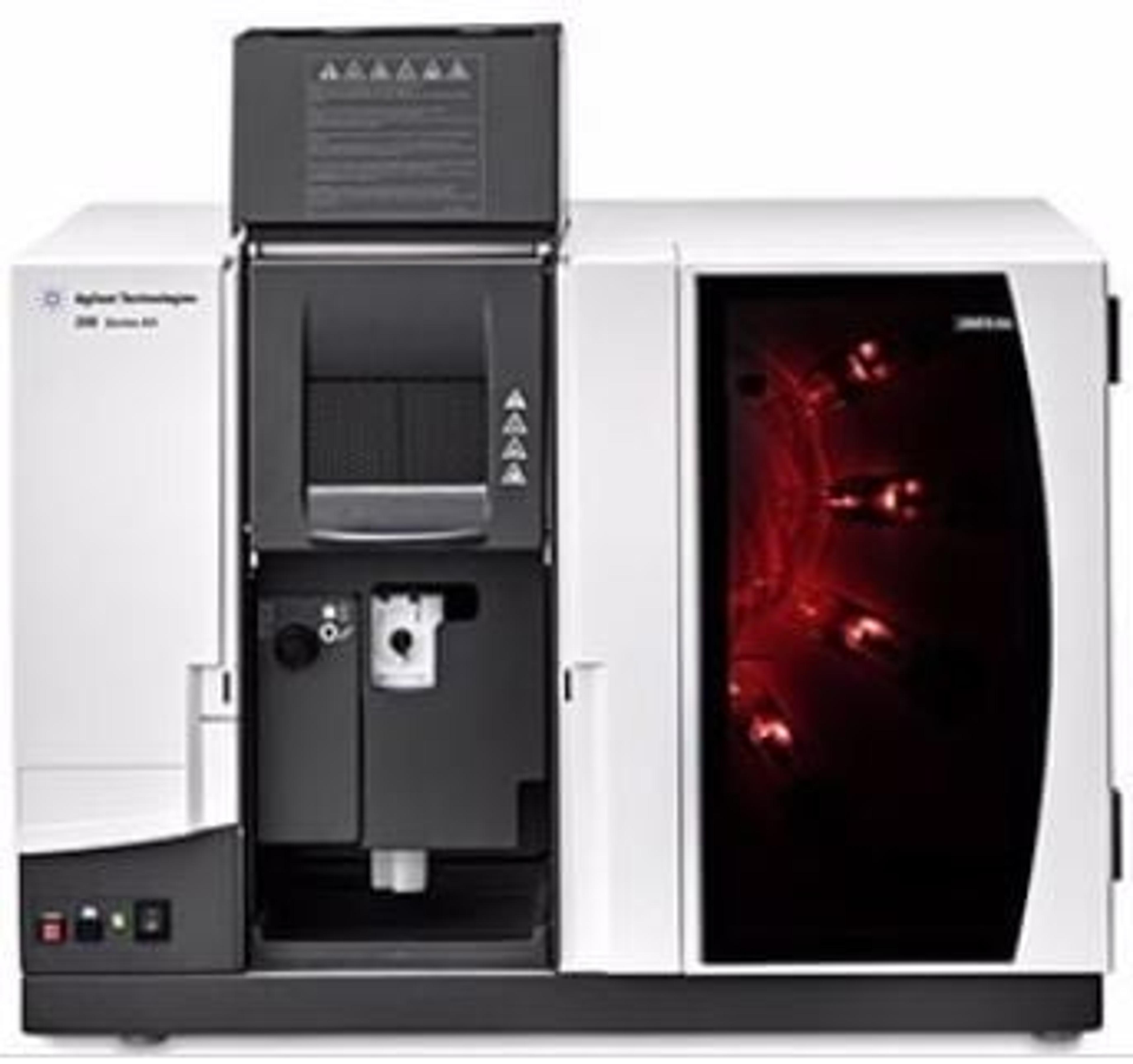
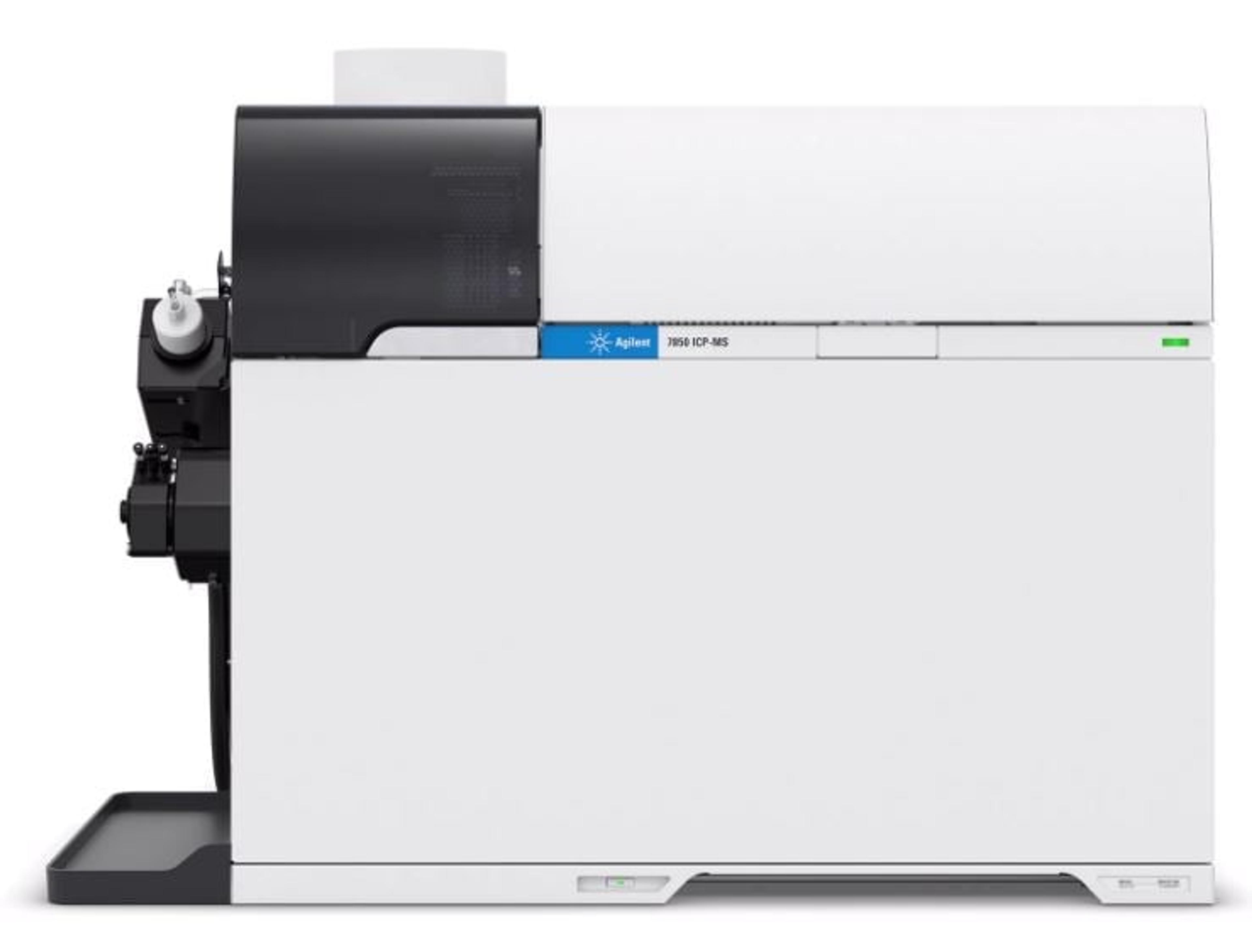
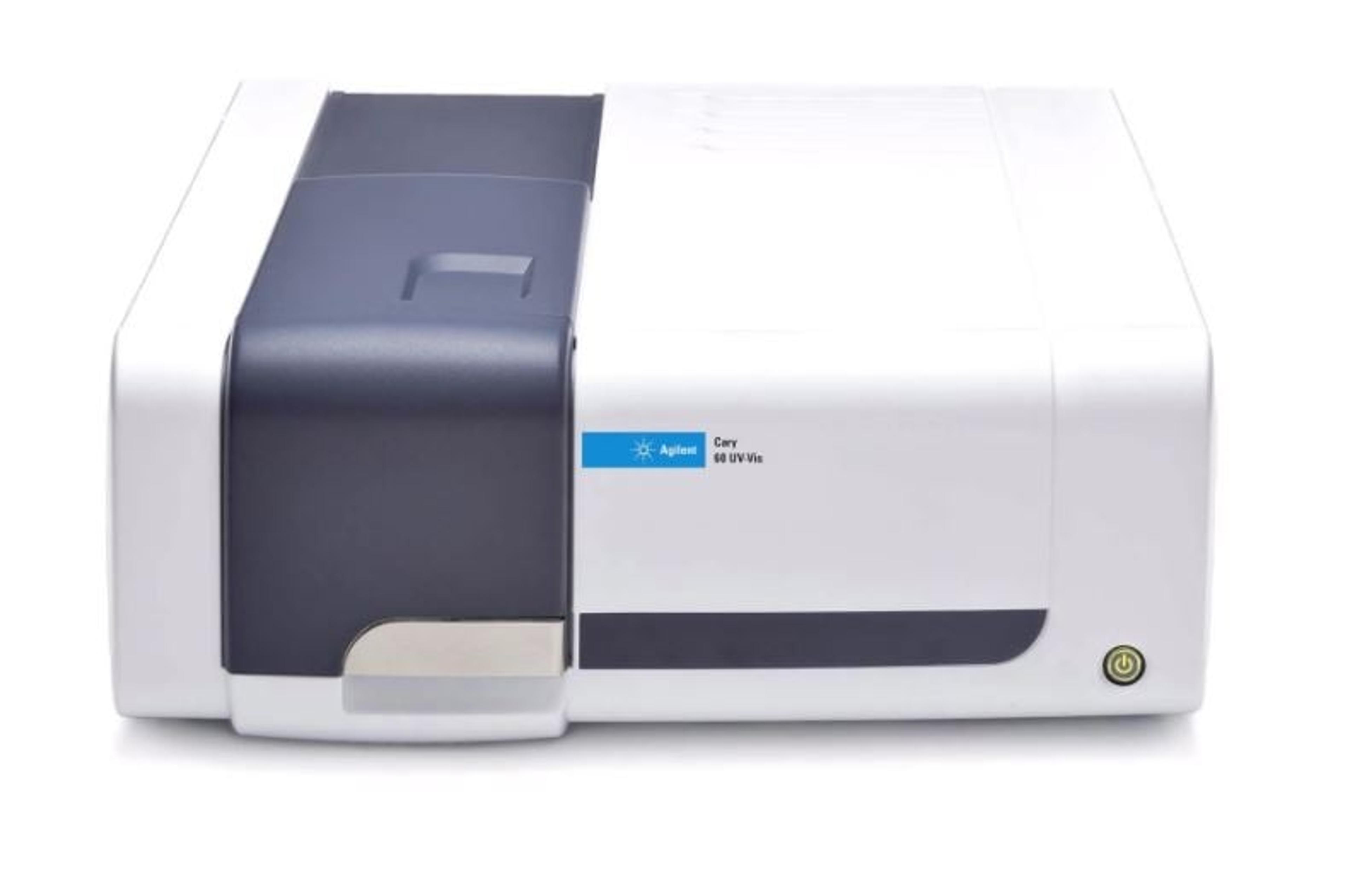
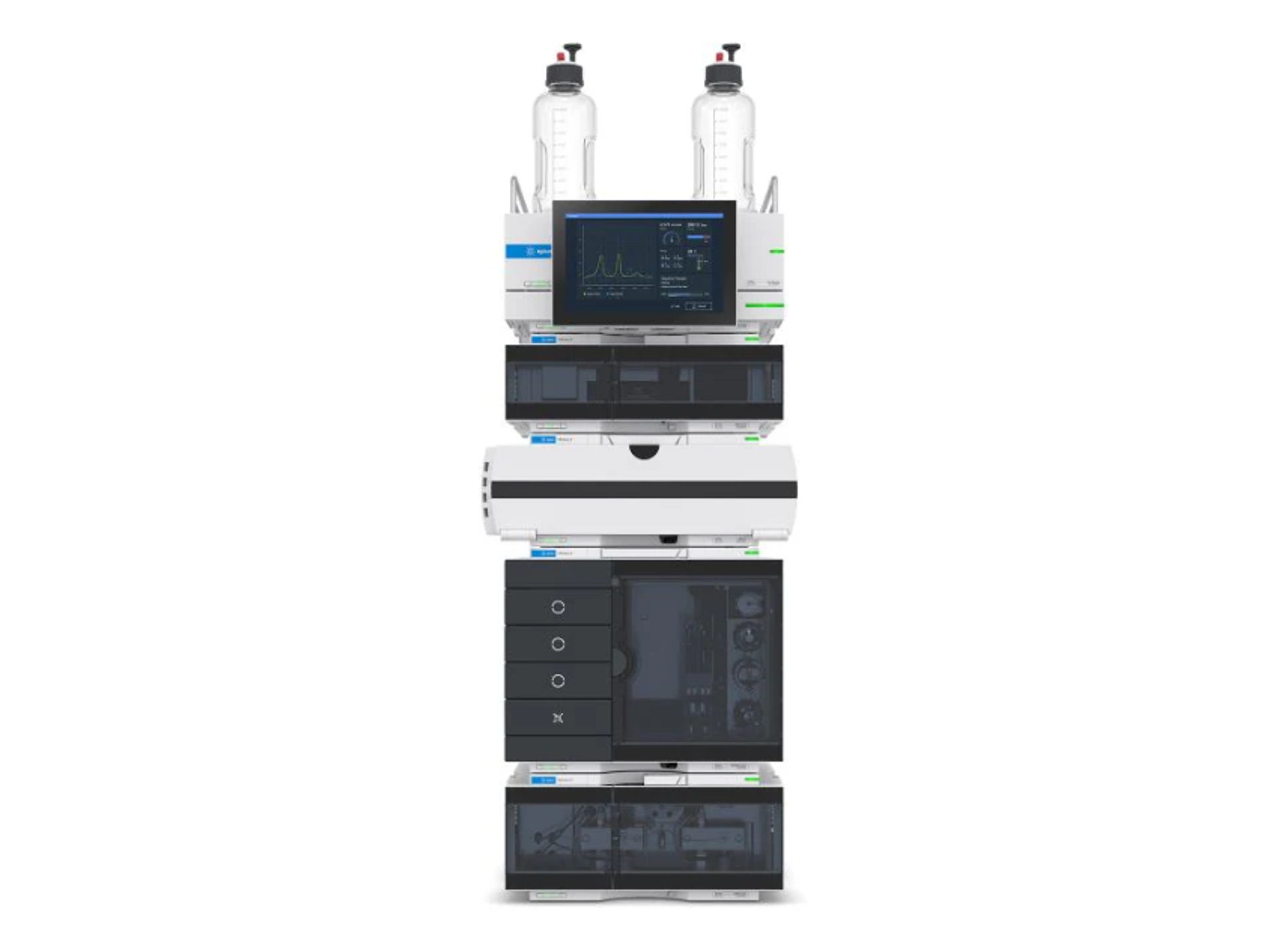
Atomic Absorption / Emission SpectroscopyAtomic absorption spectroscopy (AAS) and atomic emission spectroscopy (AES) — also called optical emission spectroscopy (OES) — are used to detect the elemental constituents in samples. Both techniques involve the atomization of a sample. Atomic absorption spectrometers may use a flame or furnace to create an atomic vapor of the sample before irradiation with spectral light. Optical emission spectrometers may use a flame, inductively coupled plasma (ICP), microwave plasma (MP) or spark arcs to atomize and excite the sample. At higher excitation energies, electrons can be emitted instead of photons, which can be useful for samples that can’t be atomized and for surface analysis. Explore electron spectroscopy equipment such as Auger spectrometers and photoelectron spectrometers for surface elemental analysis of samples. Find the best atomic absorption, photoelectron and optical emission spectrometers in our peer-reviewed product directory: compare products, check customer reviews and receive pricing direct from manufacturers.Mass SpectrometryMass spectrometry (MS) is a powerful analytical technique used to identify and quantify molecules based on the mass-to-charge ratio of gas-phase ions. It provides detailed information about the structure, composition, and properties of compounds and is widely used across fields such as environmental monitoring, materials science, drug discovery and development, food and beverage testing, and wider chemical research. Key MS techniques include tandem mass spectrometry (MS/MS), liquid chromatography–mass spectrometry (LS-MS) and inductively coupled plasma (ICP-MS). Choosing from these wide range of techniques and technologies can be a daunting task, so keep up to date with scientific applications, performance expectations, and customer reviews here all in one place. Visit our product directory to receive quotes direct from the manufacturer. GC-MS GC-MS (gas chromatography-mass spectrometry) instruments and equipment are used to separate, quantify and identify mixtures of small and volatile compounds, such as polycyclic aromatics, fatty acids and alcohols. Often used in drug detection, forensic investigation and environmental analysis for pesticides and contaminants, GC-MS is a powerful addition to your lab’s analytical capabilities. GC-MS/MS instruments equipped with a qTOF or triple quadrupole analyzers can give greater sensitivity and resolution to your analysis. Find the best GC-MS instruments and equipment in our peer-reviewed product directory: compare products, check customer reviews and receive pricing direct from manufacturers.Infrared / IR SpectroscopyInfrared (IR) spectroscopy measures the interaction of infrared light with a sample, including transmission, reflectance & absorbance, facilitating the identification of analytes. Equipment used for quantitative analysis includes Fourier-transform infrared (FTIR) spectrometers, infrared cameras, FTIR gas analyzers, as well as attenuated total reflectance (ATR) accessories and pellet or film presses. Find the best IR spectroscopy products in our peer-reviewed product directory: compare products, check customer reviews and receive pricing direct from manufacturers.UV-Visible SpectroscopyUltraviolet-visible (UV-Vis) spectrophotometers are used to measure the interaction of UV and visible light with a sample, including transmission, reflectance & absorbance. The two major instrument classes are single-beam or double-beam spectrophotometers. More specialized equipment includes colorimeters, spectroradiometers and refractometers. Portable and microvolume spectrophotometers are also available. For the modular spectroscopy lab, explore a range of light sources for combination with a spectrograph/spectrometer and optics. Find the best UV-Vis spectroscopy products in our peer-reviewed product directory: compare products, check customer reviews and receive pricing direct from manufacturers.Testing Regulations