2.5D cell culture models for more predictive in vitro research
8 Jun 2026
2.5D cell culture is an emerging approach for creating more physiologically relevant in vitro models, overcoming key limitations of conventional 2D systems. Using microporous membrane inserts restores apical-basolateral polarity, supports barrier formation, and enables air-liquid interface (ALI) culture—critical for differentiated epithelial models with improved predictive value for ADME/Tox, drug transport, and disease research.
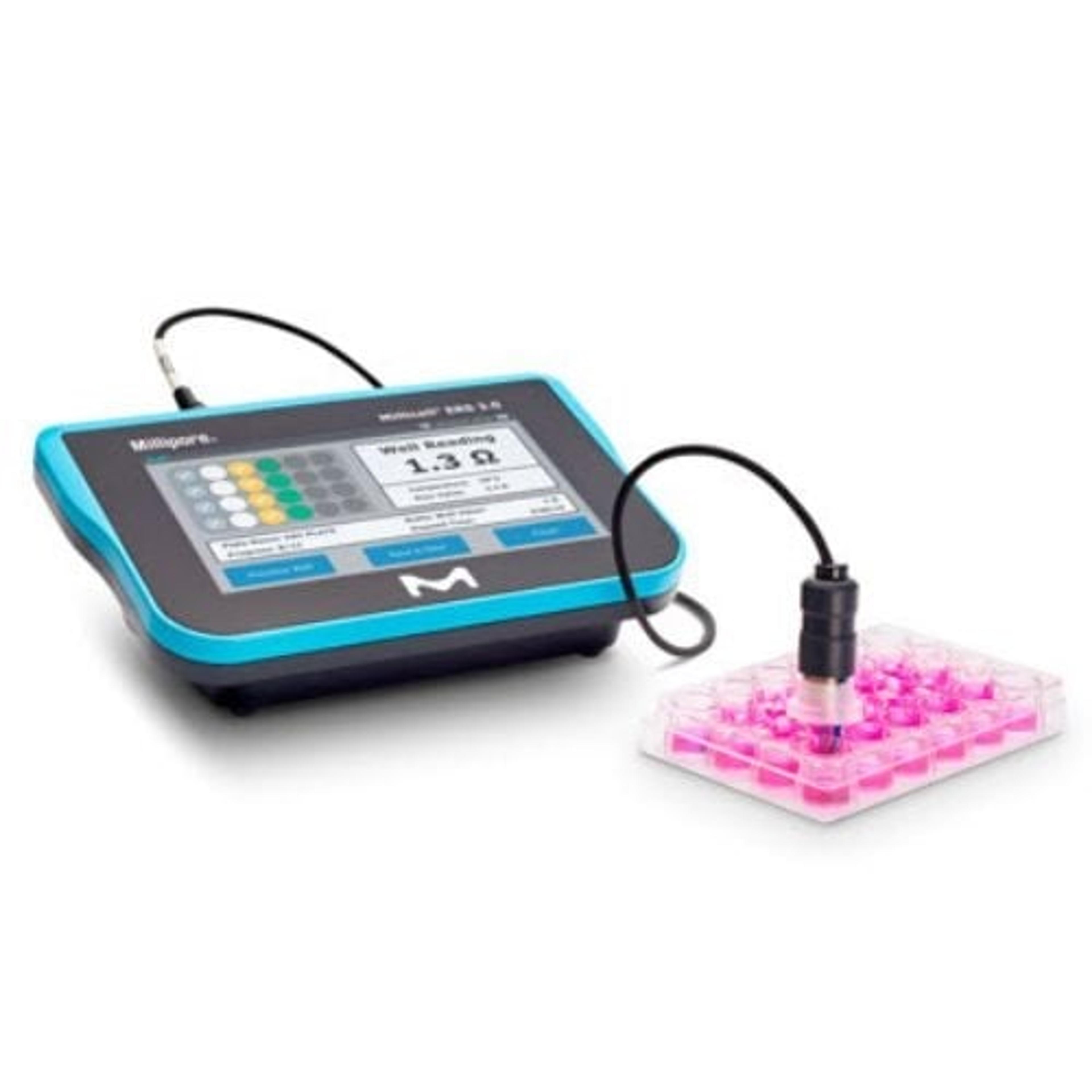
2.5D culture bridges simple monolayers and complex 3D systems. It allows organoid-derived cells to be grown on permeable membranes, combining biological relevance with accessibility for TEER measurement, permeability, migration, and wound healing assays. Tools such as Millicell® inserts and plates support applications from GI barrier and drug absorption studies to skin and respiratory models, enabling more predictive epithelial and tissue-representative systems.

Download this SelectScience guide to explore:
- How to culture colon organoid monolayers for GI barrier research
- Small intestine organoid-derived monolayers and physiologically relevant alternatives to Caco-2 models
- Optimizing MDCK cell culture for high-throughput TEER and permeability assays
- The principles behind barrier formation and permeability assays using cell culture inserts
- Generating organotypic air-liquid interface 3D skin cultures
- Modelling respiratory lung diseases using bronchial epithelial cells at ALI
Resource details:
- Document type: SelectScience guide
- Page count: 47
- Read time: 85 mins
- Edition: 1st
Related products
Request Quote for All Products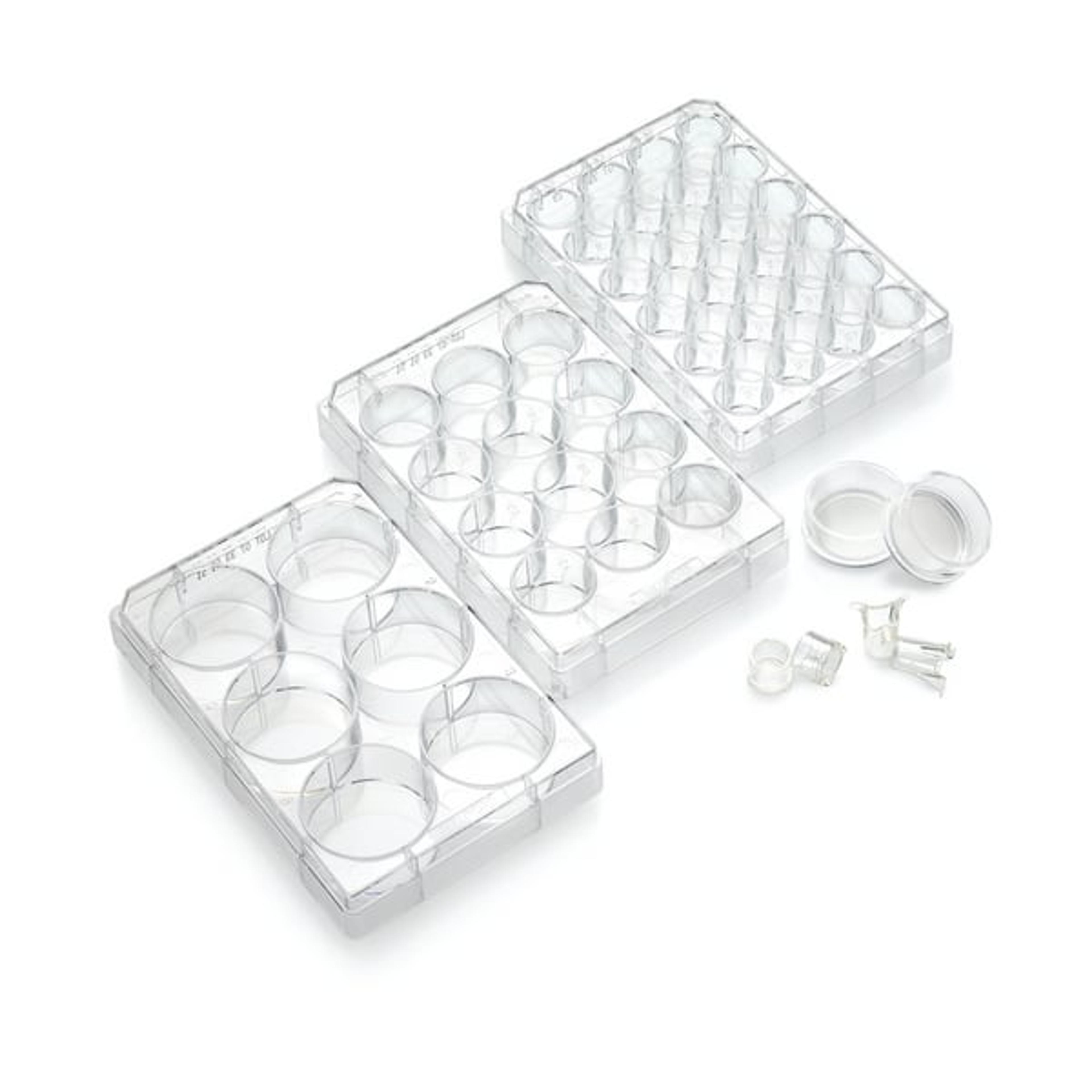
Millicell® Cell Culture Inserts
MerckWith Millicell inserts, attachment or suspension cells can access media from both their apical and basolateral sides. Cell growth, structure, and function more closely mimic what occurs in vivo. In addition, Millicell inserts make it possible to study both sides of the cell monolayer. Millicell inserts are available for 24-, 12-, or 6-well plates.

Millicell® 24 & 96-well Cell Culture Insert Plates
MerckMillicell® cell culture insert plates are a patented device designed to support cell growth and differentiation of endothelial and epithelial cell lines, including CaCo-2. The Millicell® device is available with a 0.4 µm PCF and a variety of PET membrane pore sizes. The plate is designed for maximum user convenience and incorporates features such as apical assist for easier pipetting and basolateral access.