
Western Blotting > Automated Western Blotting Systems Products & Reviews
Results per page
25
Showing 9 products for Western Blotting > Automated Western Blotting Systems
9 Products Found | Selected Filters:
ProductsLife Sciences
Electronic Film Western Blot Imaging system
e-BLOTUltra-Sensitivity: Electronic-negative, attached photo-sensitivity, imaging in only one second. Wide Dynamic Range: Super-large electronic capacity, 30 times bigger than CCD camera. Small Size: Satisfying different scene. Proprietary technology: International proprietary technology covering dozens of countries and regions
ProductsLife Sciences
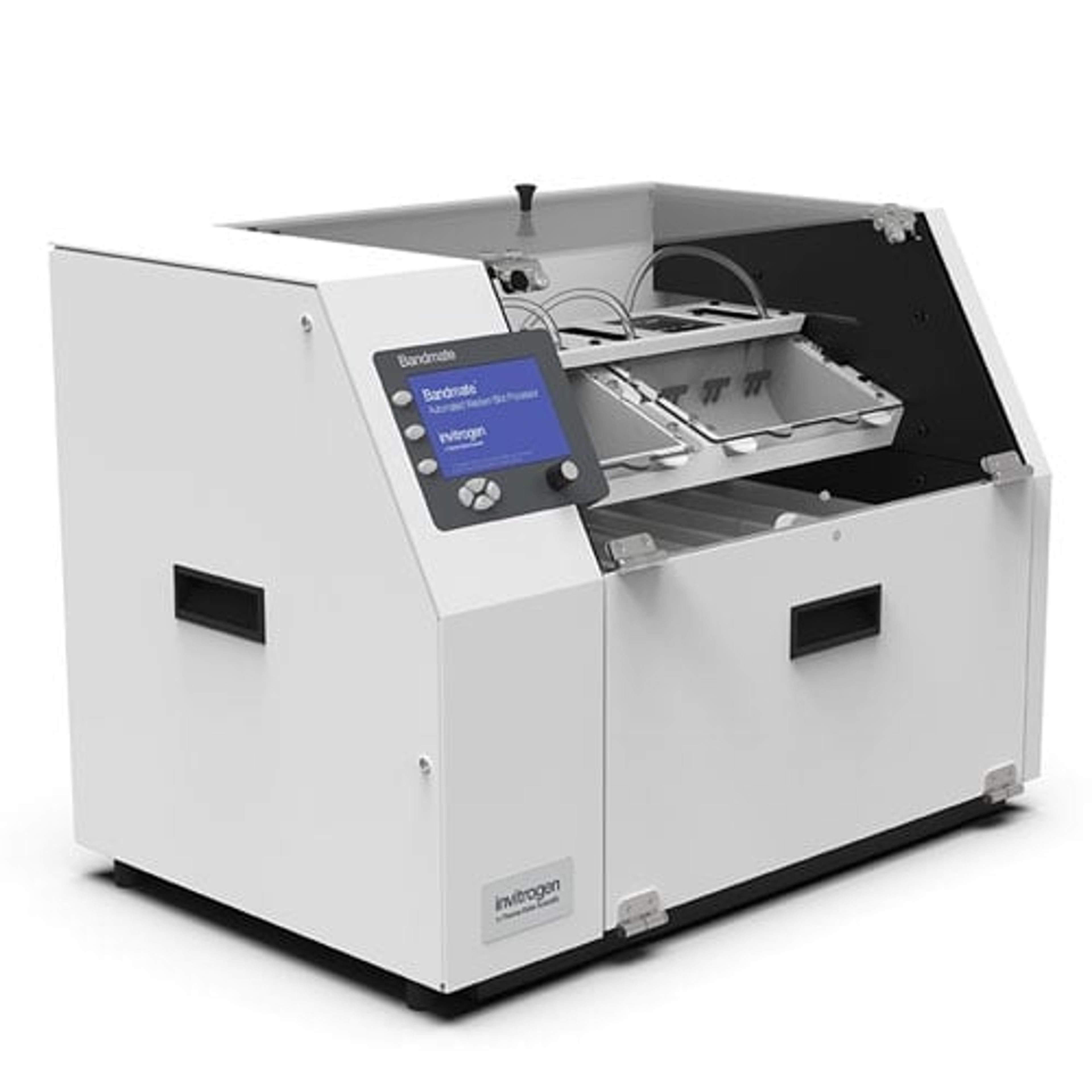
Invitrogen™ Bandmate™ Automated Western Blot Processor
Thermo Fisher ScientificThe Invitrogen™ Bandmate™ Automated Western Blot Processor is a programmable blot rocking system that automates the tedious hands-on blocking, washing, and antibody incubation steps of western blot processing. Minimal effort is required to set up the Bandmate device to process up to 2 midi blots or 4 mini blots using your current optimized reagents and protocols for blot processing, freeing up time for other important tasks.
ProductsLife Sciences
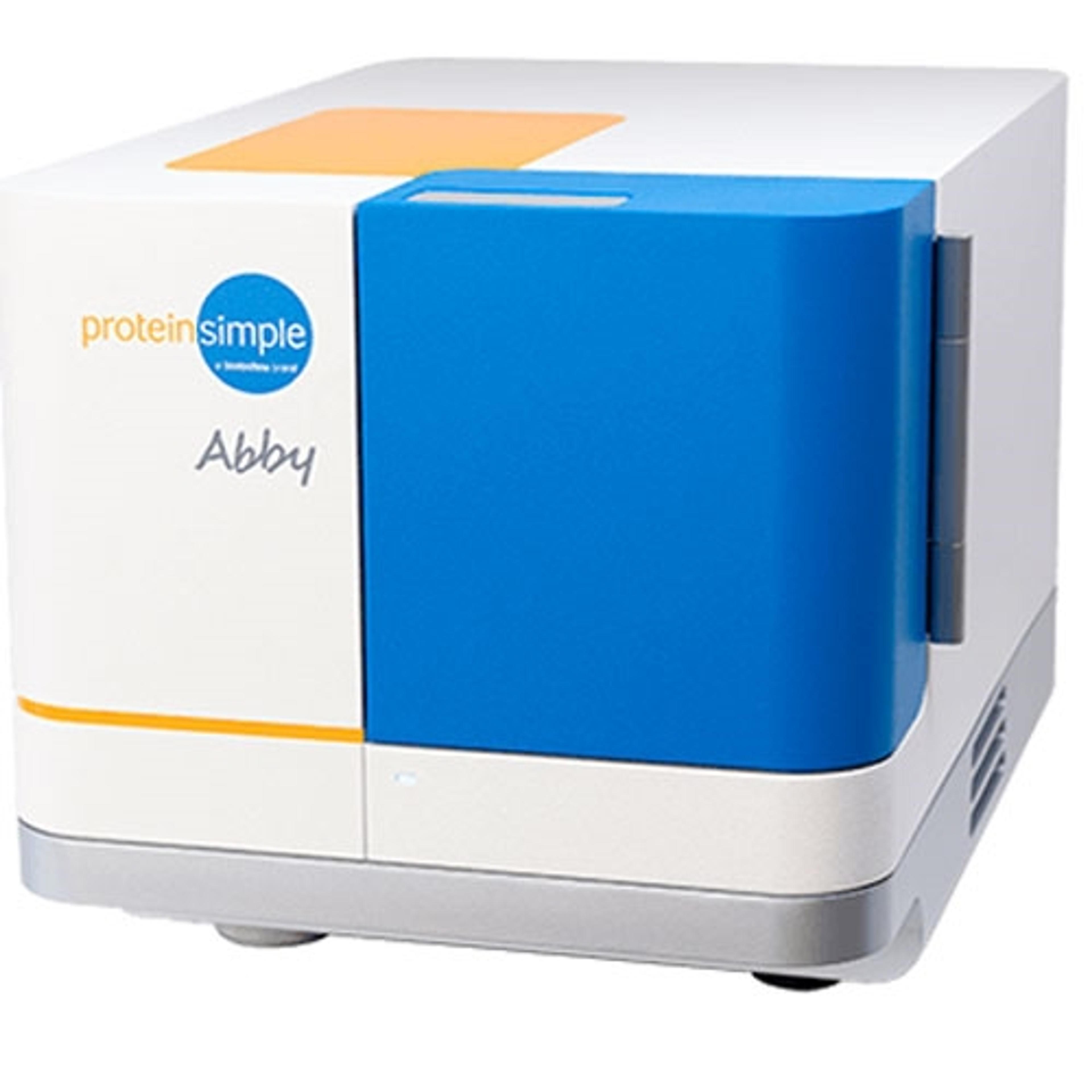
Abby™
Bio-TechneAbby™ is the next generation chemiluminescence western protein analyzer. She automates protein size separation and immunodetection while delivering analyzed results of 24 samples in 3 hours. Abby saves the time spent in the lab carrying out traditional Western blot steps such as antibody additions, incubations, and washes. She delivers picogram-level sensitivity through chemiluminescence detection and workflow automation.
ProductsLife Sciences
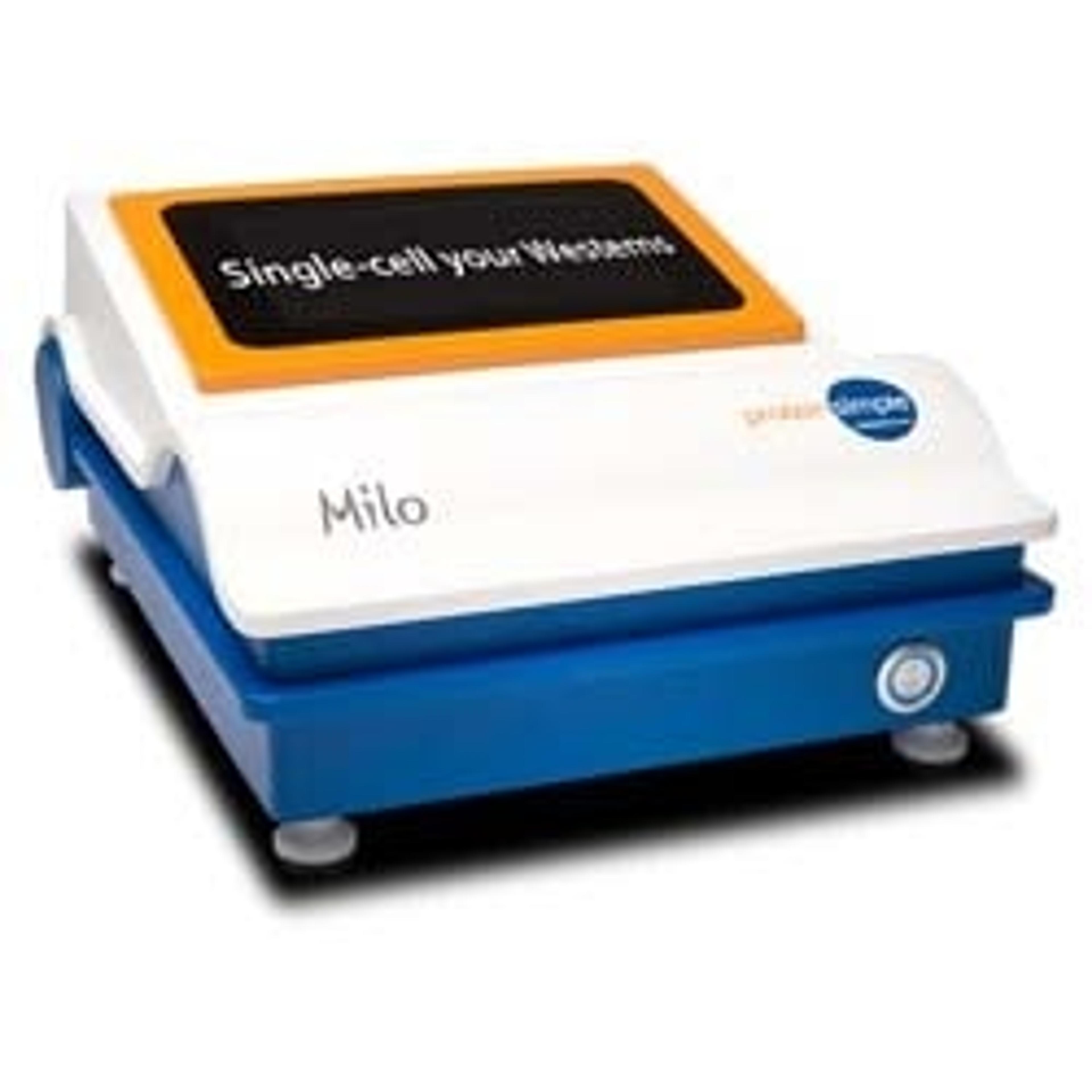
Milo™
Bio-TechneMilo™ lets you identify cellular subpopulations that aren't visible in traditional Western Blots, so you can study distinct cell types in your heterogeneous sample.

ProductsLife Sciences
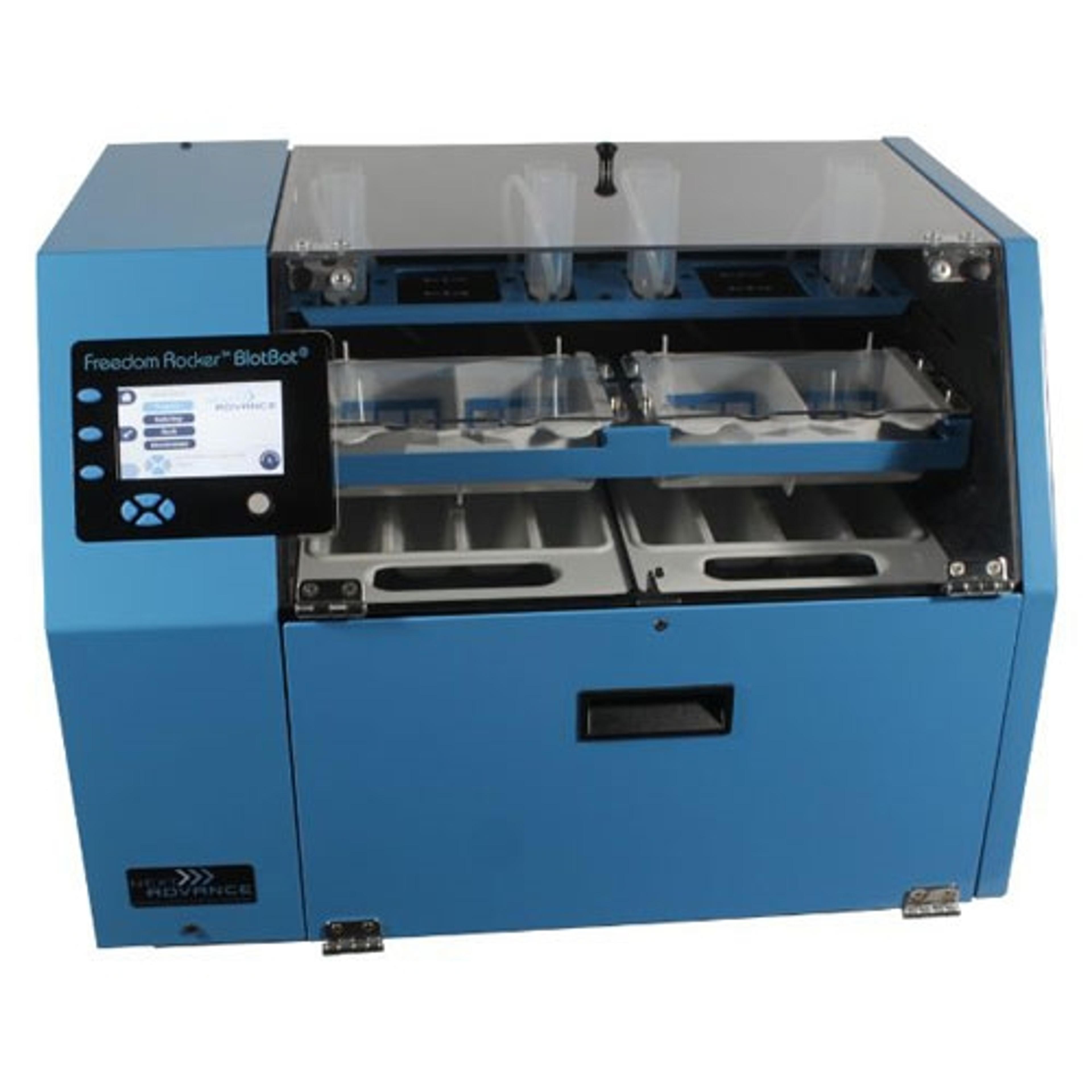
BlotBot
Next Advance Inc.Throw out your timers! Don’t babysit your western blots again!
ProductsSeparations
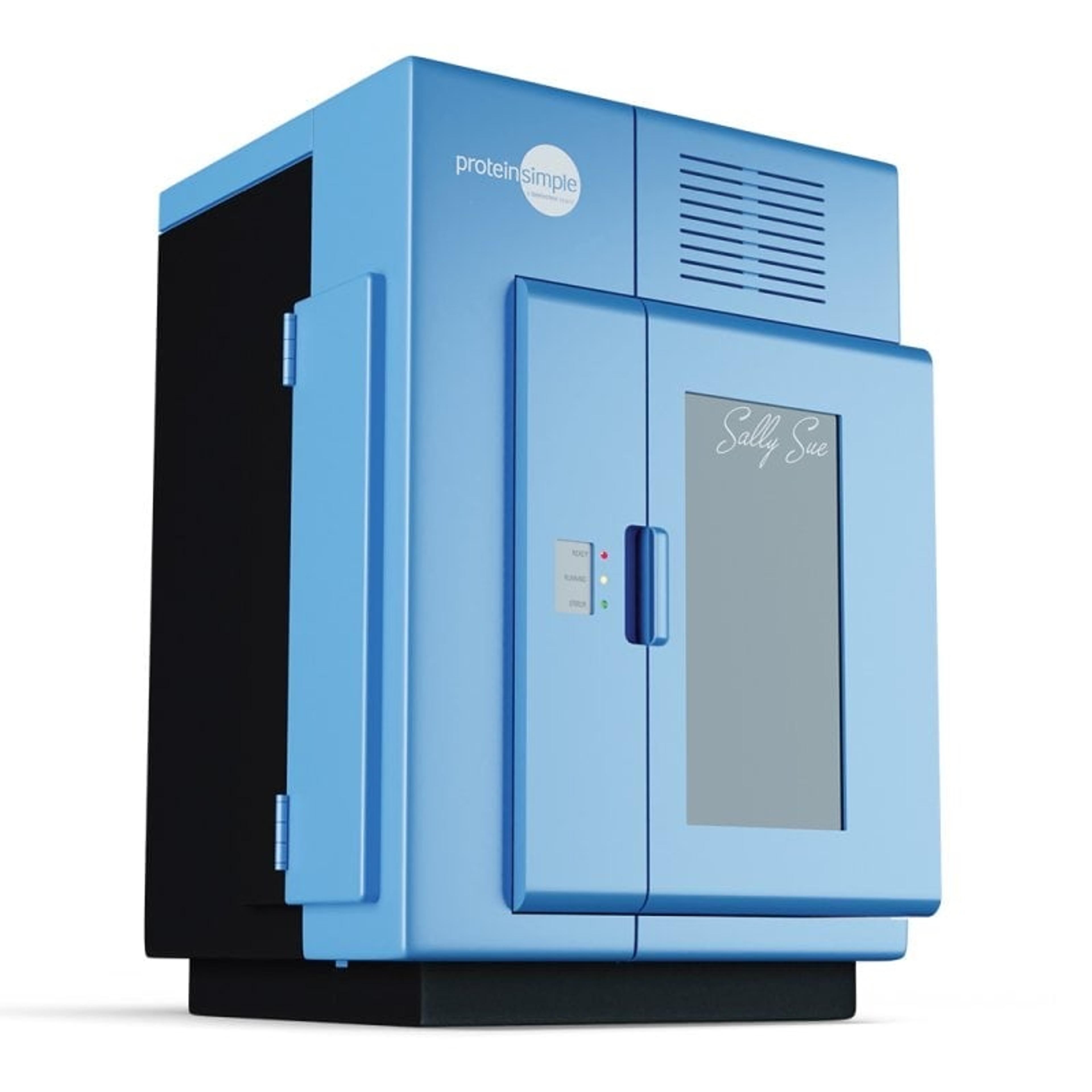
Sally Sue™
Bio-TechneSally Sue™ lets you separate and analyze proteins by size from 2-440 kDa either by immunoassay or total protein. Got small sample volumes or starting materials? No problem. She uses as little as 0.2 µg/µL of protein in just 5 µL of sample, and runs up to 96 samples in one experiment.
ProductsSeparations
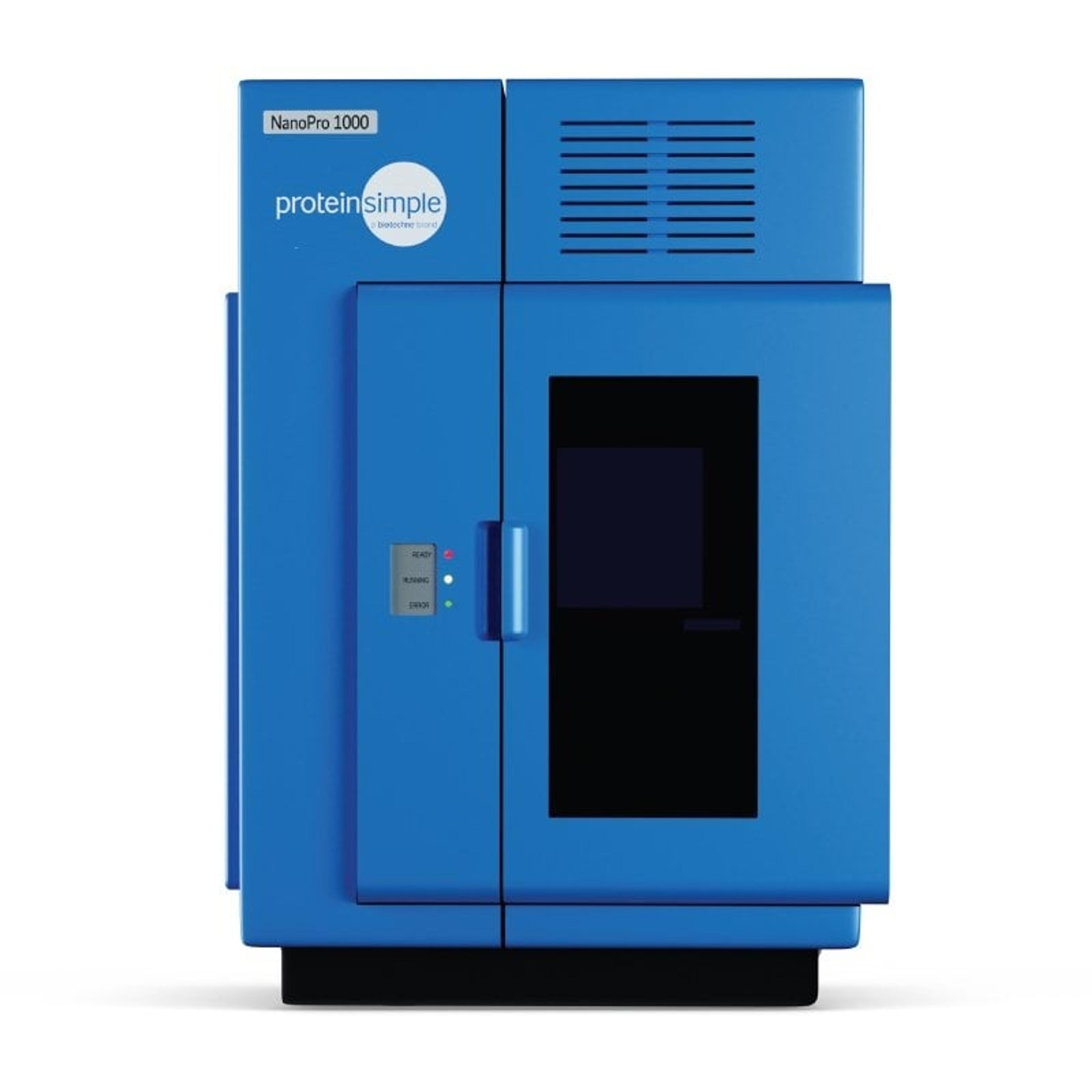
NanoPro™
Bio-TechneNanoPro™ 1000 gives you all the detailed info you need on your proteins—including characterization of post-translational protein modifications. He also runs the widest pl 3 to 10 gradient and analyzes up to 96 samples at a time to boot. Did we mention he's a conservationist too? Use as few as 25 cells per assay, even when you're characterizing low abundance proteins in limited cell populations.
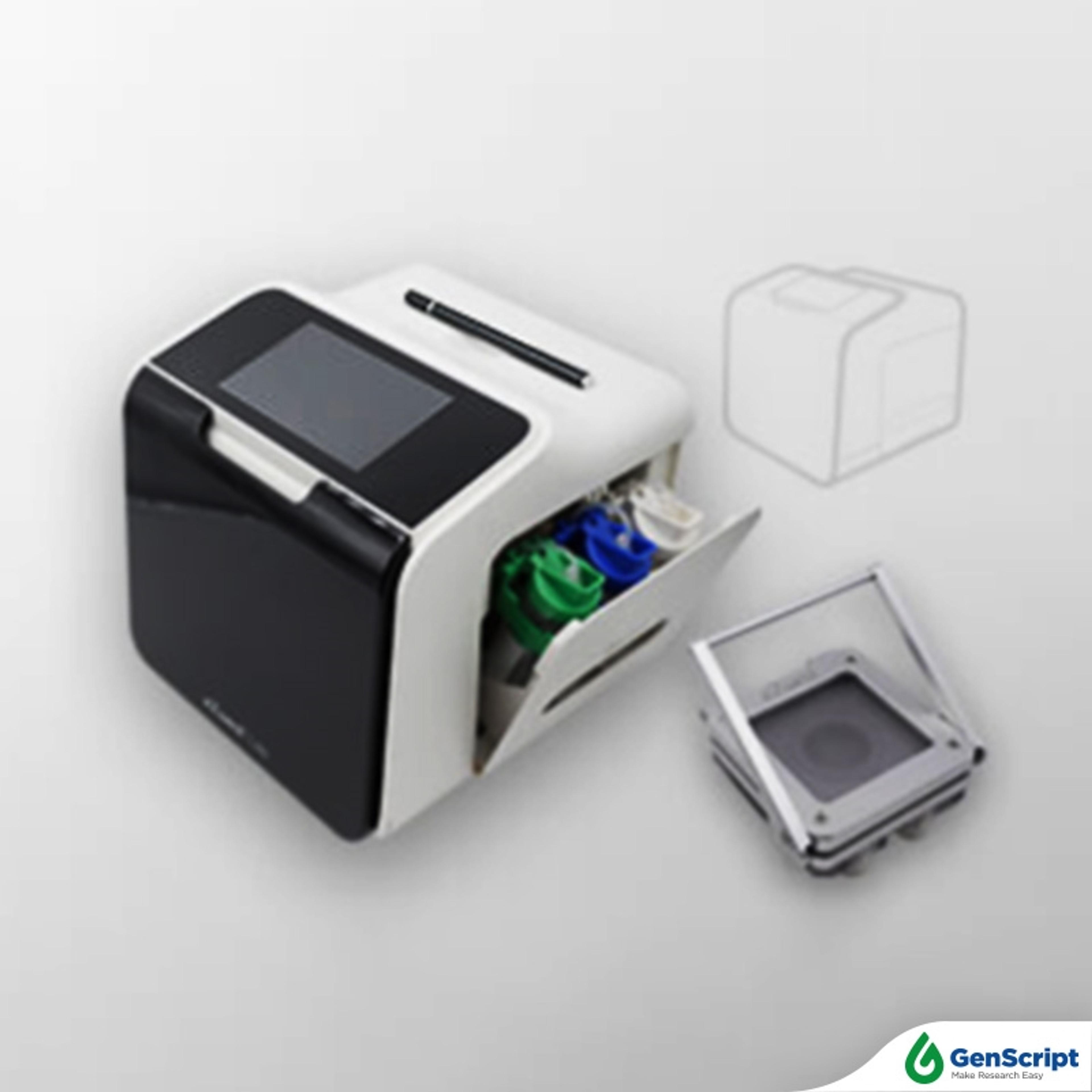
ProductsLife Sciences
eZwest™ Automated Western Device
GenScripteZwest™ Lite device for automated blocking, incubation, and washing cycles