ProductsLife Sciences
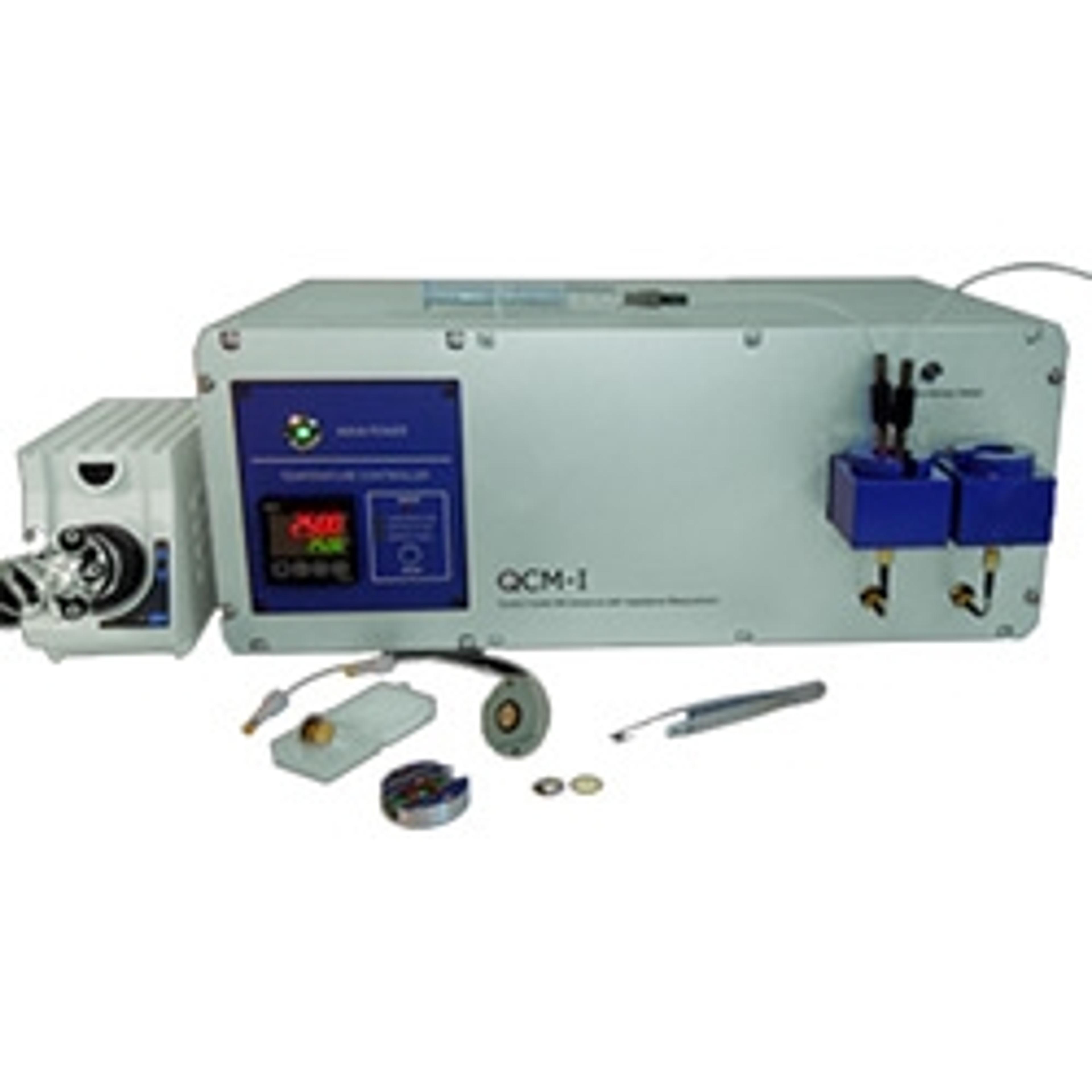
QCM-I Quartz Crystal Microbalance
Gamry InstrumentsWith Impedance Measurement and Dissipation. Both frequency and quality of resonance are measured.

With Impedance Measurement and Dissipation. Both frequency and quality of resonance are measured.
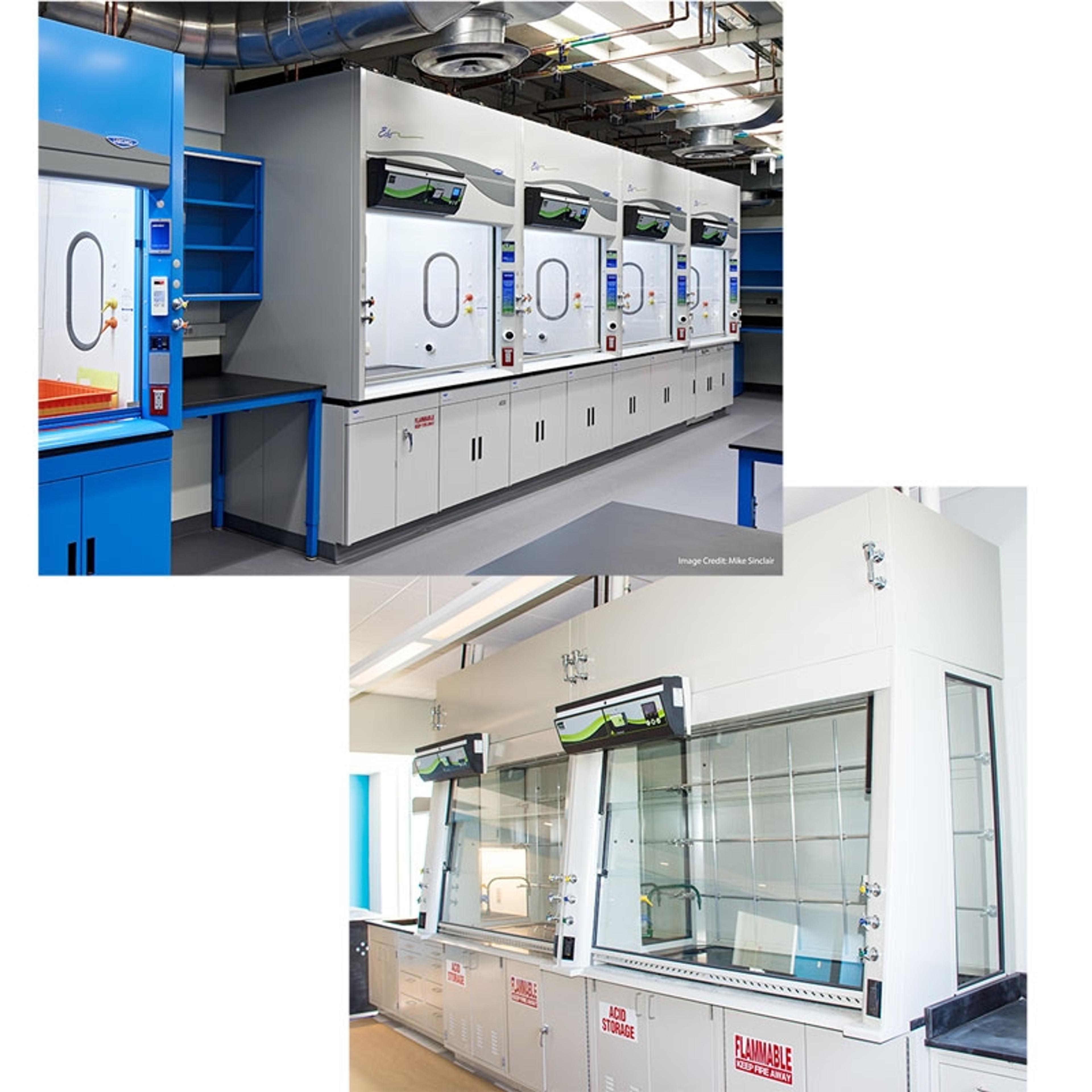
The advantage of ductless on a traditional fume hood structure with lower operating and energy costs.
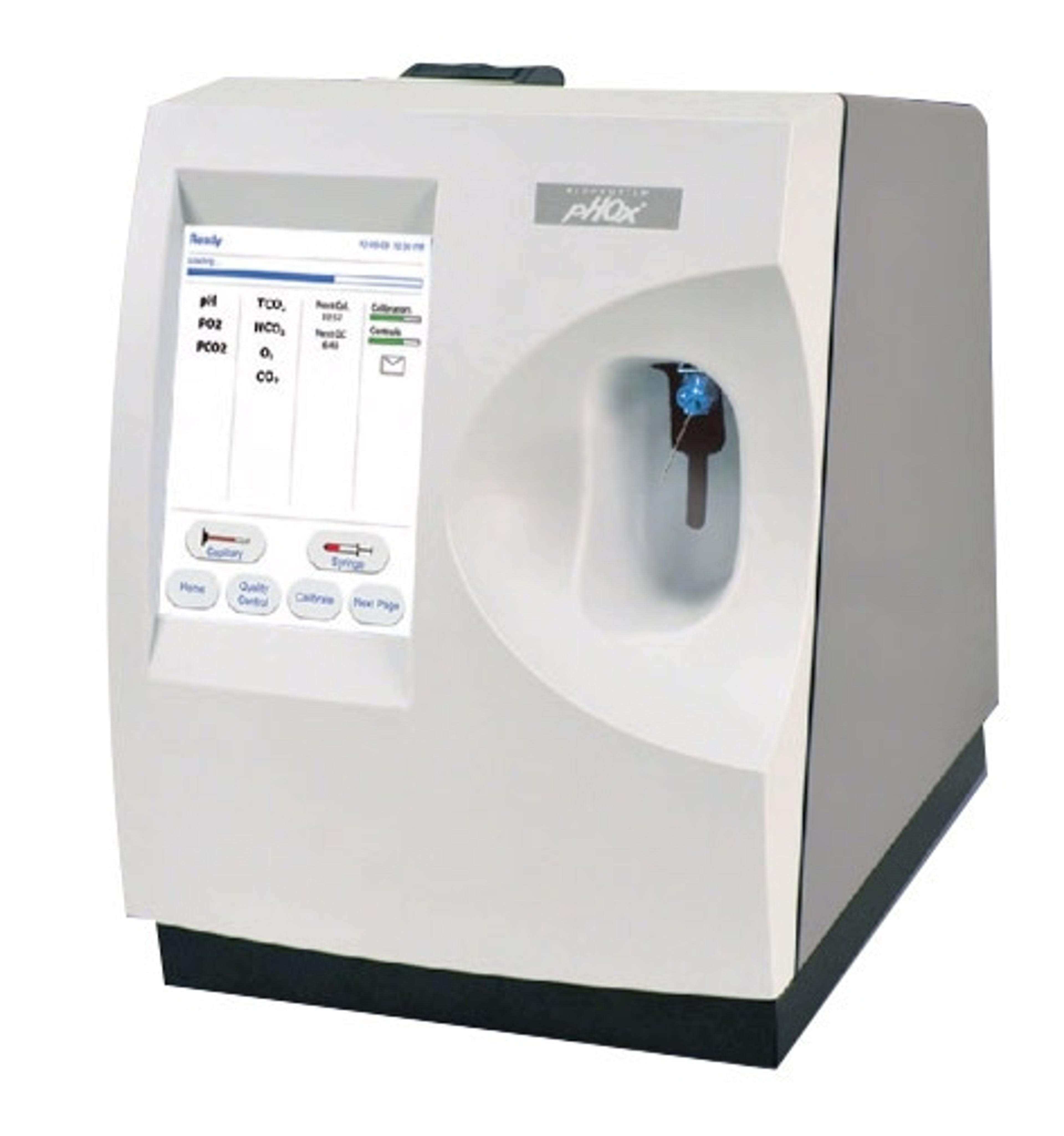
Compact pH / PCO2 / PO2 Analyzer
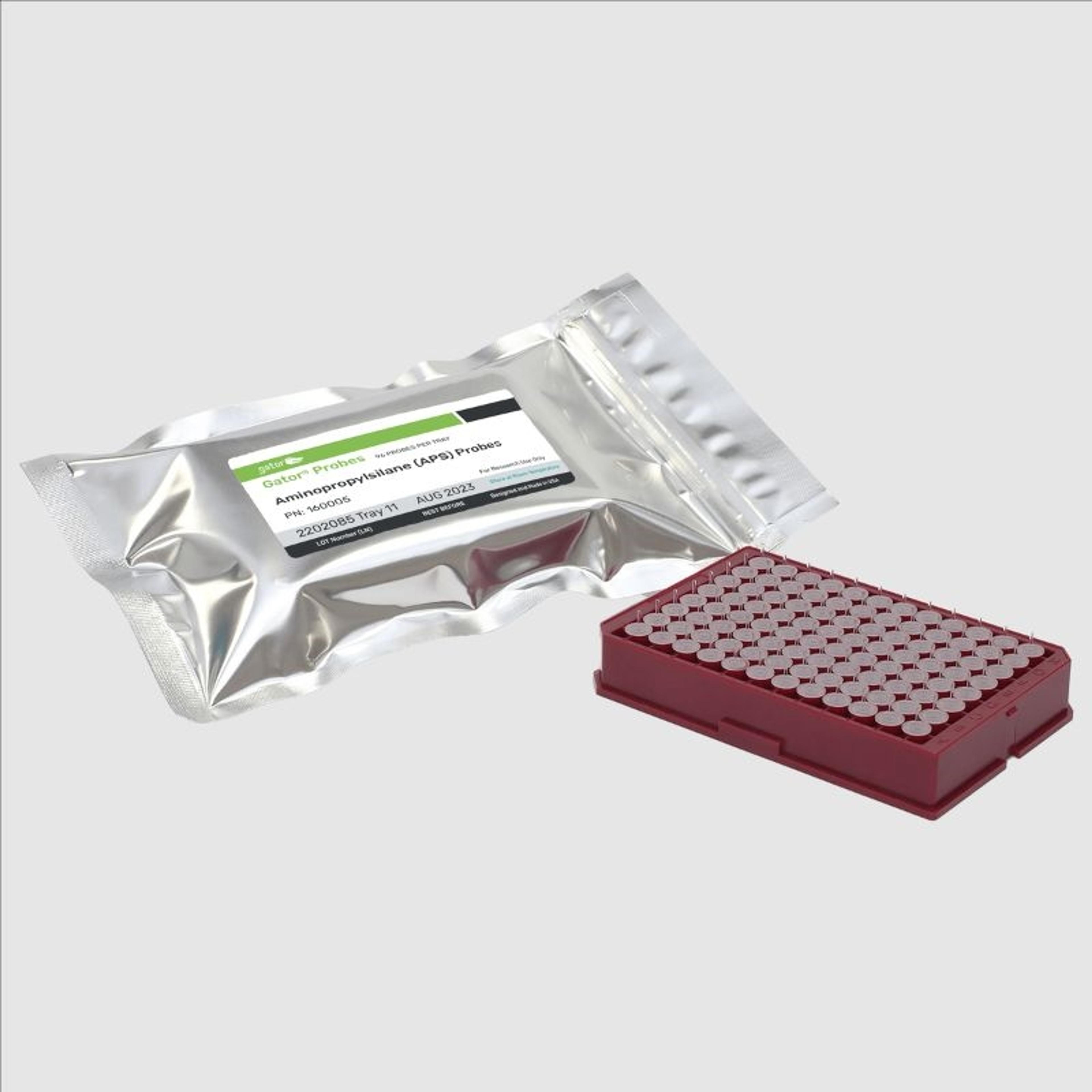
Dip-in probes with a generic surface chemistry that can couple a wide range of biomolecules
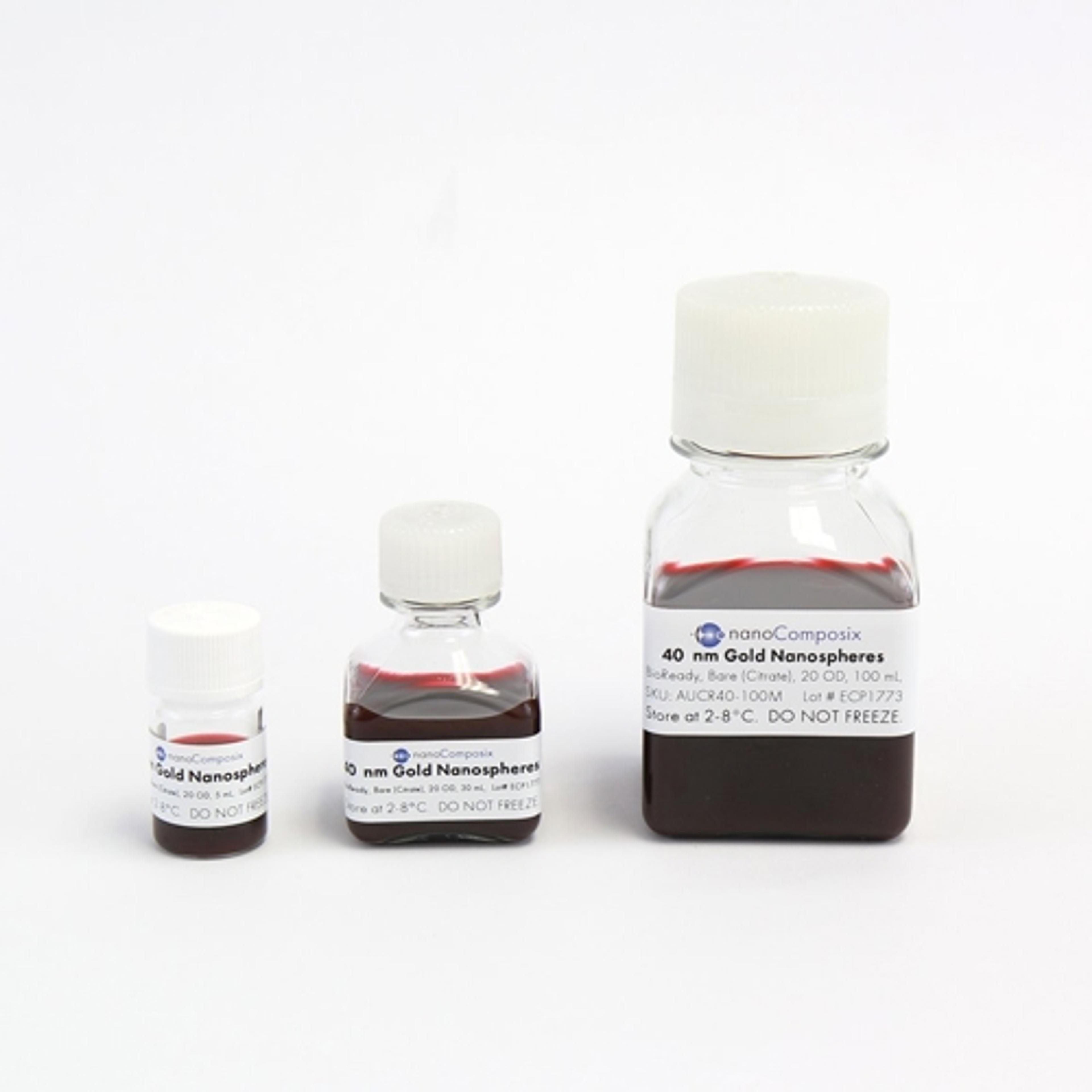
BioReady Gold Nanospheres - Bare (Citrate) - 40 nm, 20 OD in aqueous 0.02 mM sodium citrate
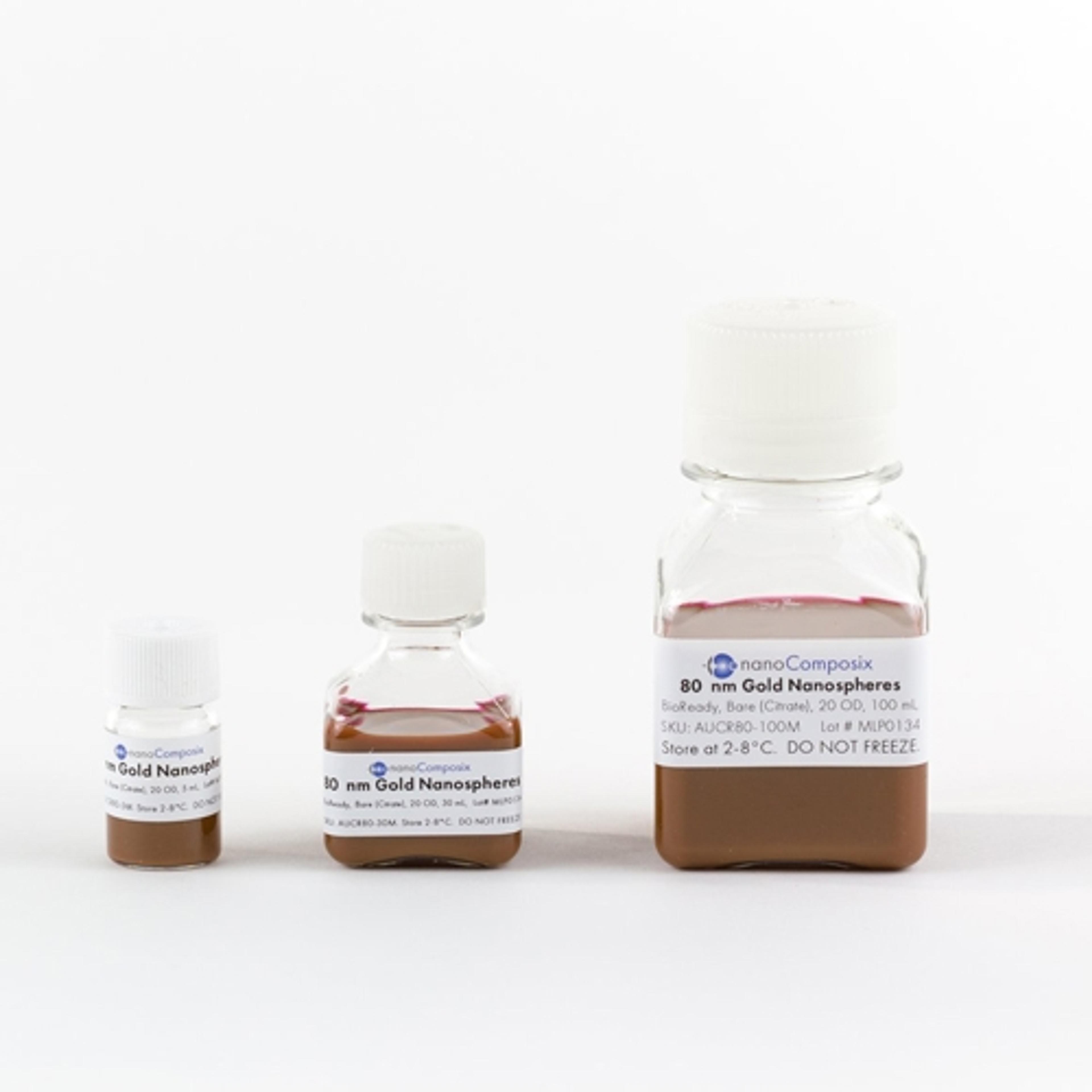
BioReady Gold Nanospheres - Bare (Citrate) - 80 nm, 20 OD in aqueous 0.02 mM sodium citrate
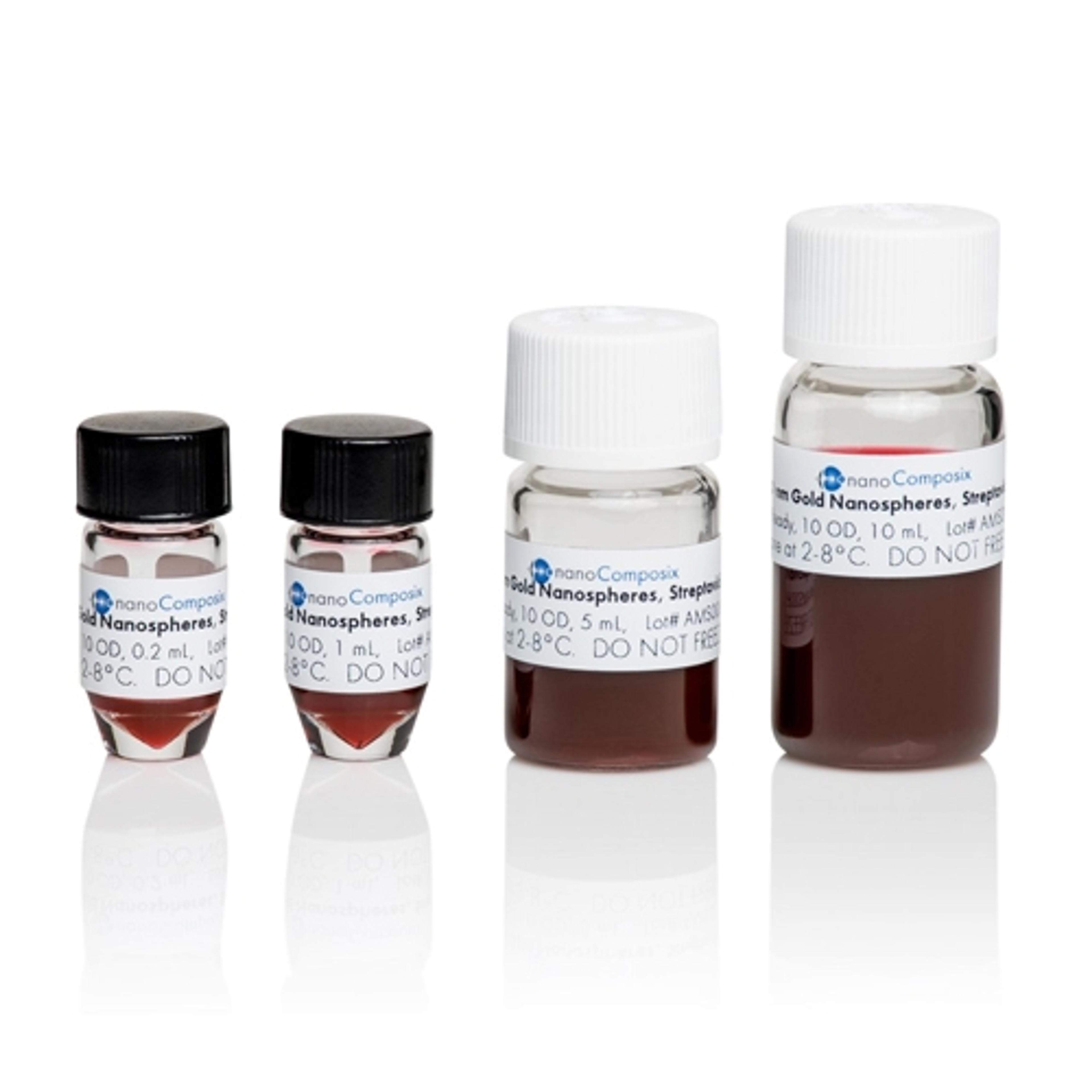
BioReady Gold Nanospheres - Streptavidin - 40 nm, 10 OD in aqueous conjugation buffer
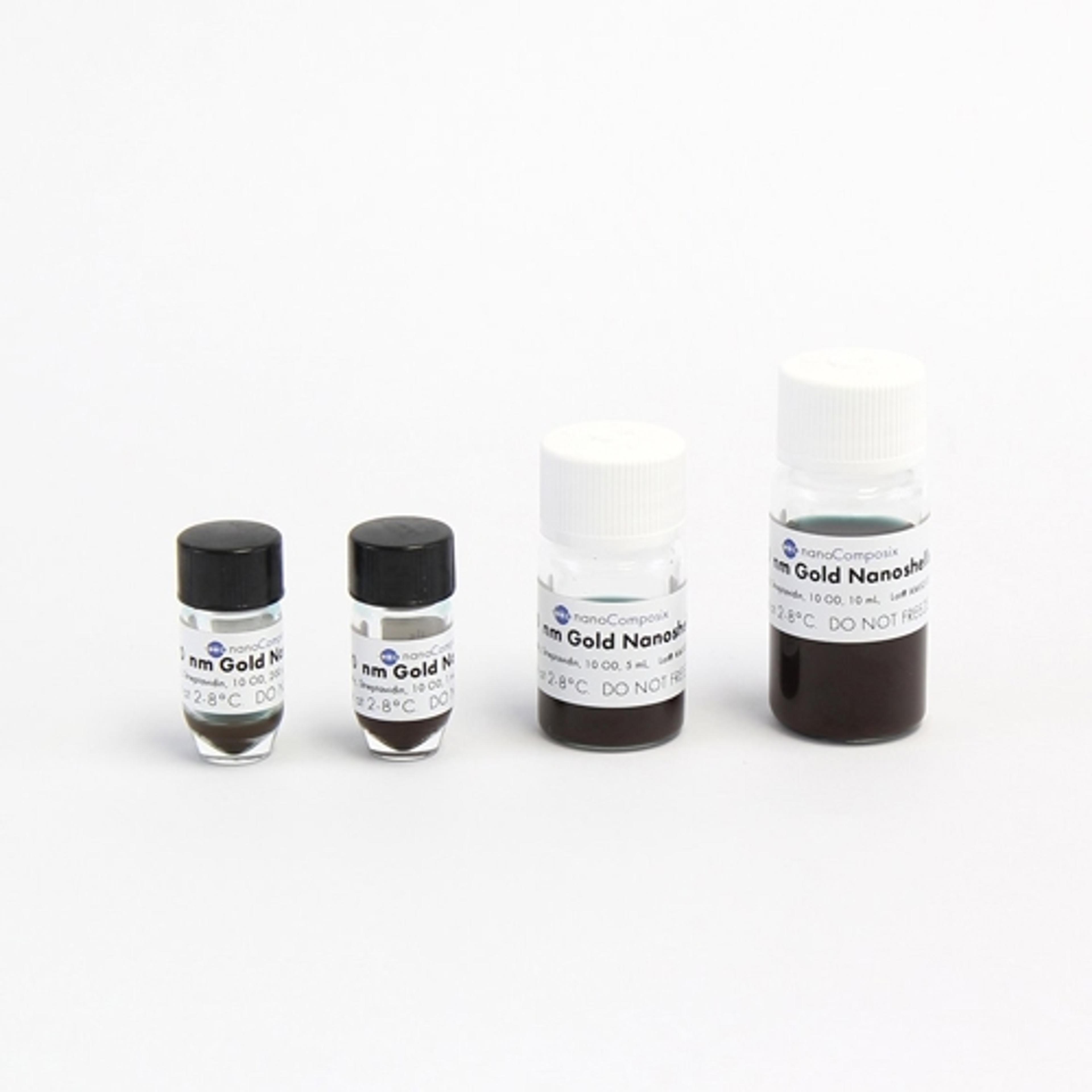
BioReady Gold Nanoshells - Streptavidin - 150 nm, 10 OD in aqueous conjugation buffer
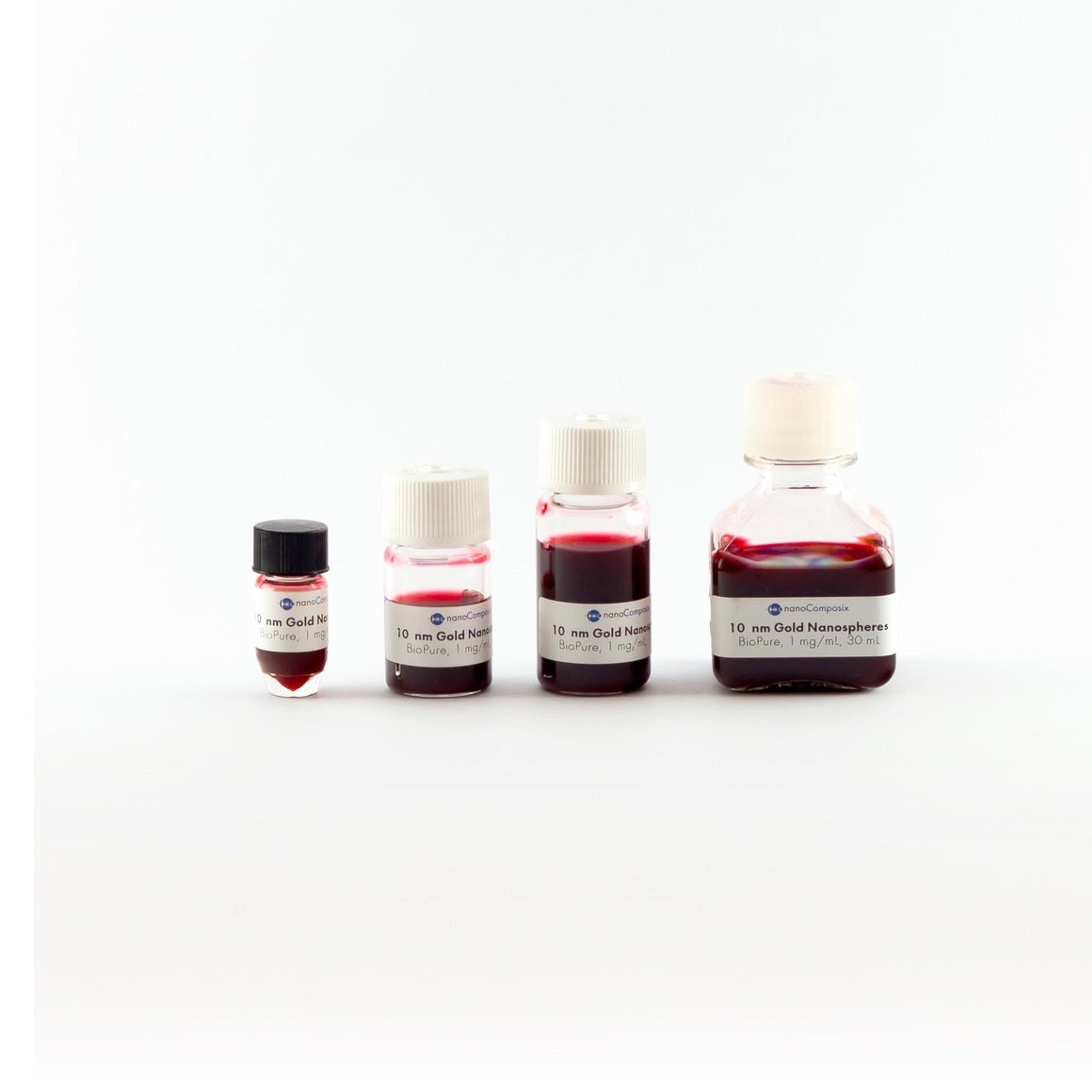
BioPure Gold Nanospheres - Bare (Citrate) - 1 mg/mL in water, Sizes 5 nm - 100 nm
Binds biotinylated proteins with near covalent linkage. Sensors can be fully regenerated 20+ times using the Flex SA reagent kit (not included). 24 biosensors included.
Binds biotinylated or AviTag containing biomolecules. For use in kinetic measurements or in creating custom-made biosensors.
Binds IgGs of various species, including human and mouse. Dynamic range of 0.02 – 2000 µg/mL. Can be robustly regenerated.
Binds IgGs of various species, including human and rat. Dynamic range of 0.02 – 2000 µg/mL. Can be robustly regenerated.
Binds IgGs of various species through the kappa light chain. Dynamic range of 0.02 – 2000 µg/mL.
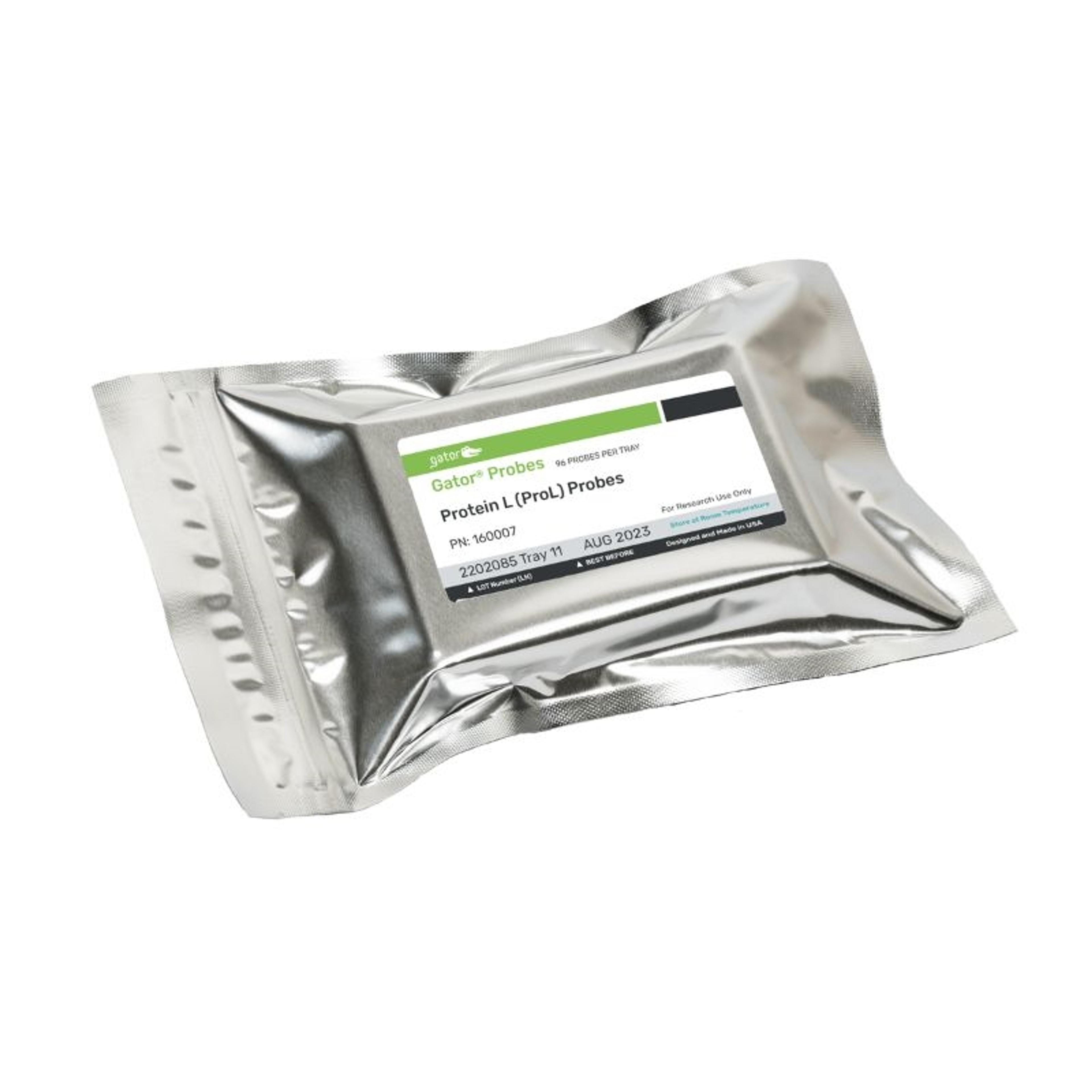
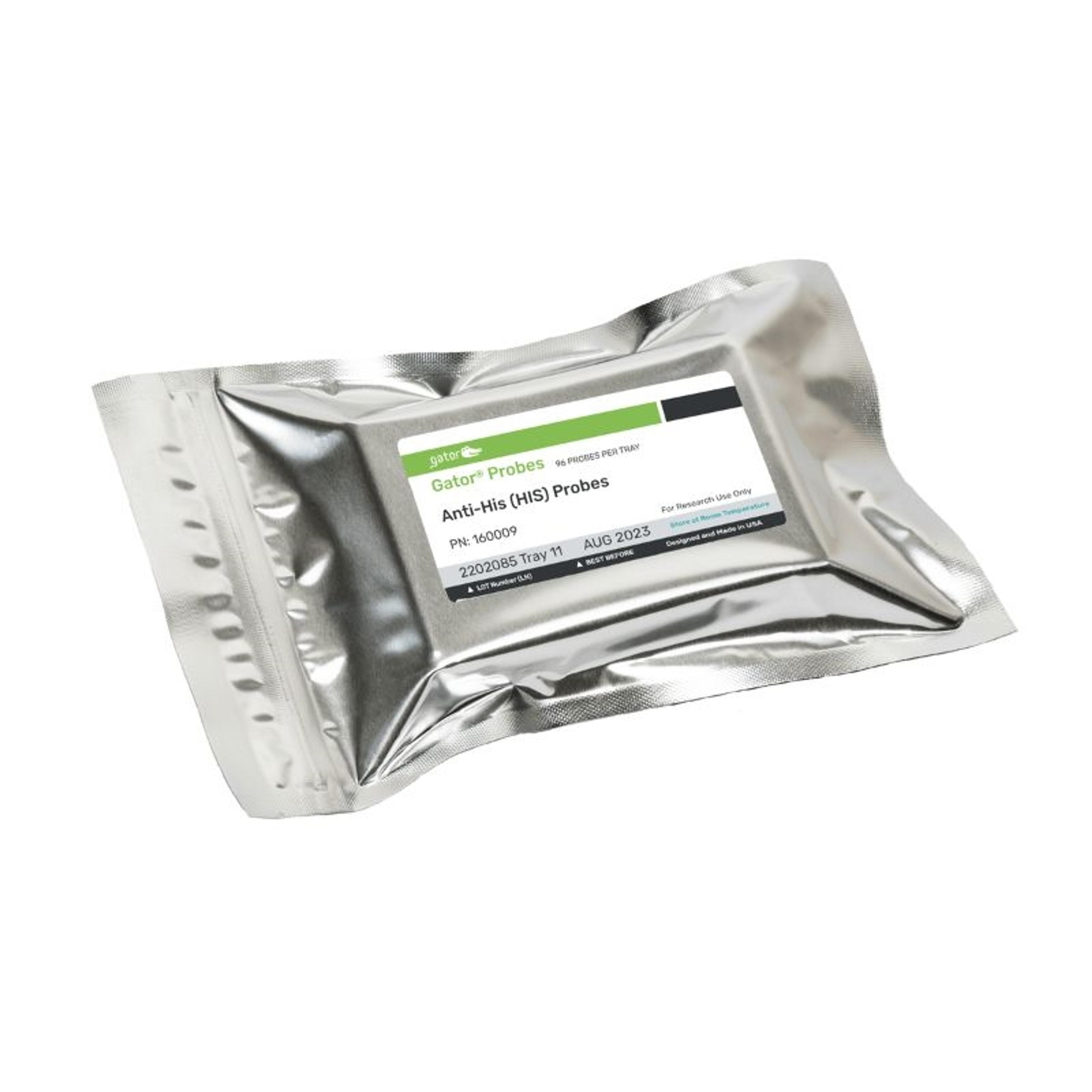
Binds His-tagged proteins. Can be used for rapid quantitation, kinetic measurements and epitope binning. Can be regenerated.
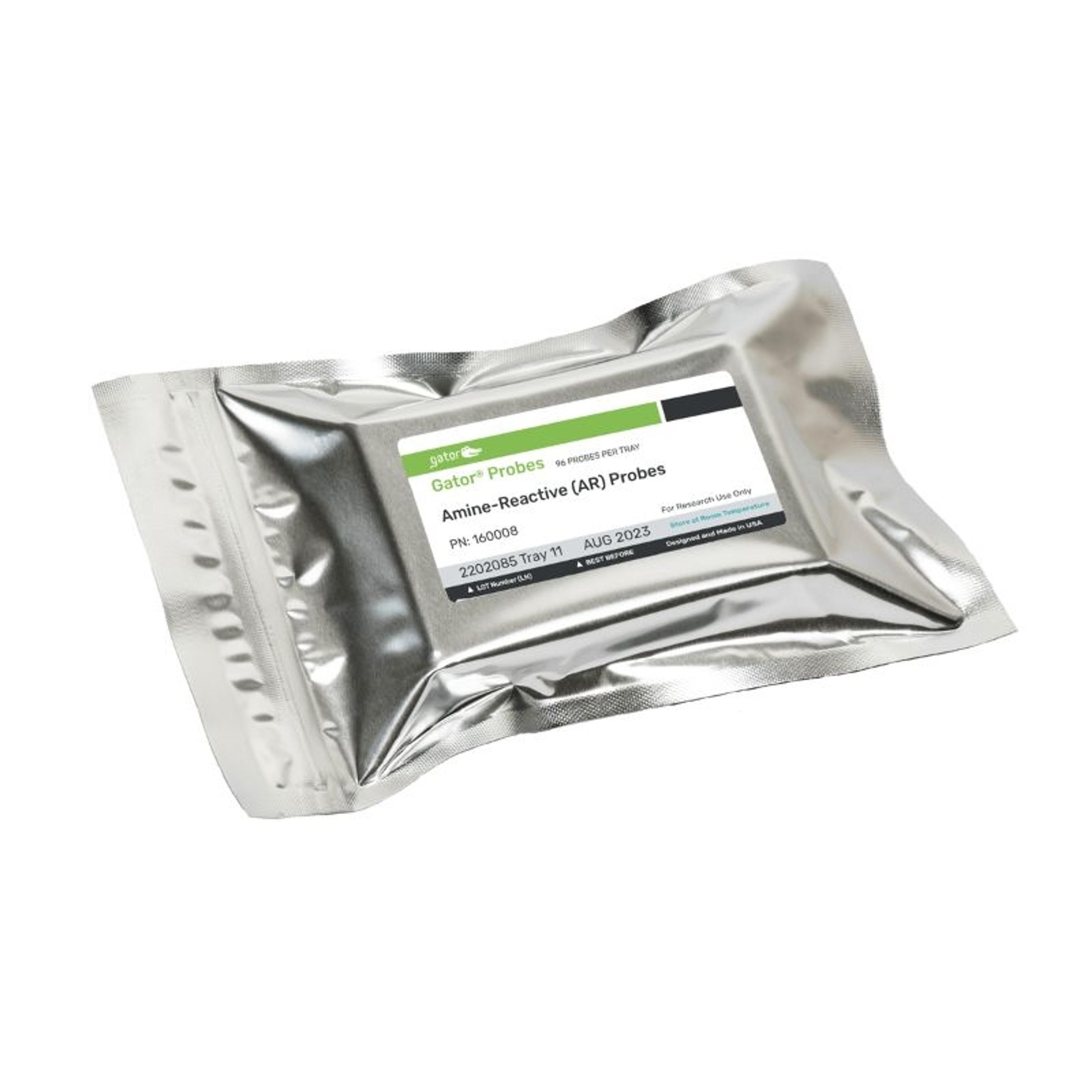
Covalently bonded to amine groups on proteins. Recommended for use in kinetics measurements and indirect quantitation experiments. This biosensor uses EDC/NHS activation and coupling to link proteins.
Used to bind hydrophobic proteins or to create custom-made biosensors.
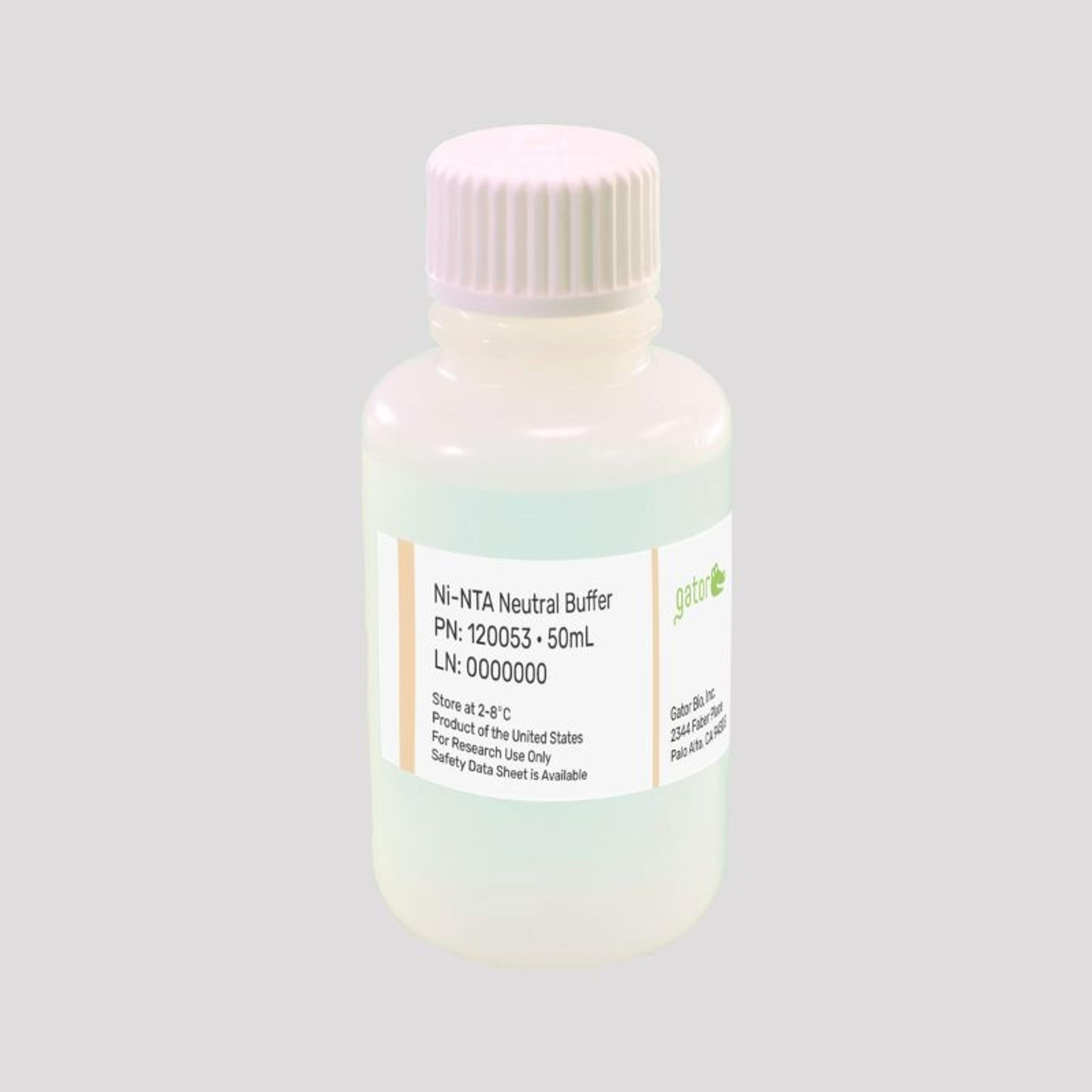
The Gator ® Ni-NTA probes enabler rapid and continuous quantification of His-tagged proteins without the need for Ni2+ recharging. The stable immobilization of His-tagged proteins allows for facile kinetics analysis with binding partners, off-rate screening, and epitope binning of antibodies experiments.
Gator Bio offers many on-demand probes such as Anti-RBD SARS-COV-2; Anti-Rabbit; Anti-Rat; Anti-Flag
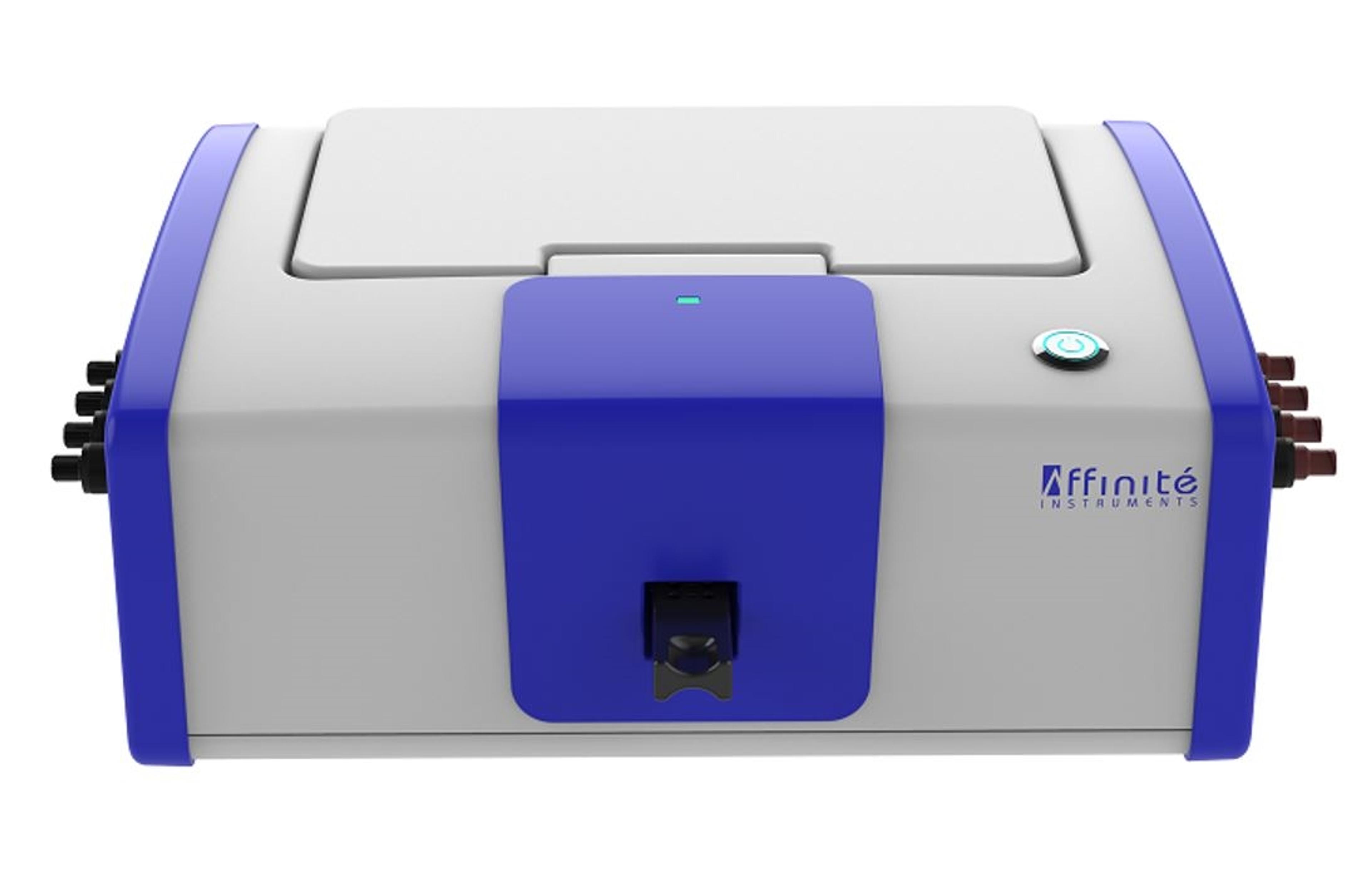
Multichannel Cartridge-Based Benchtop SPR platform for seamless handling of biological or clinical samples.
Custom SPR sensor chips tailored for Affinité Instruments’ P4SPR and qSPR. Range of surface chemistries to choose from (e.g. amine coupling, Ni-NTA).
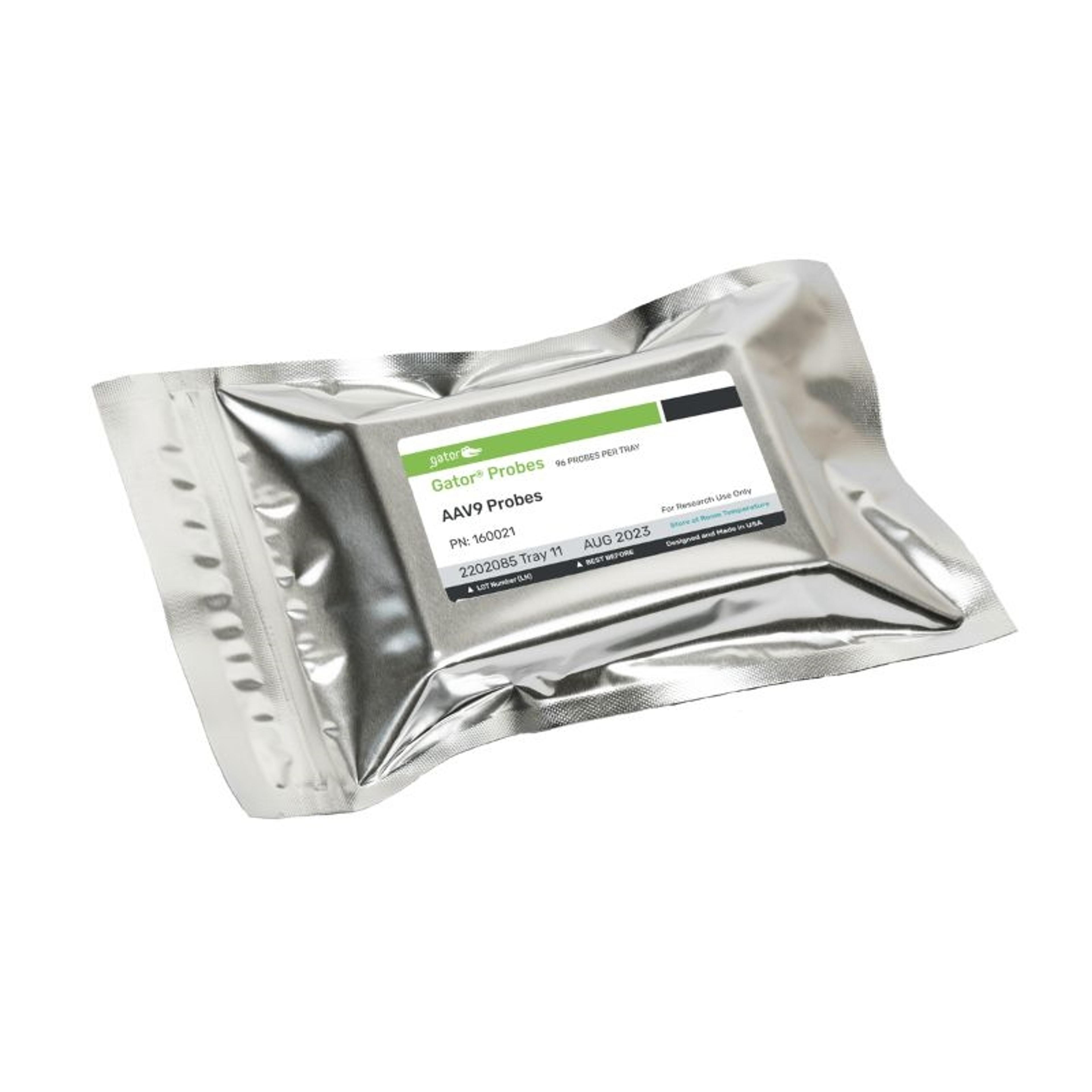
The Gator ® AAV9 Probes are high specificity nanobody-based biosensors that enable direct capture and quantitation of AAV9 in crude lysates, column eluates, cell lysates and cell culture supernatants. The Gator ® AAV9 probe uses proven CaptureSelect™ (Thermo Fisher Scientific) high affinity and high specificity anti-AAV9 nanobody.
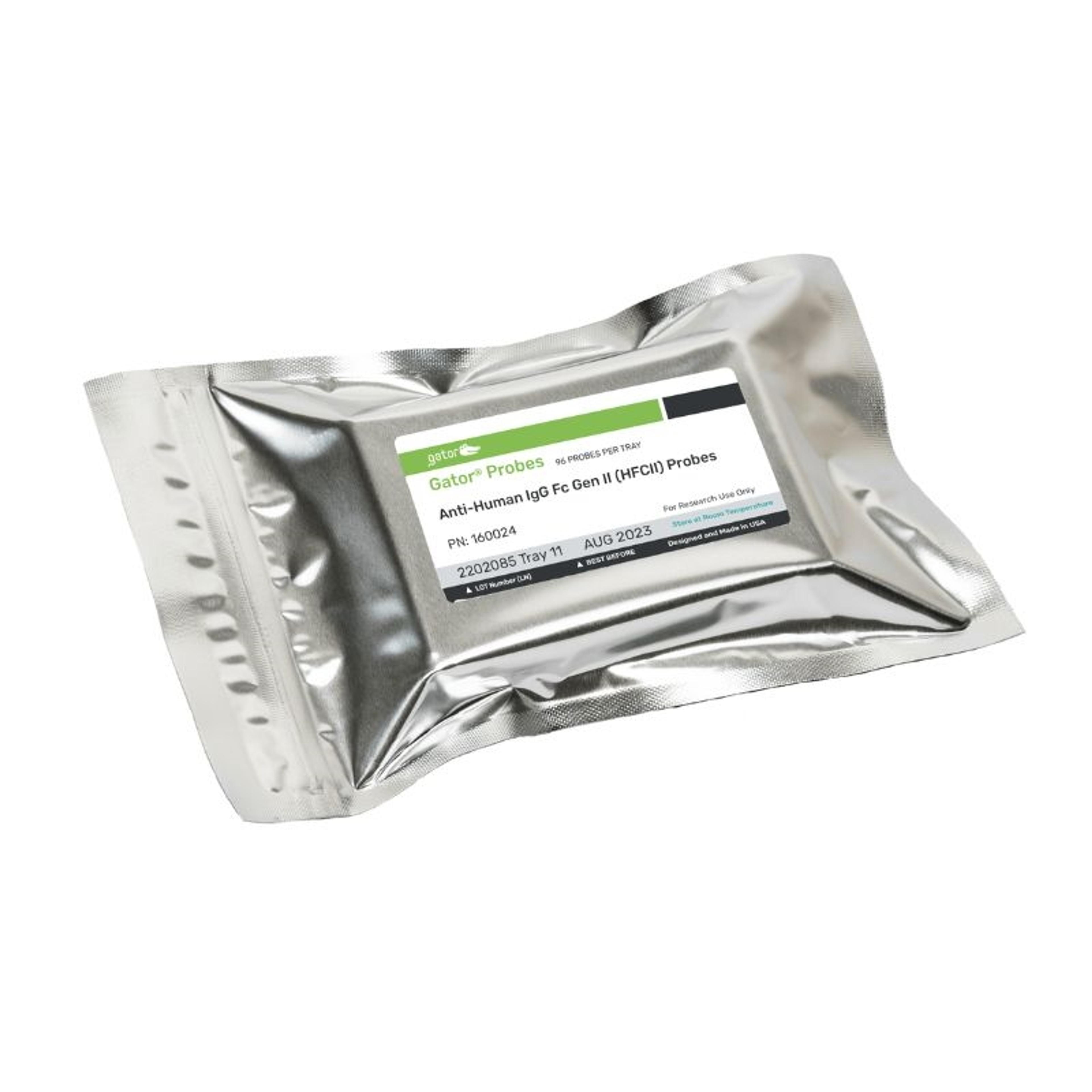
HFCII probes are high-performance nanobody-based biosensors that can detect and quantitate human IgG and its isotypes in different buffers (Q, K), cell culture supernatant, cell media, and other crude samples. Dynamic range: 0.3-6000 µg/mL in Q buffer; 1-2000 µg/mL (in diluted cell culture media).
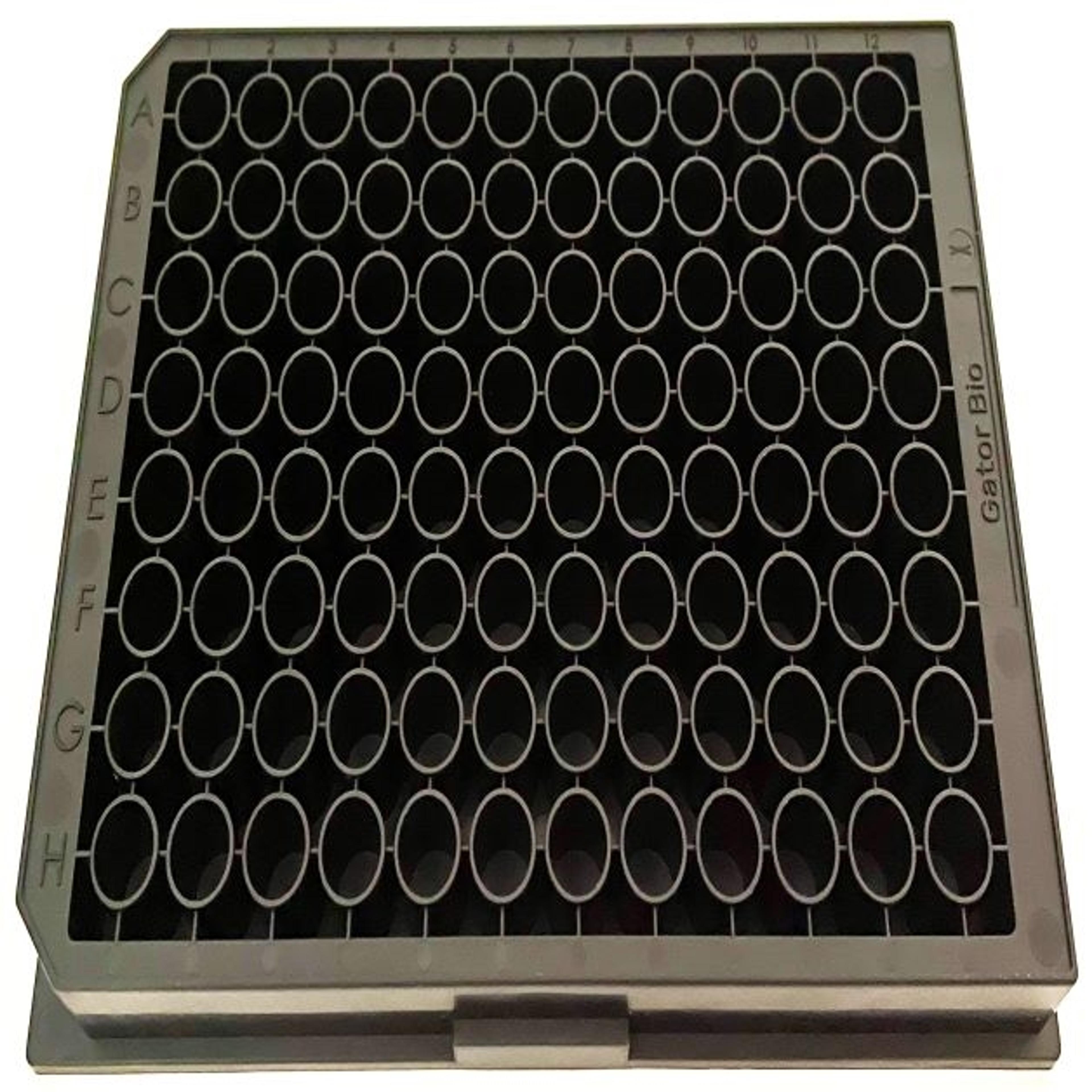
BLI 96-Flat Plate, Polypropylene (10 plates/pack, 10 packs/case)
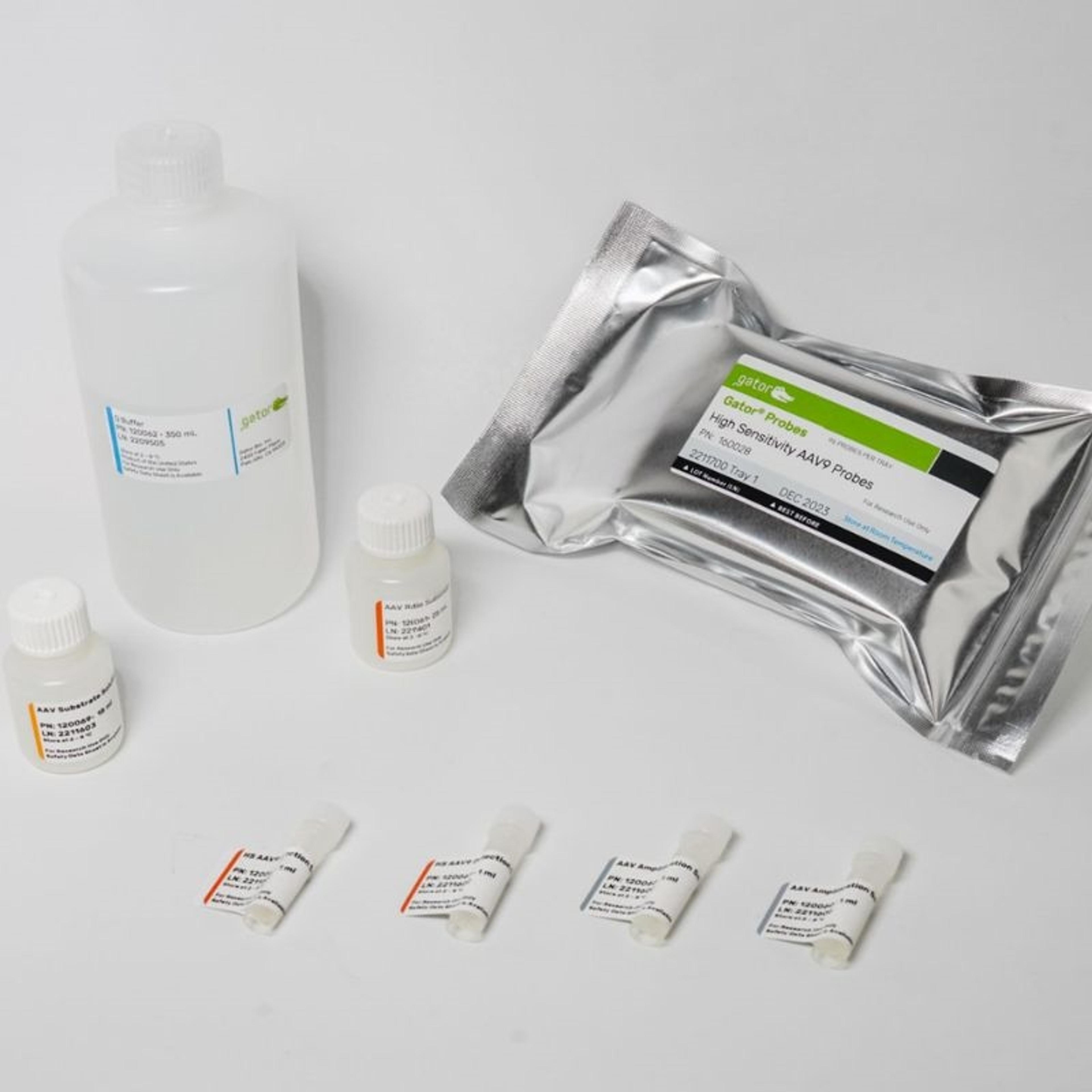
The Gator ® High Sensitivity (HS) AAV9 Kit enable high sensitivity quantification of AAV9 in crude and purified samples. The HS AAV9 Kit includes: HS AAV9 probes (96 probes/tray) HS AAV9 Detection Solution AAV Amplification Solution AAV Substrate Solution AAV Substrate Diluent Q Buffer ** Contains temperature sensitive components. Must be shipped overnight. ** *Not compatible with Gator ® AAV9 probe (Part No. 160021)