ProductsLife Sciences
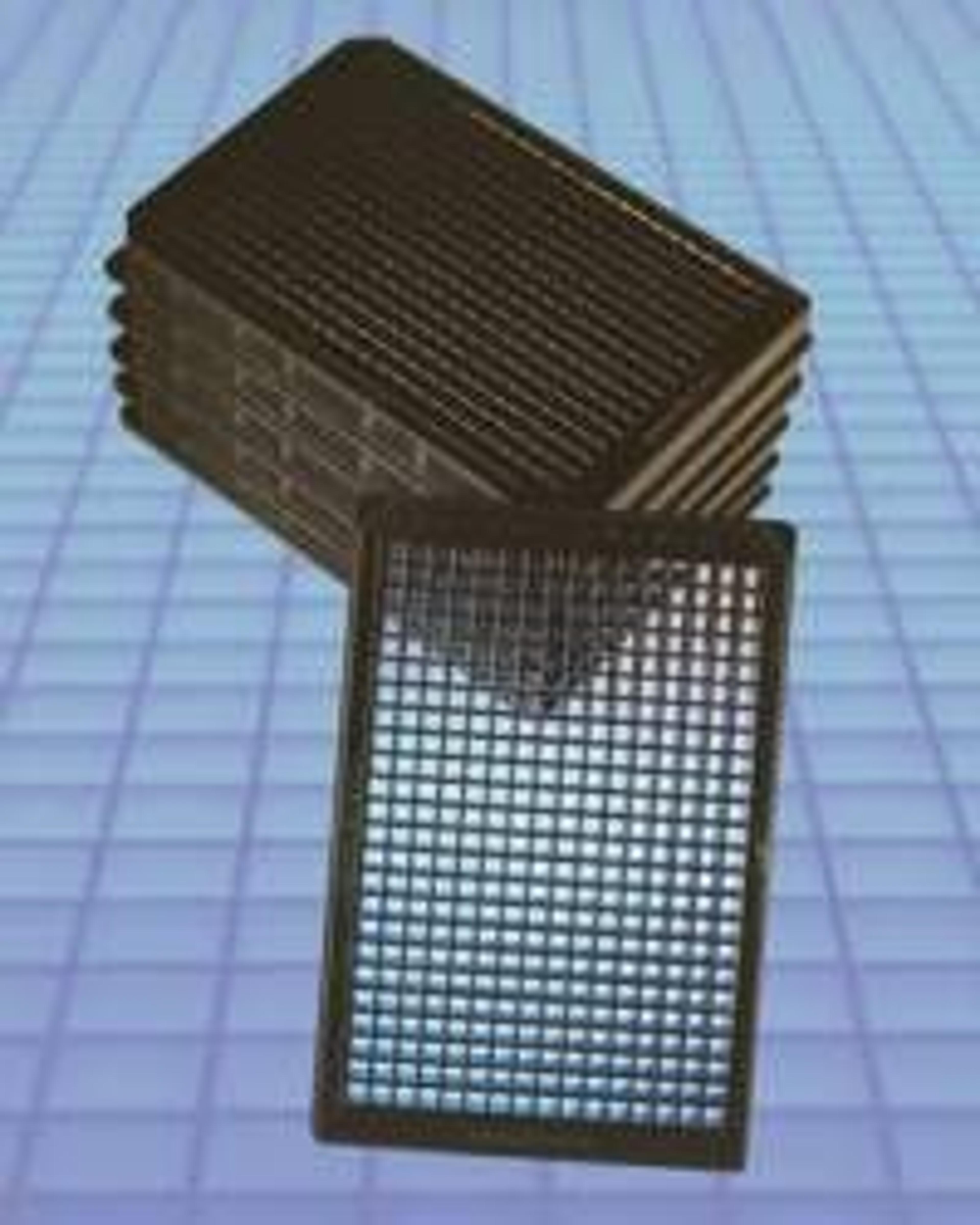
Nexcelom3D 384-well Ultra-low attachment treated round bottom multi-well plates
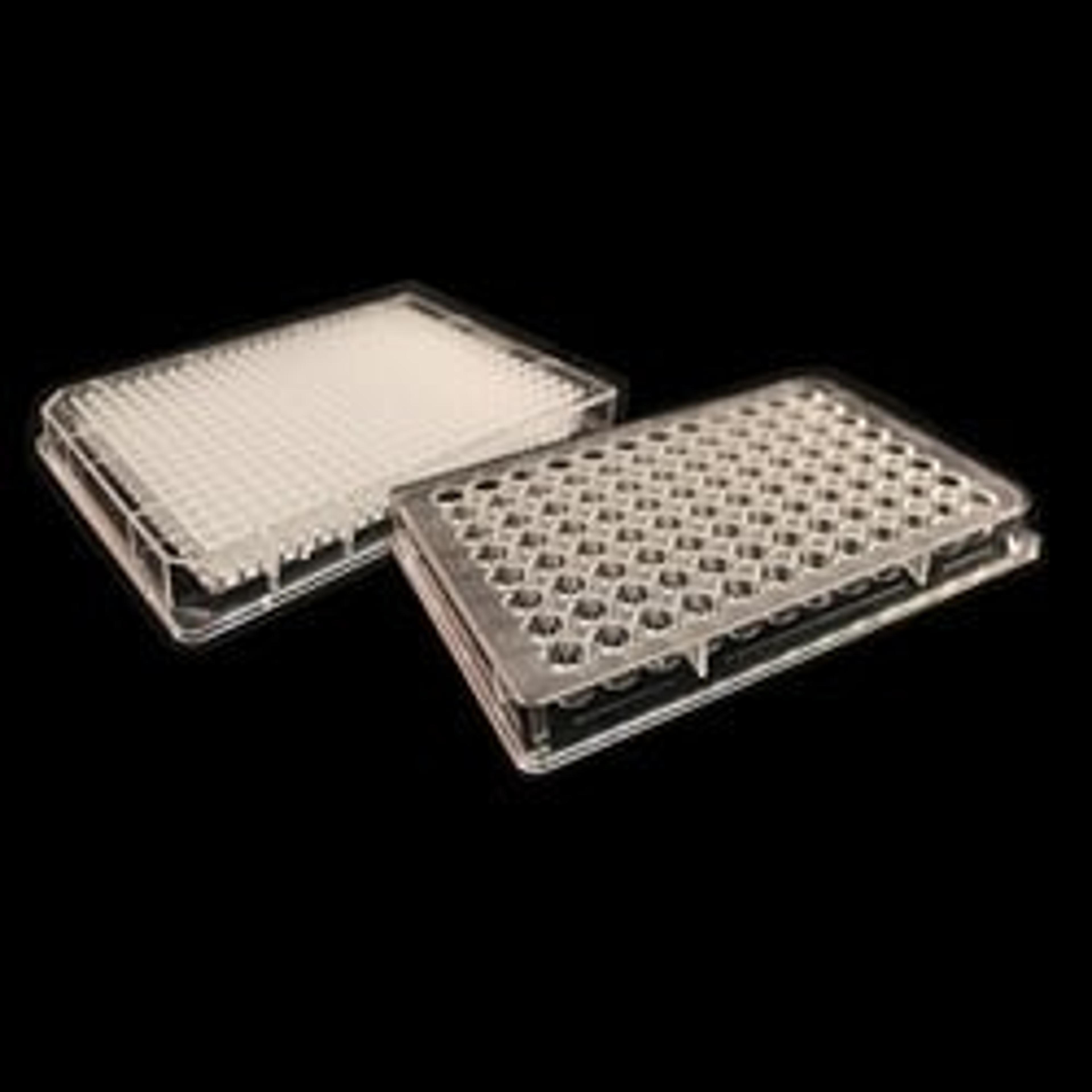
ULA microwell plate for 3D culture and measurement

ULA microwell plate for 3D culture and measurement
Bottom surface options: 0.72 or 0.17mm glass (custom available on request) and clear quartz. Glass bottom plates are scratch resistant. Glass bottom plates are microbubble resistant Black polystyrene upper microplate structure. Applications include fluorescence assays such as laser-induced fluorescence (LIF), Fluorescence Correlation Spectroscopy (FCS); and Nephelometry. Ideal for cell-based assays using Scanning and Confocal…
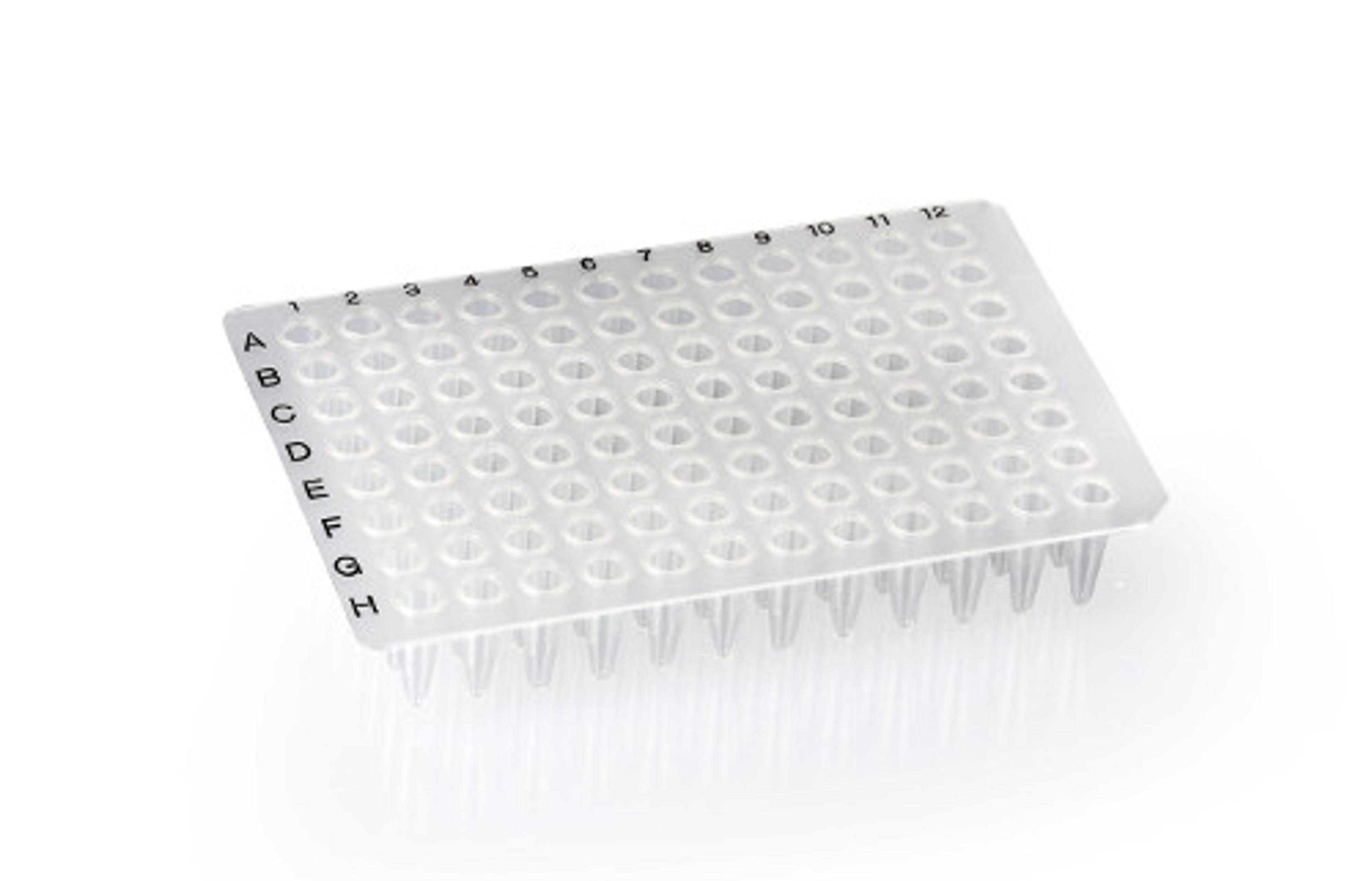
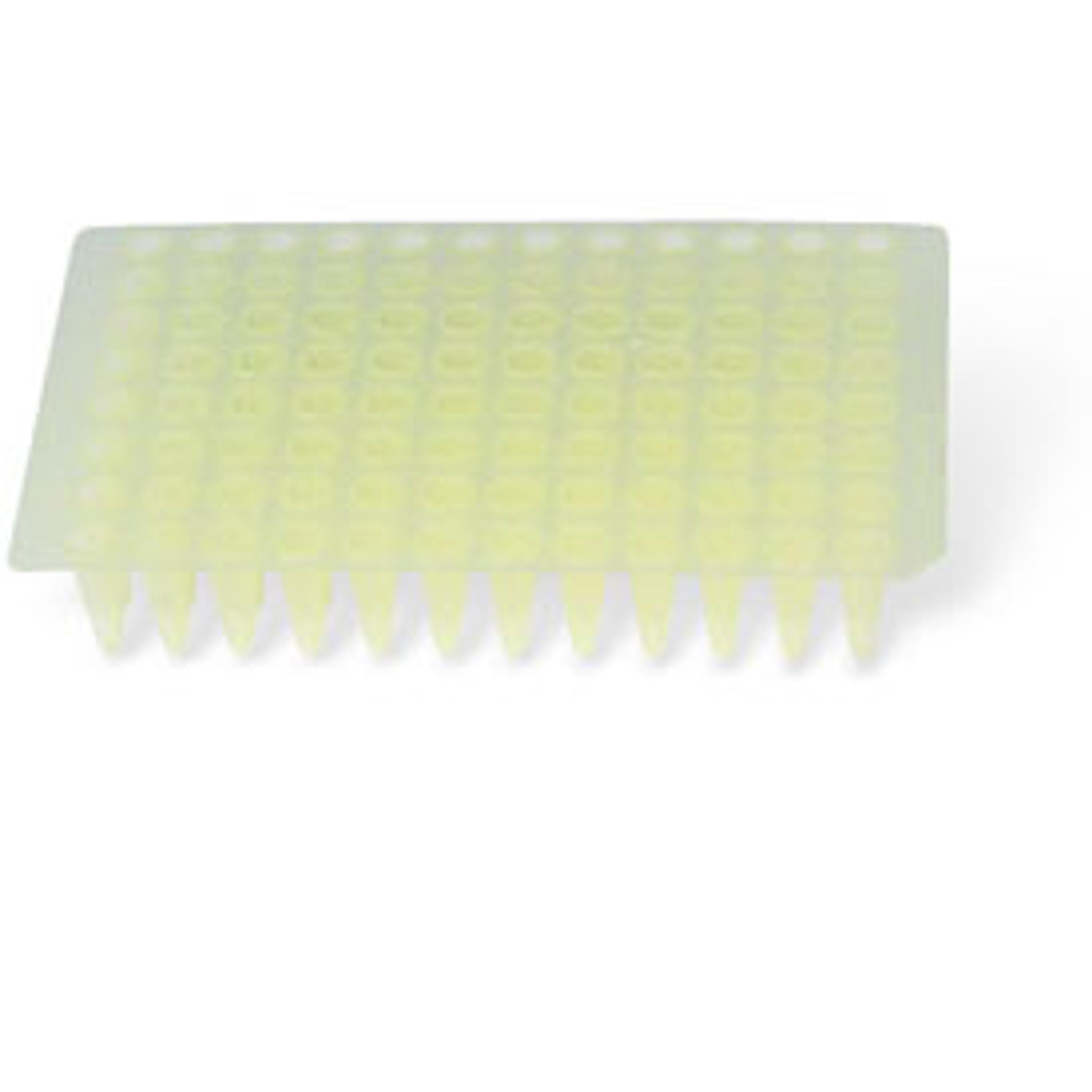
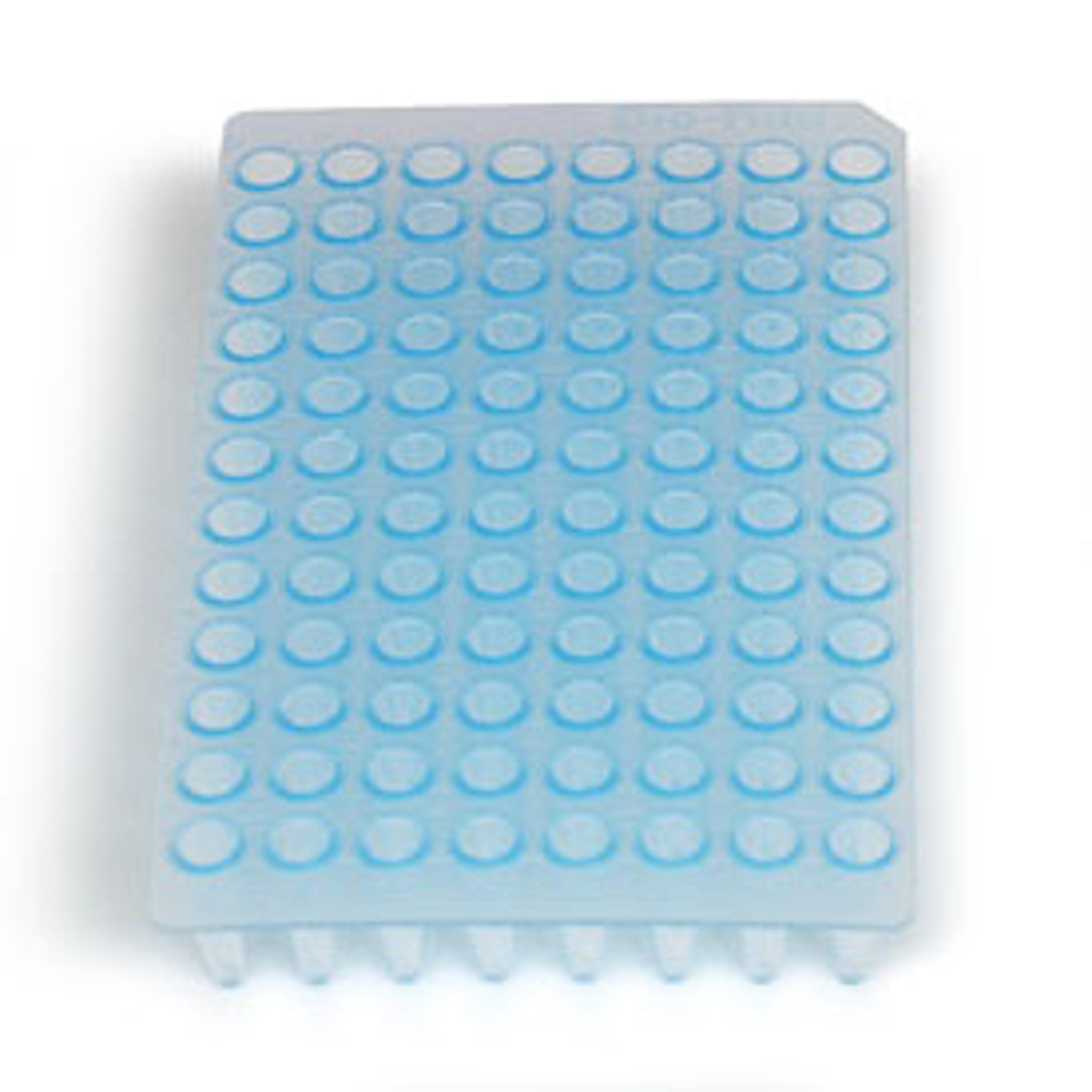
Thin walled 96 Well PCR Plate for optimal heat transfer during PCR
sciREADER - high quality digital imaging of colorimetric and fluorescent assays
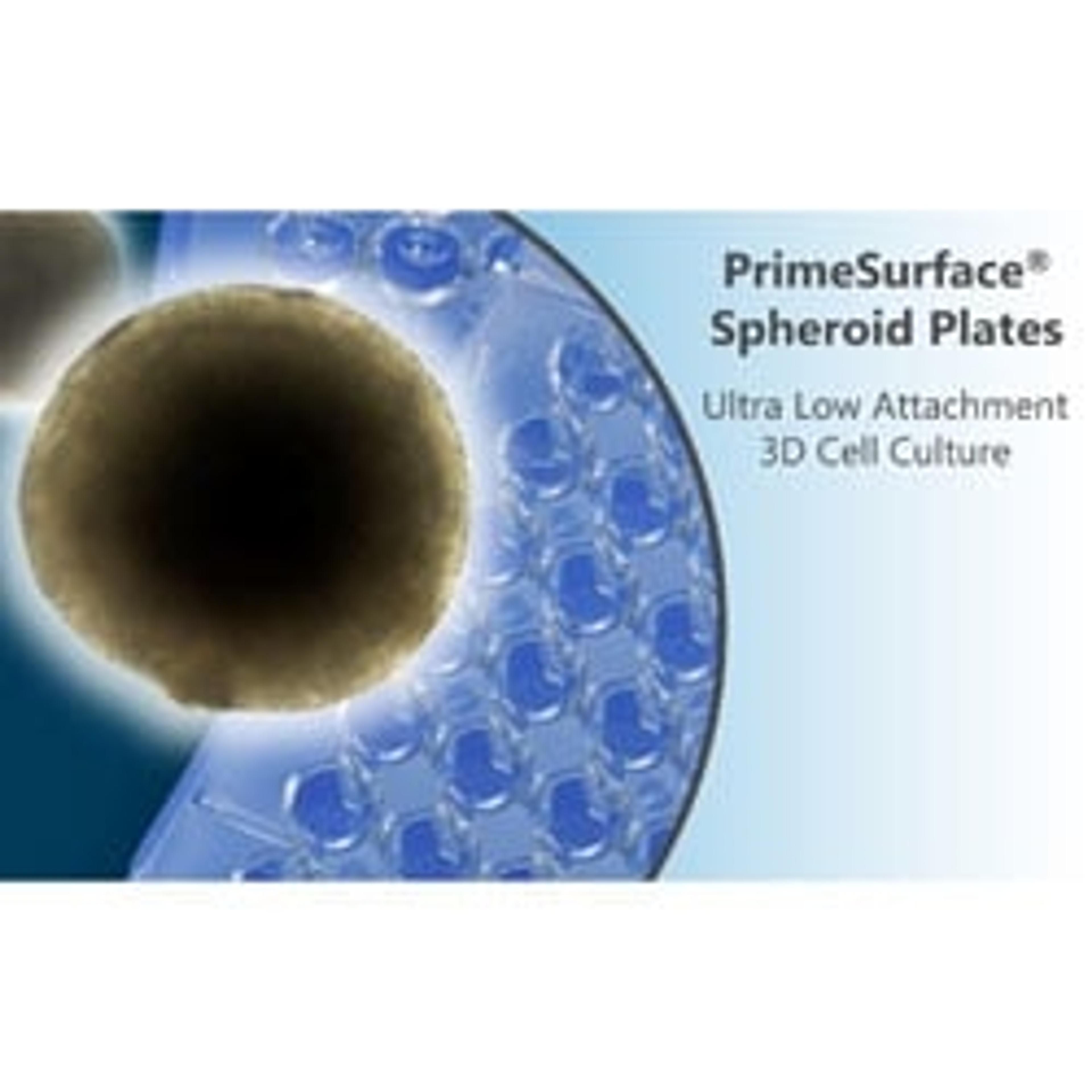
Grow Uniform Spheroids with Ultra-low Attachment PrimeSurface® Cell Culture Plate
Grow Uniform Spheroids with Ultra-low Attachment PrimeSurface® Cell Culture Plate
Grow Uniform Spheroids with Ultra-low Attachment PrimeSurface® Cell Culture Plate
Grow Uniform Spheroids with Ultra-low Attachment PrimeSurface® Cell Culture Plate
Grow Uniform Spheroids with Ultra-low Attachment PrimeSurface® Cell Culture Plate
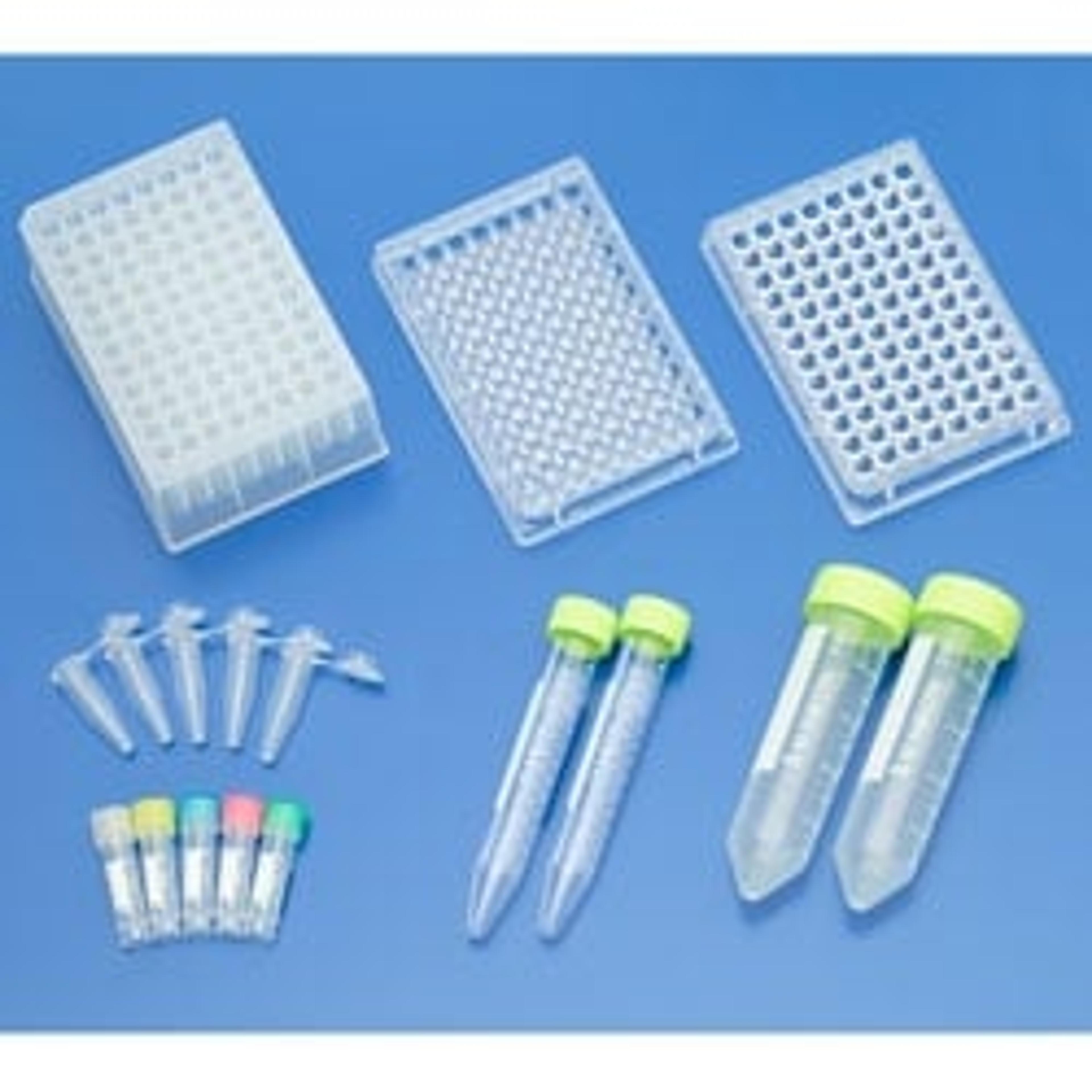
Protein Low-binding Labware PROTEOSAVE™ series offer unique advantage over regular polypropylene or polystyrene tubes in reducing sample loss by preventing non-specific binding of sample (proetins, peptide, cells) to the plastic surface.
Protein Low-binding Labware PROTEOSAVE™ series offer unique advantage over regular polypropylene or polystyrene tubes in reducing sample loss by preventing non-specific binding of sample (proetins, peptide, cells) to the plastic surface.
Protein Low-binding Labware PROTEOSAVE™ series offer unique advantage over regular polypropylene or polystyrene tubes in reducing sample loss by preventing non-specific binding of sample (proetins, peptide, cells) to the plastic surface.
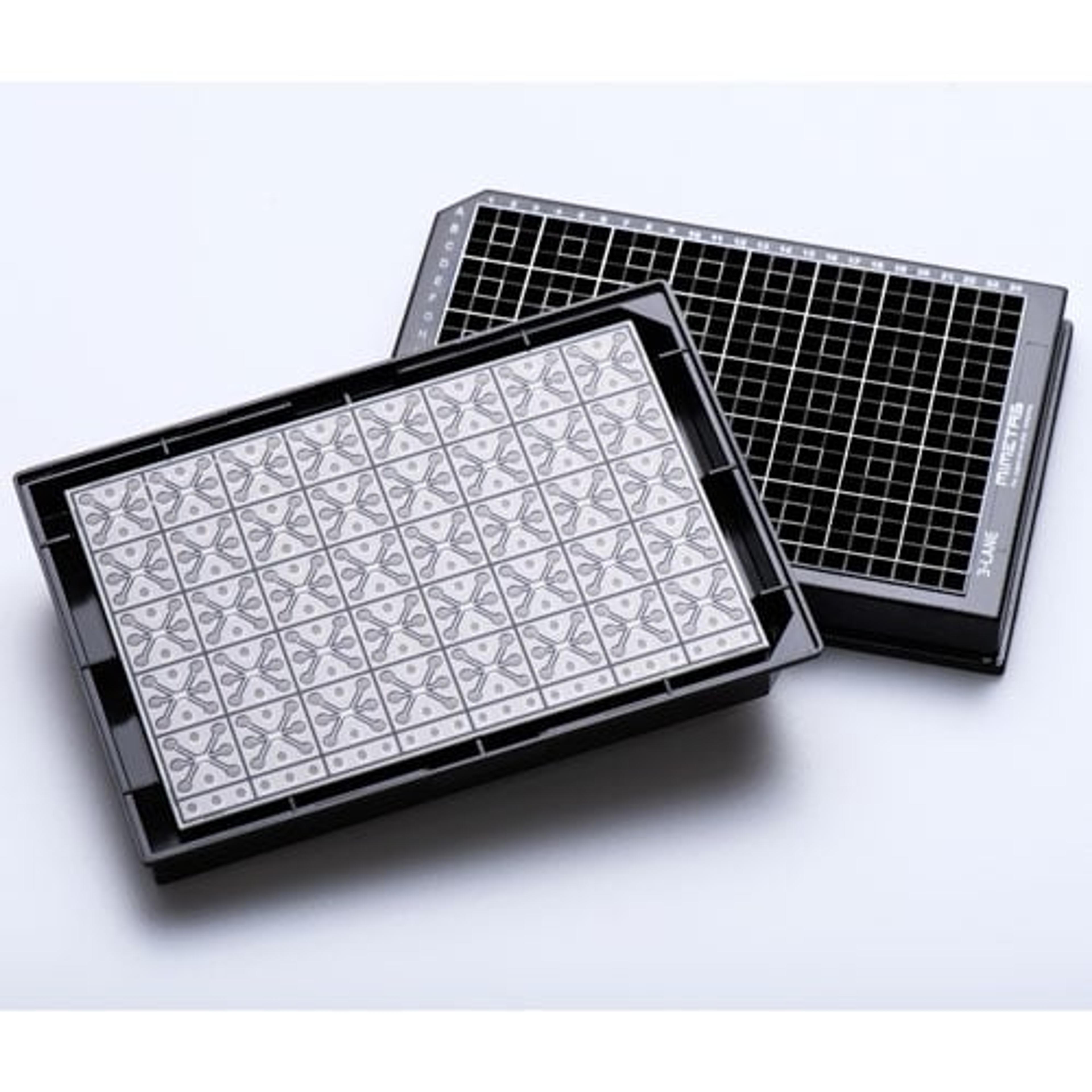
The OrganoPlate 3-lane features 40 independent culture cells, each supporting adjacent in-gel culture and 2 perfusion channels, that can contain perfused tubular tissues. The 3-lane models supports apical and basal access to epithelial and endothelial tubules, allowing barrier integrity and transport assays. The lanes are 400 micron wide. Six wells of the 384-well-plate user interface connect to each microfluidic network in…
A new design of ultra-low attachment 3D plate to facilitate easy handling of media exchange without disturbing spheroid formation
Chemiluminescent assays often outperform analogous fluorescent assays due to its’ low background offering a high signal to noise ratio, thus providing higher assay sensitivity. Spheroid tumor cells are typically generated using ULA plates and other 3D cell culturing methods, however transferring them without damaging the spheroids to a 2D white plate for luminescent assay screening can be challenging. Using PrimeSurface® 9…
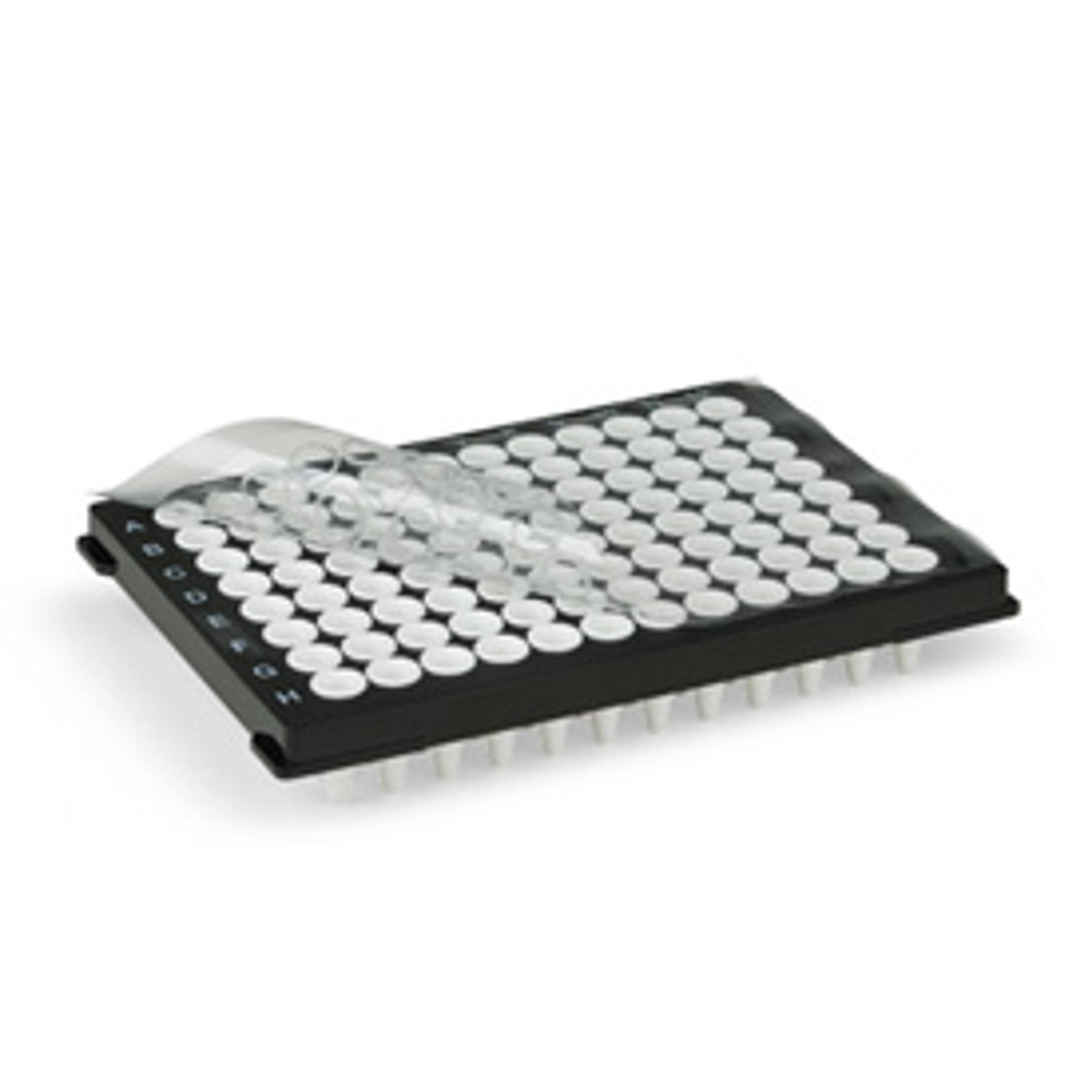
Pkg of 100, optically clear seals for PCR and real-time PCR applications, for use with PX1 PCR Plate Sealer
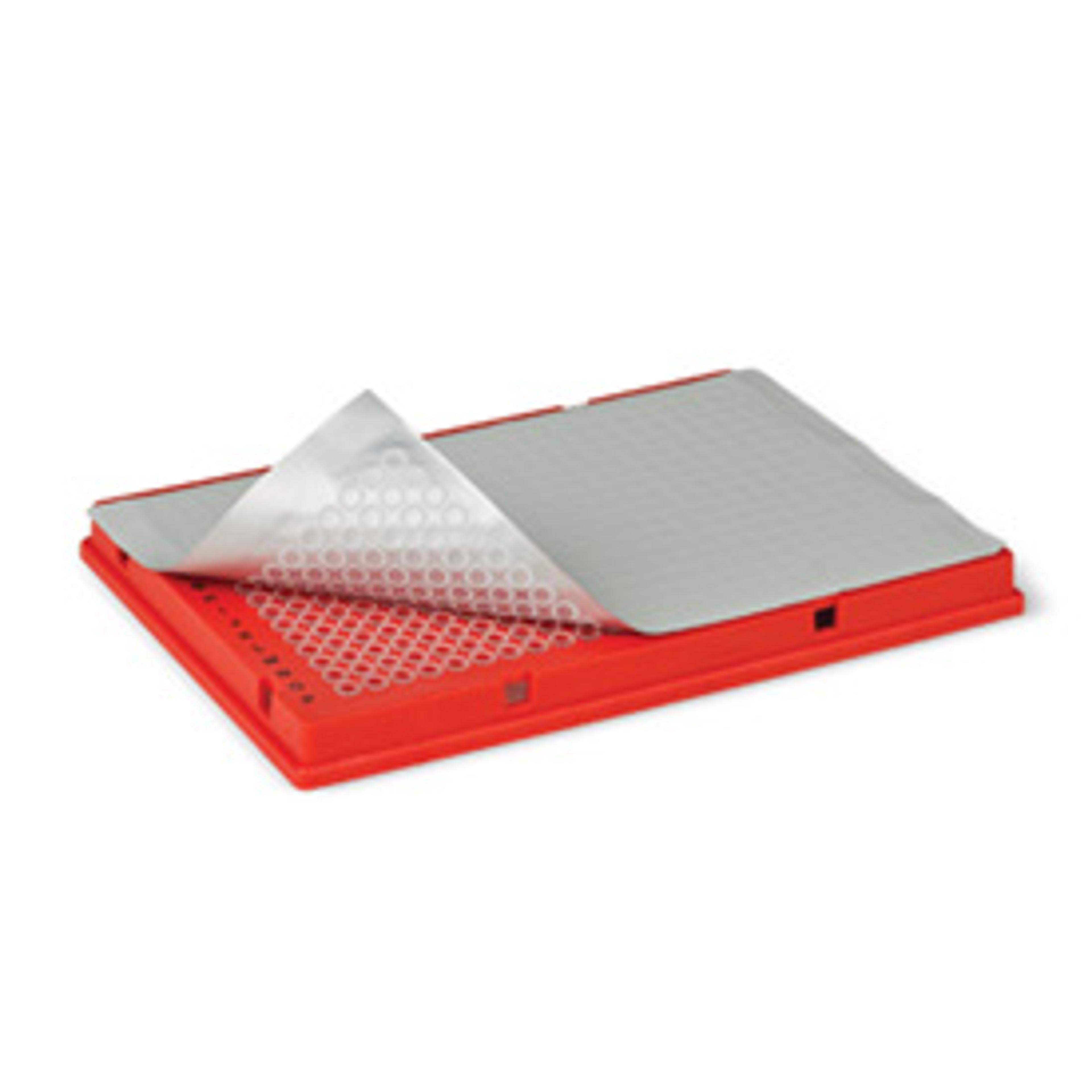
Pkg of 100, laminate/foil peelable seals for PCR and sample storage, for use with PX1 PCR Plate Sealer
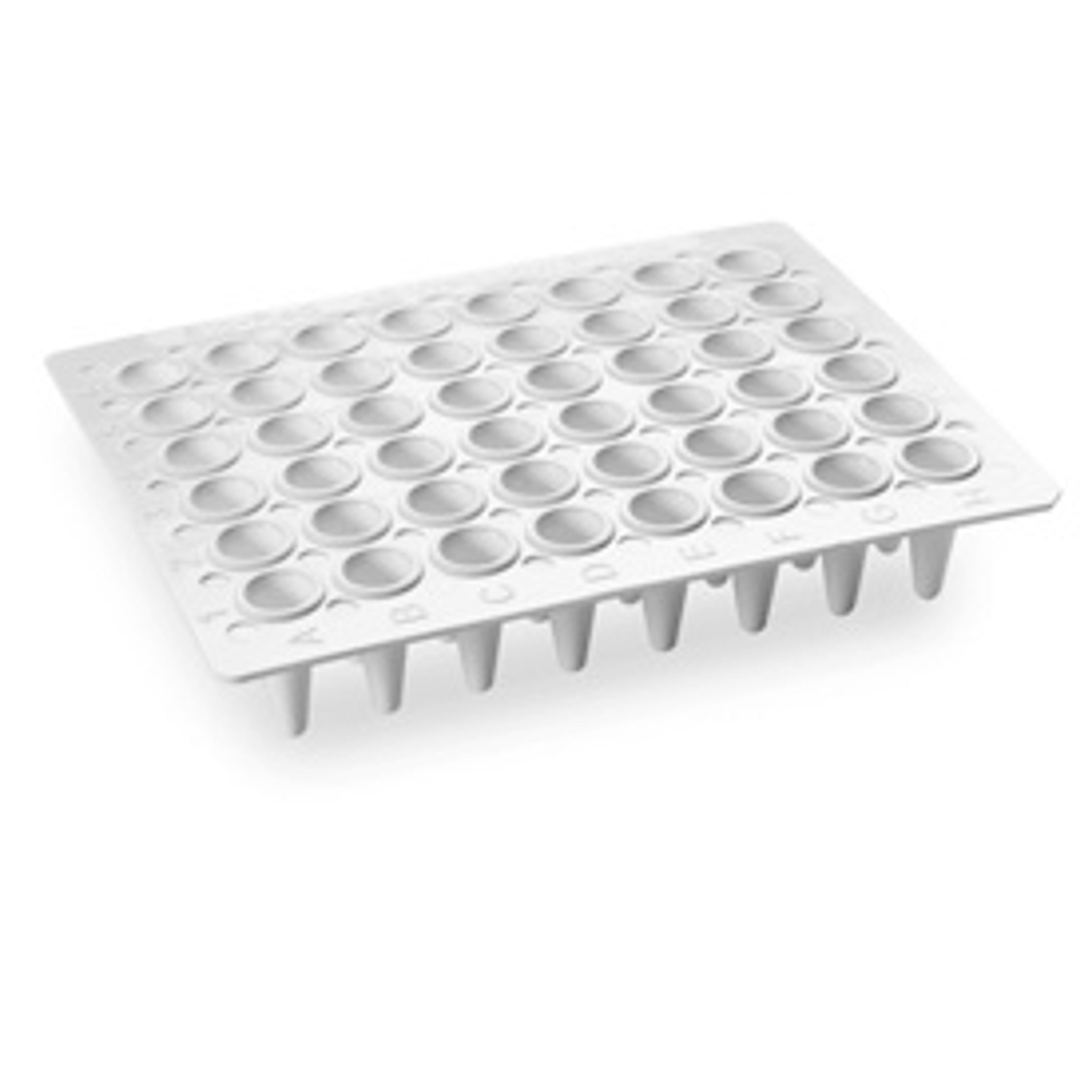
Pkg of 50, white PCR plate, 8 x 6 format, one-component polypropylene, can be cut for fewer samples
Pkg of 25, pink PCR plate, one-component polypropylene, can be cut for fewer samples
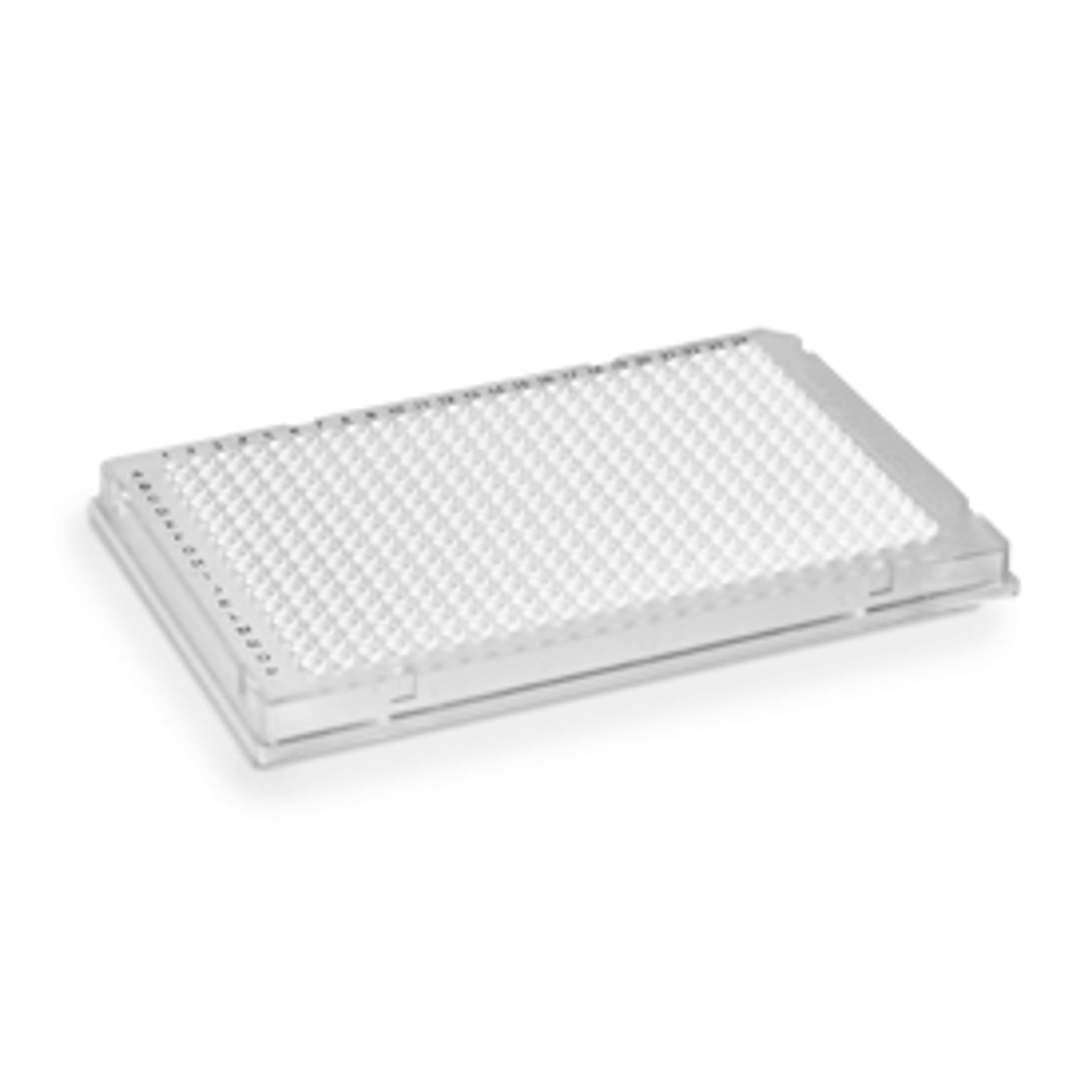
Pkg of 50, clear shell/white well PCR plate for higher fluorescent signals, rigid 2-component design
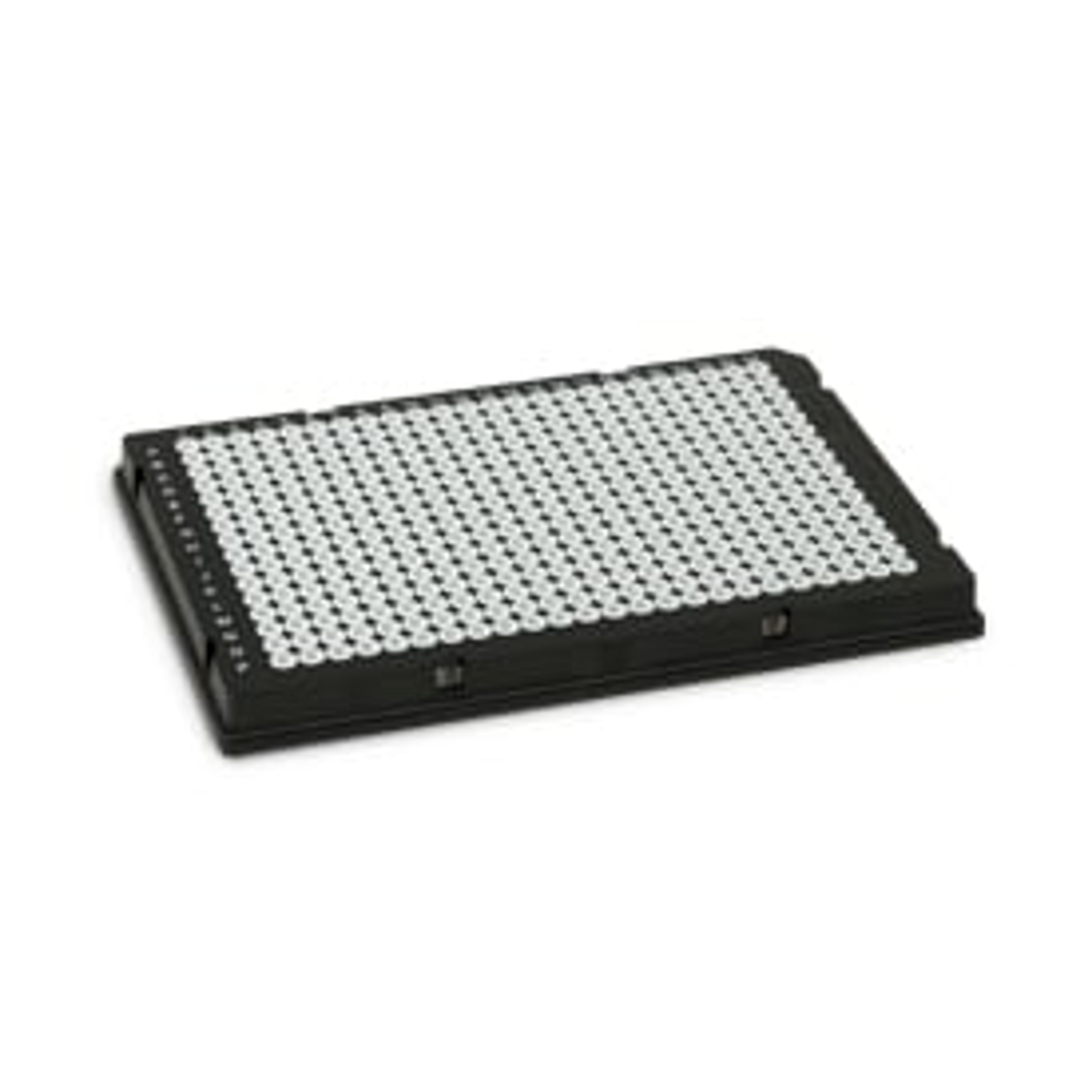
Pkg of 50, black shell/white well PCR plate for higher fluorescent signals, rigid 2-component design
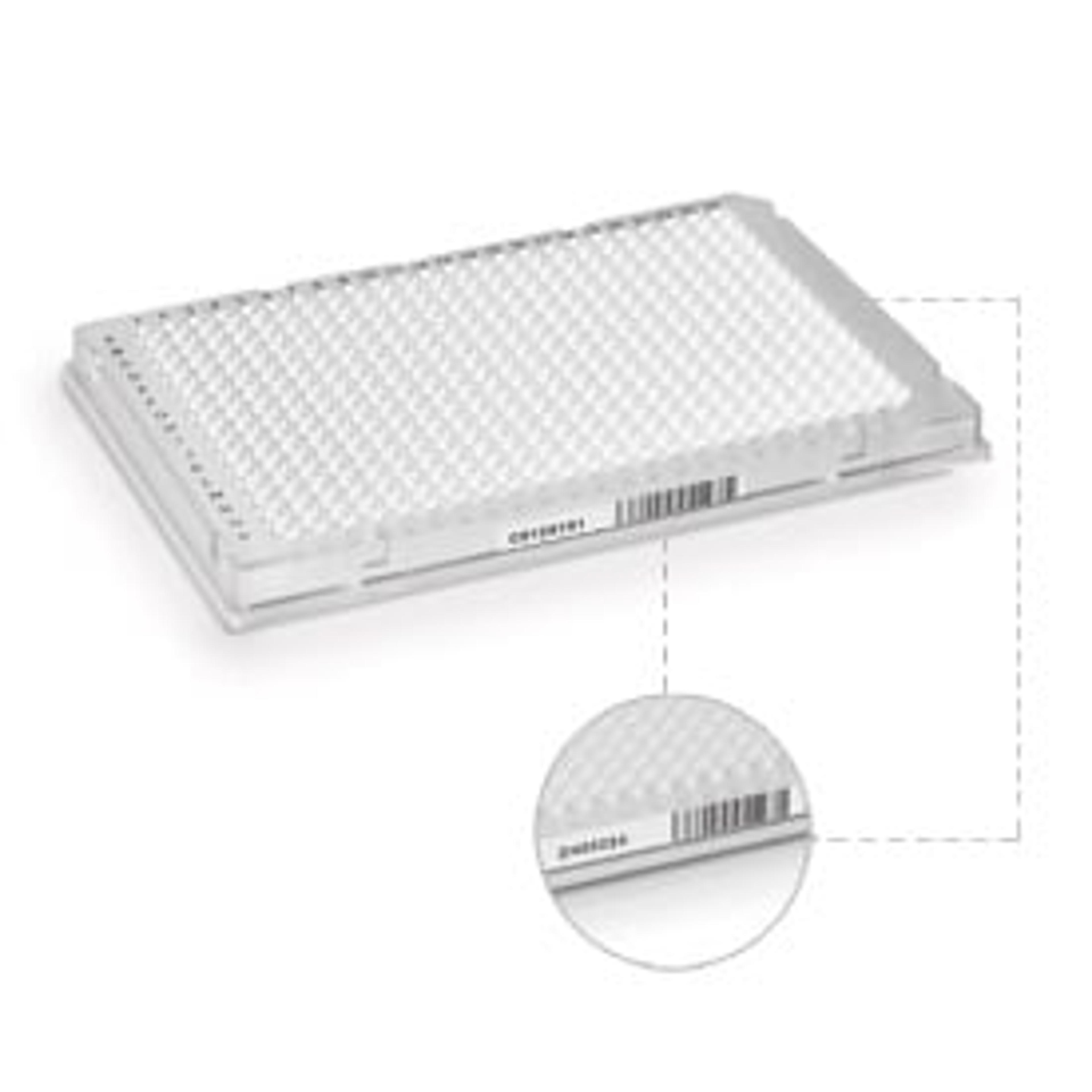
Pkg of 50, clear shell/white well PCR plate for higher fluorescent signals, bar-coded, rigid 2-component design
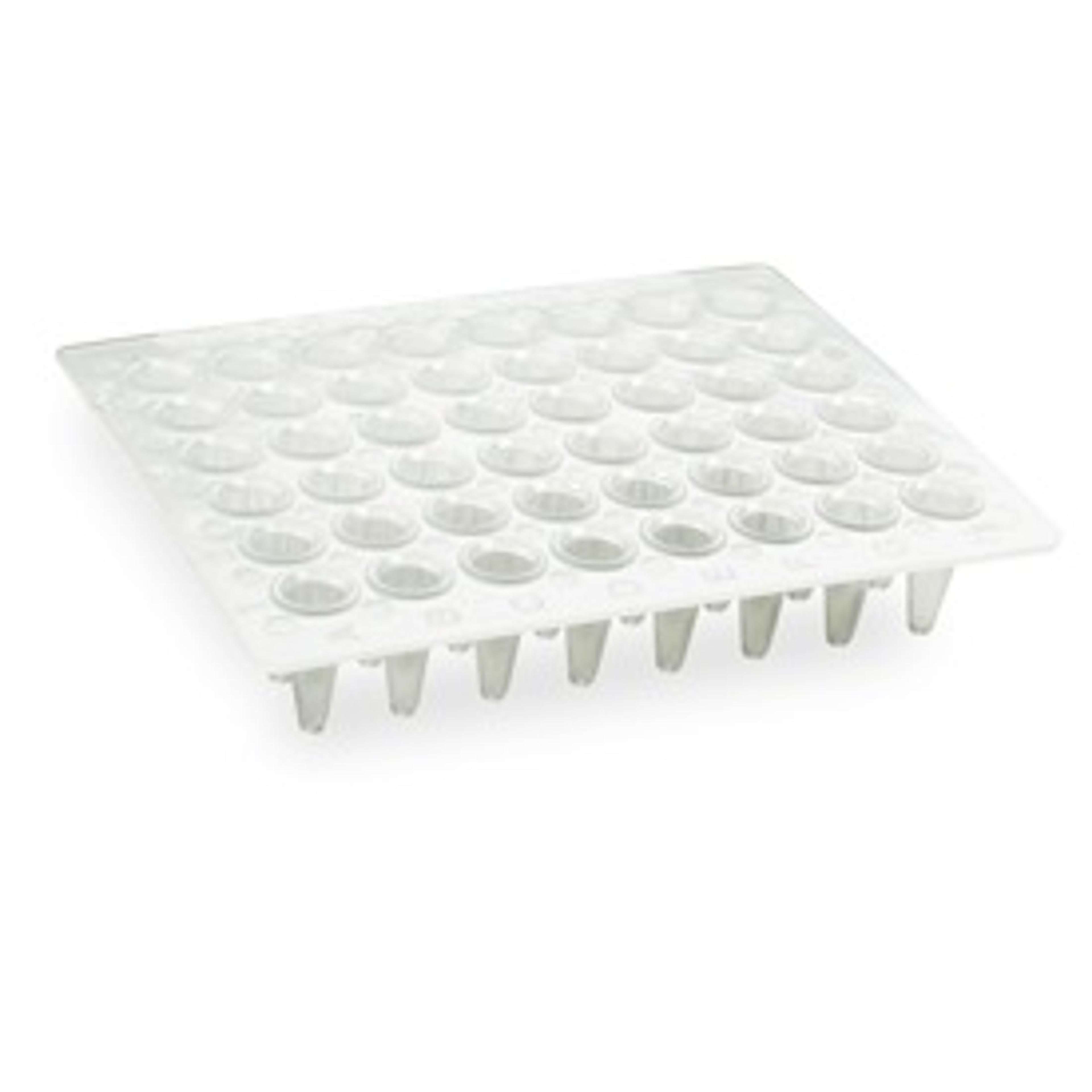
Pkg of 50, natural PCR plate, 8 x 6 format, one-component polypropylene, can be cut for fewer samples
Pkg of 25, yellow PCR plate, one-component polypropylene, can be cut for fewer samples
Pkg of 25, blue PCR plate, one-component polypropylene, can be cut for fewer samples