
ADME-Toxicology Products & Reviews
25
Selected Filters:
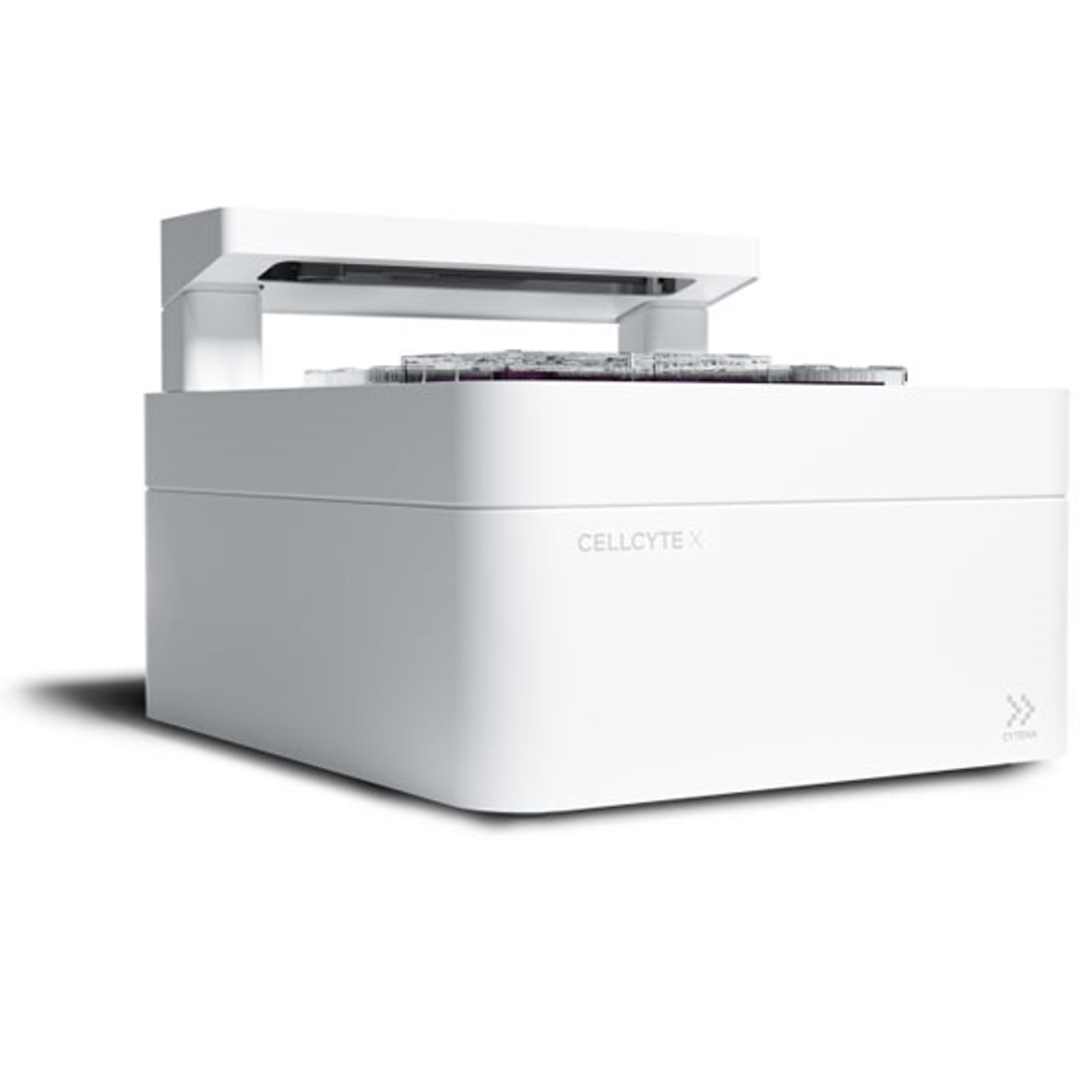

Caco-2 Cells
MerckEnable assessment of drug transport by comparison between the wild-type (WT) and knockout cell lines
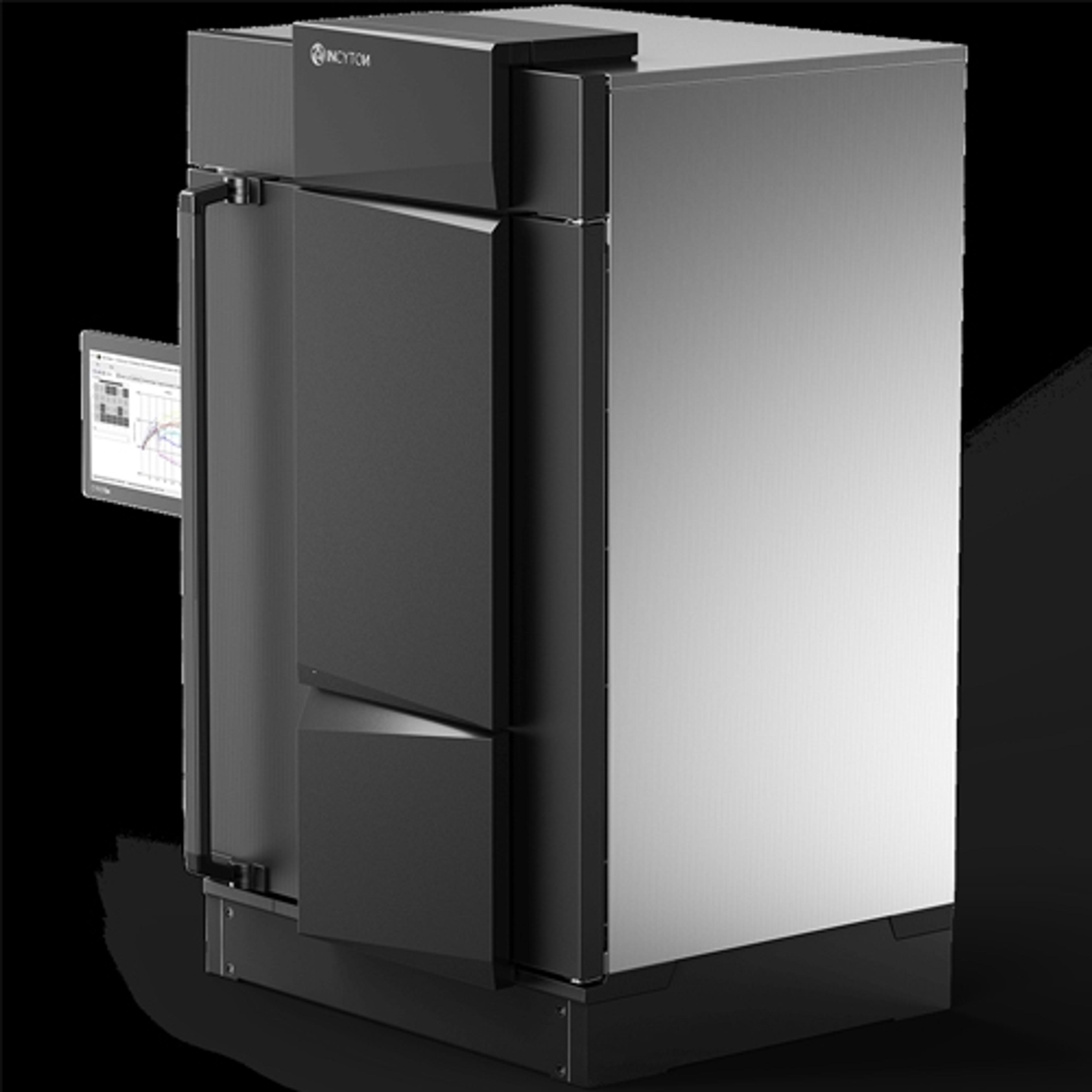
CYRIS flox
INCYTON GmbHCYRIS monitors and analyzes several key cellular parameters in real-time and label-free. Cell viability, metabolism, and morphology can be screened in a fully automated and atmosphere-controlled environment. The incubator integrated solution measures oxygen, pH, and cellular impedance in a multiwell plate and makes through a digital inverse microscope phase-contrast like live-cell images.

Rodent Cardiovascular Telemetry
InotivRadio-telemetry monitoring of blood pressure, heart rate, ECG, temperature, activity
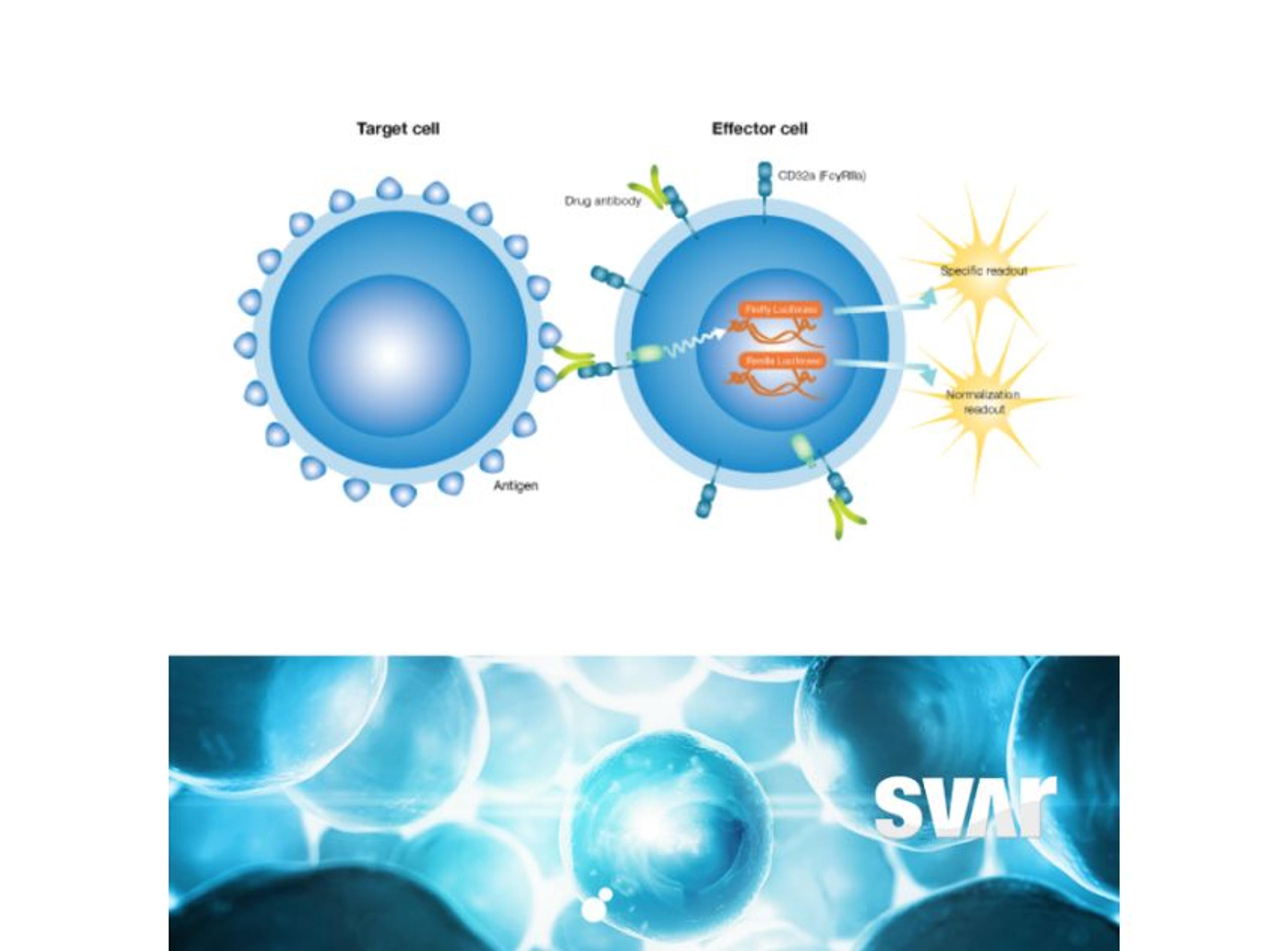
iLite® ADCC Bioassays
Svar Life Science ABA biologically relevant and powerful way to assess CD32/FcyRlla induced effects.
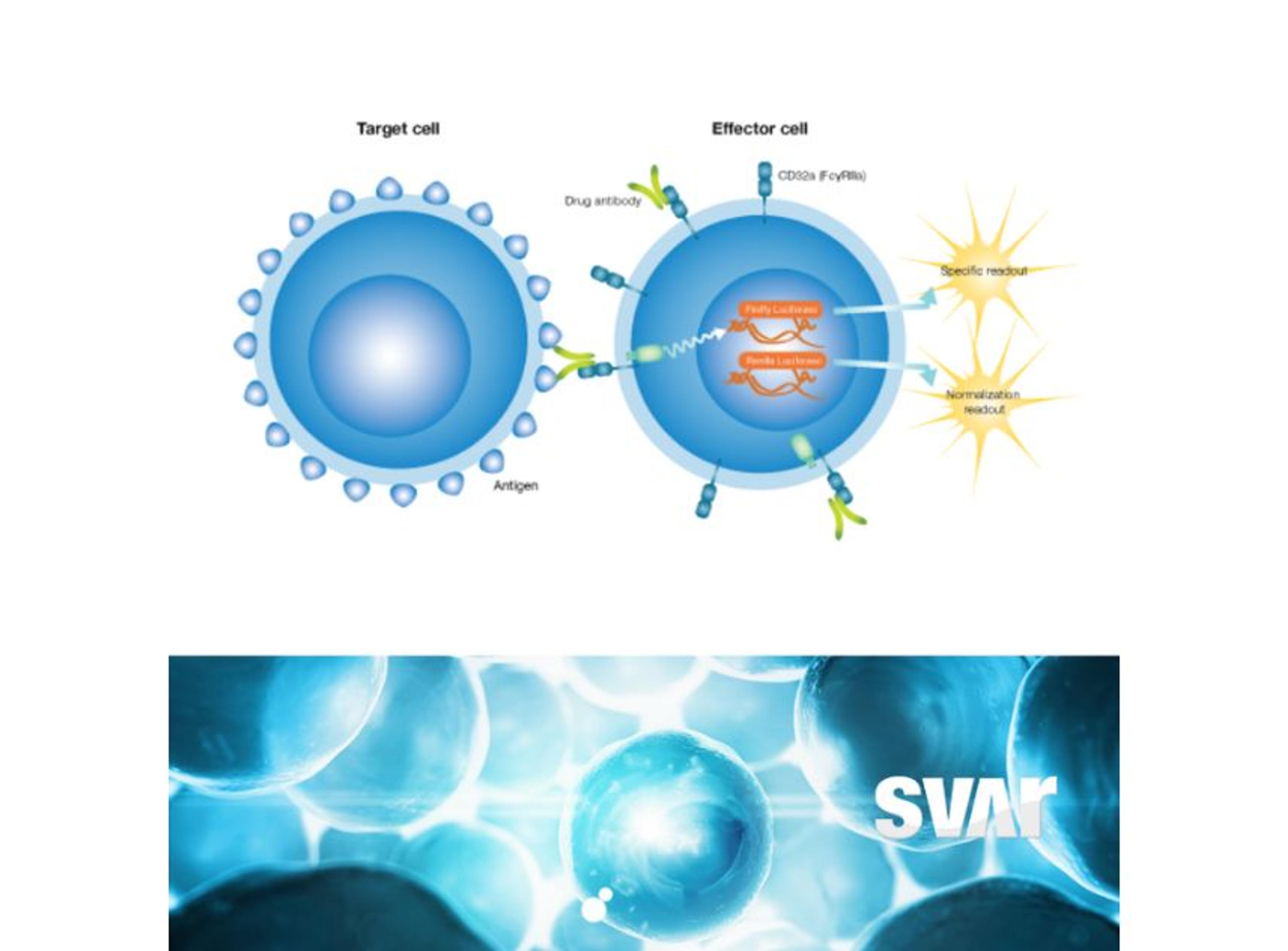
iLite® ADCP Bioassays
Svar Life Science ABA biologically relevant and powerful way to assess CD32/FcyRlla induced effects.
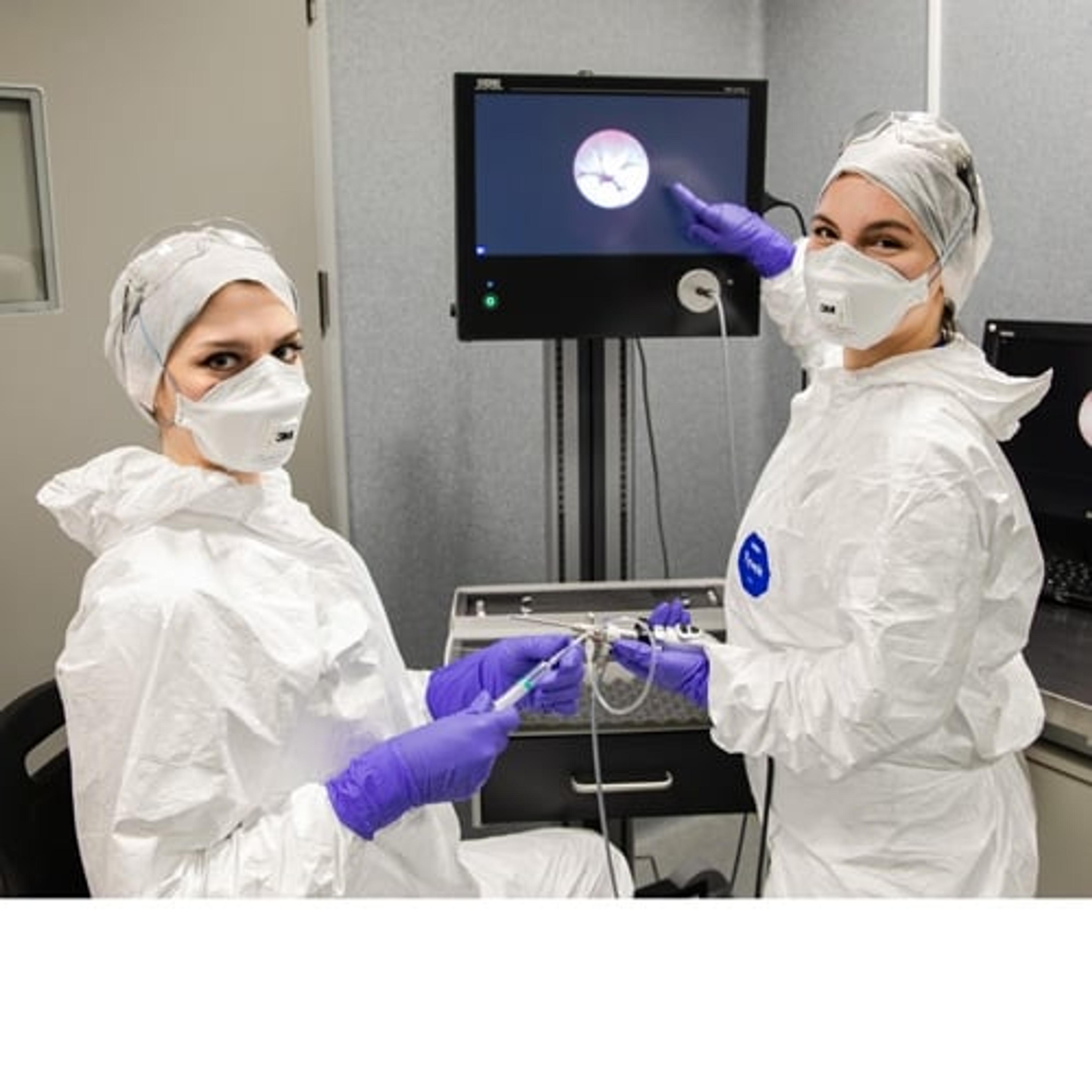
In vivo pharmacology and toxicology
SelvitaSelvita’s in vivo team has long standing experience in the areas of infection, inflammation and fibrosis and has contributed to numerous preclinical and clinical candidates. Over 60 animal models in mice, rats, and rabbits are fully characterized and validated with clinically relevant pharmacological controls whereas in-depth expertise in translational biomarker selection and validation gives confidence in the smooth transi…
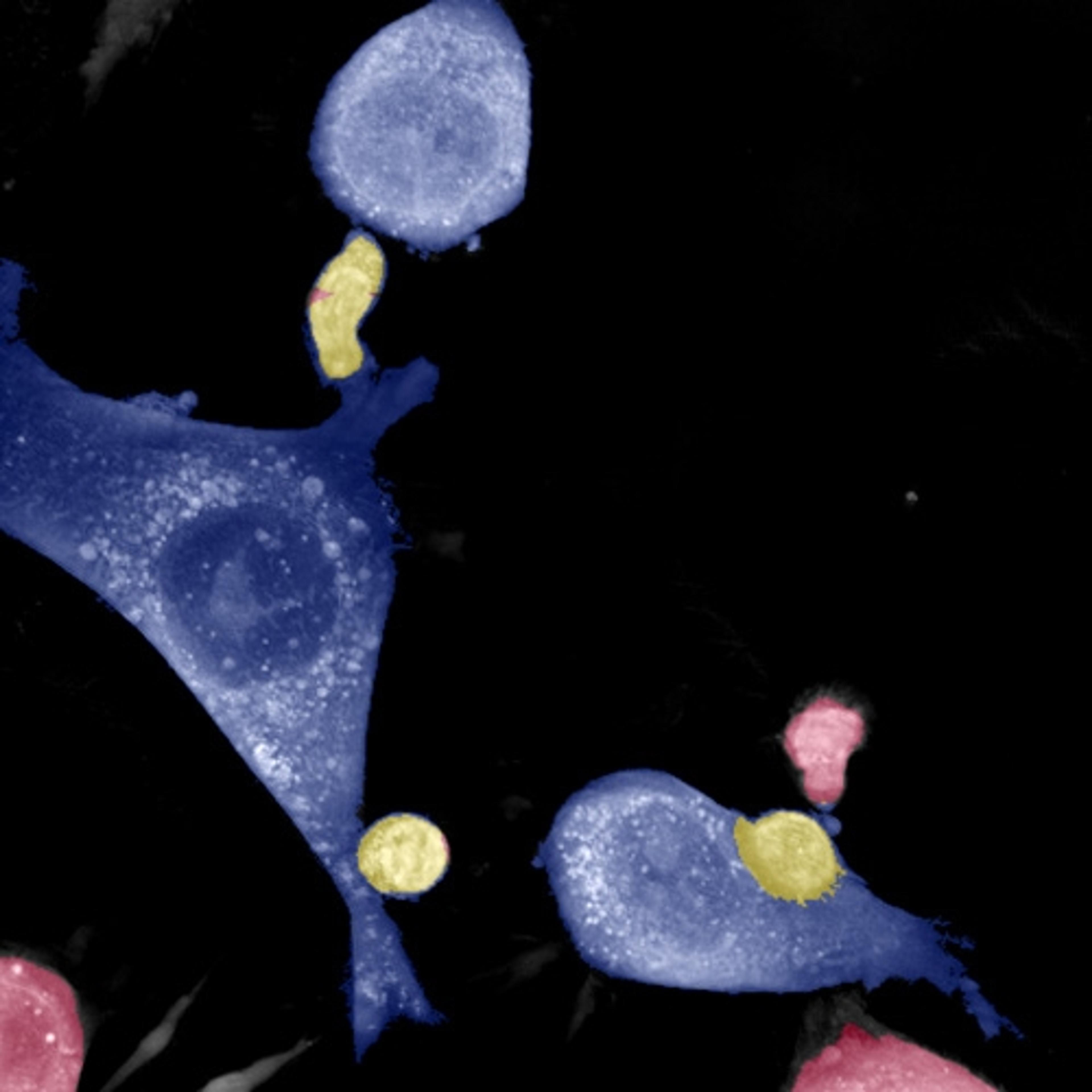
LIVE T Cell Assay
Nanolive SAQuantify effector to target cell binding, phenotypic changes, and killing, all in a single label-free assay.
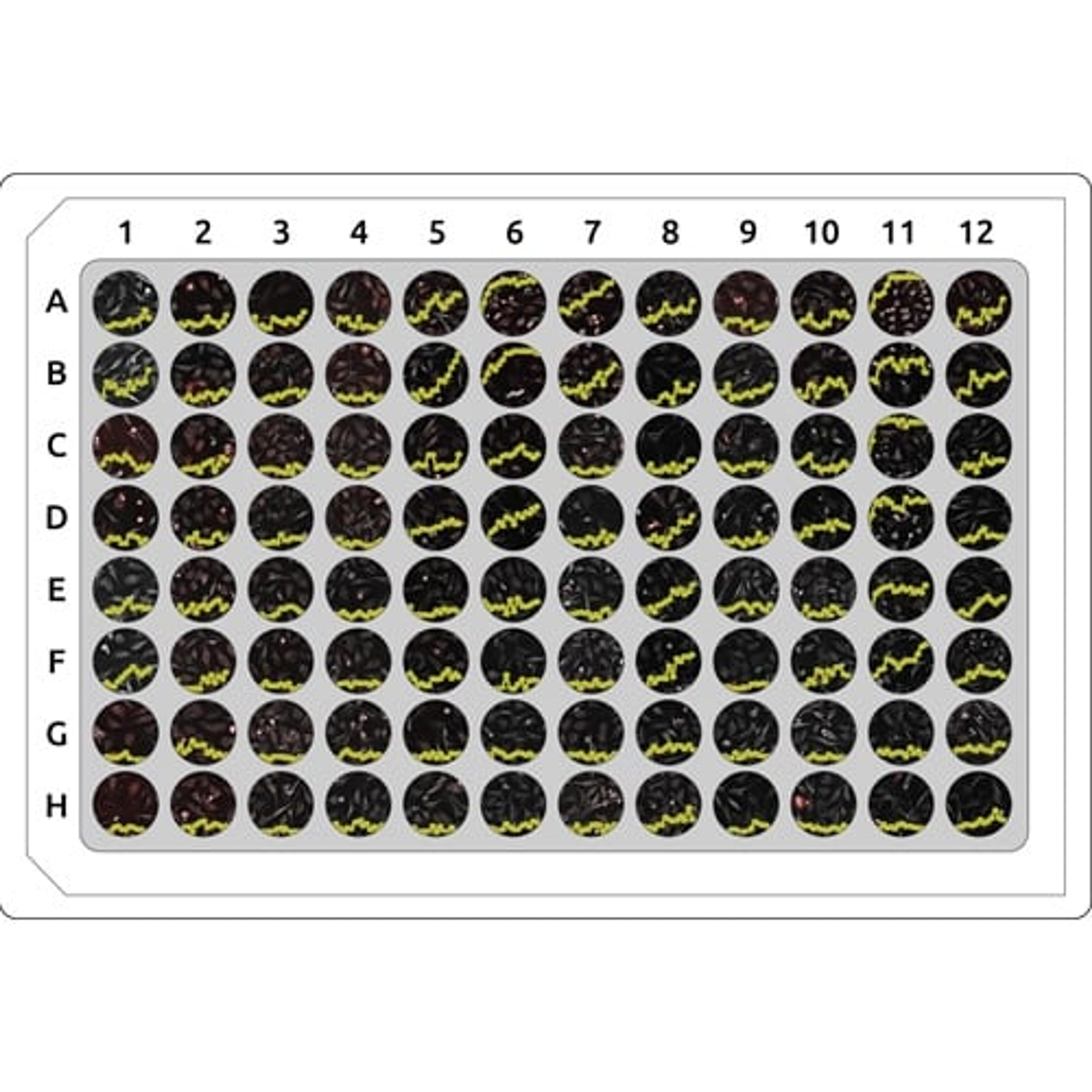
LIVE Cytotoxicity Assay
Nanolive SAA push-button, automated solution for profiling cell health, death, apoptosis and necrosis, label-free
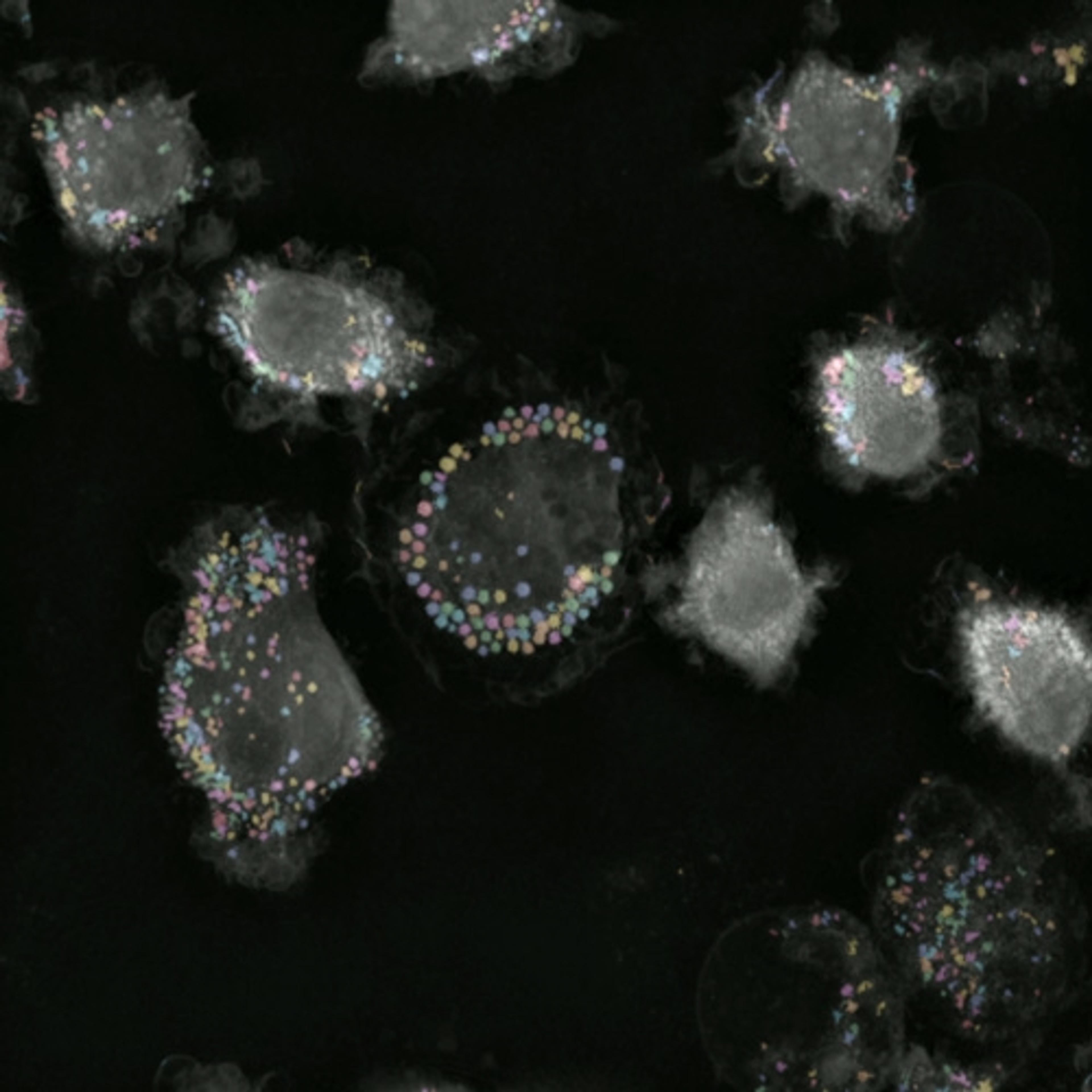
Smart Lipid Droplet Assay
Nanolive SAA push-button solution to analyze lipid droplet dynamics, label-free.
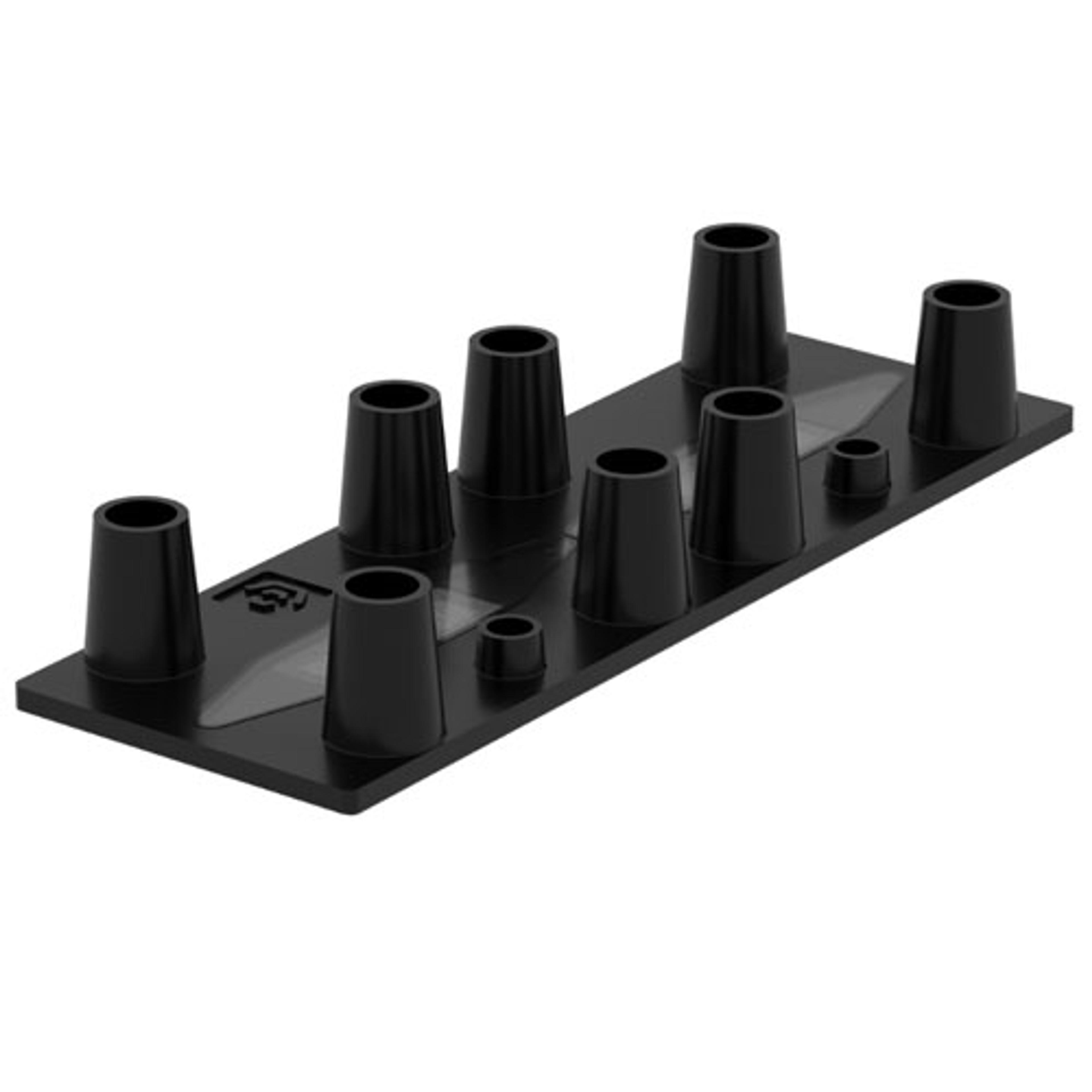
Biochip BC001
Dynamic42 GmbHBC001 - 2-channel biochip with narrow cavities for organ-on-chip models by Dynamic42
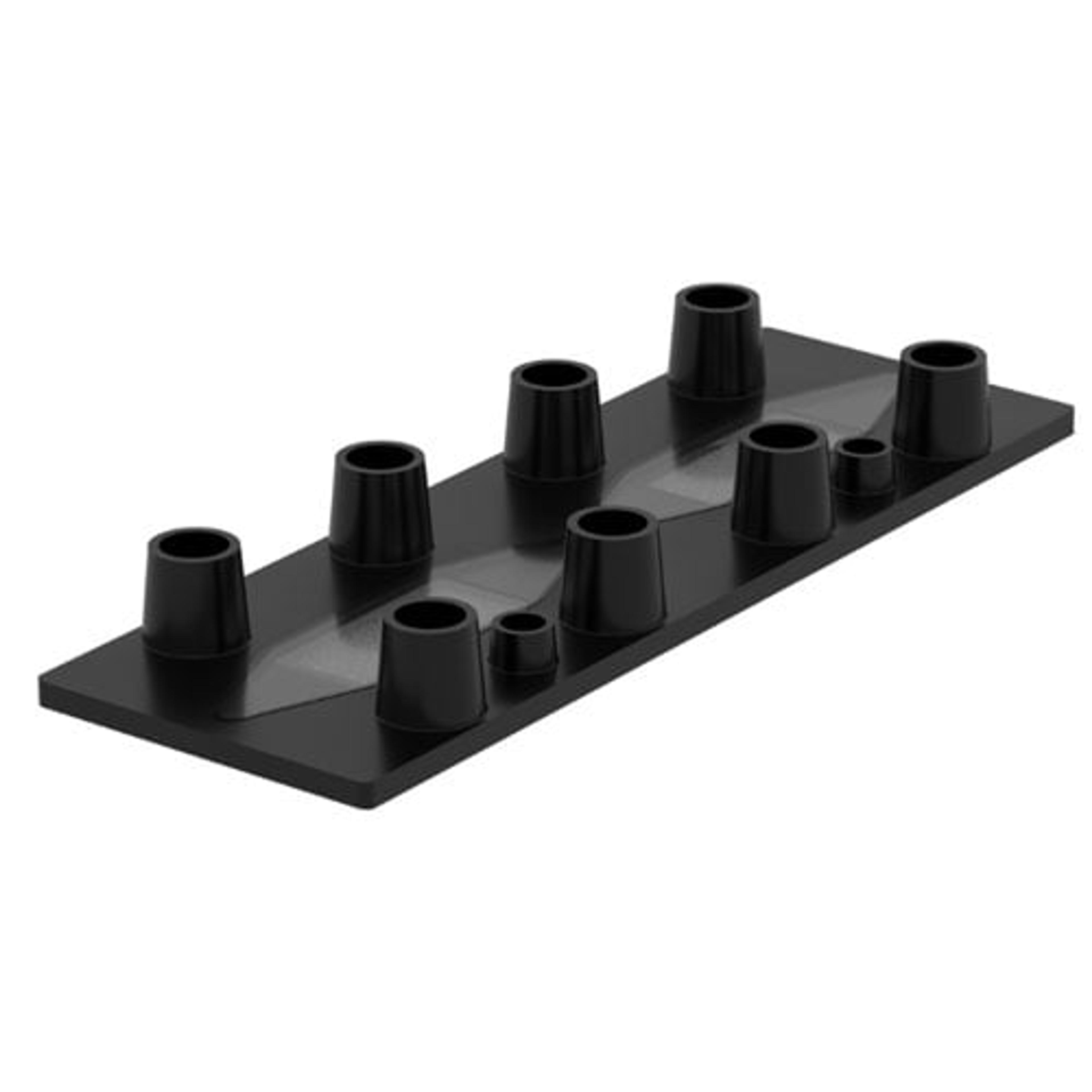
Biochip BC002
Dynamic42 GmbHBC002 - 2-channel biochip with wide cavities for organ-on-chip models by Dynamic42
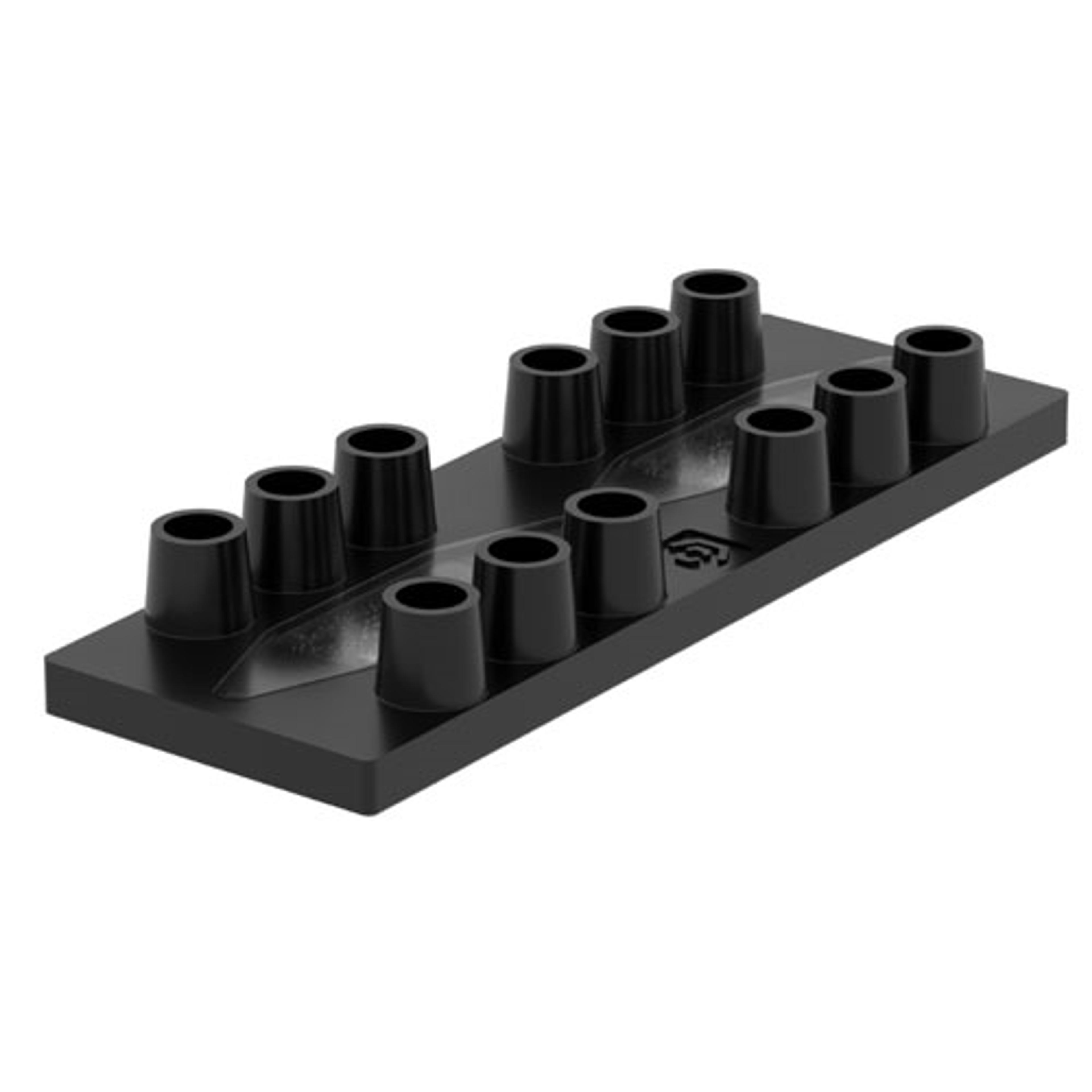
Biochip BC003
Dynamic42 GmbHBC003 - 3-channel biochip with cavities for spheroid/ organoid-on-chip models by Dynamic42
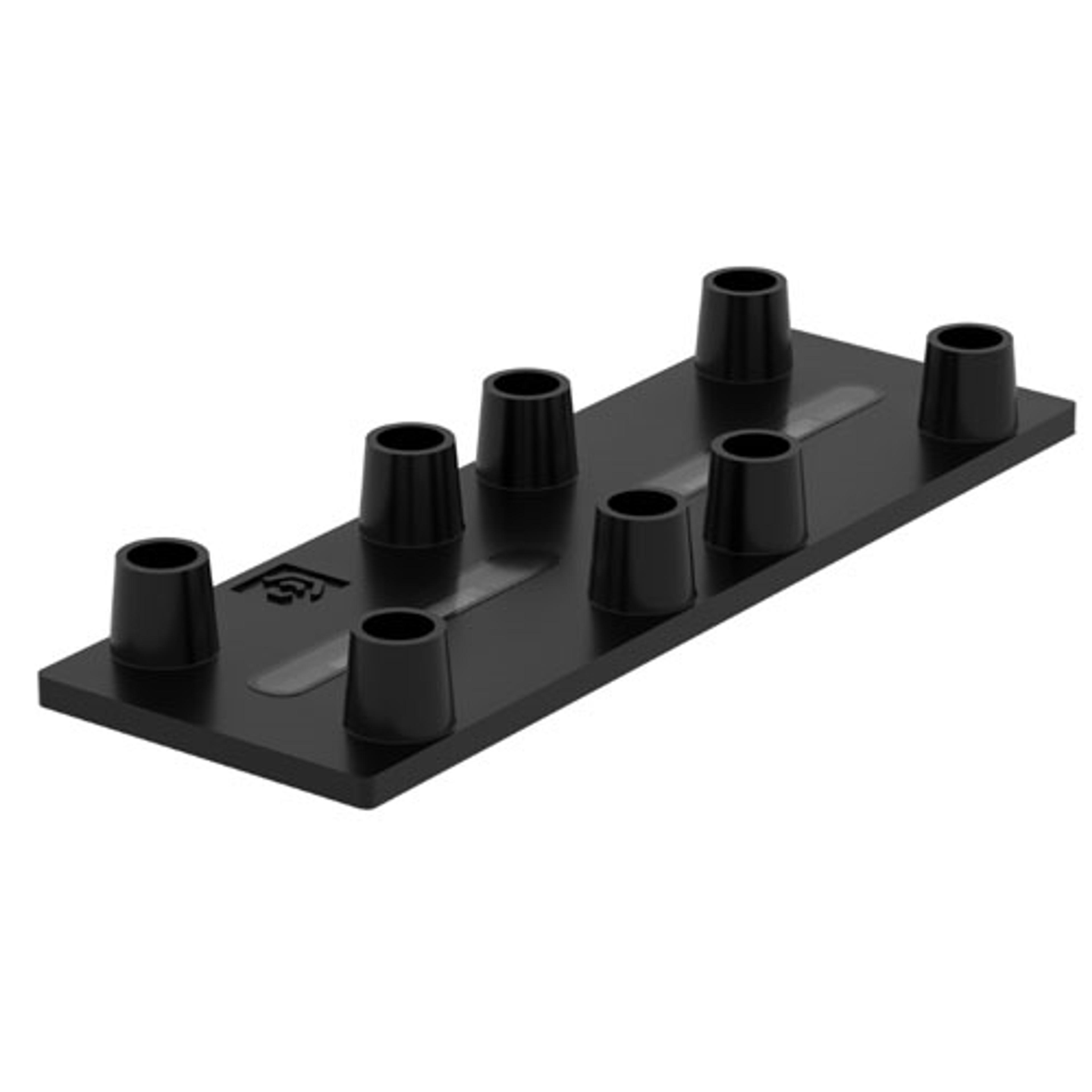
Biochip BC005
Dynamic42 GmbHBC005 - 2-channel biochip with thin channels for organ-on-chip models with limited cell material by Dynamic42

Organ-on-chip fee-for-service studies
Dynamic42 GmbHService for toxicology screening, lead identification/ optimization and in vitro model development using organ-on-chip technology by Dynamic42
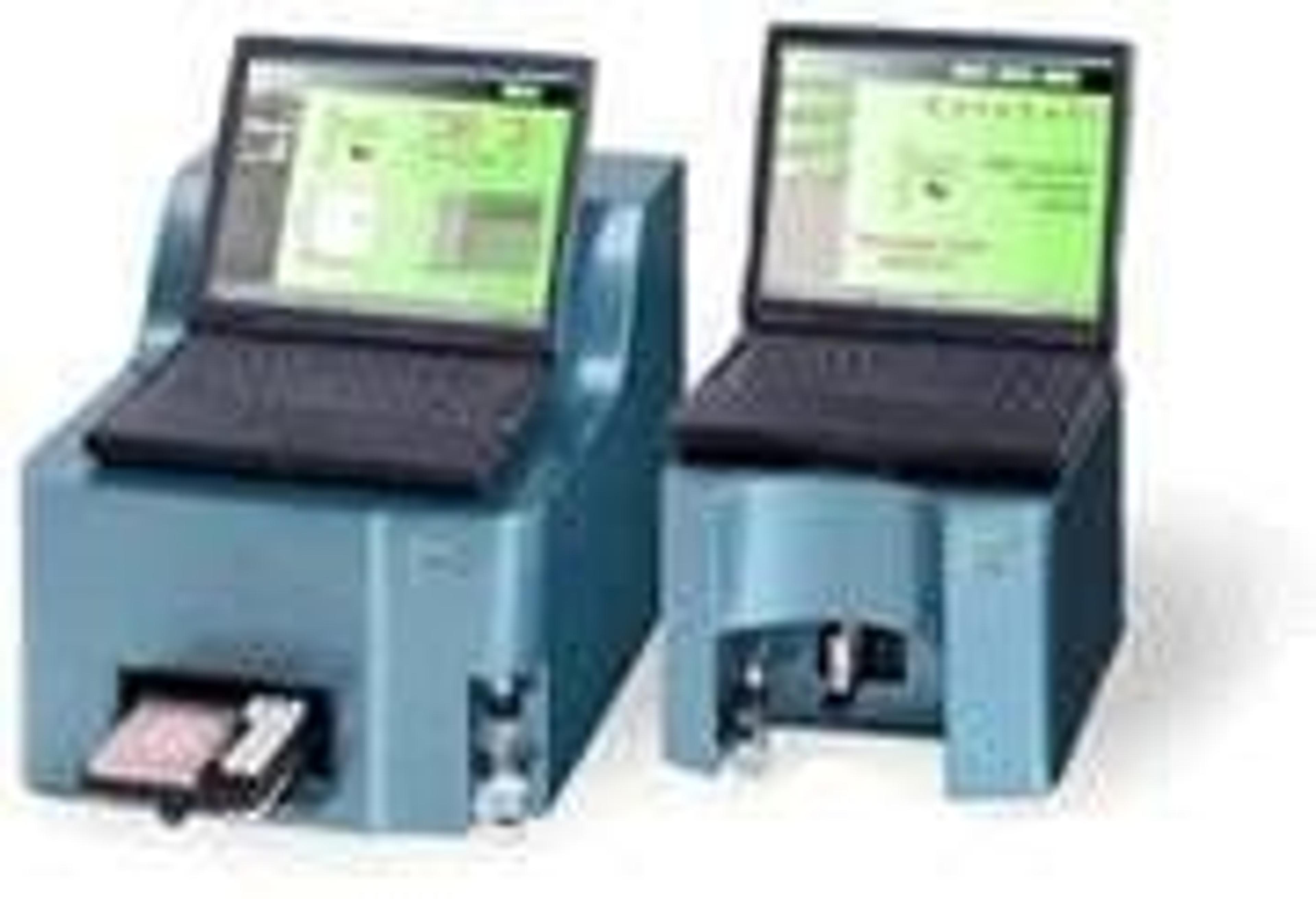
Apoptosis Assay Suite
MerckApoptosis, or programmed cell death, is a highly regulated pathway that is important in normal developmental processes as well as many diseases. Cells undergoing apoptosis are identifiable by a number of characteristics, including changes in mitochonrial membrane potential, transport of phosphatidylserine (PS) to the membrane surface, activation of caspase proteases, and DNA fragmentation in the nucleus. Guava offers four apop…
ViaCount™ Assay
MerckGuava Technologies' ViaCount assay is revolutionizing the way cell counting and viability assessment are done in today's laboratories. Fast, automated, and highly reproducible, the Guava ViaCount assay addresses many of the difficulties of conventional cell counting and viability assessment methods. The Guava ViaCount assay provides: Cell counts up to ten times faster than manual counting, in a convenient turnkey assay.…

Cell Counting Kit-8
NBS Biologicals Ltd.Cell viability and cytotoxicity detection. Colourimetric microplate assay, one solution type, no washing required, no radioisotopes or organic solvents required.
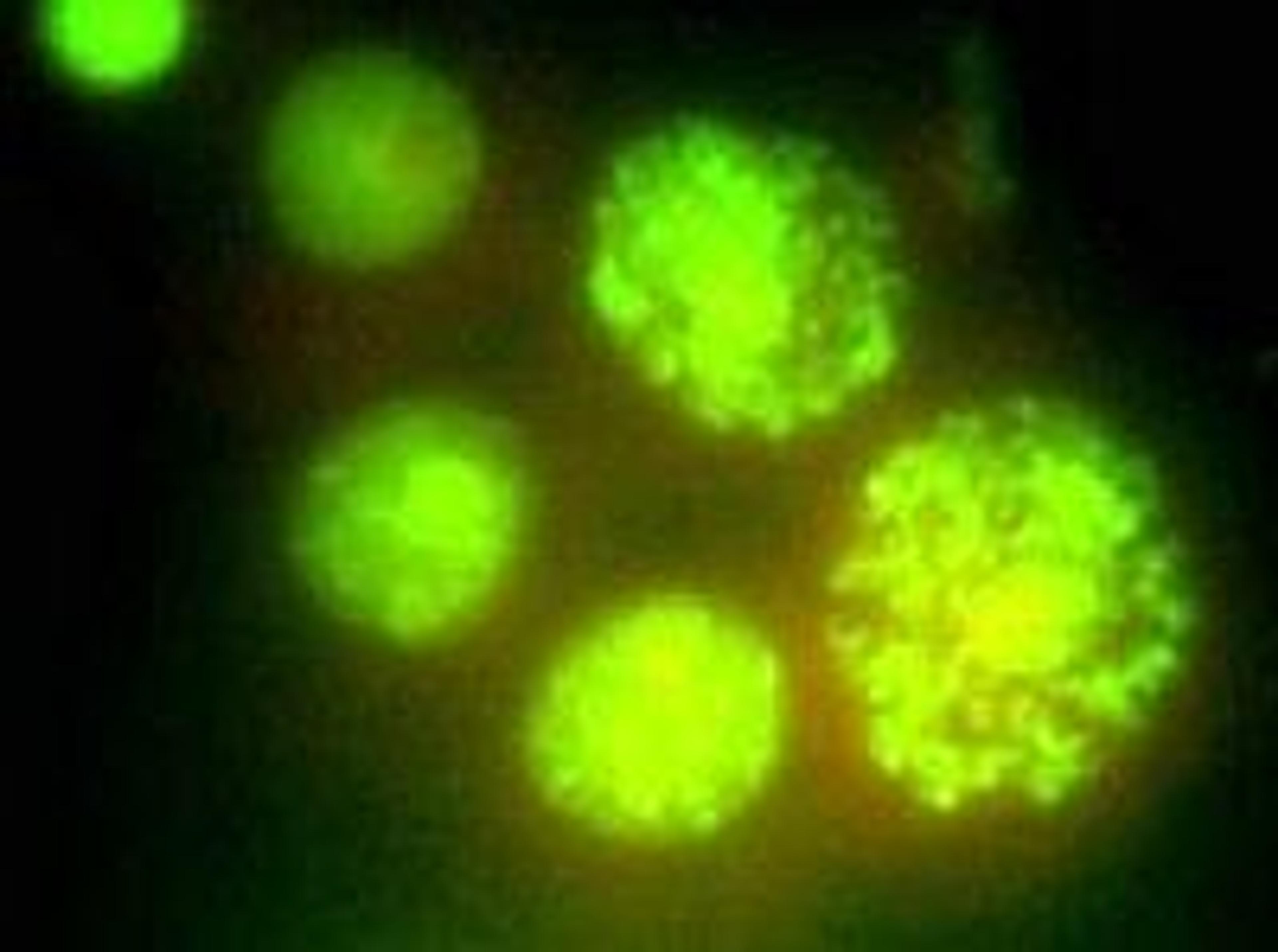
GreenScreen HC
Gentronix Ltd.Gentronix has launched a new, accurate and fast in vitro mammalian cell genotoxicity assay - GreenScreen HC. The TK6 host cells are p53 competent and familiar to most genetic toxicology laboratories. A patented GFP reporter system exploits the proper regulation of the GADD45a gene. The assay delivers both high specificity and high sensitivity and detects all common mechanistic classes of genotoxin. The 96-well microplate for…
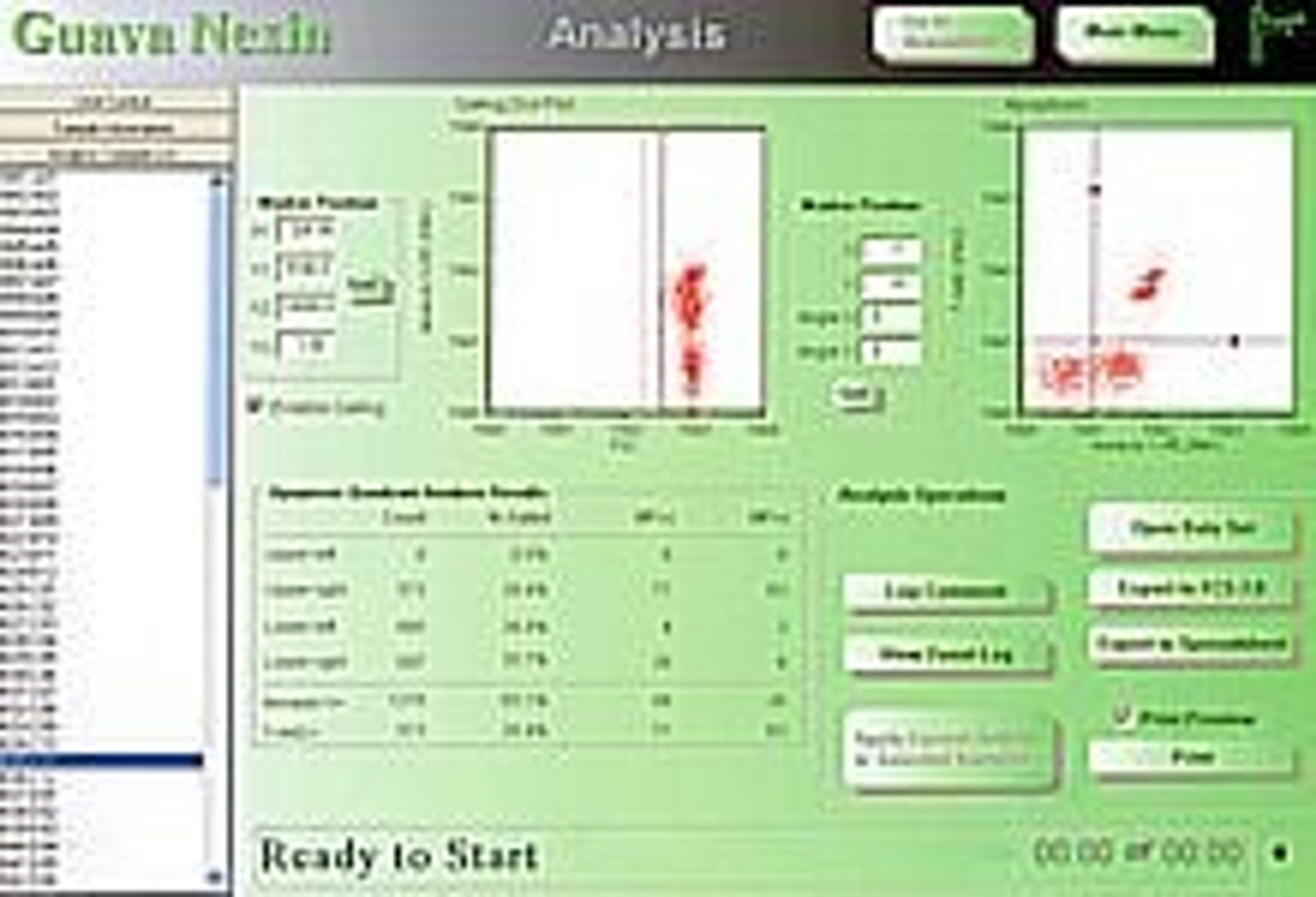
Nexin Assay Kit
MerckThe new Guava Nexin® reagent monitors induction of apoptosis quickly and easily, with minimal chance for contamination. Annexin V is a calcium-dependent phospholipid binding protein with high affinity for phosphatidylserine (PS), a membrane component normally localized to the internal face of the cell membrane. Early in the apoptotic pathway, molecules of PS are translocated to the outer surface of the cell membrane where Ann…

Annexin-V-FLUOS
Fluorescein-conjugated anticoagulant for the detection of phosphatidylserine in the outer leaflet of apoptotic cellsProduct Description Detection: Annexin-V-FLUOS can be directly detected in FACS analysis and immunochemistry without a secondary detection system. Sample material: Cell lines and freshly isolated cells. Specificity: Annexin-V binds in a calcium-dependent manner to negatively charged phospholipid surfaces, and sho…
Annexin-V-Biotin
Biotin-conjugated anticoagulant for the detection of phosphatidylserine in the outer leaflet of apoptotic cellsProduct Description Detection: Annexin-V-Biotin can be used in immunohistochemistry with a secondary detection system (e.g., Streptavidin-POD conjugate). Sample material: Cell lines and freshly isolated cells Specificity: Annexin-V binds in a calcium-dependent manner to negatively charged phospholipid surfaces, and…
Annexin-V-Alexa 568
Alexa 568-conjugated anticoagulant for the detection of phosphatidylserine on the outer leaflet of apoptotic cellsBenefits Detection flexibility: Analysis of results with flow cytometry and/or fluorescence microscopy. Alexa is a red dye, which can be used for double or triple staining with other fluorescent markers (e.g., fluorescein-labeled surface markers). Accuracy: Accurately distinguish apoptotic cells from necrotic…
Annexin-V-FLUOS Staining Kit
Kit for the detection and quantification of apoptosis and differentiation from necrosis at the single-cell level, based on Annexin-V-labelingProduct Description Detection: Annexin-V-FLUOS can be directly detected in FACS analysis and immunochemistry without a secondary detection system. Sample material: Cell lines and freshly isolated cells. Specificity: Annexin-V-FLUOS binds in a Ca2+-dependent manner to negatively charged ph…
In Situ Cell Death Detection Kit, POD
Kit for the detection and quantification of apoptotic cell death on a single-cell level by light microscopy in immunocyto- and immunohistochemistry Benefits Sensitive: The maximum intensity of labeling (cell staining) of apoptotic cells is higher than the nick translation method. Fast: The use of fluorescein-dUTP allows analysis of the samples directly after the TUNEL reaction, but before the addition of the secondary d…