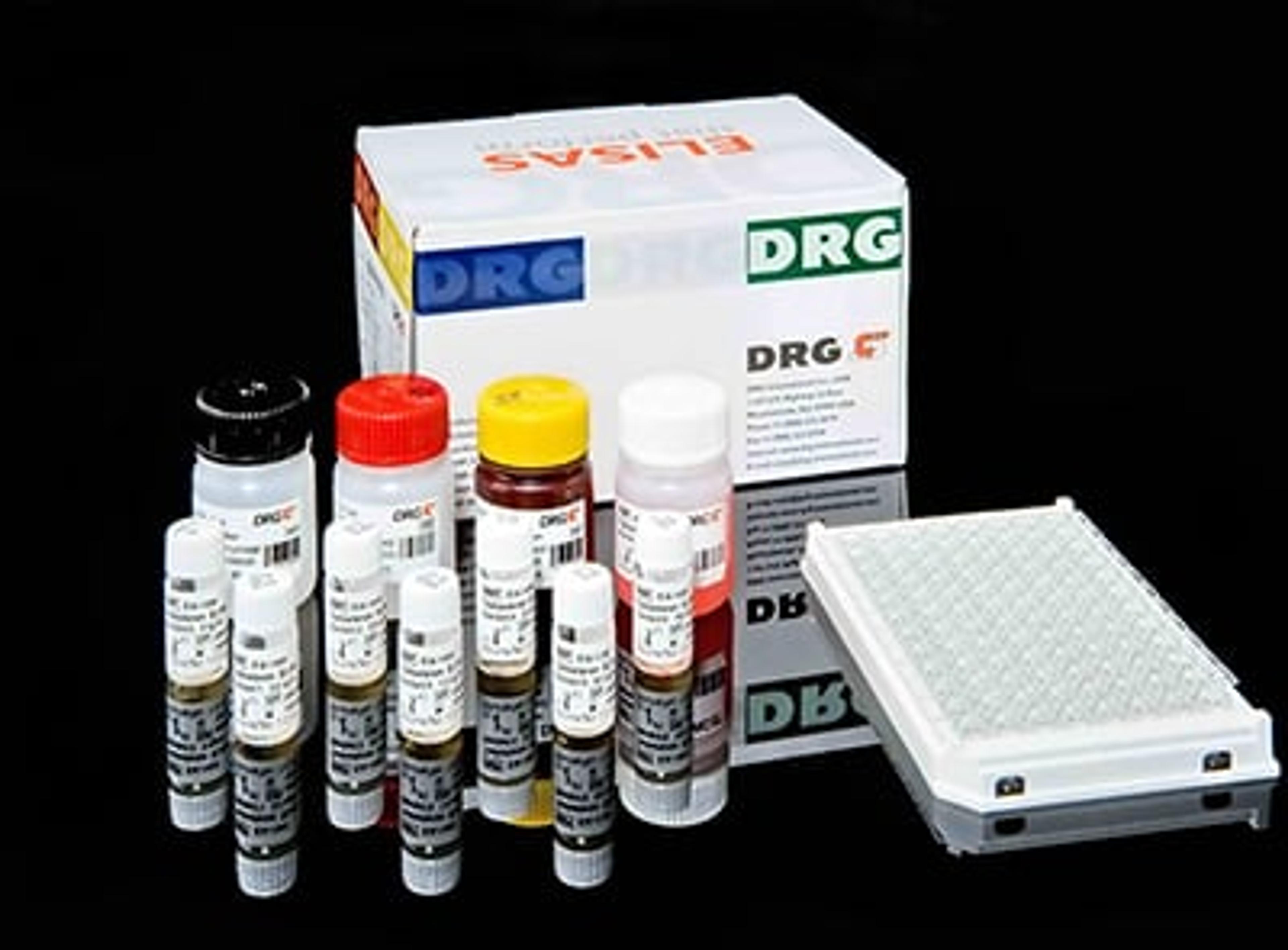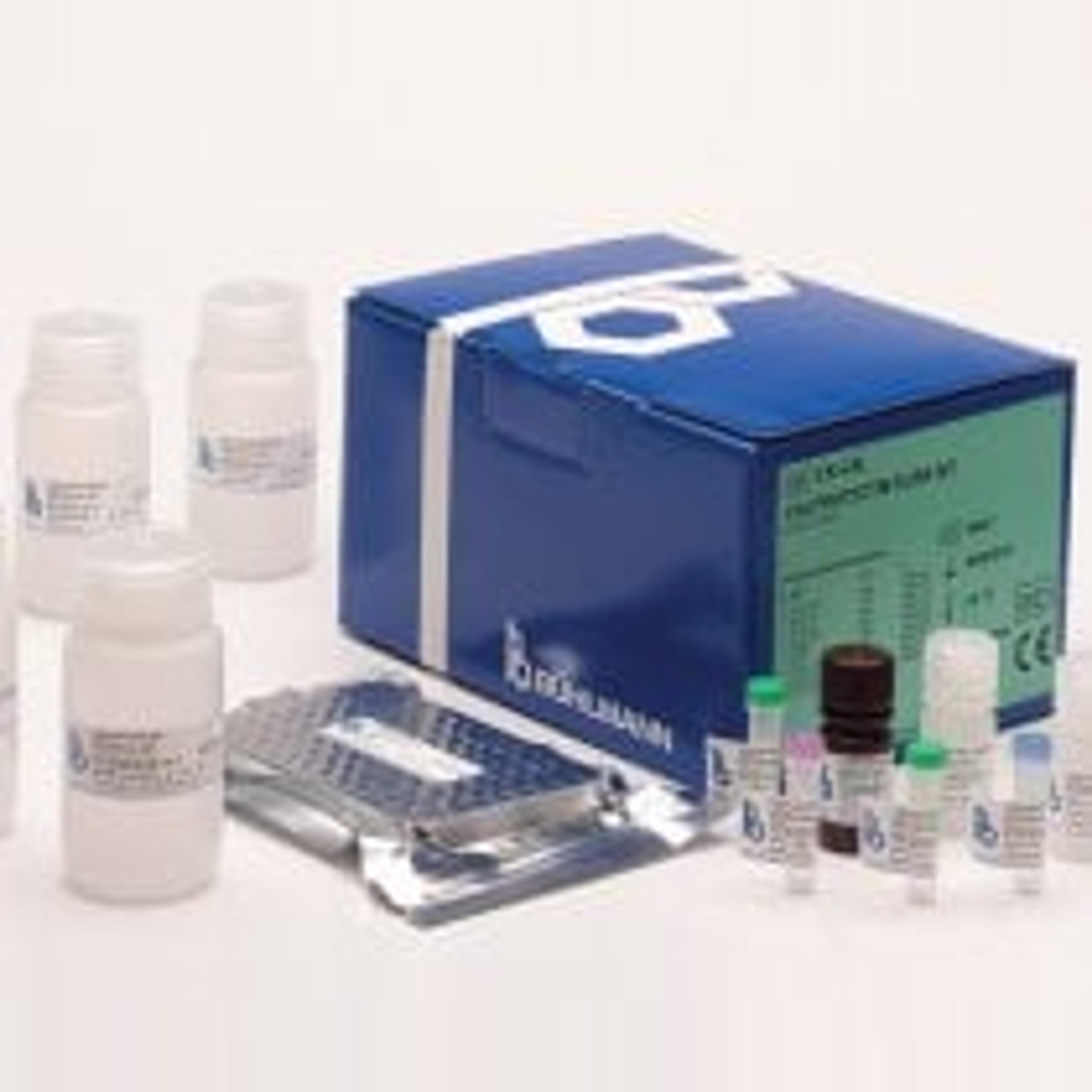
Total IGF-I ELISA
Ansh LabsThe Total IGF-I immunoassay is a direct detection method which eliminates potential altering of sample matrix from size-exclusion chromatography or filtration methods.
Immunological techniques measure and characterize immune responses. Immunology kits and analysis systems often use techniques such as ELISA, radioimmunoassay (RIA) and immunodiffusion assays, Immunohistochemistry, and flow cytometry. Immunologists use equipment such as flow Cytometers, plate readers, plate washers and fluorescent microscopes.
The Total IGF-I immunoassay is a direct detection method which eliminates potential altering of sample matrix from size-exclusion chromatography or filtration methods.
The ratio of Total to Intact IGFBP-4 concentration measured in individual subjects over time will help normalizes the IGFBP-4 variability between subjects and also increase the detection rate of increased PAPP-A activity in myocardial infarction subjects.
During pregnancy, PAPP-A is produced in high concentrations by the trophoblast and released into maternal circulation. In addition to trophoblasts, PAPP-A expression has been reported in various tissues, including endometrium, testis, atherosclerotic arteries, kidney, bone, colon, and other adult and fetal tissue.
Activin B exhibits a wide range of biological activities, including regulation of embryogenesis, osteogenesis, hematopoiesis, reproductive physiology and hormone secretion from the hypothalamic, pituitary and gonadal glands.
Hevylite enables individual identification and quantification of different light chain isotypes of each immunoglobulin class i.e. IgG?, IgG?, IgA?, IgA?, IgM? and IgM?.
Binding Site IgG Subclass assays are optimized for use in the investigation of antibody deficiencies.
IgA subclass concentrations can assist in the investigation of immunodeficiency, autoimmune, and infectious diseases.
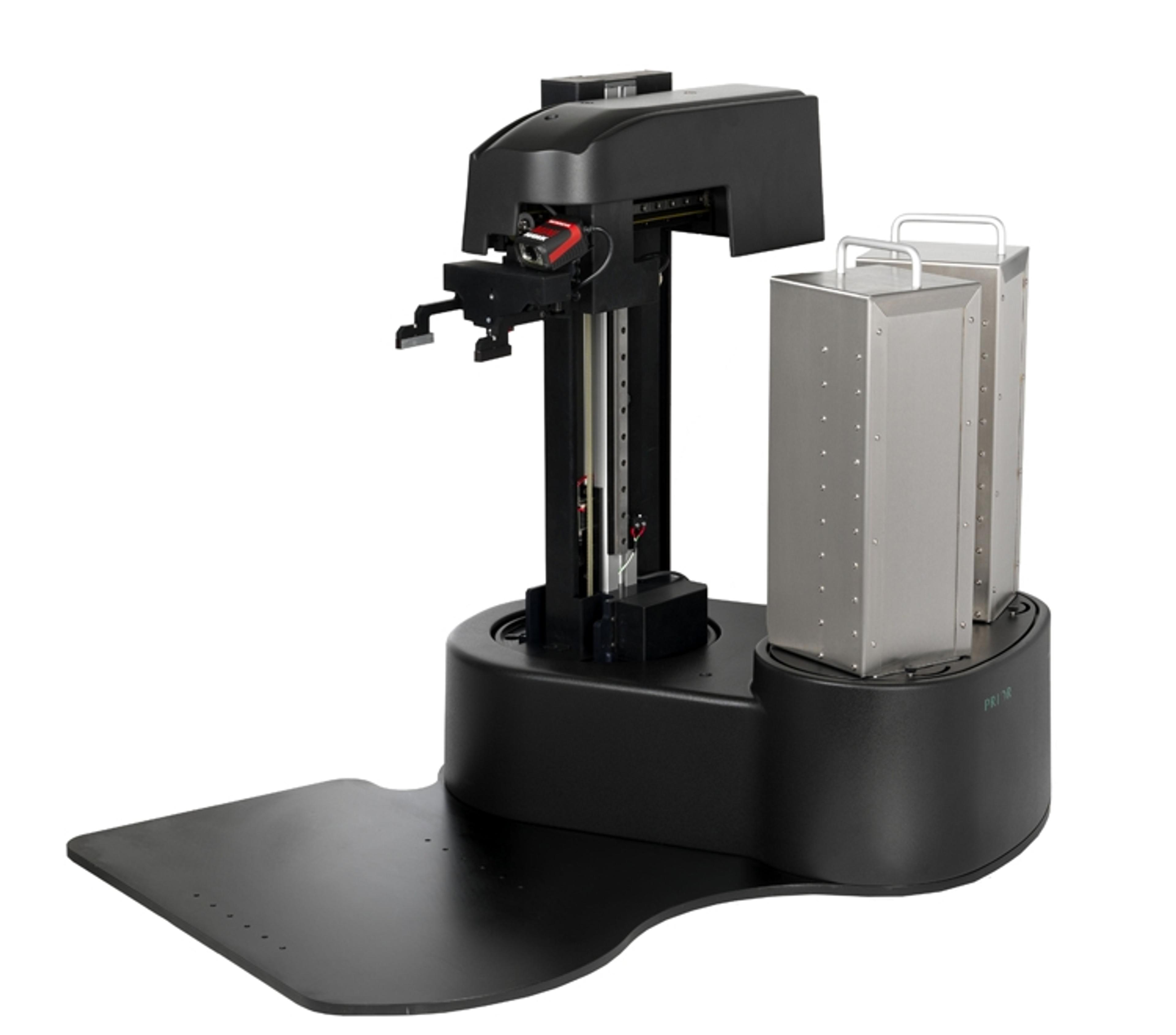
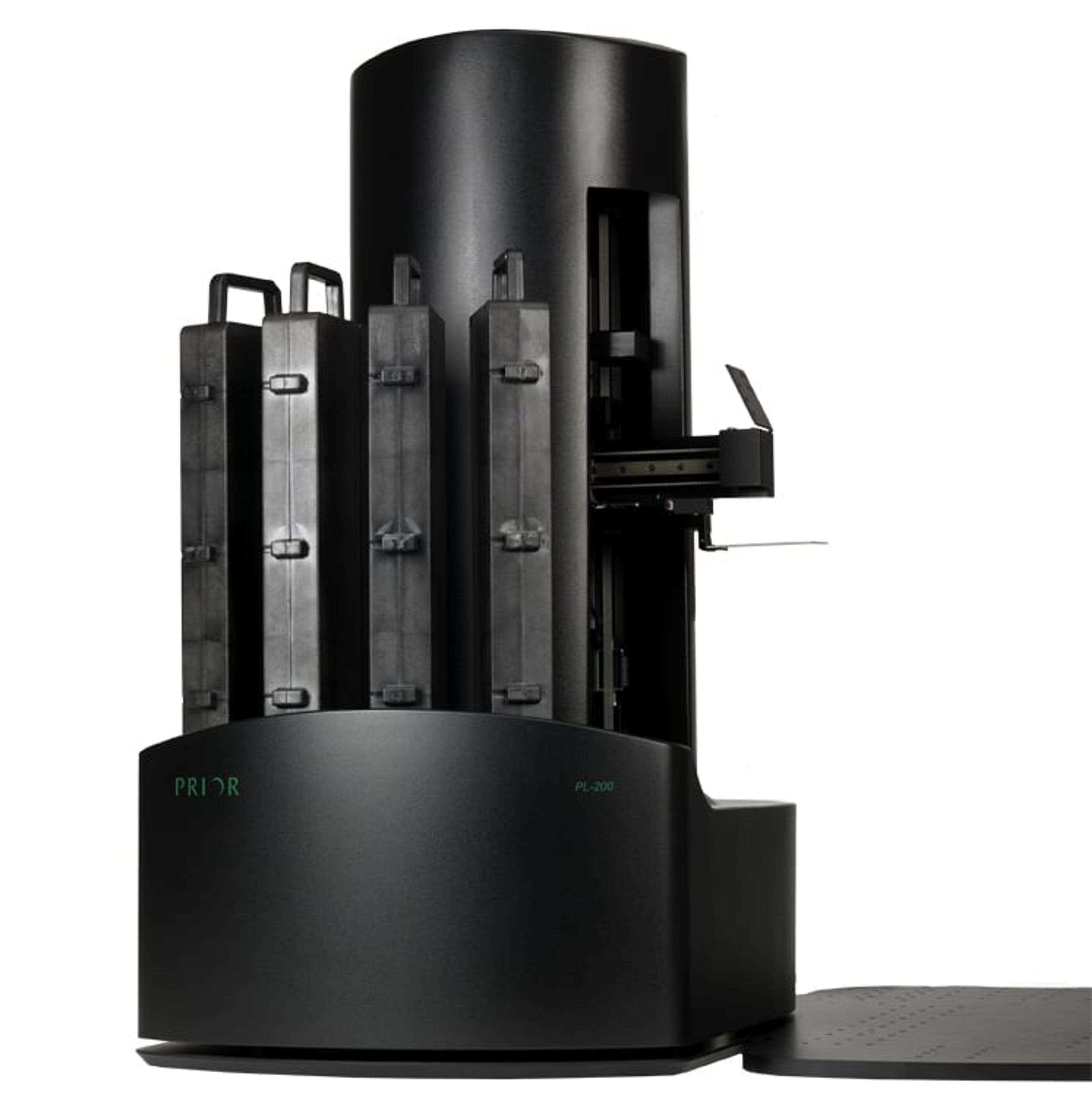
Ensure and verify that your equipment is operating correctly
The picoPAPP-A enzyme linked immunosorbent assay (ELISA) kit is useful in detection at low concentrations of Pregnancy Associated Plasma Protein A for studies of non-pregnant physiological states, pregnancy, dysfunctions of placental formation, certain cancers, and cardiovascular disease
The Total hCG enzyme linked immunosorbent assay (ELISA) kit provides materials for the quantitative measurement of Total hCG in biological fluids
Pregnancy associated plasma protein-A2 (PAPP-A2) is a novel metalloproteinase identified as a homolog of PAPP-A in the metzincin superfamily of pappalysins. PAPP-A2 shares 46% sequence identity with PAPP-A. PAPP-A2 is a noncovalently linked dimer of two 220-kDa subunits. It exhibits robust proteolytic activity against IGFBP-5 and possibly also IGFBP-3. PAPP-A2 is expressed in a wide range of tissues and is abundant in placent…
The Ansh Labs' Equine Anti-Müllerian hormone (AMH) enzyme-linked immunosorbent assay (ELISA) kit is the only AMH assay designed specifically for use in horses. Multiple validation studies have shown excellent distinction between castrated geldings and intact stallions. AMH is also an excellent tool in the evaluation of equine granulosa cell tumors (GCT) and cryptochordism.
The Ansh Labs' Canine Anti-Müllerian hormone (AMH) enzyme-linked immunosorbent assay (ELISA) kit is the only AMH assay designed specifically for use in canine. AMH measurements in canines are particularly useful in confirming that spay procedures have been done correctly leaving no remnant ovarian tissue.
The Follistatin enzyme linked immunosorbent assay (ELISA) kit provides materials for the quantitative measurement of total follistatin (288, 300, 315) in human serum and other biological fluids.
IGFBP-3 exhibits intrinsic growth-regulating effects that are not yet fully understood, but have evoked interest with regards to a possible role of IGFBP-3 as a prognostic tumor marker. Low IGFBP-3 and IGF-I levels are observed in GH deficiency or GH resistance, also epidemiologic studies suggest that low IGFBP-3 is associated with greater risk of aggressive, metastatic prostate cancers.
The Total IGFBP-5 enzyme linked immunosorbent assay (ELISA) kit provides materials for the quantitative measurement of IGFBP-5 in human serum and other biological fluids