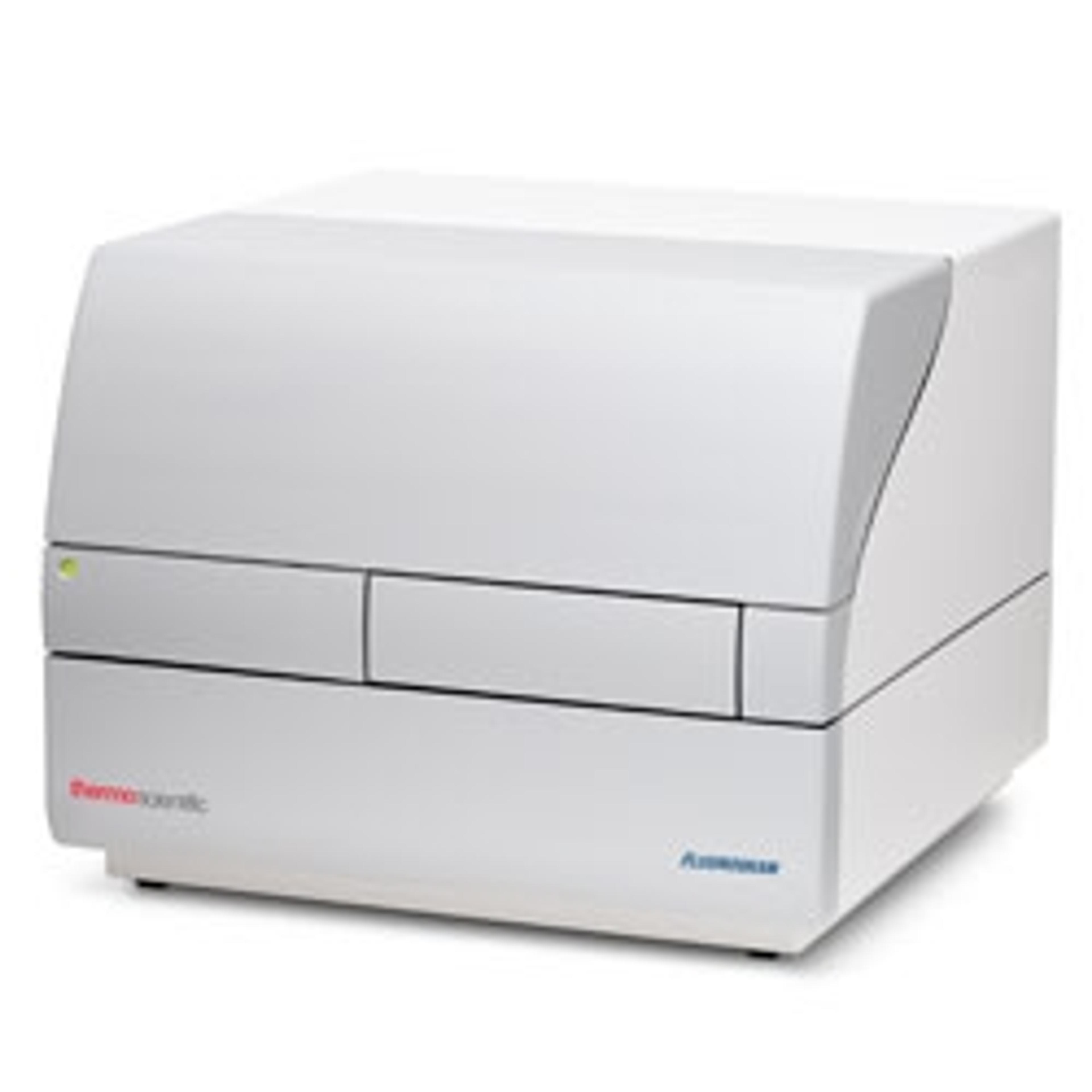
Thermo Scientific™ Fluoroskan™ Microplate Fluorometer
Thermo Fisher ScientificA compact, robust fluorescence plate reader built to run variety of fluorometric and FRET assays with excellent performance.

A compact, robust fluorescence plate reader built to run variety of fluorometric and FRET assays with excellent performance.
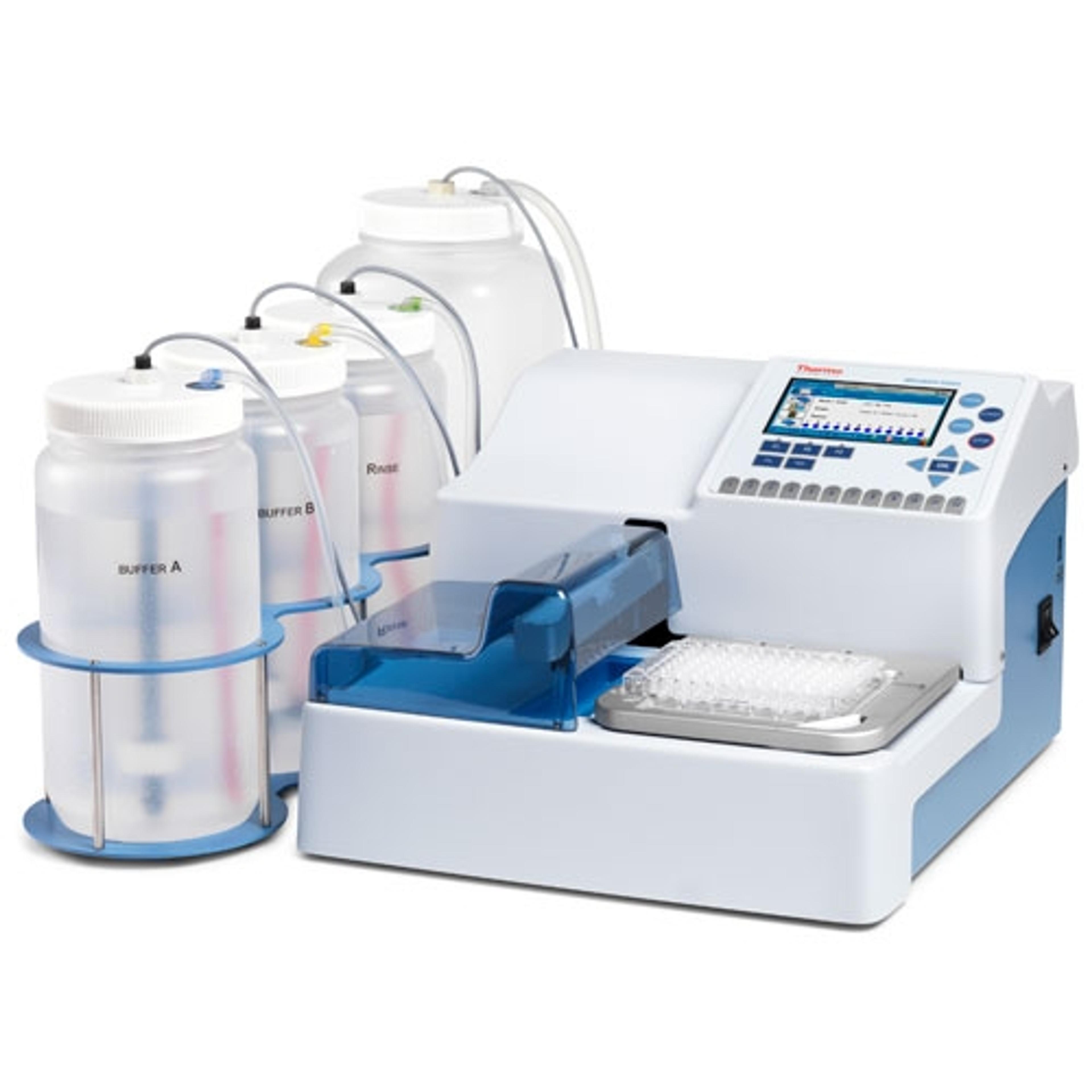
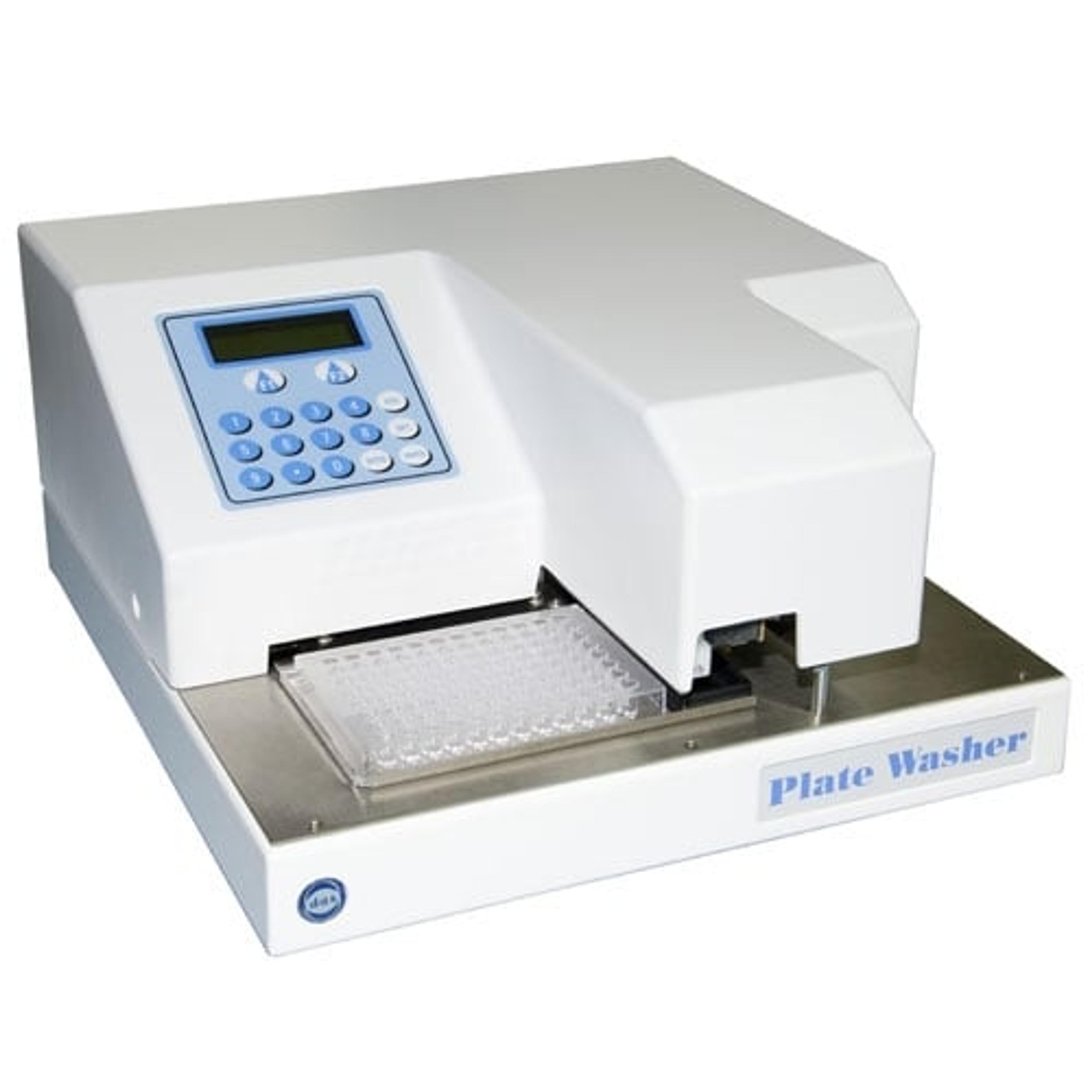
Wash your assays and cells confidently with this low residual volume, easy-to-clean microplate strip washer
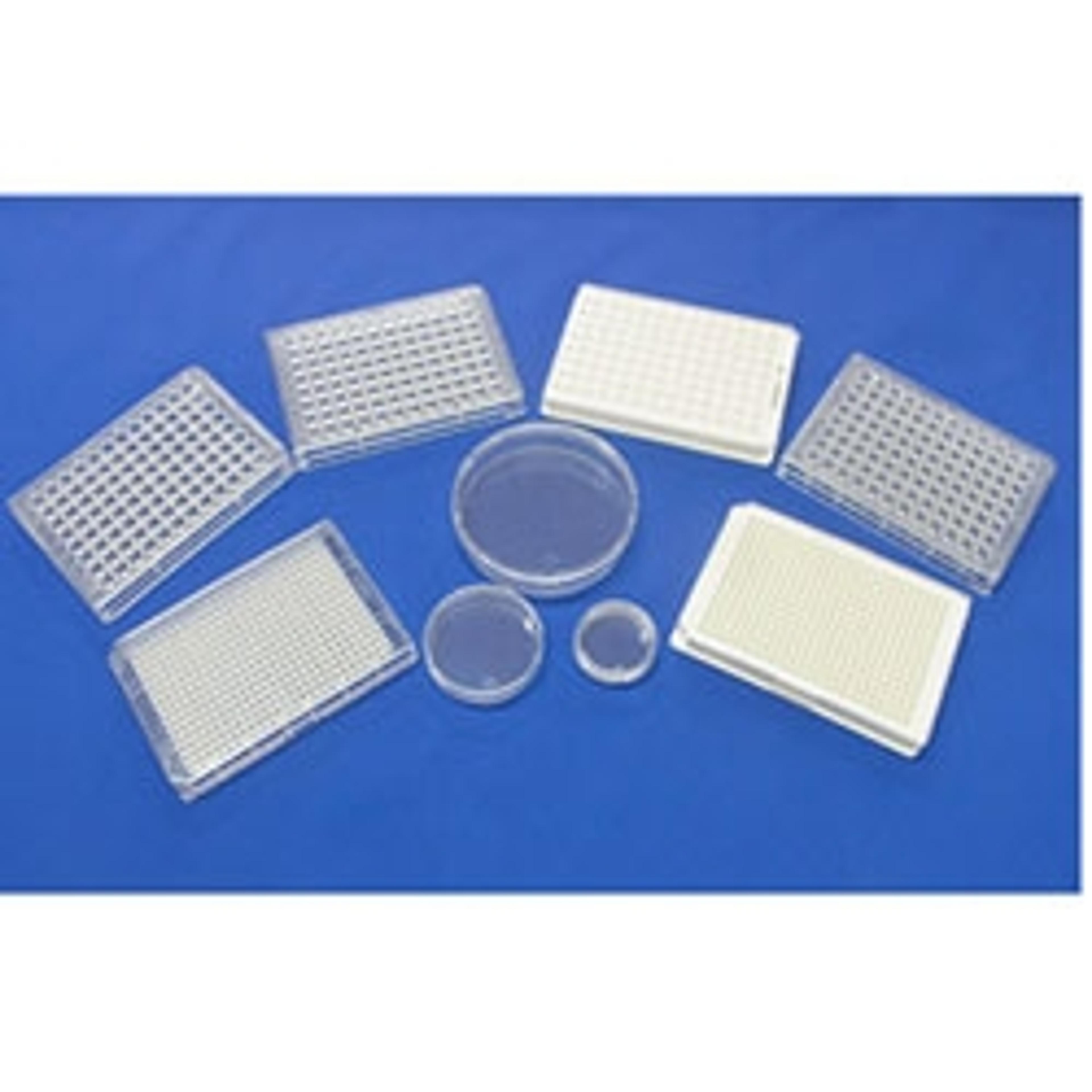
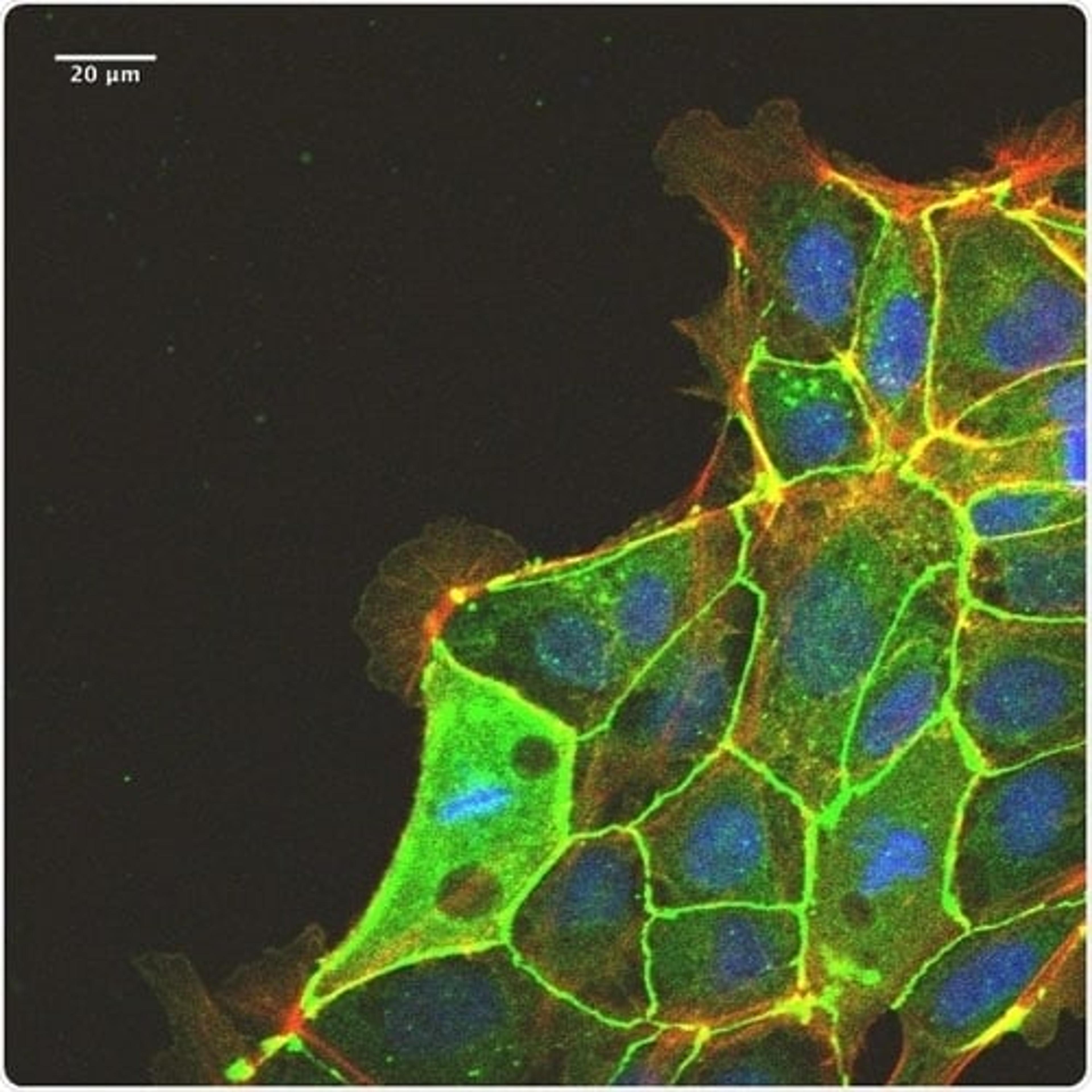
A new design of ultra-low attachment 3D plate to facilitate easy handling of media exchange without disturbing spheroid formation
High protein serum-free medium, designed for hybridoma cell growth and monoclonal antibody production
Serum-free, xeno-free medium, optimized specifically for activation and expansion of T cells
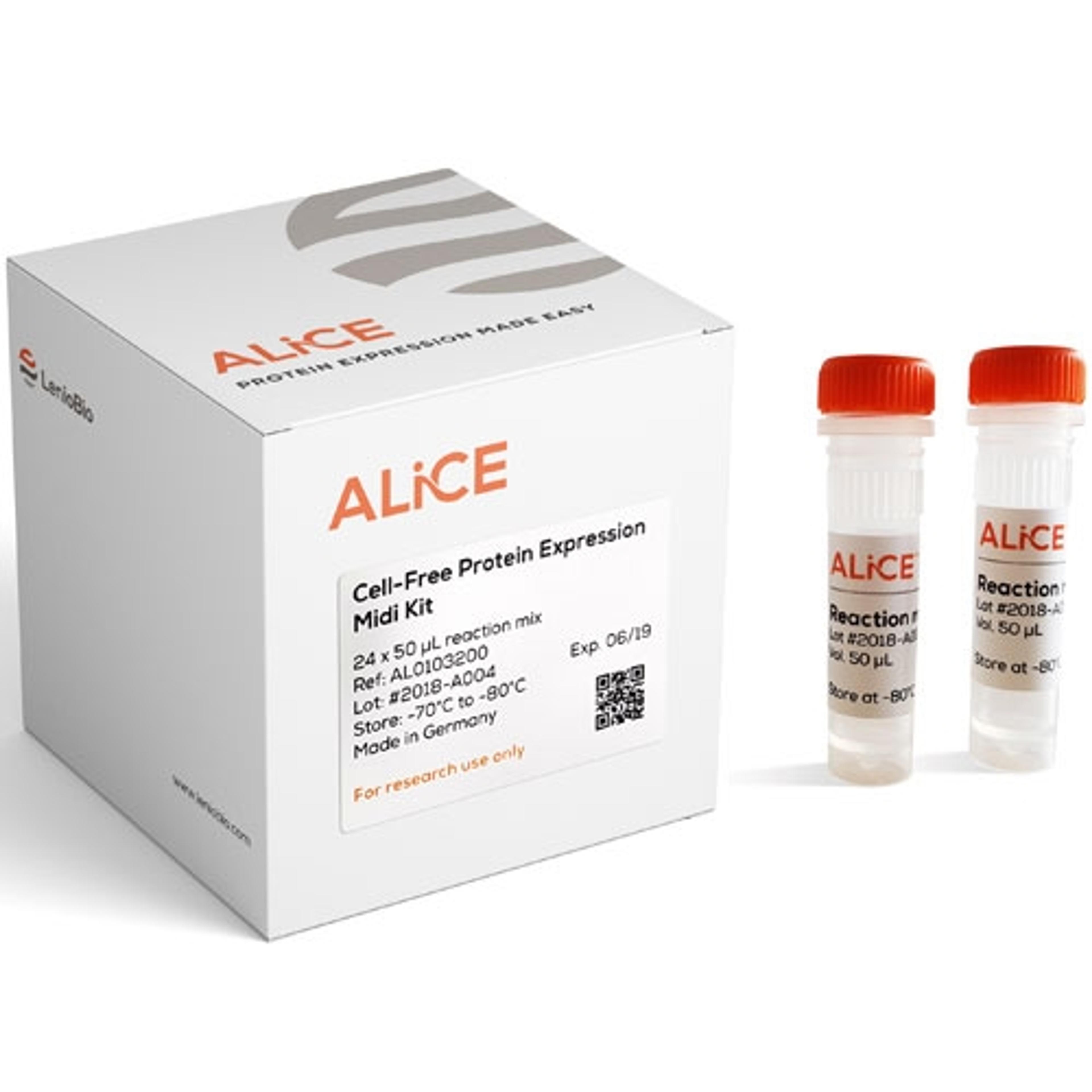
Simple, fast, and controlled autolysis of E. coli.
Simple, fast, and controlled autolysis of E. coli.
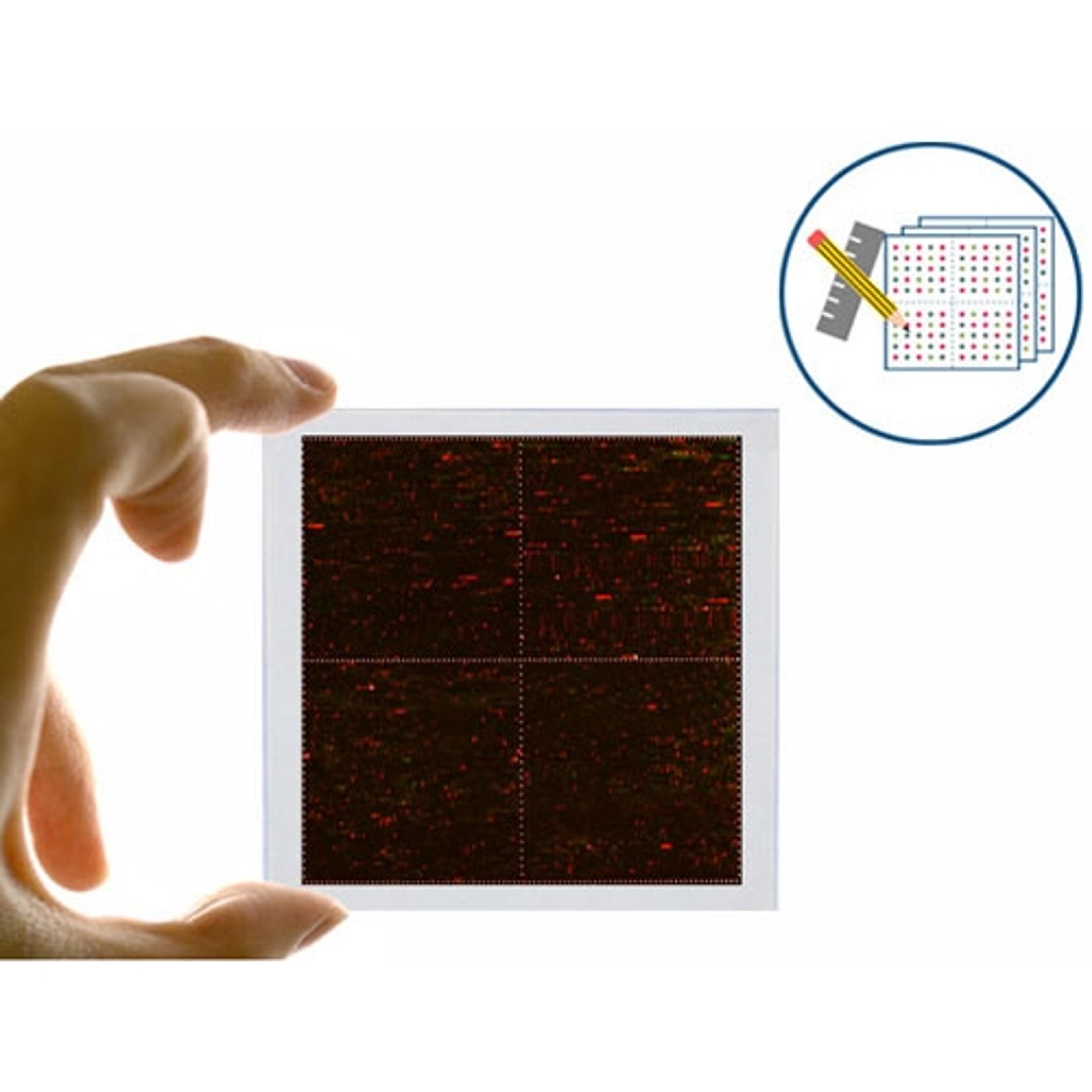
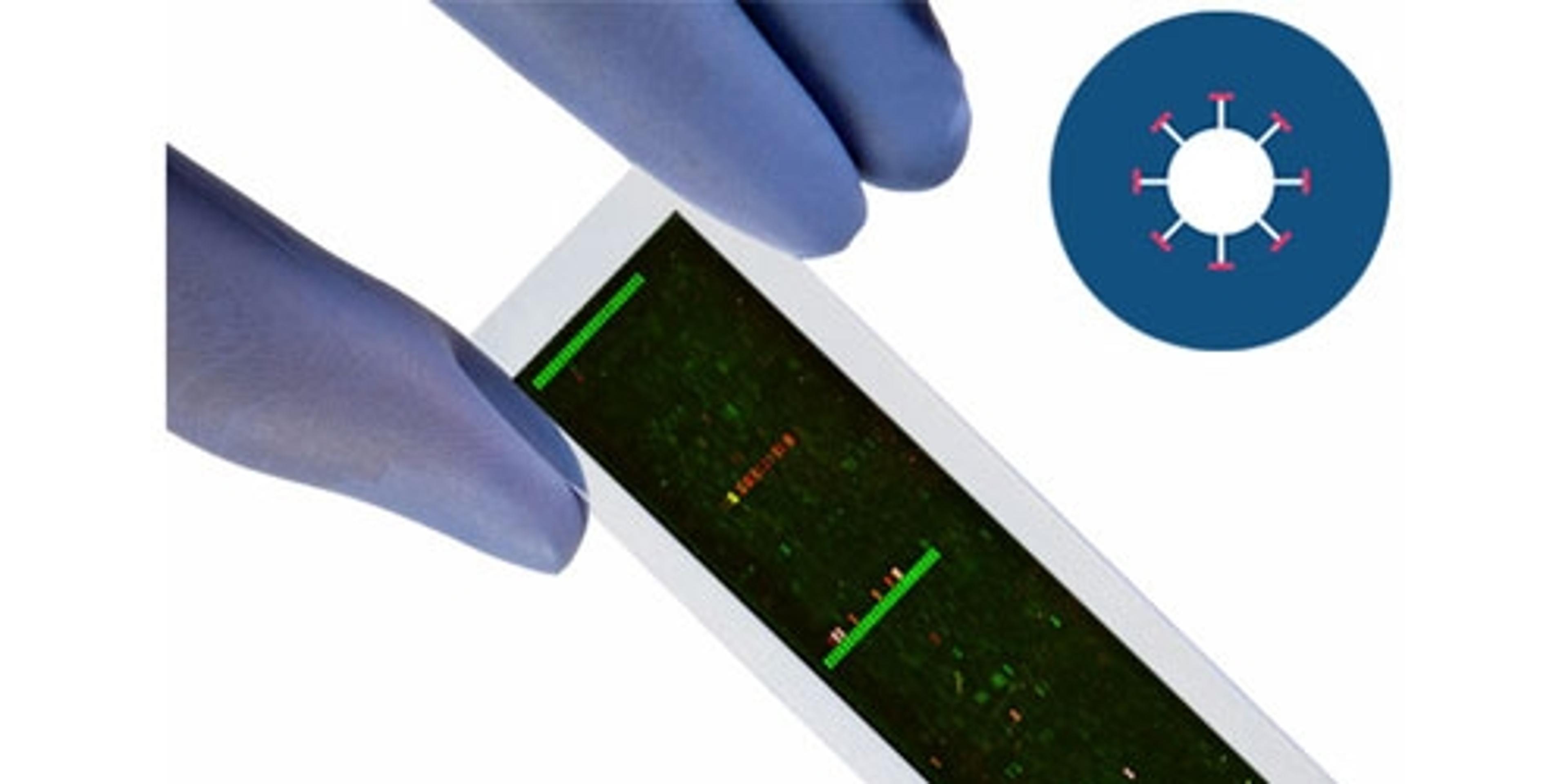
Custom peptide microarray with up to 5,500 different peptides printed in duplicate
Antibody cross-reactivity analysis using the PEPperCHIP® Humane Epitome Microarray with all epitopes of the Immune Epitope Database with the host “human”
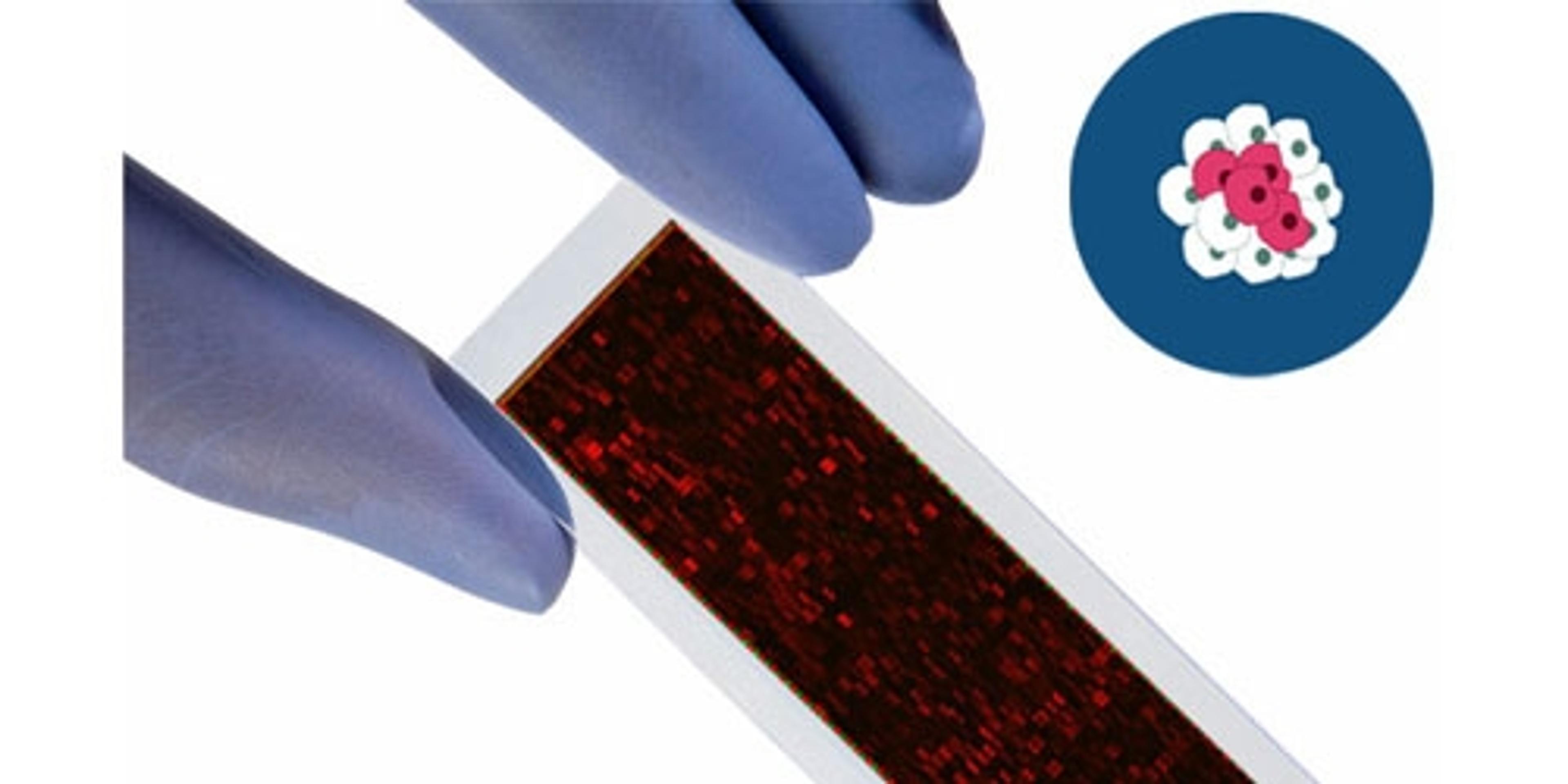
Selected cancer related antigens translated into 15 amino acid peptides printed in duplicate
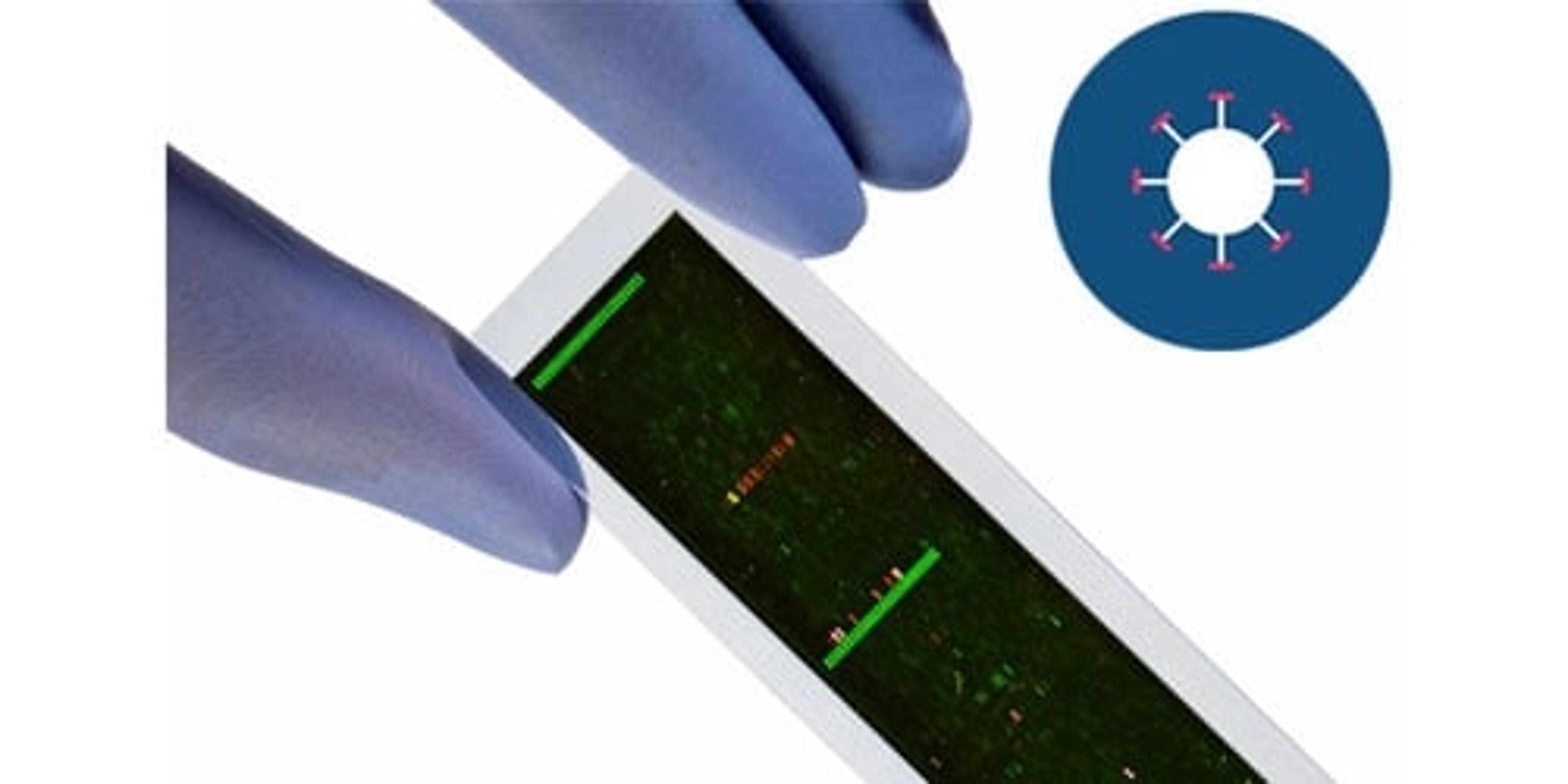
Flavivirus-specific selected antigens translated into 15 amino acid peptides printed in duplicate
Whole Zika virus proteome of two different strains as overlapping linear peptides
3,760 linear B-cell epitopes of 196 different pathogens
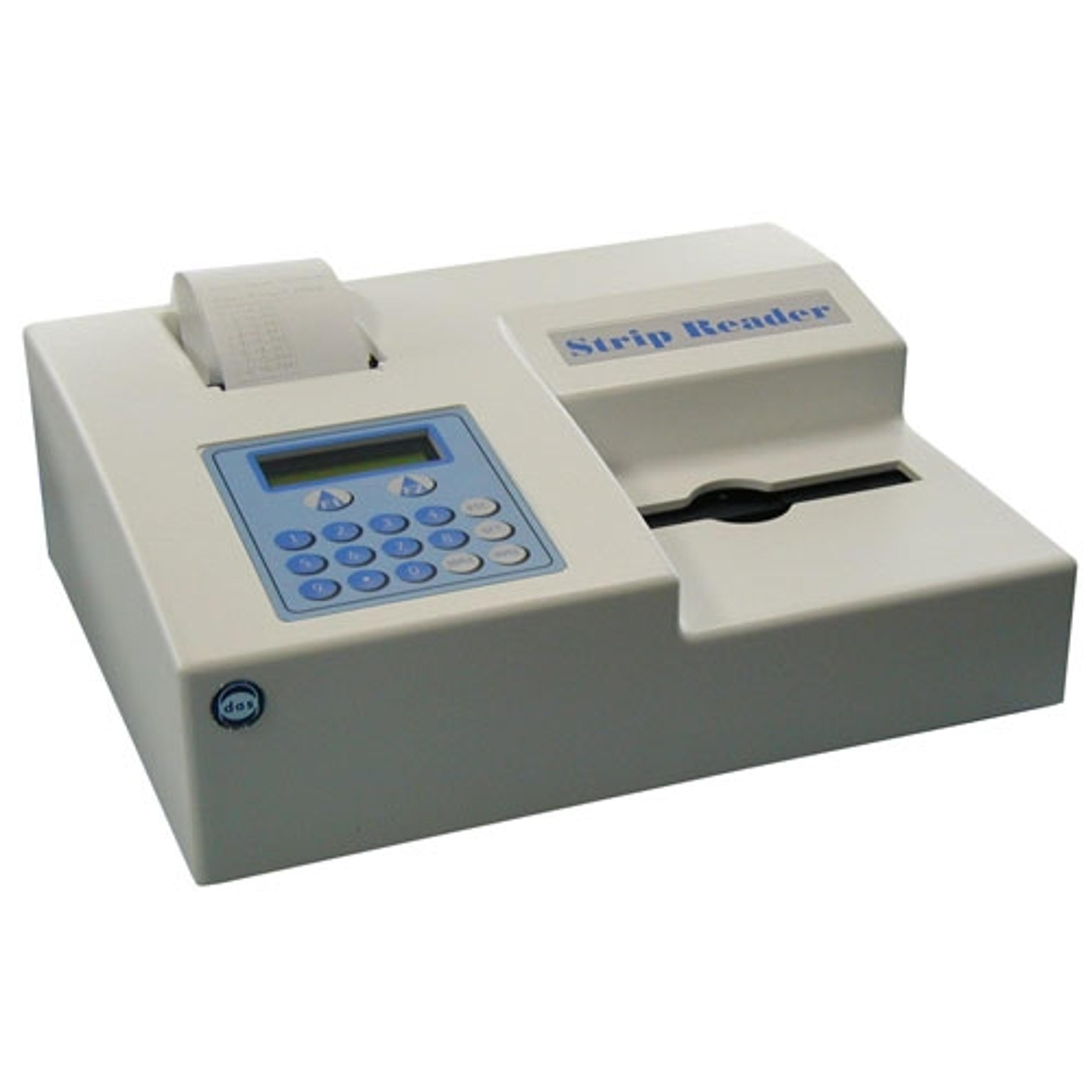
STRIP READER is a one channel photometer able to read strips with 8/12 wells or part of them.
The Qubit RNA BR (Broad-Range) Assay Kit, when used with the Qubit Fluorometer, provides an accurate and selective method for the quantitation of high-abundance RNA samples.
The Qubit RNA HS Assay Kit, when used with the Qubit Fluorometer, provides an accurate and selective method for the quantitation of low-abundance RNA samples.
Quickly determine quality and integrity of an RNA sample. The Qubit RNA IQ Assay Kit assesses RNA quality at a lower cost and with a simple workflow.
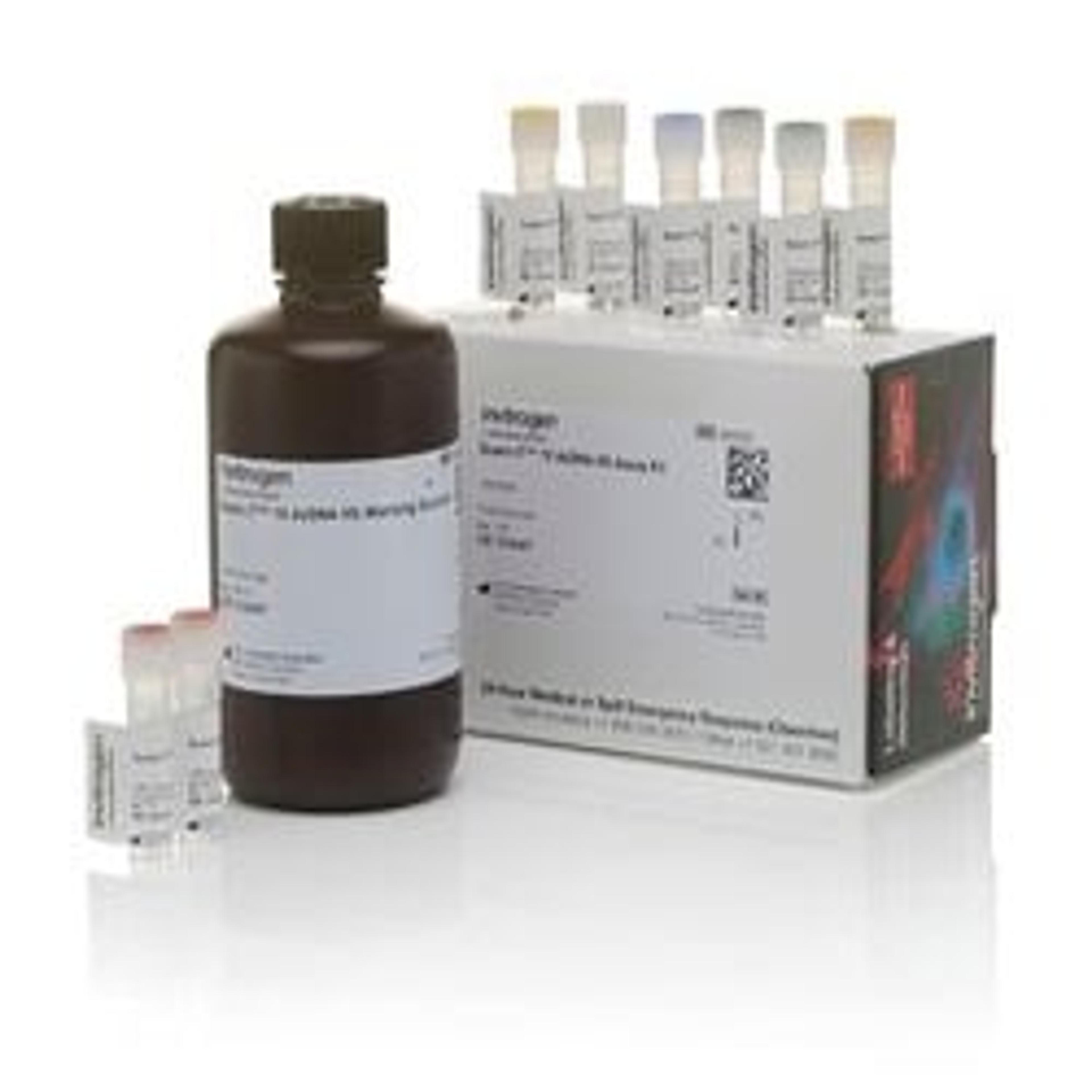
Simply add your sample (between 1 µL and 20 µL) to the ready-to-use solution and read the dsDNA concentration using a fluorescent-based microplate reader.
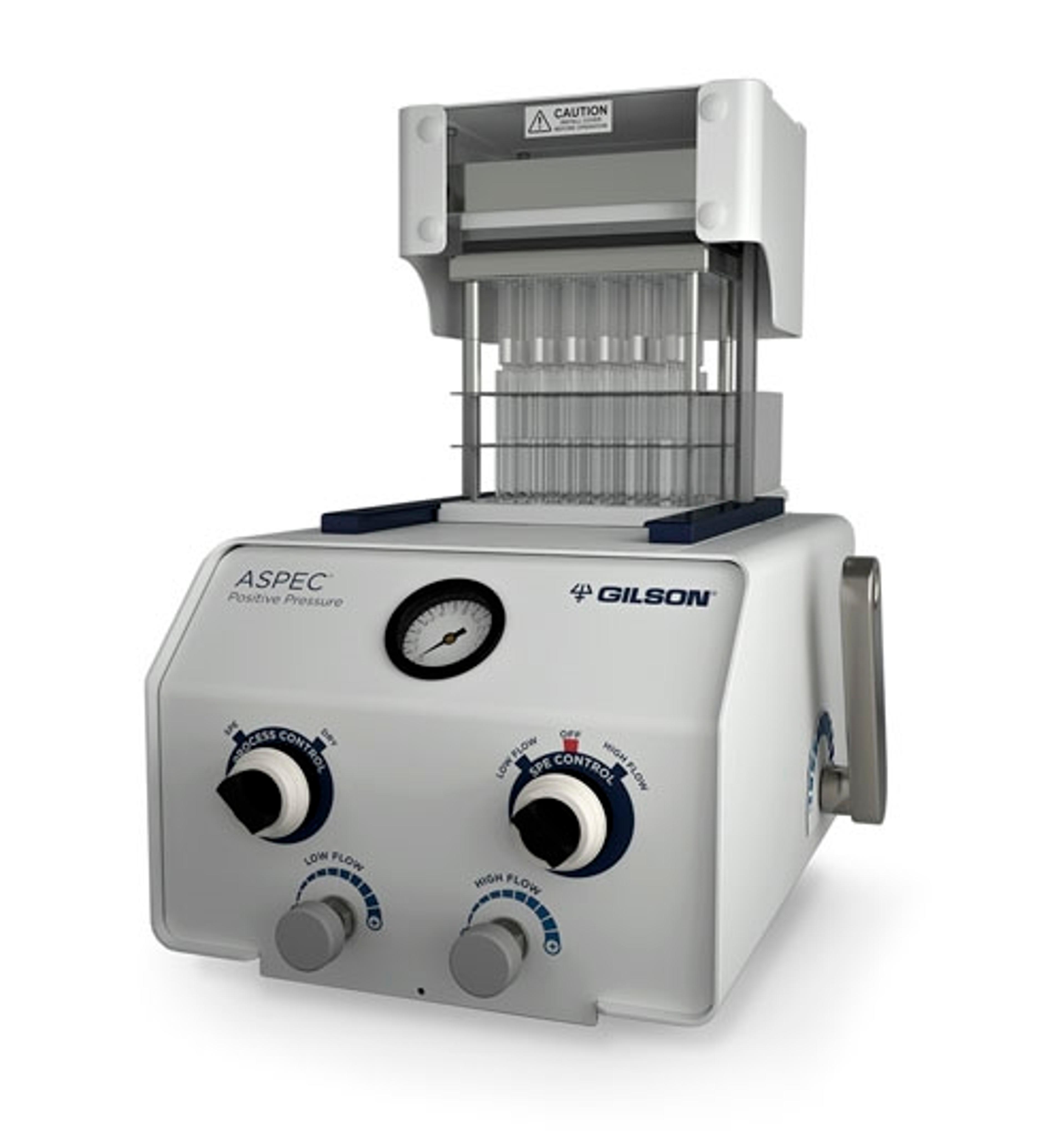
The ASPEC Positive Pressure Manifold uses positive pressure to improve reproducibility and recovery for solid phase extraction (SPE) applications.
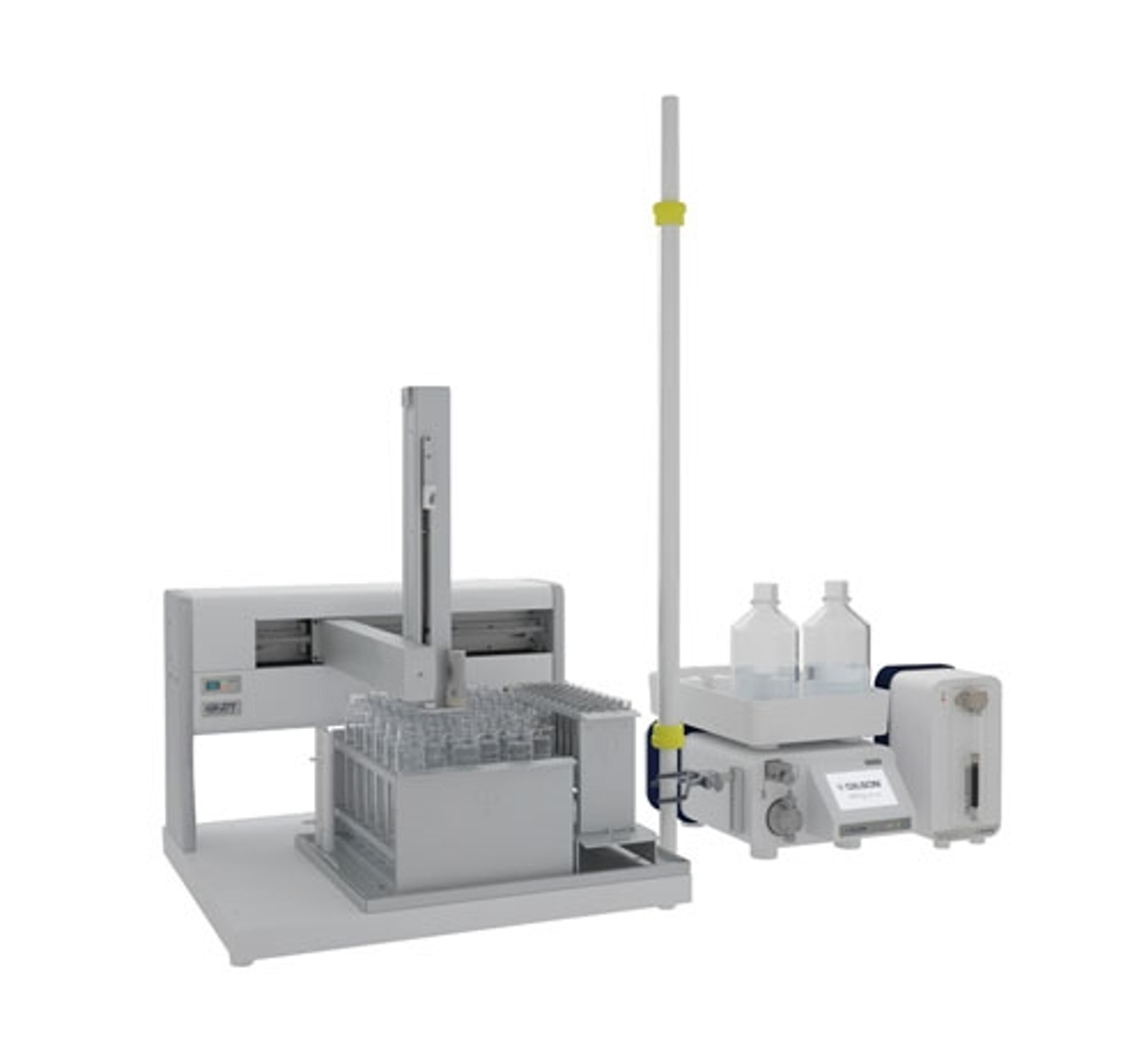
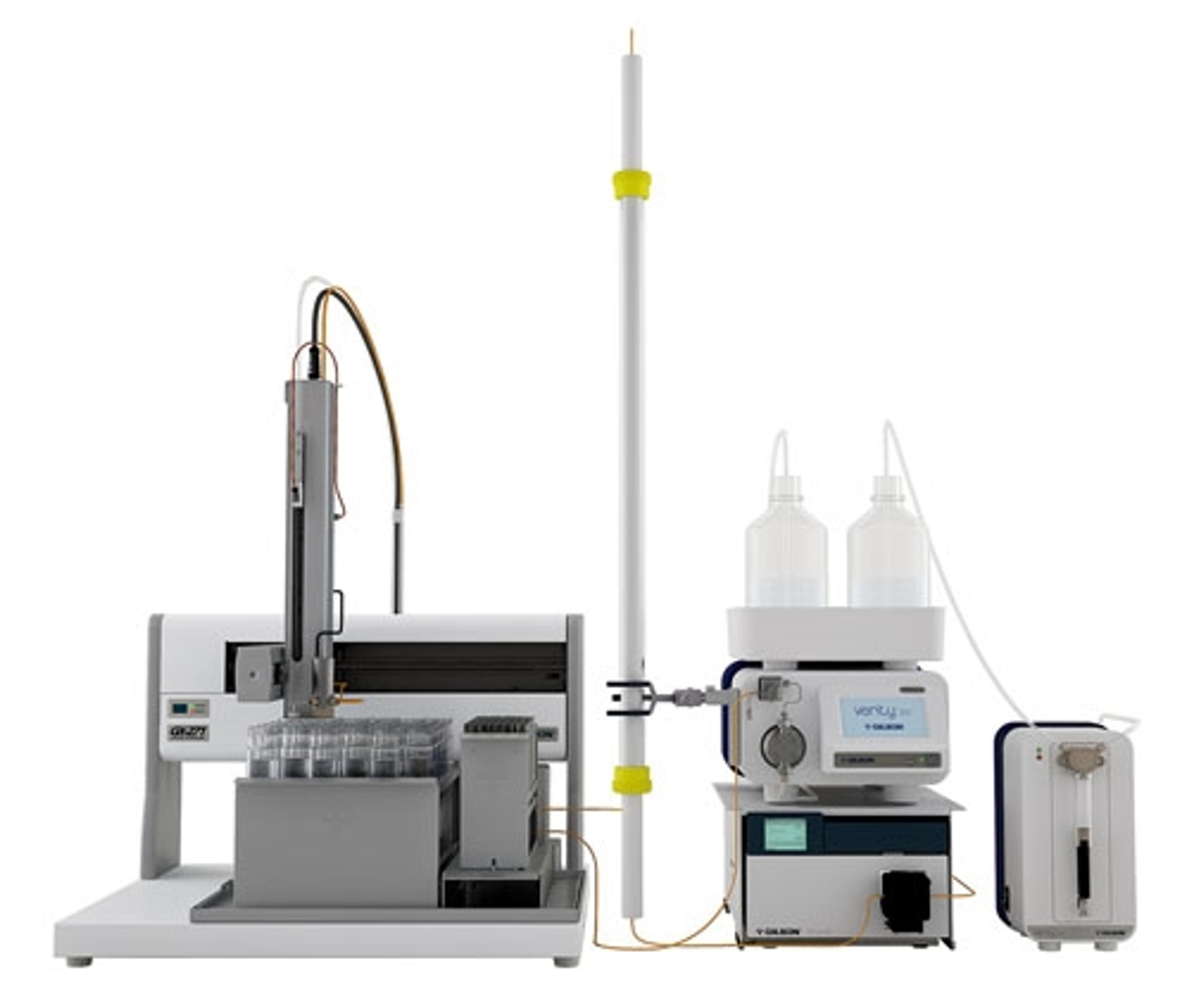
The VERITY® GPC Cleanup System is an ideal solution for post-extraction cleanup of high-molecular weight interfering substances from environmental samples, food products, and animal tissue prior to analysis using gel permeation chromatography (GPC). Removal of these contaminants leads to more reliable results, fewer sample repeats, and less downtime for downstream chromatography instruments.
The VERITY® GPC Cleanup System is an ideal solution for post-extraction cleanup of high-molecular weight interfering substances from environmental samples, food products, and animal tissue prior to analysis using gel permeation chromatography (GPC). Removal of these contaminants leads to more reliable results, fewer sample repeats, and less downtime for downstream chromatography instruments.