ProductsLife Sciences
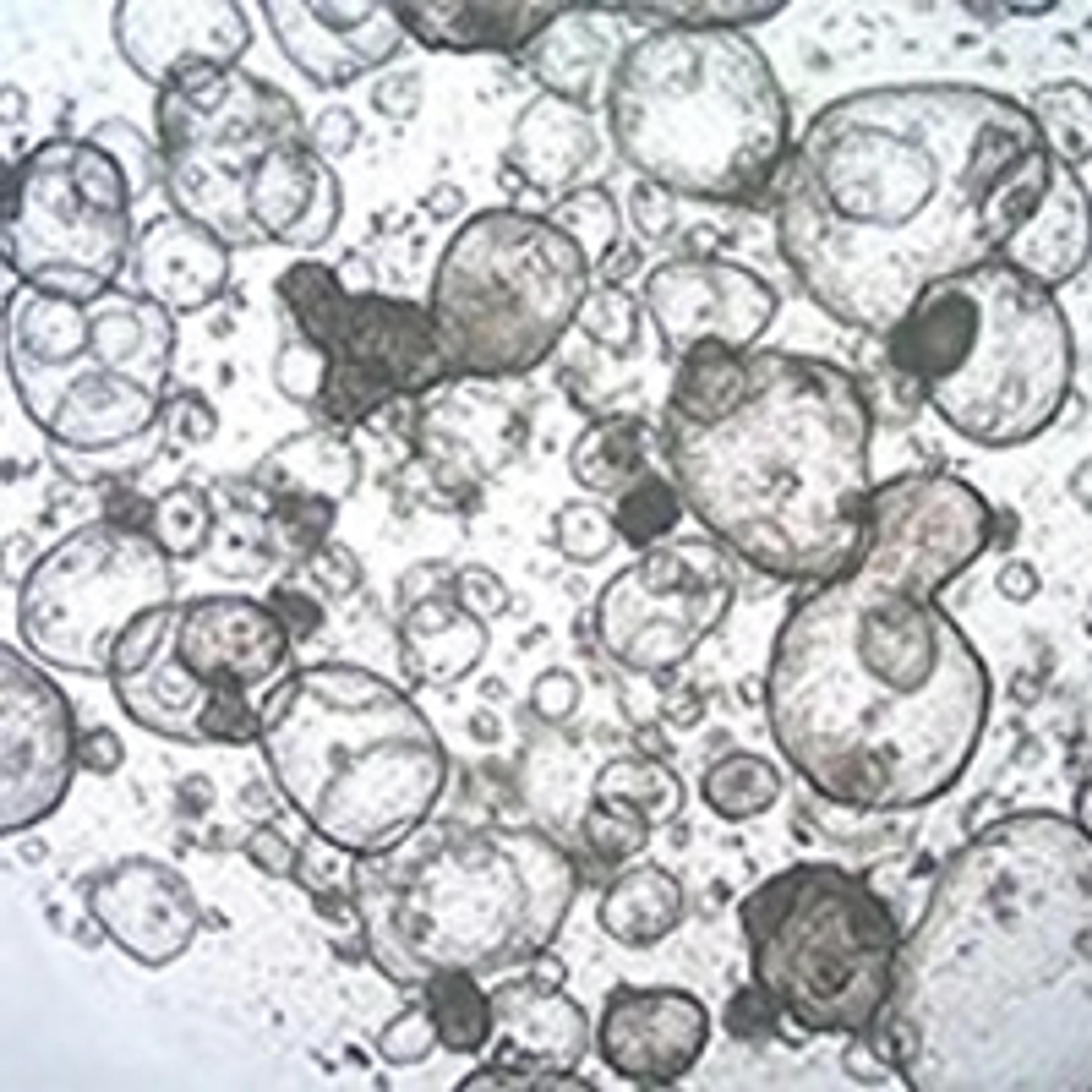
3dGRO™ Patient-Derived Organoid Gastrointestinal Biobank
MerckA comprehensive biobank of highly characterized tissue-derived human gastrointestinal organoids from normal and diseased patients.

A comprehensive biobank of highly characterized tissue-derived human gastrointestinal organoids from normal and diseased patients.
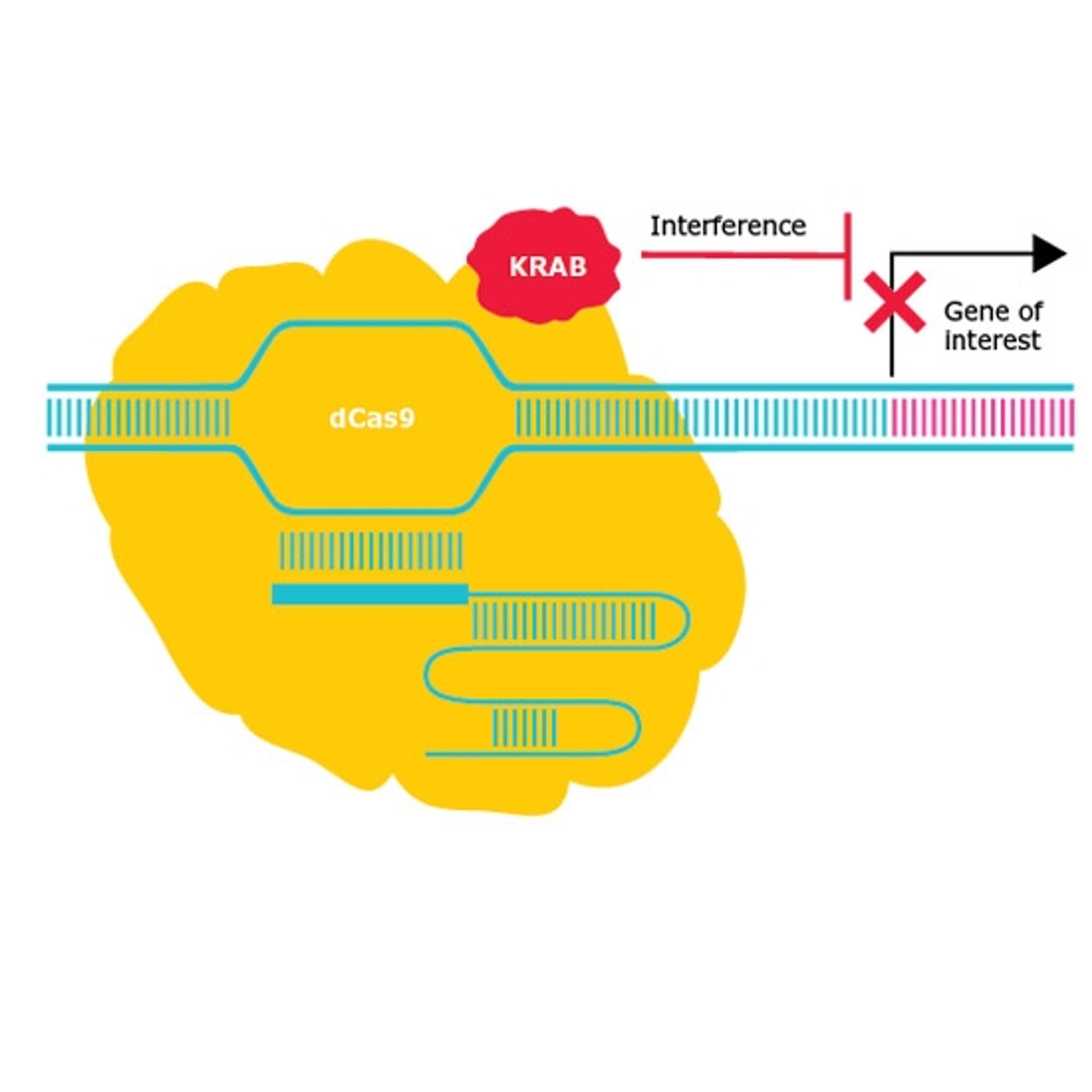
Nuclease-independent applications of CRISPR provide equal targeting specificity but instead of cutting, CRISPRi allows for targeted interference of gene function by delivering transcriptional repressor domains to a specific target sequence using modified dCas9 + gRNA complexes. Gene knockdown is complementary to CRISPR-KO and CRISPRa (activation) and has distinct advantages over existing loss-of-function strategies like RNAi.…
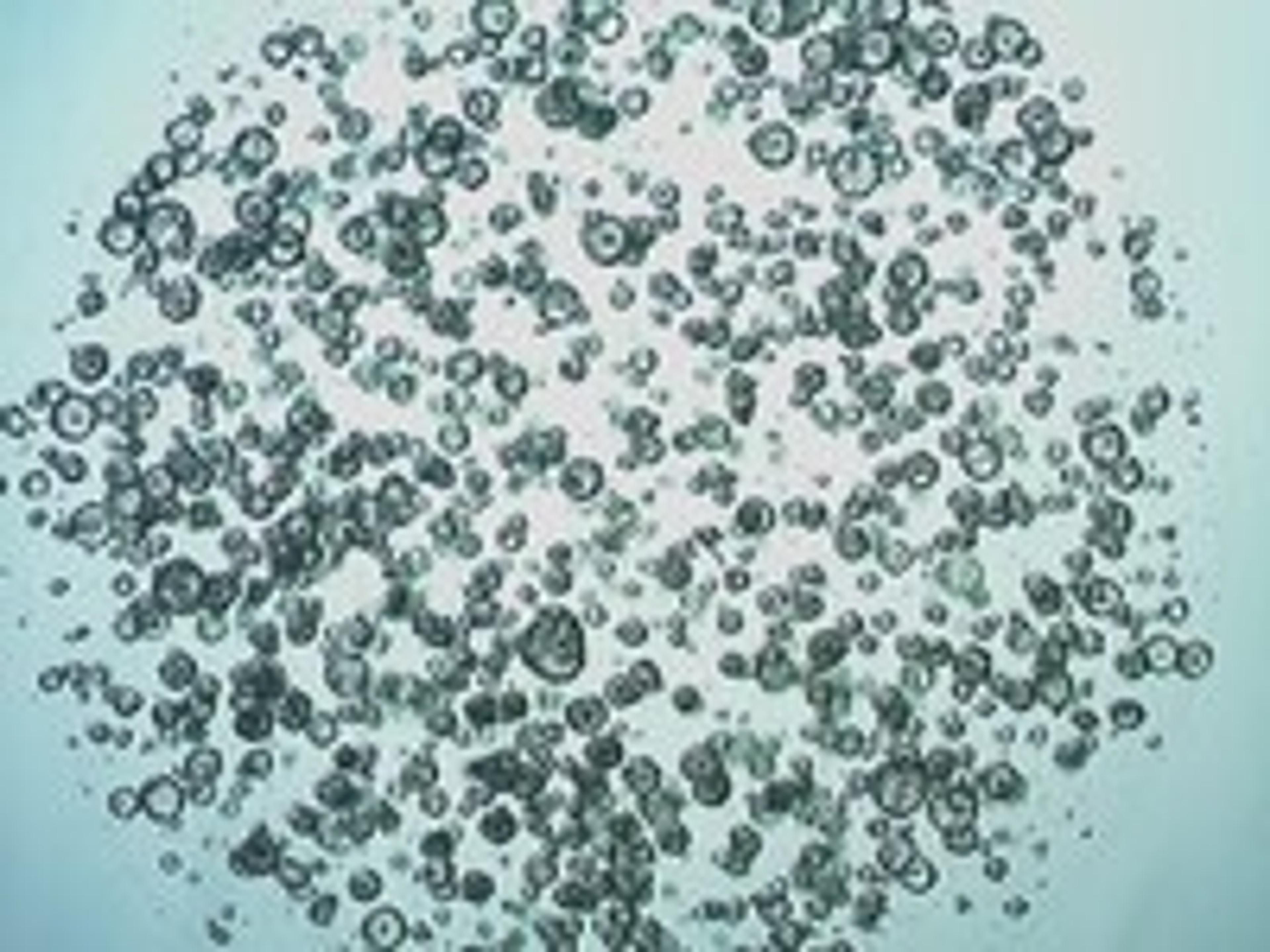
Patient-derived organoids (PDOs) are novel in vitro 3D cell models that preserve original tissue physiology and molecular pathology.
MS β-glucuronidase is a prebuffered, bench-stable, and automation-ready hydrolysis mix for urine drug testing workflows. Discover how to leverage its reduced hands-on time and improved stability.
The next generation of RNP reagents
SeQuant ® HILIC (hydrophilic interaction liquid chromatography) HPLC columns carry densely bonded, zwitterionic functional groups. These columns are available in a variety of lengths, particle sizes, and pore dimensions while showing an exceptional reproducibility and robustness.
Chromolith ® columns have shown great potential and superiority in comparison to standard silica. In contrast to conventional, packed-particle columns, wide pore (300 Å) monolithic silica columns are made of a single continuous-bed rod of high purity porous silica that is then bonded with C18, C8, C4, Epoxy, and Protein A depending on the use of the column.
Accurate Photometric analysis for Water, Environmental, Food and Beverage Testing
The T7 Endonuclease Detection Assay is a well-known method for detecting genome editing events from CRISPR, Zinc-finger nuclease, and TALEN gene targeting. Originally identified from Escherichia coli bacteriophage, the T7 endonuclease can cleave mismatched heteroduplex DNA, Holliday junctions, branched DNA, and cruciform DNA.
All-in-one, ready-to-use Cas9 and guide RNA (gRNA) expression plasmids for use with monocots and dicots.
Spectroquant ® tests and kits for accurate, precise and consistent results
CRISPR/Cas9-mediated recombineering is the most powerful bacterial genome engineering method to date. In addition, Cas9-mediated recombineering overcomes the dependence on a second recombination step, avoids the creation of destabilizing scar sites, can be used in multiplexing, and is less time-consuming than previous protocols.
This Lentiviral Packaging Mix is an optimized formulation of two plasmids expressing the key HIV packaging genes and a heterologous viral envelope gene.
Universal negative control CRISPRs have been designed not to recognize any sequence in the human, mouse or rat genome.
Compare and contrast the features of a wide variety of guide RNA (gRNA) and Cas9 products for in vitro and in vivo CRISPR experiments. Select the best formats for your mammalian or plant applications: SygRNA ® synthetic gRNA, plasmid DNA, lentiviral particles, and proteins.
An easy-to-use, modular platform to co-culture different cell types in discrete 3D and 2D compartments.
Exclusive human or mouse whole genome arrayed libraries developed with the Wellcome Sanger institute
Pooled CRISPR screening with 10x Genomics compatibility
for Latex Agglutination and Latex Turbidimetry Immunoassay
Easier nucleic acid preparation with fewer impurities.
Easier nucleic acid preparation with fewer impurities.
Powder, γ-irradiated, BioXtra, suitable for cell culture.
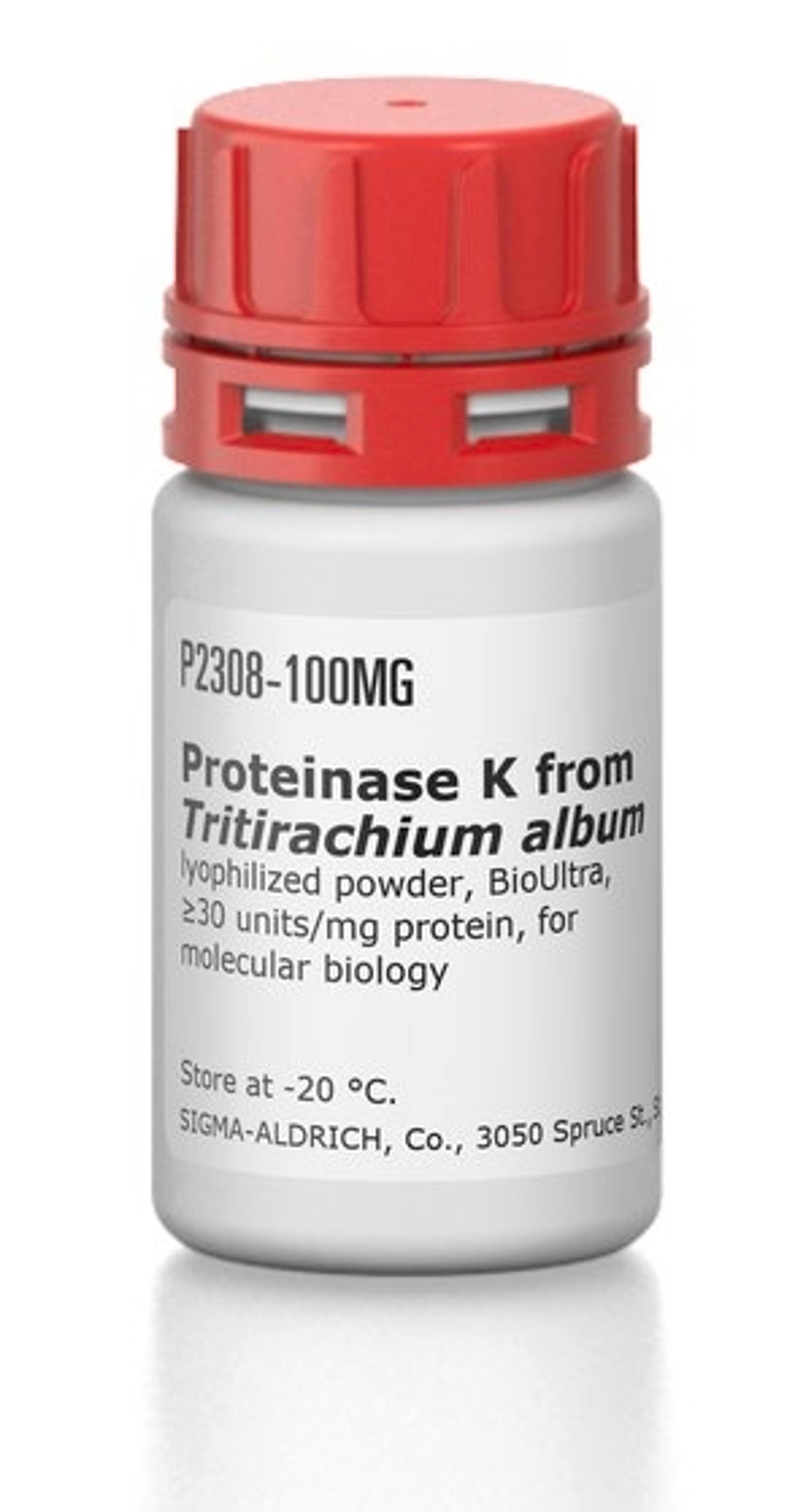
Lyophilized powder, BioUltra, ≥30 units/mg protein, for molecular biology.