PLRP-S for Biomolecules
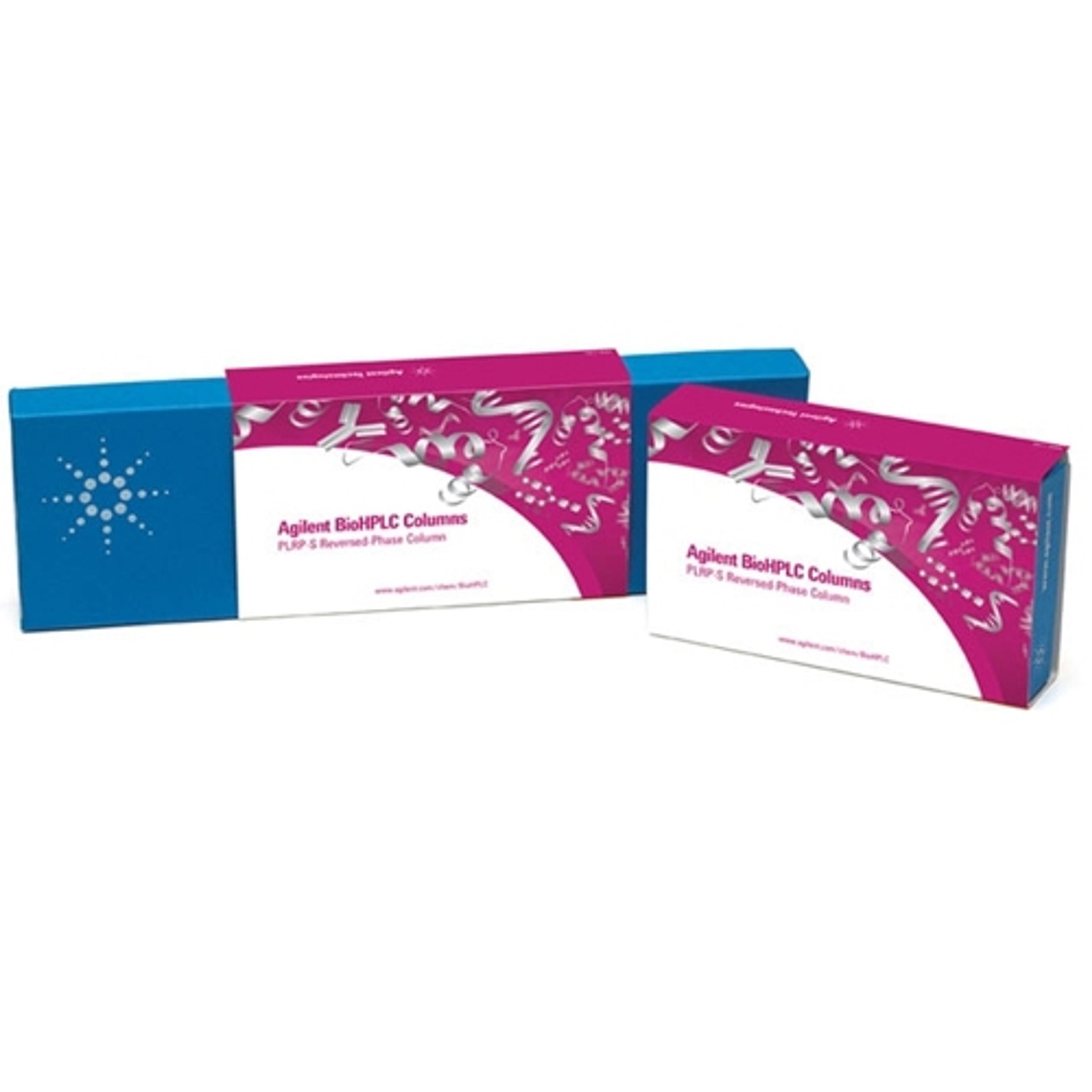
PLRP-S for Biomolecules products are available in a range of pore sizes and particle sizes, all with identical chemistry and fundamental adsorptive characteristics. The particles are inherently hydrophobic so there is no bonded phase, alkyl ligand required for reversed-phase separations.
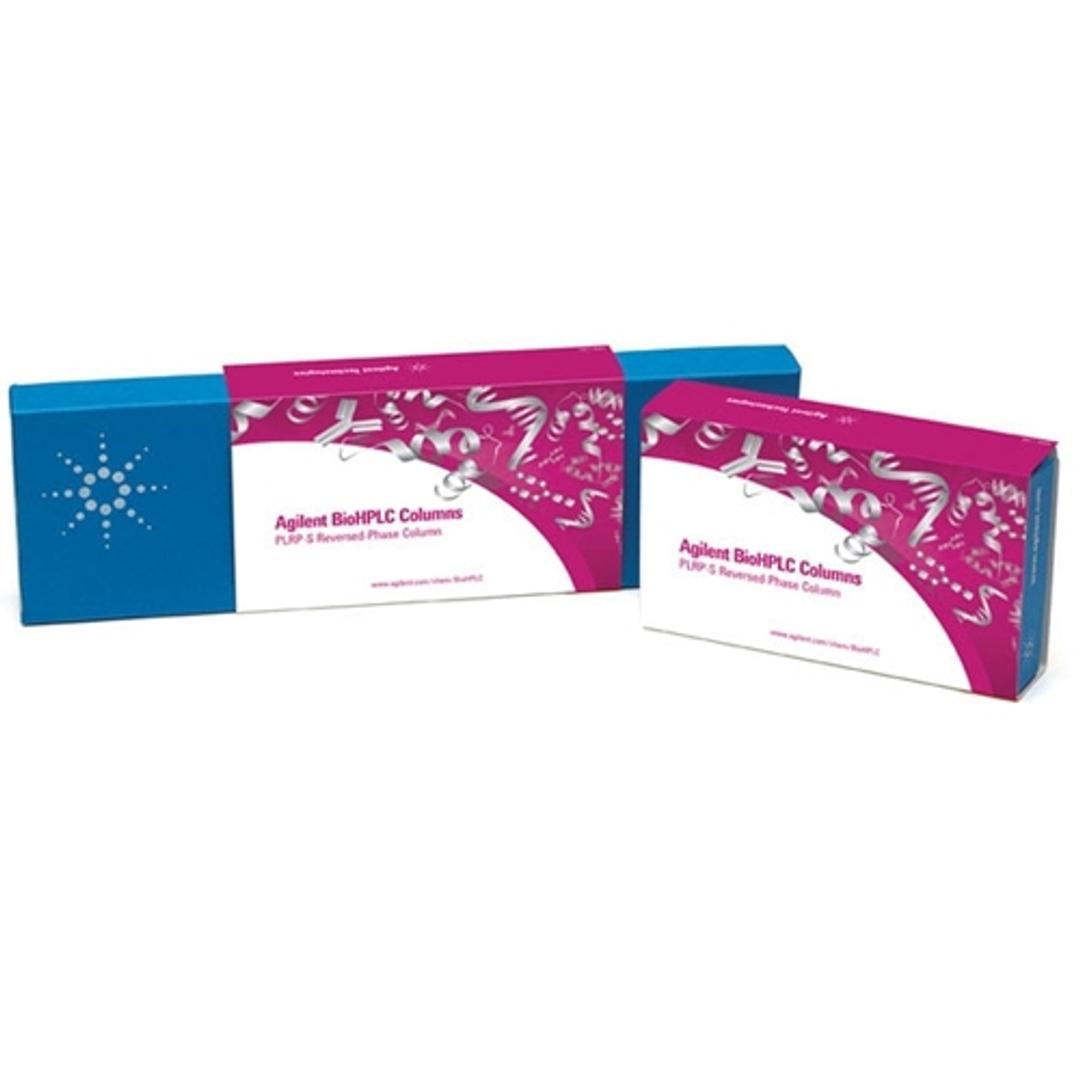


Place your order directly with the manufacturer.
PLRP-S for Biomolecules products are available in a range of pore sizes and particle sizes, all with identical chemistry and fundamental adsorptive characteristics. The particles are inherently hydrophobic so there is no bonded phase, alkyl ligand required for reversed-phase separations.
This gives a highly reproducible material that is free from silanols and heavy metal ions. Within the extensive product range are columns suitable for analytical separations, and preparative purifications. In addition, process columns can be packed with the bulk media.
Features:
- Contain durable and resilient polymer particles that deliver reproducible results over longer lifetimes
- Thermally and chemically stable
- Comply with USP L21 designation
- Used in bioscience, chemical, clinical research, energy, environmental, food and agriculture, material science and pharmaceutical industries
- Pore sizes (100Å-4000Å) for separations of small molecules to large complexes and polynucleotides
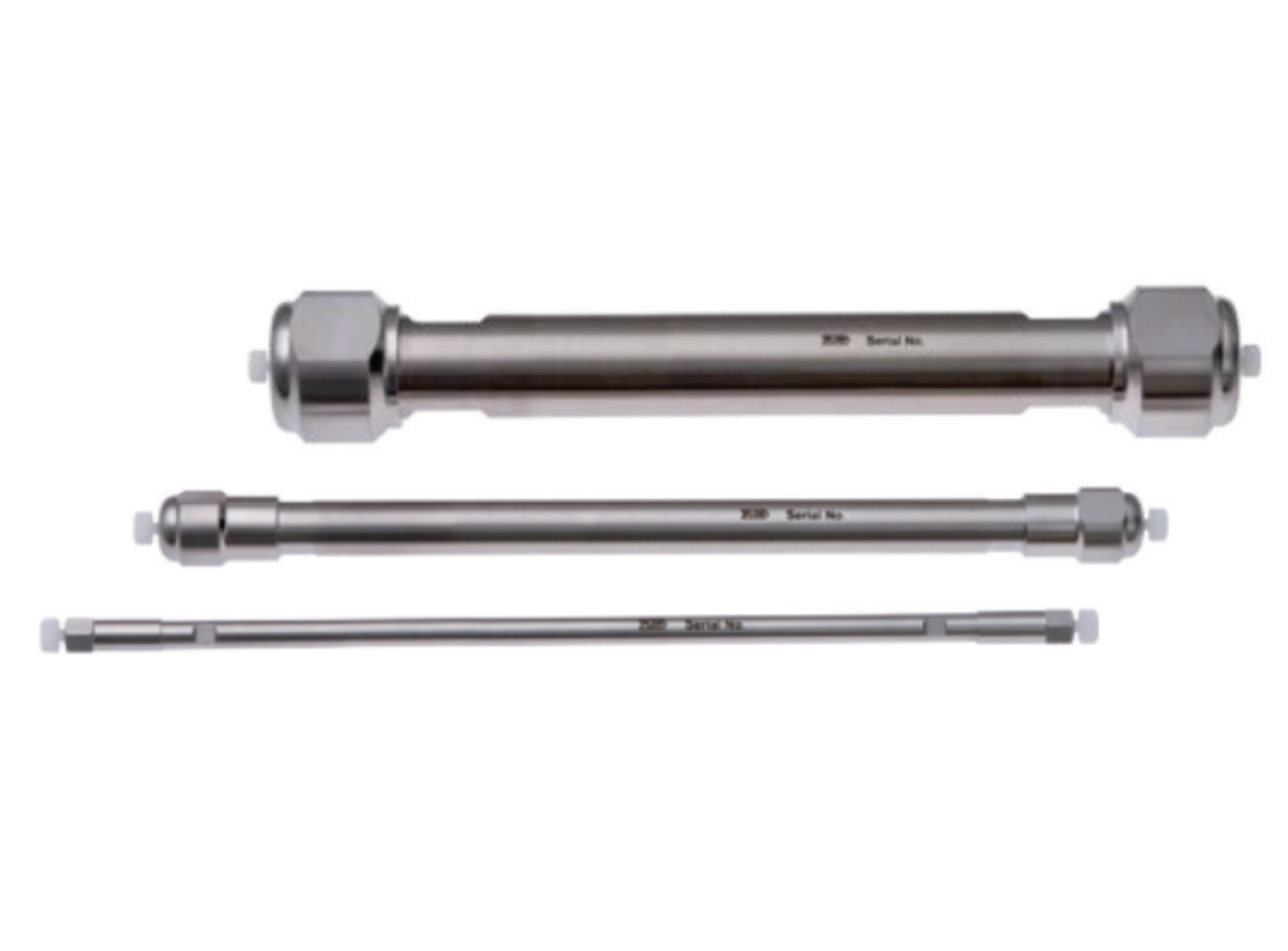
Generating pure oligonucleotides with PLRP-S
Discover how Agilent's PLRP-S reversed-phase HPLC columns and media ensure high-purity oligonucleotides for genomics applications like quantitative PCR, microarrays, and gene synthesis assays.

Optimizing analysis and purification of a synthetic peptide using PLRP-S columns
Reversed-phase ion-pair chromatography has become increasingly useful for the analysis and purification of synthetic peptides using mobile phases containing trifluoroacetic acid (TFA) as an ion-pair reagent. This application note from Agilent describes the analysis of a synthetic peptide and how to scale-up methods using an Agilent PLRP-S analytical HPLC column.
Interactive Biopharmaceutical HPLC Analysis Content Hub launched
Advance your biopharma research through HPLC with this first-of-its-kind application-focused resource