PAL Method Composer
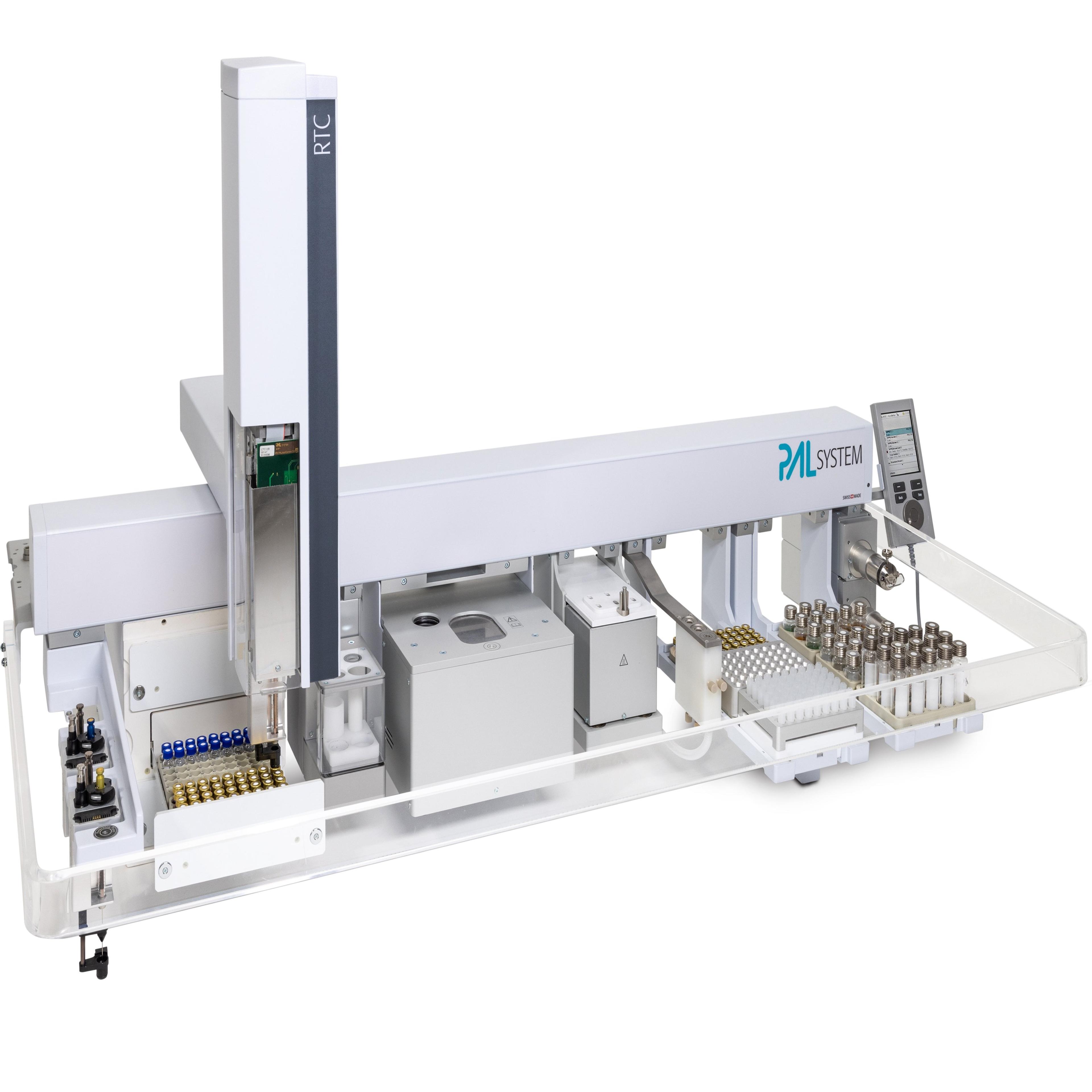
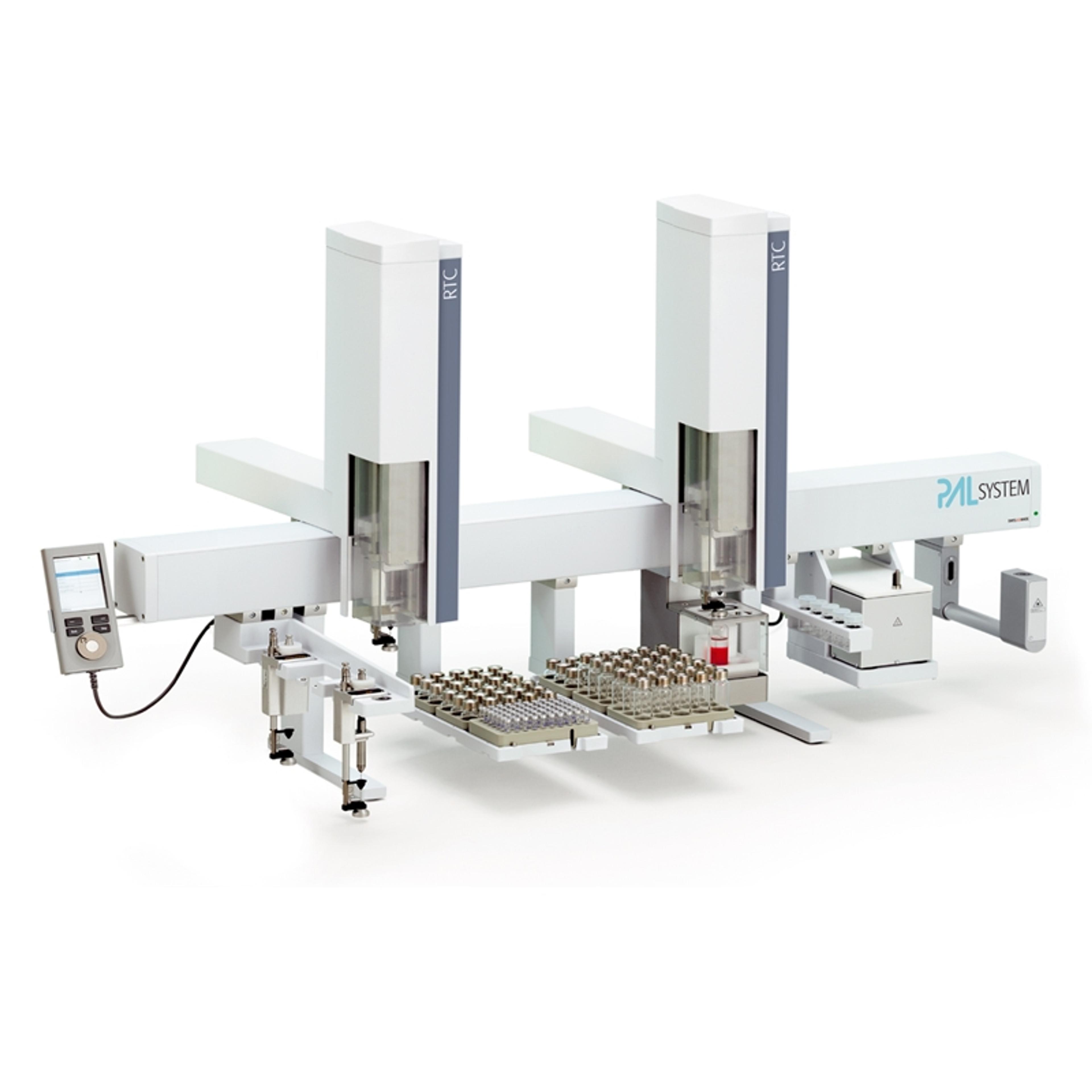
PAL Method Composer is the new tool to easily develop and test methods directly with the PAL3 System.

Receive your quote directly from the manufacturer.
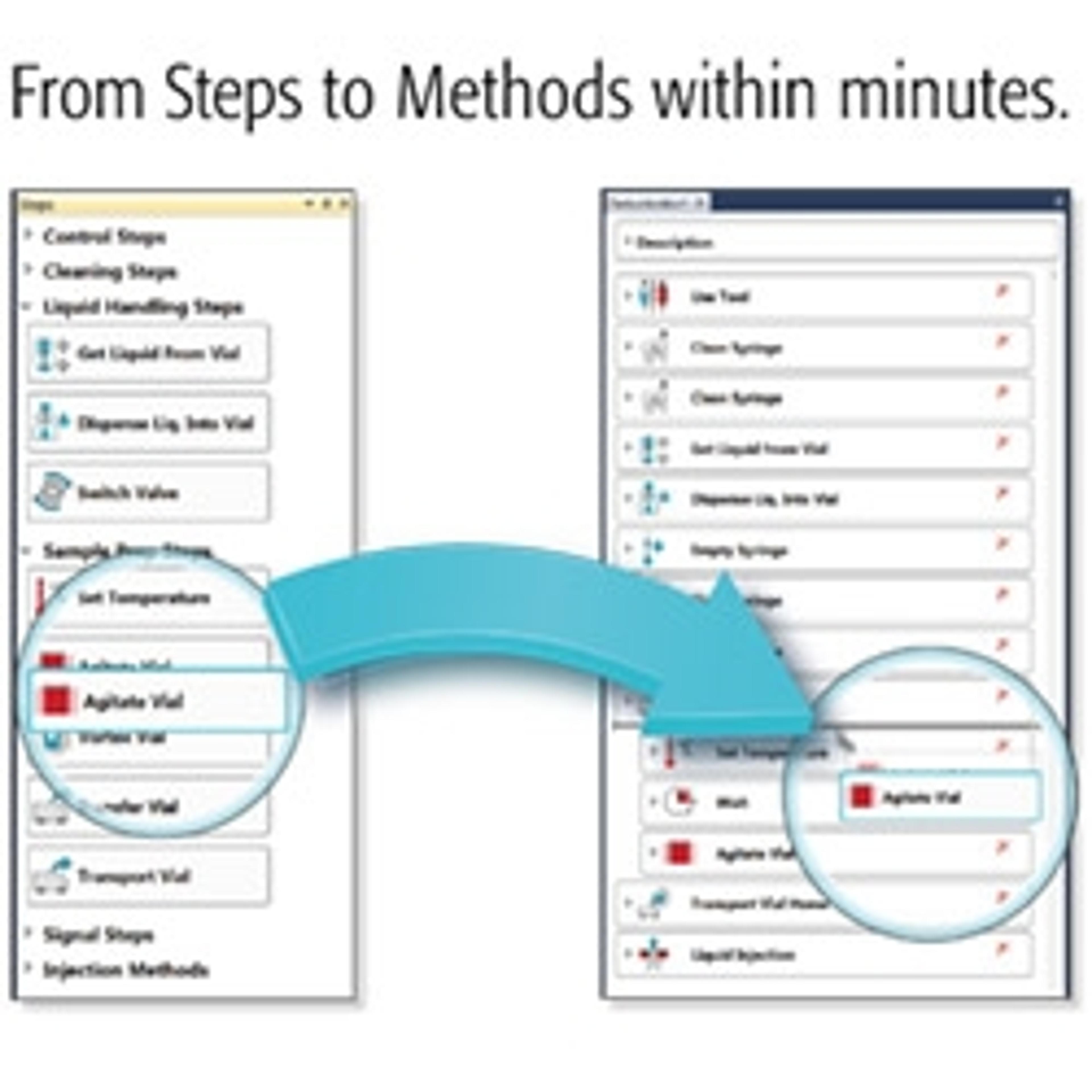
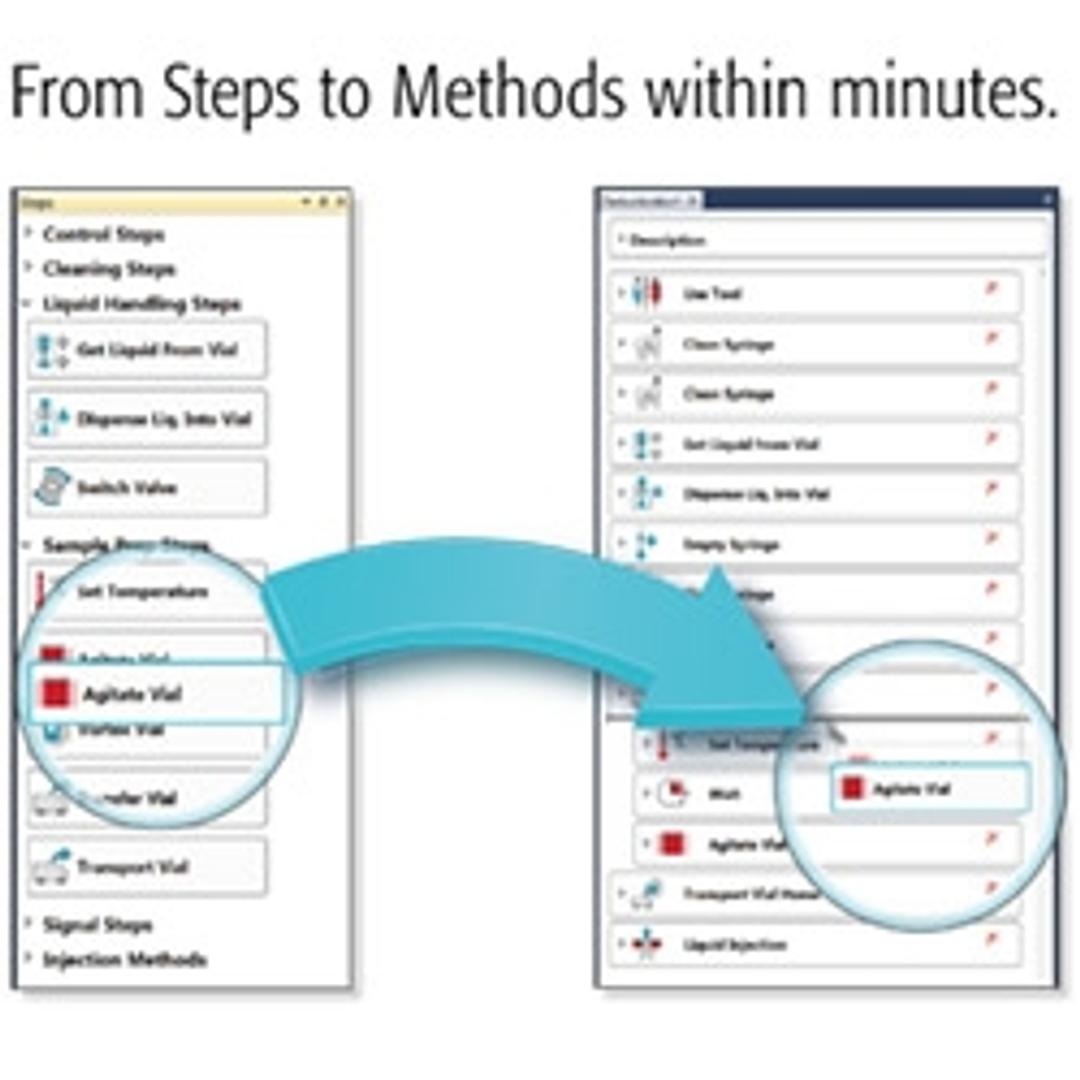
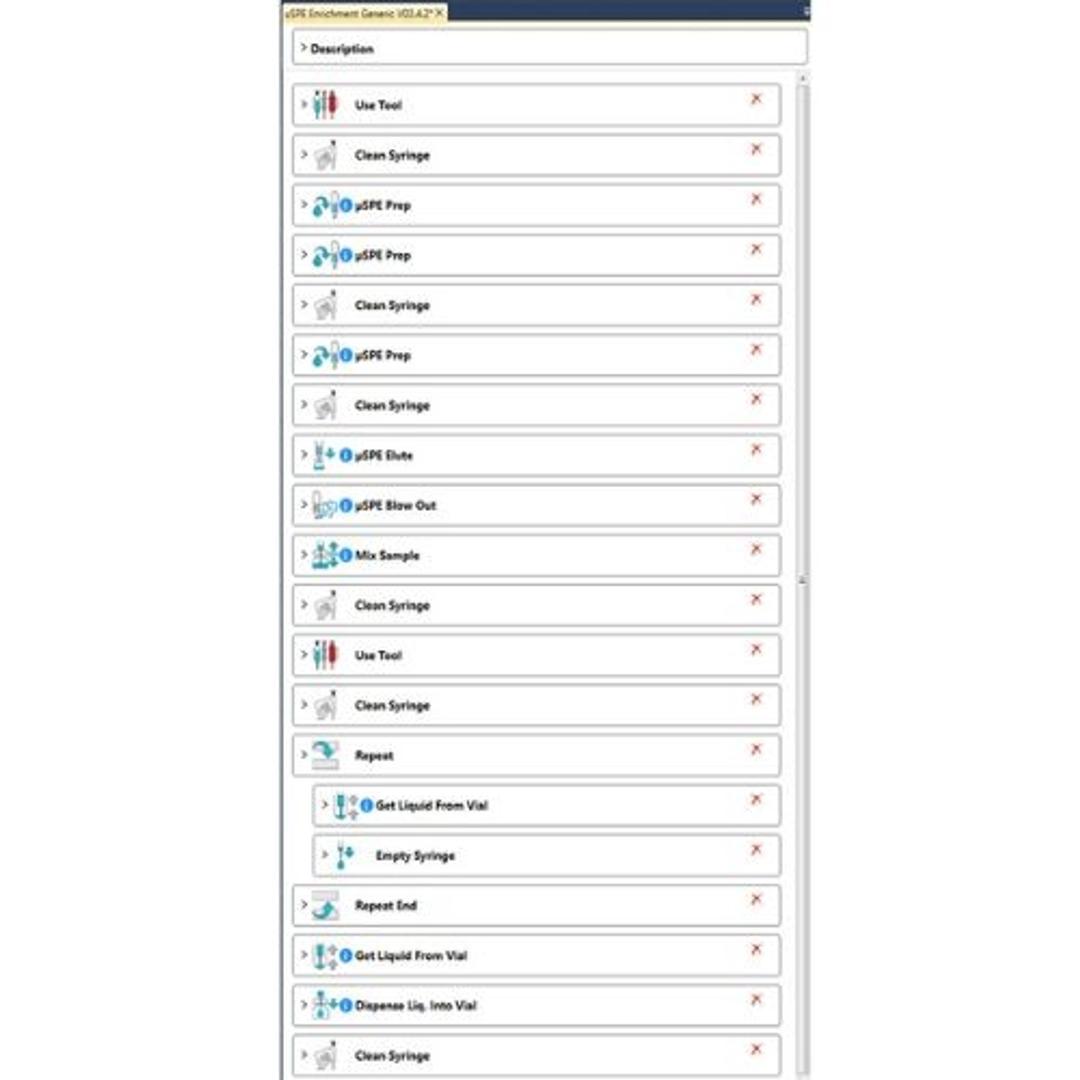
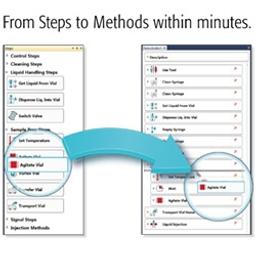
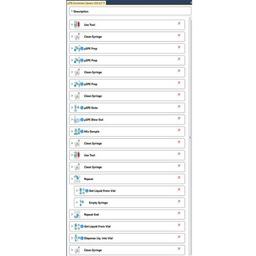
The PAL Method Composer (PMC) is an intuitive software that offers direct access to all the PAL System’s capabilities. By simply dragging and dropping the individual prep steps, this user-friendly interface allows you to quickly develop and test customized methods which can then be imported and used directly in a wide list of Chromatographic Data Systems (CDS) or MS-Data Systems.
Brochures

PAL Method Composer: Methods in minutes
In this product brochure, CTC Analytics introduces the PAL Method Composer, providing users direct access to the PAL3 System’s capabilities. With a user-friendly interface, methods are effortlessly created through a 'drag and drop' process, comprising multiple steps to accomplish specific tasks. These methods can be seamlessly imported and utilized within the designated Chromatography Data Systems (CDS) or MS-Data System, integrating the PAL3 System into LC-MS or GC-MS setups.
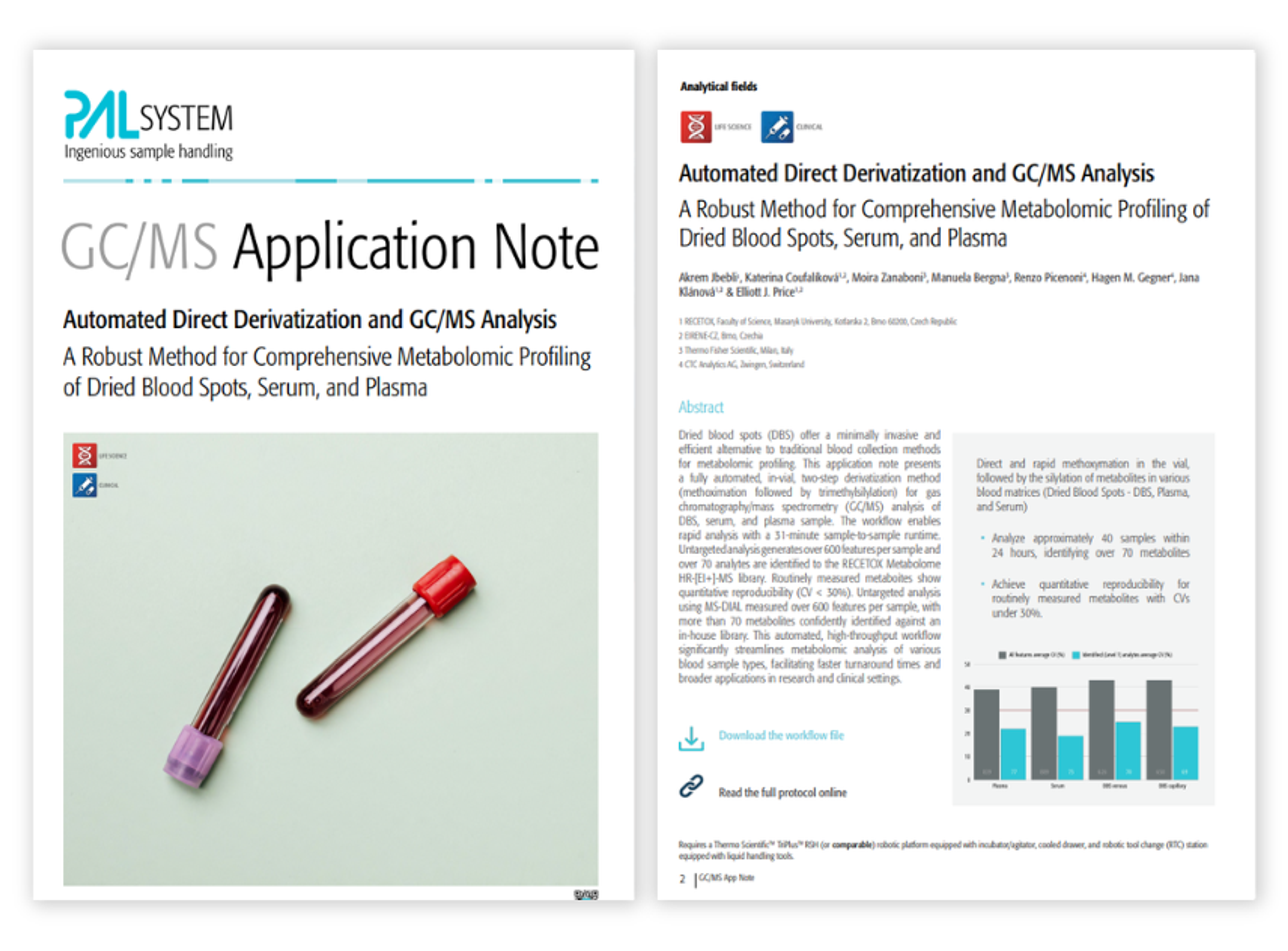
A robust method for comprehensive metabolomic profiling of dried blood spots, serum, and plasma
Compared to traditional blood collection methods, dried blood spots (DBS) offer a minimally invasive and efficient alternative for metabolic profiling. GC/MS is a widely utilized analytical platform in metabolomics; however, many metabolites are not stable enough for direct analysis.
In this application note, PAL System, a brand of CTC Analytics, details a fully automated, in-vial derivatization method for GC/MS analysis of DBS, serum, and plasma samples, focusing on its application to untargeted metabolomic analysis.
CTC Analytics AG sample preparation compendium
Dive into the realm of sample preparation, a crucial part of the pre-analytical phase, exploring how automation – particularly using x,y,z robots and innovative tools for streamlining extraction procedures – transforms workflows for laboratories relying on liquid chromatography/mass spectrometry (LC/MS) and gas chromatography/mass spectrometry (GC/MS). Beyond this, these workflows may also serve as an inspiration for other analytical platforms.
Streamlining metabolomic analyses with automated derivatization and injection workflows
Metabolites, the dynamic molecules reflecting cellular processes, hold the potential for understanding health, disease, and biological systems. To unlock this potential, metabolomic analyses require precise and reliable analytical methods.
This application note explores the workflow of the Metabolomics Core Technology Platform (MCTP), a core facility of Heidelberg University (Germany), discussing their semi-automated analysis for untargeted metabolomics and ¹³C tracing studies via gas chromatography-mass spectrometry (GC-MS). Discover how the MCTP‘s automated derivatization process enhances the reliability of results, while their flexible workflow accommodates diverse biological sample types, including plasma, serum, urine, feces, tissue samples, cell culture and supernatant. Learn about the crucial role of sample preparation, the advantages of a two-step derivatization protocol, and how automation streamlines workflows for optimal instrument efficiency and high-quality metabolomics data.
Rice flavor compounds from robotically cooked rice
Rice is the seed of Oryza sativa L. and aromatic rice varieties have recently gained wider acceptance across the globe. Because of their characteristic aroma and flavor, they are highly favored and command higher prices in rice markets. Thus the ability to analyze flavor profiles is relevant to food quality laboratories. The rice seed itself usually does not release flavor or aroma compounds. By cooking in continuous boiling water for about 10 minutes, the fragrance components are released. The fragrance products might be formed through the Maillard reaction. In this application note, CTC Analytics introduces a simple, reliable, and full automated method for boiling and analyzing rice samples.
Routine pesticide analysis using micro-SPE
The methodology of generic extraction with ethyl acetate is well established, but clean-up procedures are a major obstacle for the steadily increasing sample throughput due to the additional manual workload addressing separately the different kind of food commodities of a governmental laboratory. In this application note from CTC Analytics, explore the application of micro solid phase extraction (µSPE) for the clean-up of the raw extracts using ethyl acetate as extraction solvent for pesticides from different also more complex food commodities.
Automated determination of fatty acid methyl esters using a method developed by PAL Method Composer
In this application note, CTC Analytics presents an efficient method for the generation and GC-analysis of fatty acid methyl esters (FAMEs) using the PAL Method Composer ver. 1.4. The PAL Method Composer allows users to rapidly generate methods by simple drag & drop operations.
See the PAL Method Composer in action
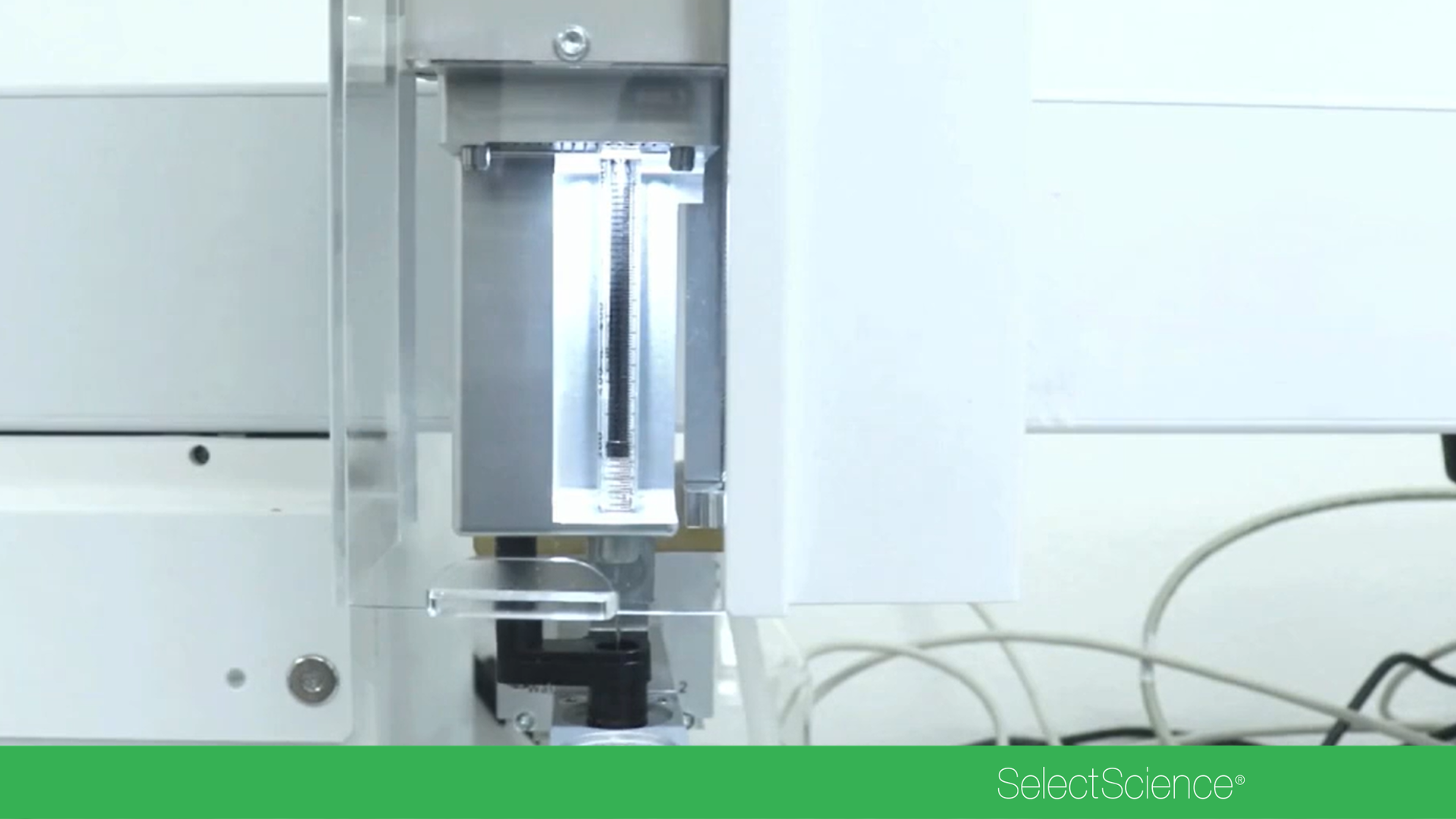
Learn how to use the PAL Method Composer (PMC) from PAL System, a brand of CTC Analytics. In this SelectScience video, we demonstrate how this intuitive software platform enables users to easily develop and test methods directly with the PAL System. The user-friendly interface features drag-and-drop preparation steps, allowing users to quickly create customized methods for use with a wide range of chromatographic data systems and mass spectrometry data systems. Watch the video to discover how the software can help simplify method creation, improve workflow efficiency, and support flexible automation across analytical workflows.
Streamlining sample extraction and cleanup with CTC Analytics' PAL System
In this video, CTC Analytics presents the PAL System. It utilizes walk-away quenchers to extract and clean up samples. The system offers a single workflow that can be applied to multiple matrices for both gas chromatography (GC) and liquid chromatography (LC). It effectively removes lipids, pigments, and other undesirable compounds from the matrix. The process boasts a fast cycle time of under 10 minutes, resulting in a clean extract. Moreover, it enables longer instrument uptime.
PAL Method Composer demonstration
In this video, PAL System, a brand of CTC Analytics, demonstrates how to use the PAL Method Composer, a tool used to develop and test methods directly with the PAL3 System.

Standardizing metabolomics advances biomarker discovery
Discover how prioritizing reproducibility and method validation can empower researchers to unlock the full potential of metabolomics in advancing biomarker discovery and drug development