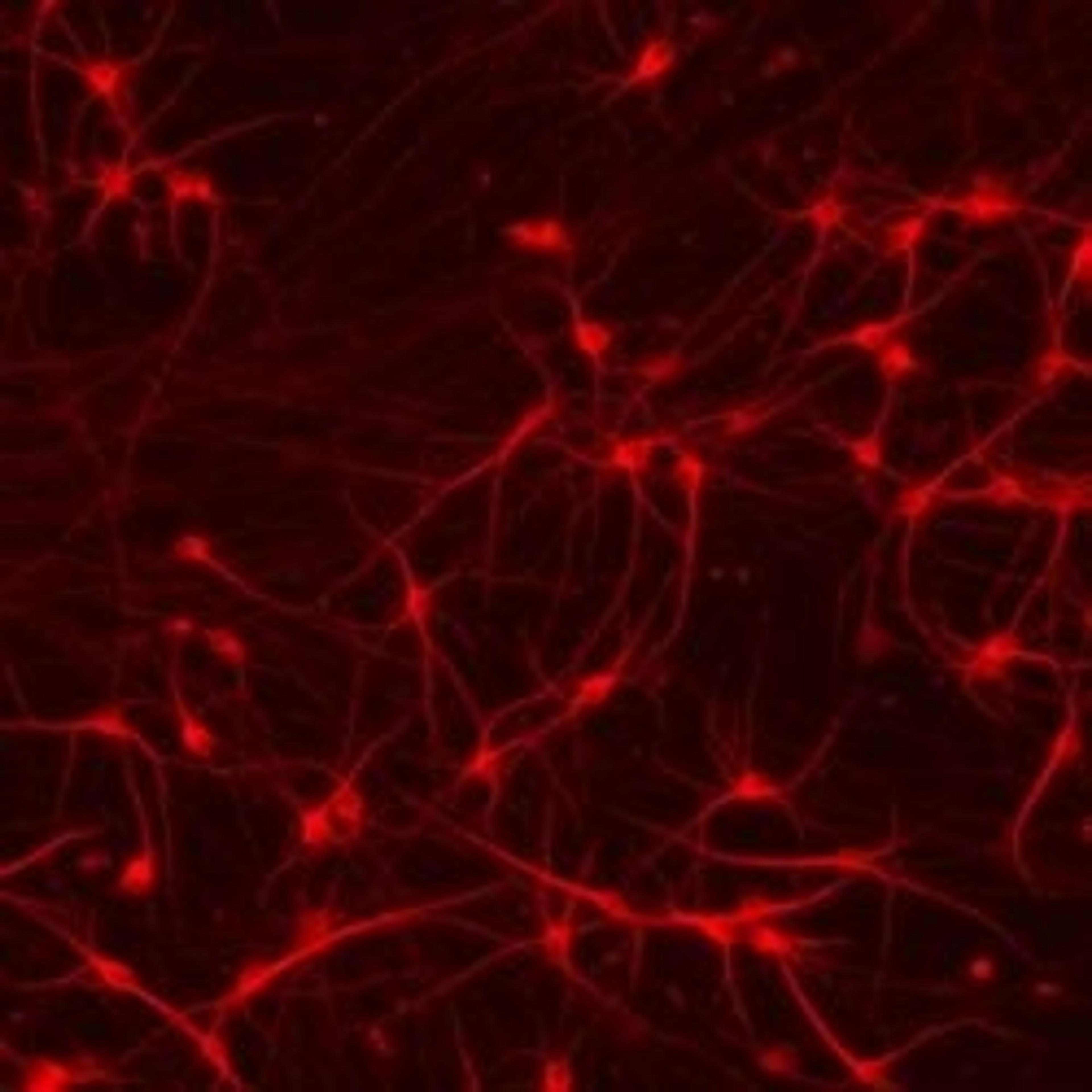
ioGlutamatergic Neurons human iPSC derived glutamatergic neurons
A highly defined, scalable, and consistent source of human central nervous system (CNS) neurons. ioGlutamatergic Neurons, part of the bit.bio ioCells portfolio, are reprogrammed from human induced pluripotent stem cells (iPSC) using bit.bio's precise reprogramming technology: opti-ox™ (optimised inducible overexpression).

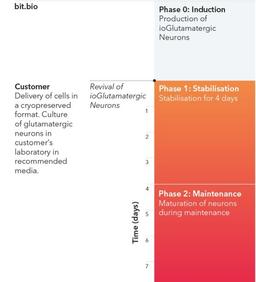
Cells rapidly mature upon revival
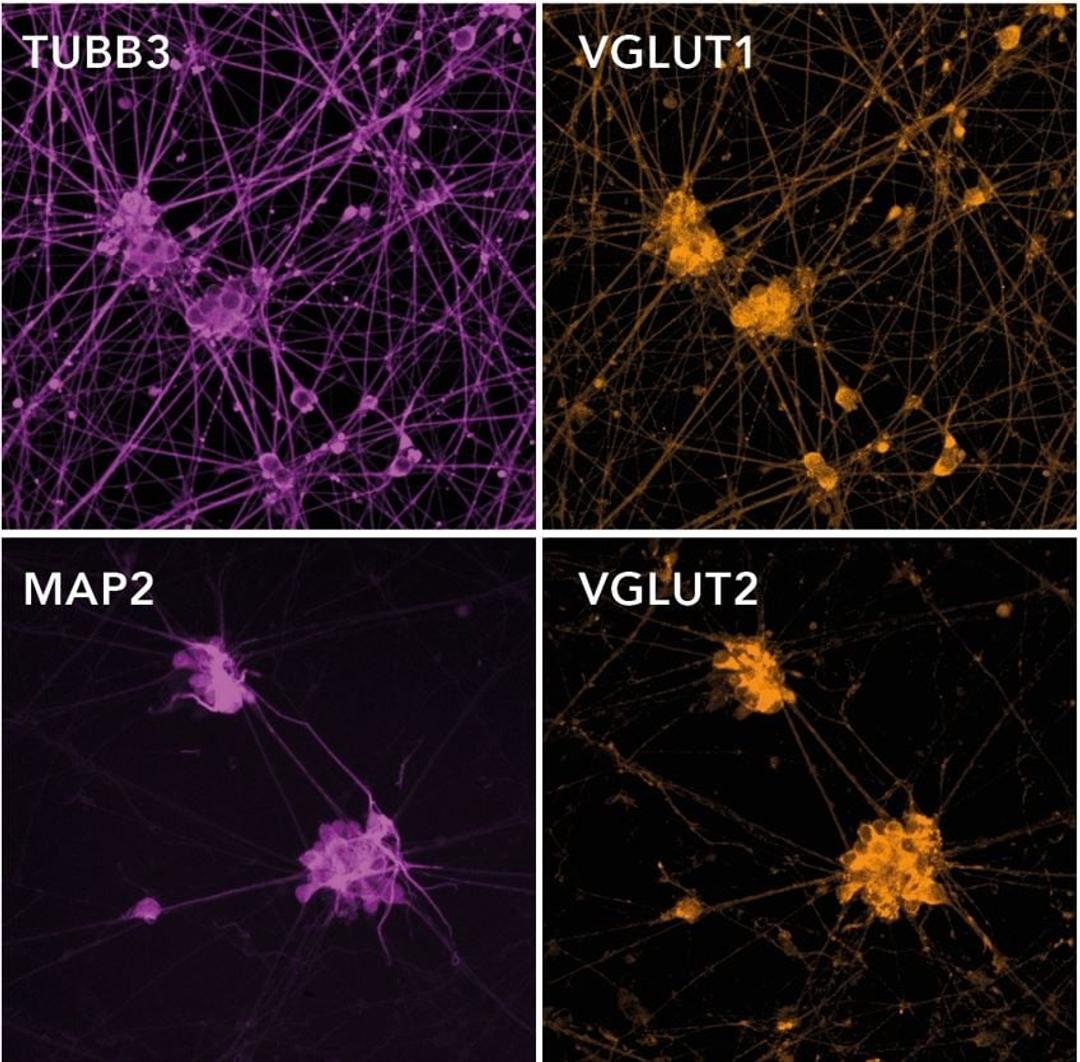
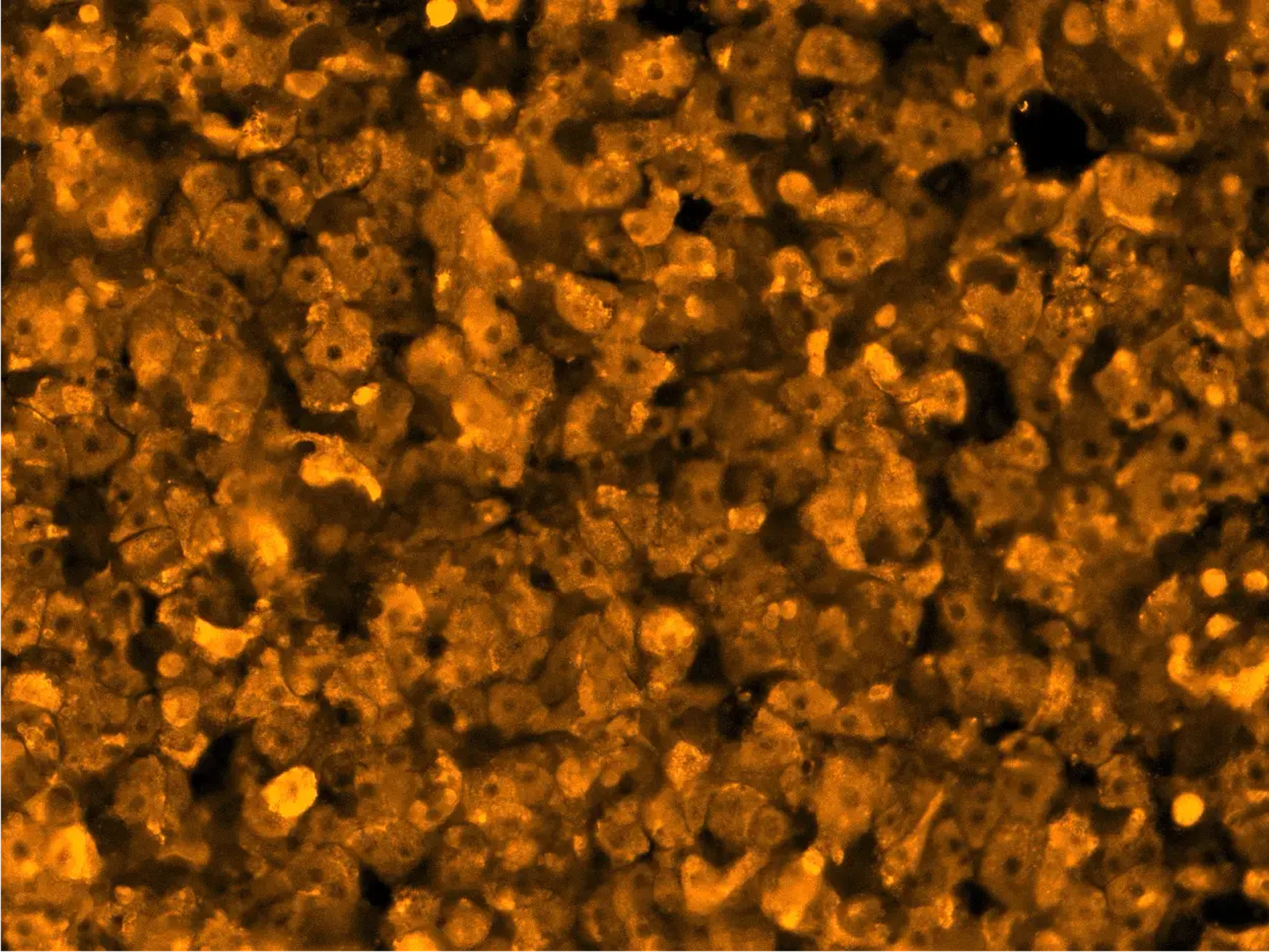
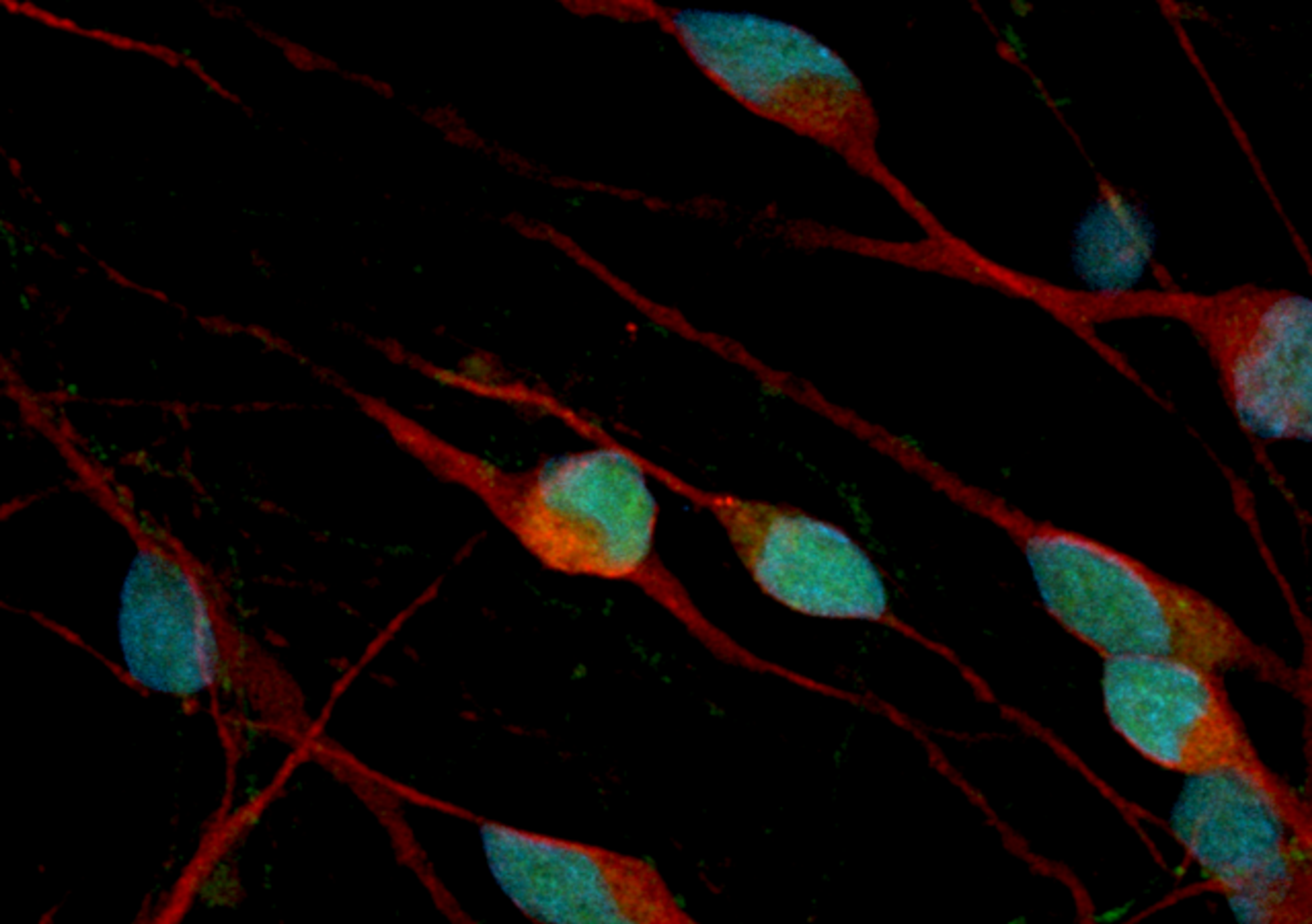
ioGlutamatergic Neurons form neuronal networks
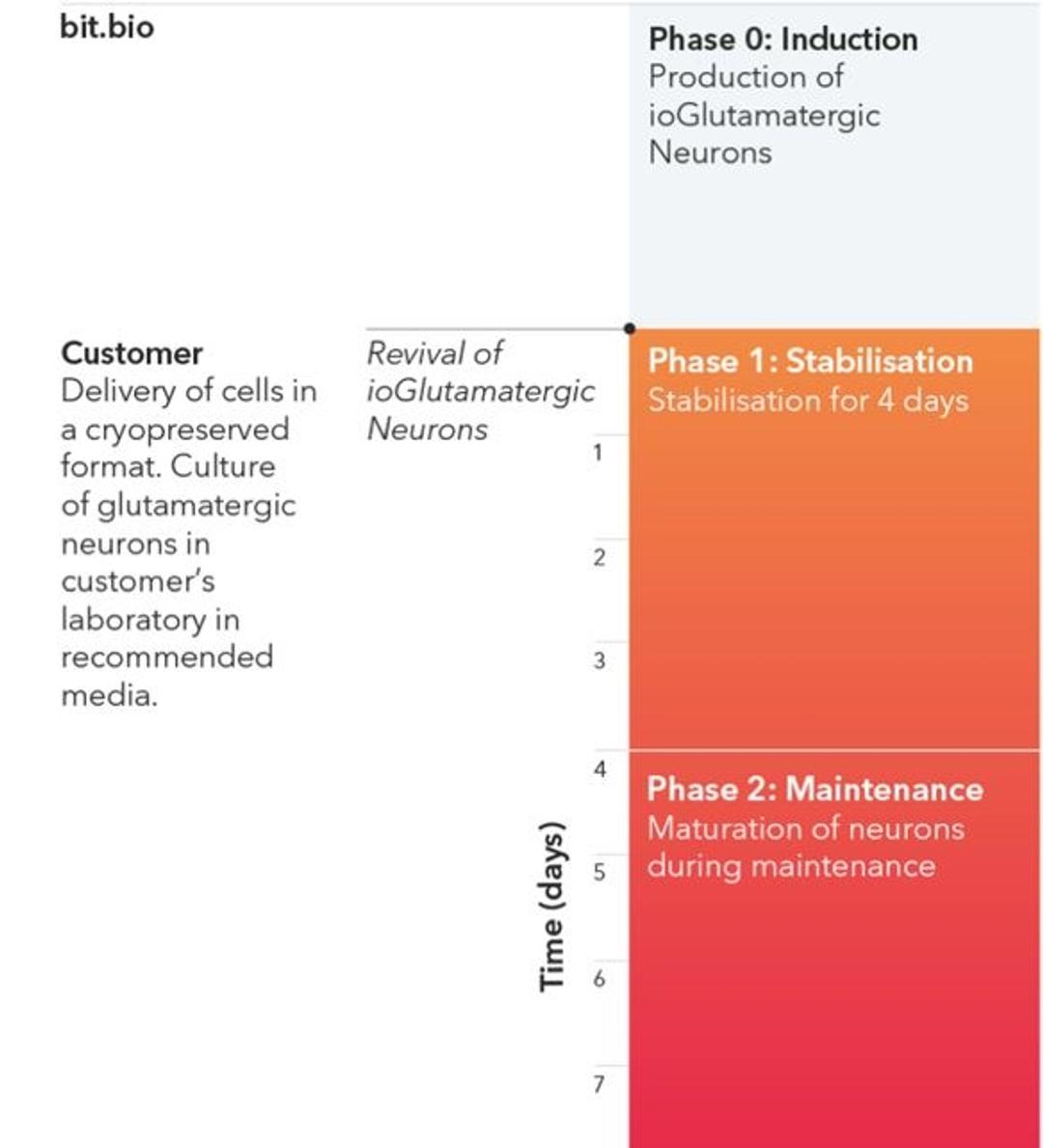
One medium required in a 2-phase protocol




Place your order directly with the manufacturer.
Pure and reliable source of human glutamatergic neurons.
Cell culture of human induced glutamatergic neurons
I am a research associate at the University of Cambridge studying neuronal and glial cells. I have been using these neurons from bit.bio for more than a year now for several applications such as 2D and 3D tissue cultures (in vitro disease modeling), RNA-sequencing, western blot, electrophysiology recordings and etc. These cells provide a reliable and pure source of glutamatergic neurons, resembling primary human ones. They are ready-to-use which makes it much more easy for tissue culture work and for reproducible results. I haven't encounter any special issues with this cell line and the company has been very helpful providing me with all necessary information to establish my work. I highly recommend their iPSCs derived neurons as a good source of cells for neuroscience research.
Review Date: 21 Apr 2020 | bit.bio
bit.bio’s opti-ox™ cellular reprogramming enables the consistent manufacture of homogenous and mature hiPSCs derived functional neurons within days, offering access to the highest quality cellular CNS model with simple protocols.
ioGlutamatergic Neurons cells provide you with:
- Consistency: Batch-to-batch reproducibility and homogeneity create a stable human model for excitatory neuronal activity and disease
- Speed: Ready for experimentation as early as two days post revival and form functional neuronal networks at 17 days
- Scalability: Industrial-scale quantities allow the cells to be used in a range of applications, from research to screening purposes
- Ease of Use: Cells arrive programmed to rapidly mature upon revival with only one medium required in a two-step protocol
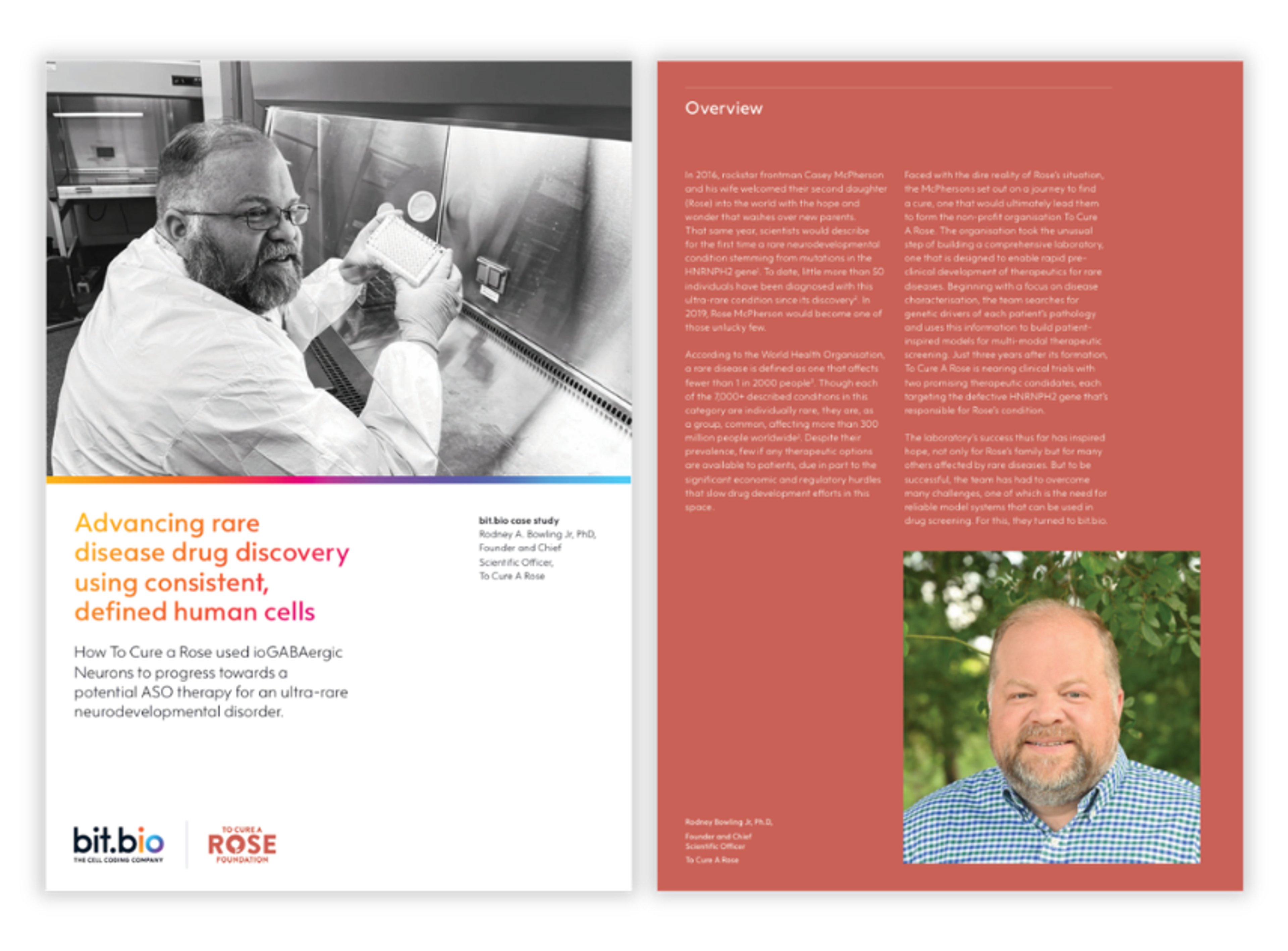
Advancing rare disease drug discovery using consistent, defined human neurons
This case study describes how the To Cure A Rose Foundation used bit.bio’s ioGABAergic human neurons to accelerate preclinical drug discovery for an ultra‑rare neurodevelopmental disorder caused by mutations in HNRNPH2. Discover how by leveraging consistent, scalable, iPSC‑derived neuronal models, the team was able to rapidly screen antisense oligonucleotide (ASO) candidates and progress promising therapies toward clinical development.

Producing 3D neuronal microtissues for preclinical drug screening using ioGlutamatergic neurons
3D cell culture models using human induced pluripotent stem cells (iPSCs) have emerged as a promising, human relevant model system for the study of central nervous system (CNS) disorders. However, the complexity of iPSC differentiation has hindered adoption of these models for high-throughput drug screening, leaving researchers to rely on 2D models with poor predictive validity. Discover how ioCells™ from bit.bio, generated through opti-ox™ technology, provide a solution by using deterministic cell programming to consistently generate mature human neuronal cells at scale.
Overcome the challenges of cell differentiation and reprogramming with opti-ox™, precision reprogramming
Current methods to regenerate cells from human induced Pluripotent Stem Cells (iPSCs) - directed differentiation and cellular reprogramming - lack reproducibility and scalability. This raises challenges for disease research, drug discovery, and cell therapy development due to unreliable data and long experimental timelines.
A technology that enables the reproducible, consistent, and scalable production of physiologically relevant human cell models for any cell type would mean scientists can be more confident in their experiments. opti-ox™, a first-of-its-kind precision reprogramming technology, meets all of these requirements by controlling the precise expression of cell-fate determining transcription factors without gene silencing.
In this infographic, we outline traditional methods to generate cells from human iPSCs and compare these to the new precision reprogramming technology enabled by opti-ox.
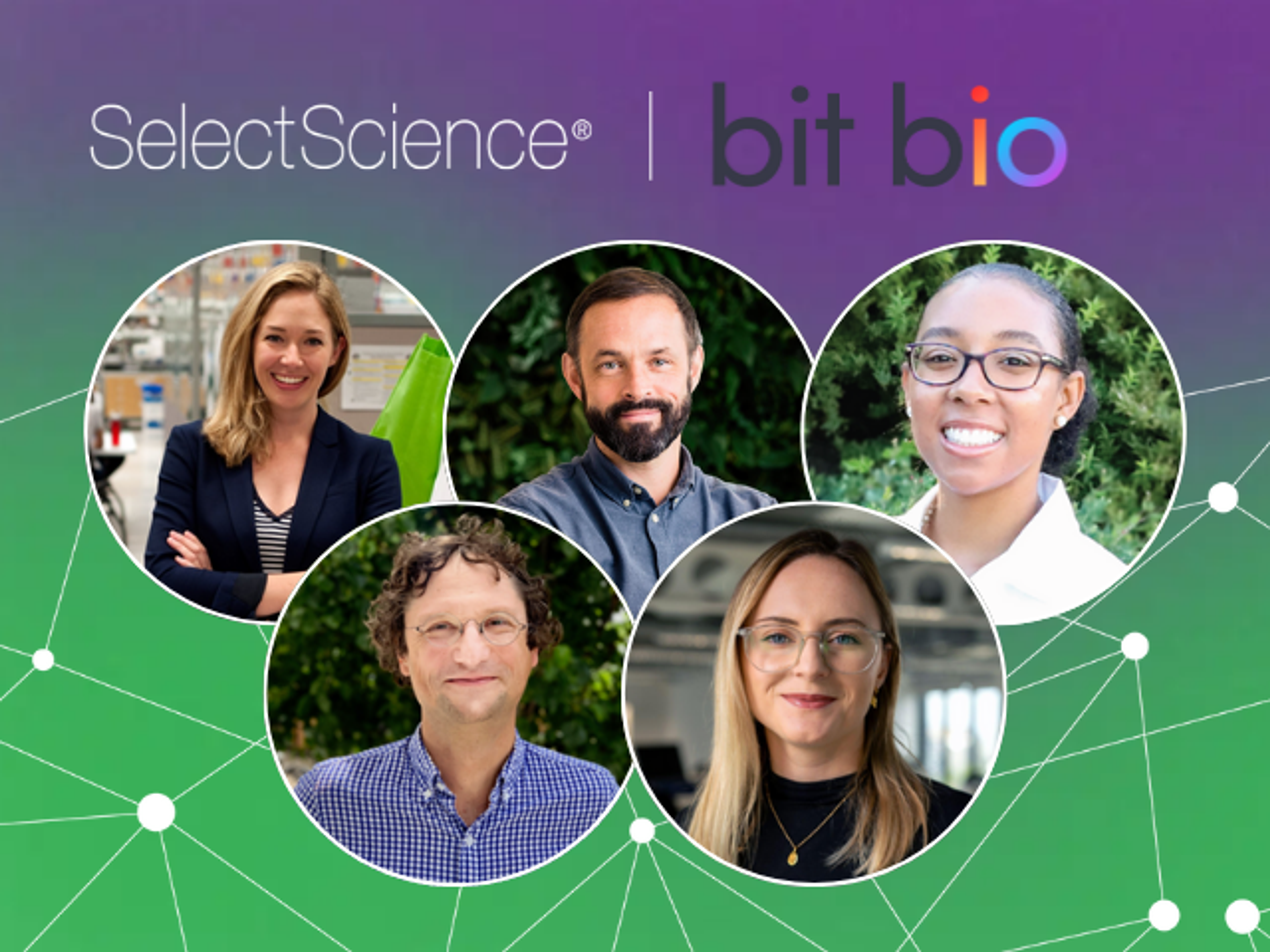
Tackling the reproducibility crisis with standardized human cells
Tuesday, April 29, 2025 at 16:00 BST / 17:00 CEST / 11:00 EDT / 08:00 PDT
Join experts in human iPSC-derived cells from academia and drug discovery as they discuss the impact of standardization on scientific progress.
The absence of standardized reagents creates barriers to reliable experimental comparisons, slowing research, drug development, and translational efforts. Across human cell models, including primary cells, cell lines, and patient-derived iPSC-derived cells, biological variability and reproducibility challenges persist.
In this expert panel, we will explore how standardizing human iPSC-derived cells can enhance consistency, reproducibility, and regulatory compliance, ultimately enabling more robust and impactful research.
Key learning objectives
- Explore the challenges posed by variability in human cell models
- Understand why a lack of standardized cell models impacts reproducibility, and how implementing it can improve research across academia and industry
- Gain insights on the standardization of human iPSC-derived cells from leaders in academic research and drug discovery
Certificate of attendance
All webinar participants can request a certificate of attendance, including a learning outcomes summary, for continuing education purposes.
If you view the on-demand webinar, you can request a certificate of attendance by emailing editor@selectscience.net.
TechTalk: Top tips for transfecting human iPSC-derived cells
Friday, April 24 at 14:30 BST | 15:30 CEST | 9:30 EDT | 6:30 PDT
Transfection is widely used to explore gene function, analyze cellular pathways, and model disease mechanisms in vitro. In human iPSC-derived cells, it allows scientists to introduce genes or reporters directly into relevant cell types, without the need to generate stable lines.
However, achieving reliable transfection in post-mitotic, fully differentiated cells requires adapted strategies. Standard methods optimized for dividing cell lines often lead to poor efficiency or compromised cell health.
In this SelectScience® TechTalk, Dr. Tulin Tatar Ozkan and Sarah Hussain from bit.bio, will share a practical overview of mRNA transfection approaches tailored for human iPSC-derived cells. Using glutamatergic neurons and microglia as examples, the session will cover optimized workflows and actionable tips that deliver robust transgene expression.
Certificate of attendance
If you attend the live TechTalk, you will automatically receive a certificate of attendance, including a learning outcomes summary, for continuing education purposes.
If you view the on-demand TechTalk, you can request a certificate of attendance by emailing editor@selectscience.net.
TechTalk details
- Cost: Free to attend
- Location: Online
- Duration: 20 minutes
Registration is required to secure your place. If you register but can’t attend live, you will receive a link to the on‑demand recording once it becomes available.
Accelerating in vitro target and drug discovery using reprogramed glutamatergic cortical neurons
In this video, Dr. Shushant Jain, Group Leader, In Vitro Biology, Charles River, discusses how Bit Bio's human iPSC-derived ioNEURONS/glut cells enhance early target discovery and accelerate drug discovery.
This interview was filmed at SLAS2020 - watch other highlights from the show here >>

The role of cell-based assays in the modern lab, beyond the petri dish
This special feature explores the latest research, applications, and advances in cell-based assay technology

bit.bio launches Huntington’s disease human cell model
First neurodegenerative disease model launched from bit.bio's new ioDisease Model portfolio.
18 top videos on emerging trends in life sciences discovery
From AI to artificial lifeforms, we spotlight the latest research and automation solutions innovating life sciences and drug discovery