HLA-Typed Human Primary Cells
The HLA system of cell-surface proteins regulates the human immune system and is used in the development of pre-clinical cell therapy research and immuno-oncology drug discovery.




Receive your quote directly from the manufacturer.
The HLA system of cell-surface proteins regulates the human immune system and can be used as markers in research. A specific HLA type can be associated with an autoimmune disease (Mignot, Emmanuel, et al. 2001) or serve as a biomarker to show how cells respond to cancer treatments (Chowell et al. 2017). HLA types have also become important in understanding cardiovascular morbidity and mortality rates.
Unlike animal testing, HLA-typed cells provide an optimal control system to test cancer reactive T-cells in a culture that represents the human system. With the rapid development of cancer immunotherapies such as adoptive cell therapy, custom cells screened for their HLA types are increasingly important for developing and testing new drugs.
Key Advantages
- Minimize off-target interactions preclinically by testing translatability in a human cell setting.
- Better results than animal testing for the development and testing of new drugs.
- Buy with certainty your cells have the HLA type you need due to our HLA typing report – no need for further screening.
- Faster testing means shorter development time of new therapies for cancer patients.
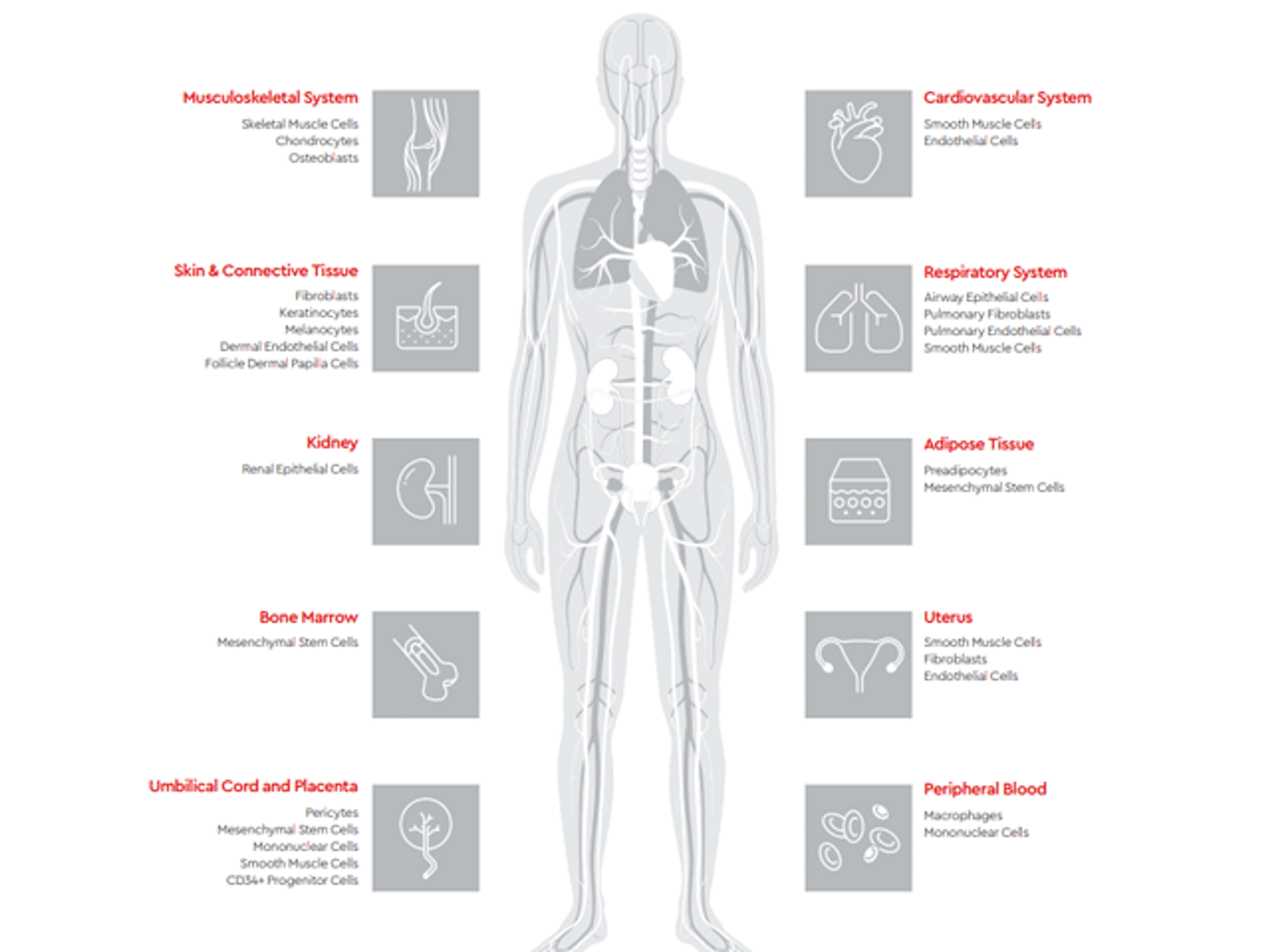
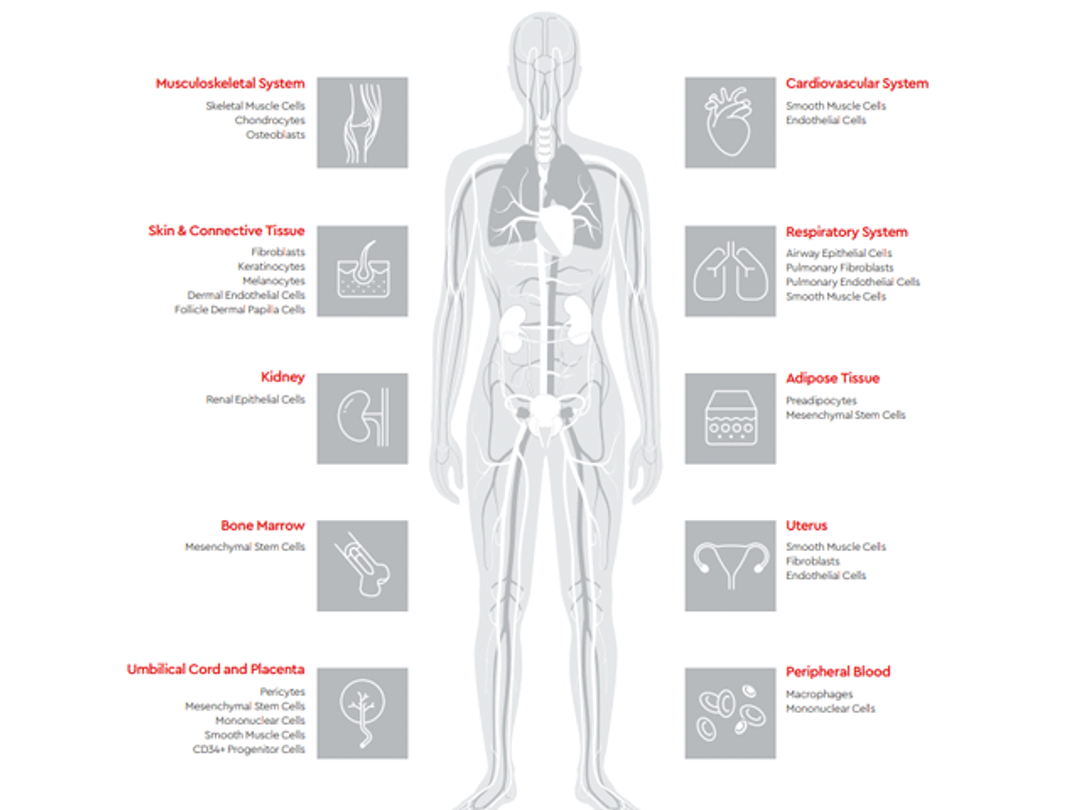
- Test cross-reactivity of new therapies in multiple systems using our HLA-typed cells from lung, heart, kidney, or the cardiovascular system.

The importance of human leukocyte antigen for the development of cell therapies
Patients with certain human leukocyte antigen (HLA) types are more likely to have autoimmune diseases, contract infectious disease or develop cancer. In this application note, PromoCell shows the importance of HLA for the development of cell therapies.
HLA typed cells for pre-clinical research
In this video, PromoCell explains how human leukocyte antigens (HLA) can be used in a variety of different fields of research from organ transplantation and cancer research to cardiology and dermatology. Plus, learn how HLAs can benefit pre-clinical research, including drug screening, determining disease susceptibility, and matching drug reactions with gene sequences.