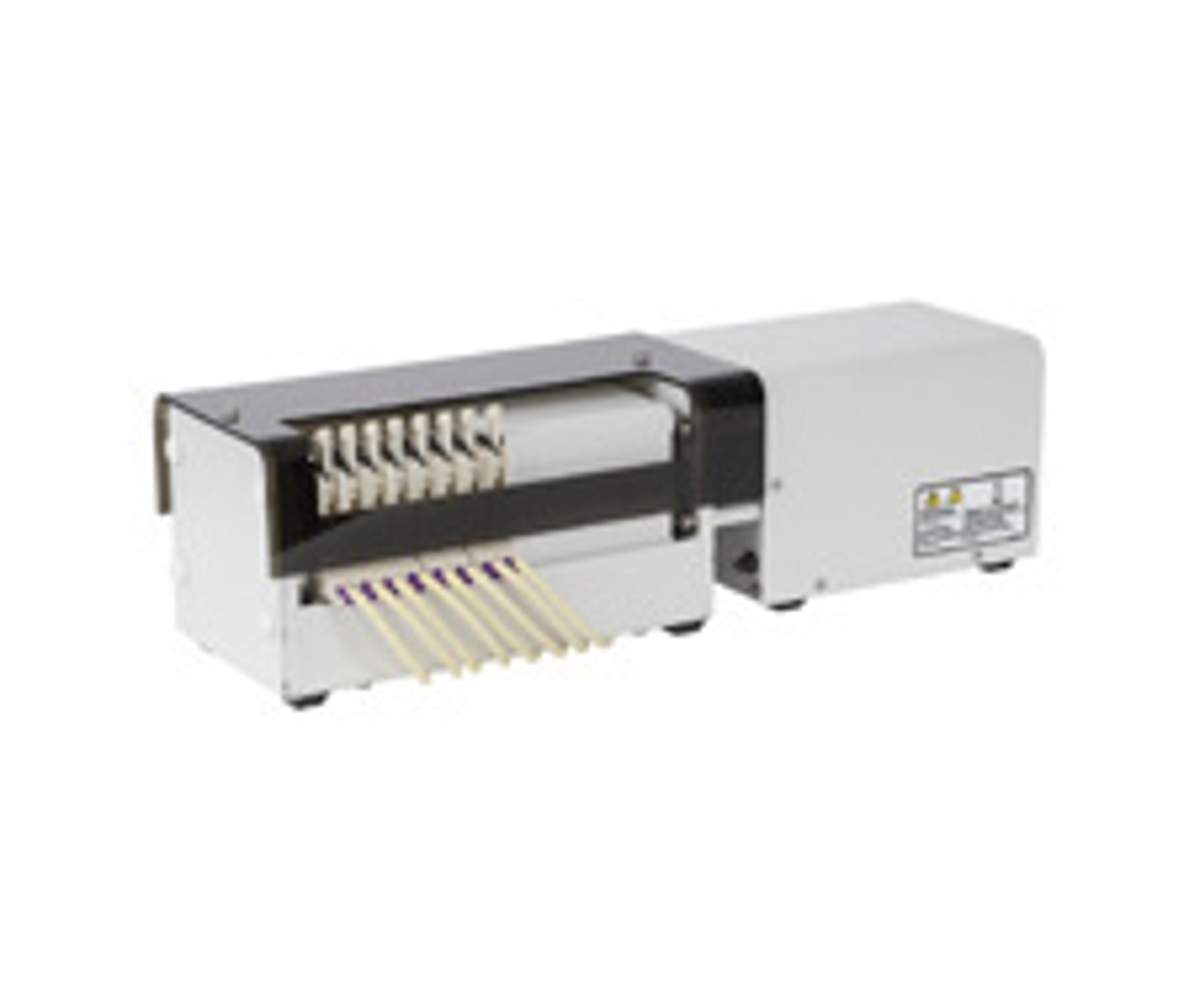
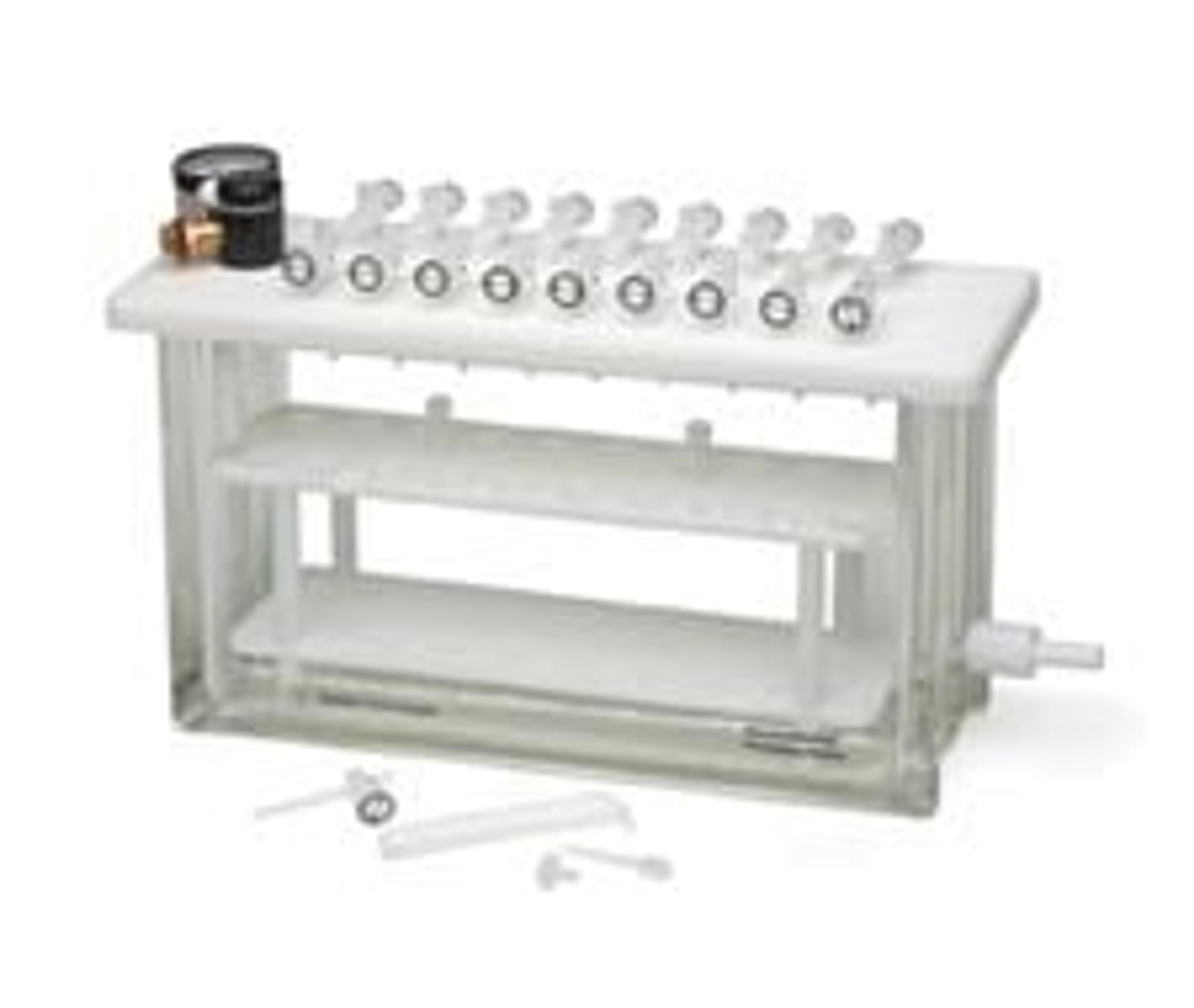
Captiva EMR-Lipid
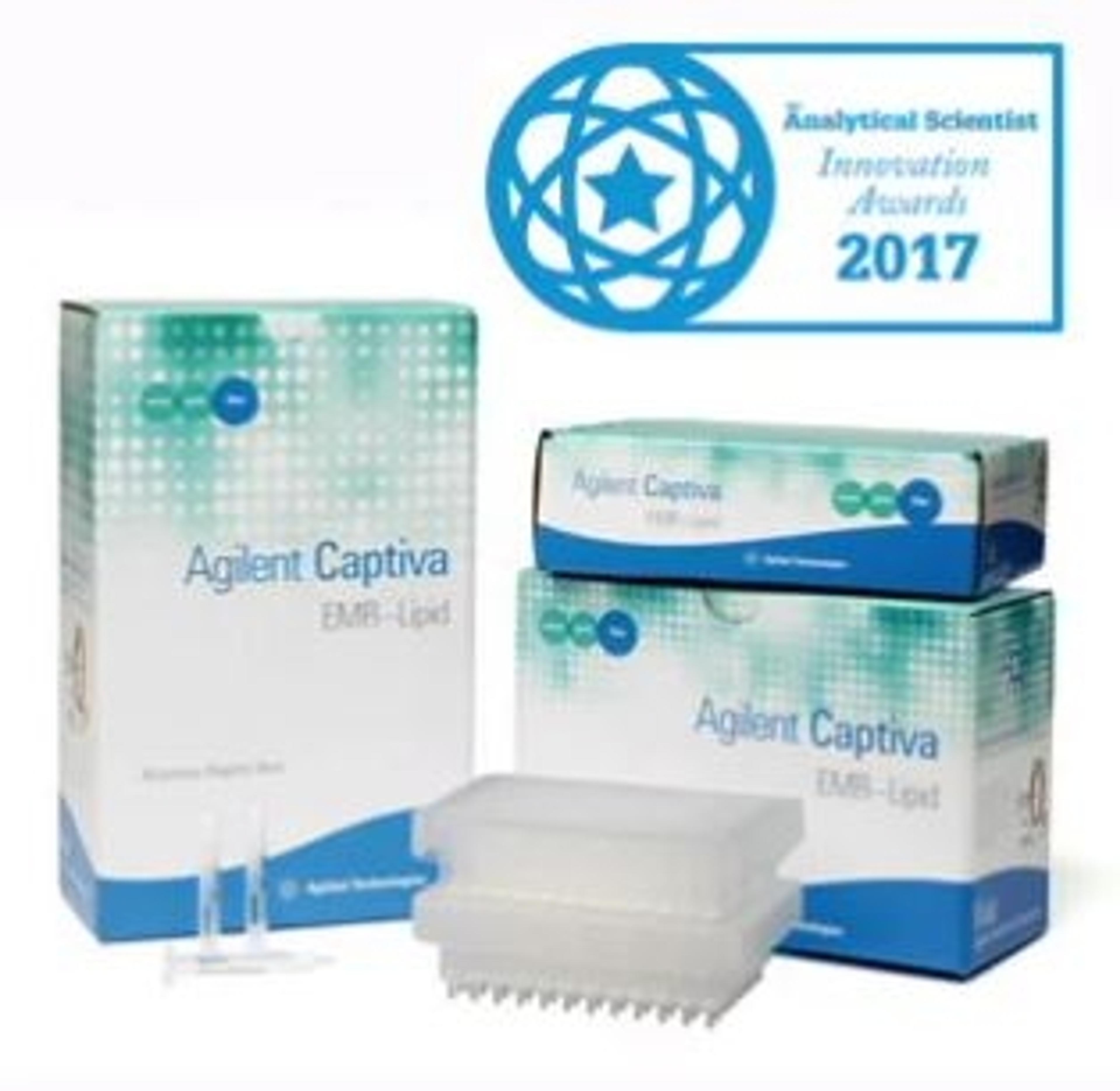
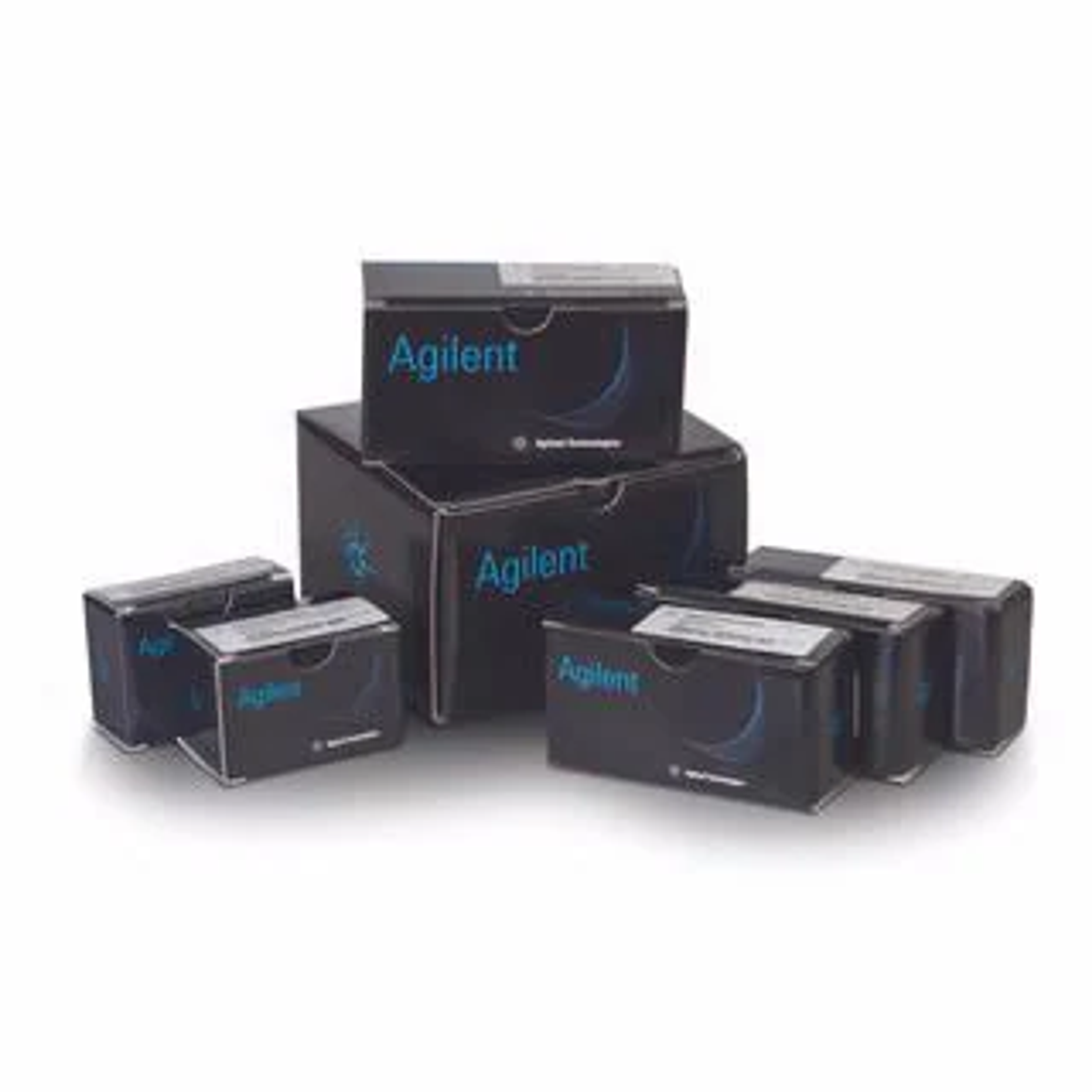
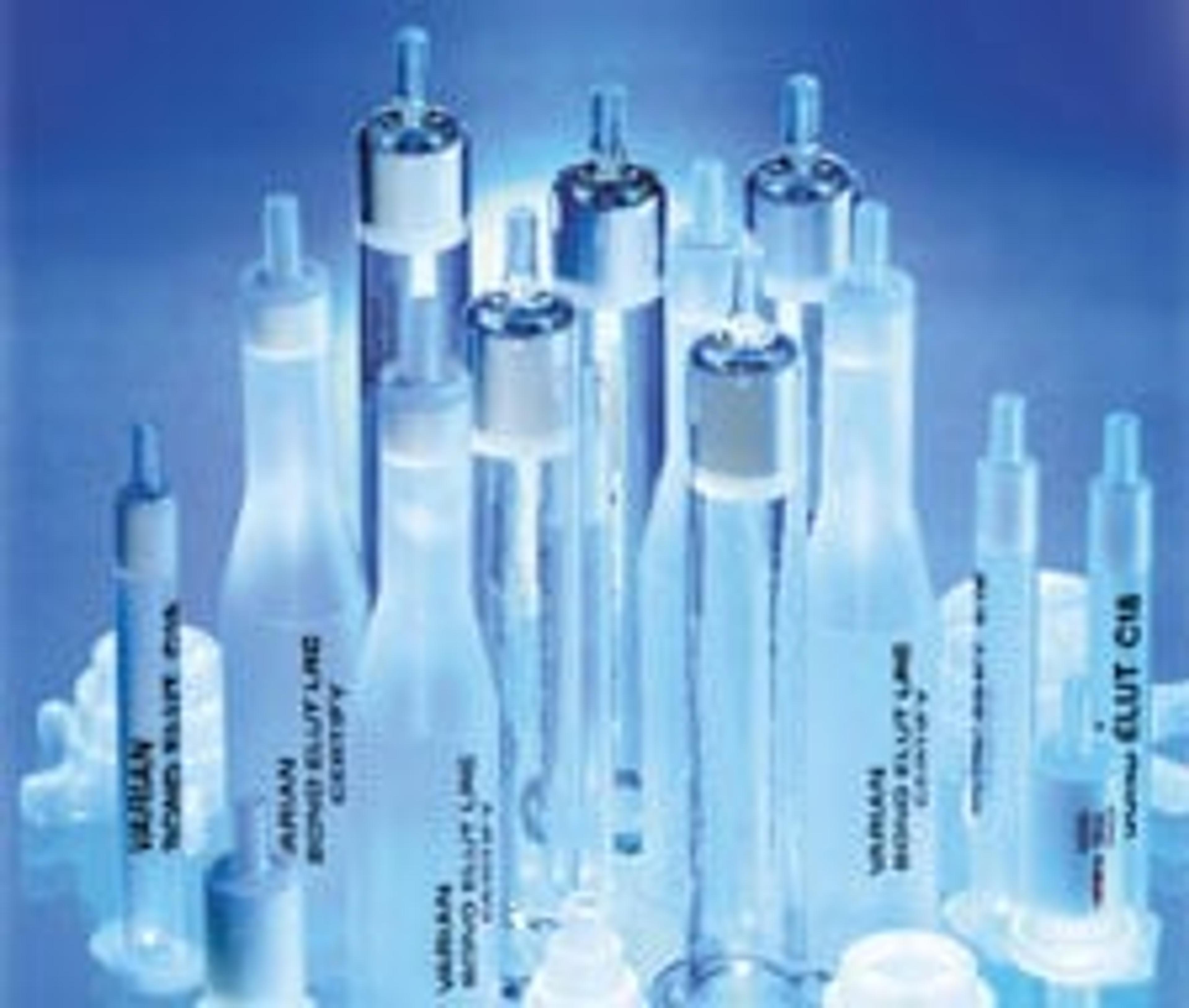
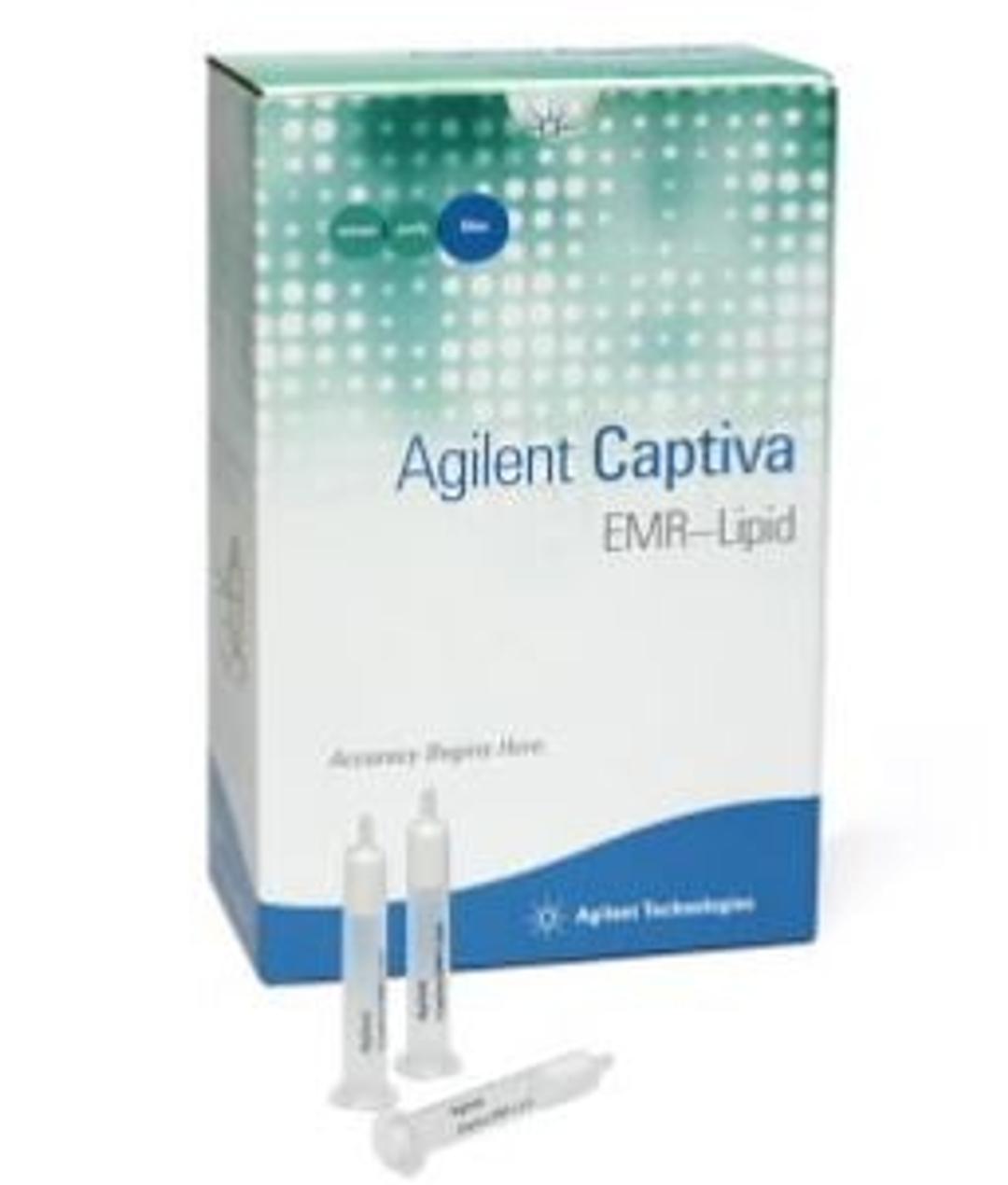
Captiva EMR-Lipid provides highly selective, efficient lipid/matrix removal without analyte loss. The novel EMR-Lipid technology removes lipids based on size exclusion and hydrophobic interaction. Effective lipid removal ensures minimal ion suppression of target analytes, significantly improving method reliability and ruggedness.

Receive your quote directly from the manufacturer.
Great results and cleans up your samples easily.
Food and cannabis
It's easy to use. No need to apply pressure or use any SPE manifold. It cleans protein, fat and lipids very well for your sample.
Review Date: 27 Sept 2021 | Agilent Technologies
Captiva EMR-Lipid provides highly selective, efficient lipid/matrix removal without analyte loss. The novel EMR-Lipid technology removes lipids based on size exclusion and hydrophobic interaction. Effective lipid removal ensures minimal ion suppression of target analytes, significantly improving method reliability and ruggedness.
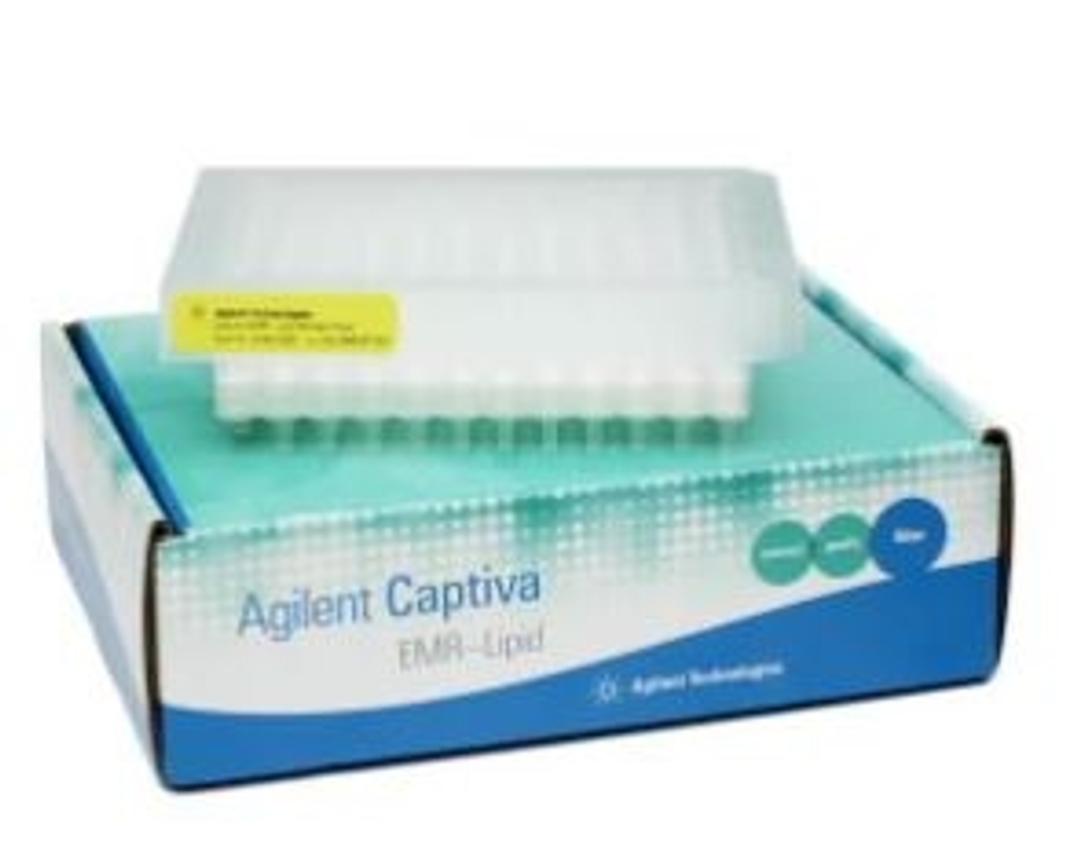
The 96-well plate and 1 mL cartridge formats contain a solvent retention frit, which allows in-well protein precipitation that streamlines sample preparation. The improved filter design promotes easy flow with vacuum or positive pressure. The easy-to-use 3 and 6 mL cartridge formats allow gravity flow due to the absence of solvent retention frits.
Features:
- Highly selective and efficient lipid removal: The unique EMR-Lipid mechanism combines size exclusion and hydrophobic interactions between the sorbent and the long aliphatic chain of lipids
- Clog-free operation: Advanced filter design and construction technology ensures easy flow
- Time savings and improved precision: A protein crash solvent retention frit in 1 mL and 96-well plate formats promotes a streamlined, automatable in-well protein precipitation workflow
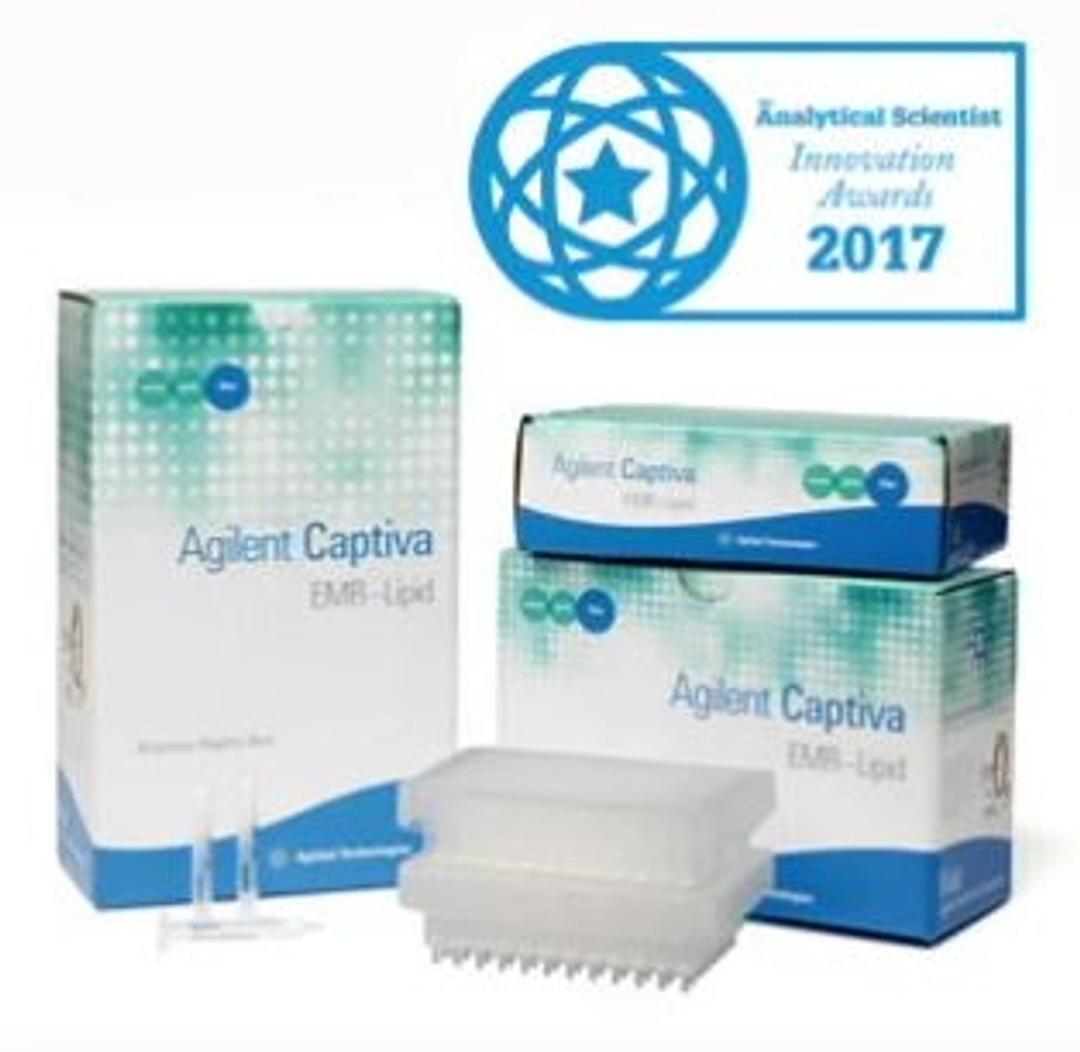
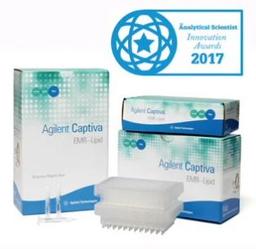
- Winner of an Analytical Scientist Innovation Award (TASIA) for 2017
Brochures

Outstanding analytical performance begins with the best sample preparation
In this product brochure, discover Agilent's sample preparation portfolio which covers everything from particulate removal all the way to the most selective solid-phase extraction techniques.

Guide to implementing cannabinoid potency testing: Robust analytical methods for cannabinoid content in consumer products
Reliable and effective methods for cannabinoid potency testing in consumer products are needed to meet established or rapidly evolving regulatory requirements that differ widely across countries and states. In this eBook, we look at the latest chromatographic methods and technologies that enable the effective determination of cannabinoid content in chemically complex products, ranging from chocolate to hard candies and beverages and how this helps to ensure product safety and adequate labeling.
Download the eBook to learn how to overcome sample preparation and the technical challenges of cannabinoid content testing, including the analysis of tetrahydrocannabinol (THC) and cannabidiol (CBD) using LC/UV instruments from Agilent Technologies, and discover workflows that produce accurate, high-throughput results with reduced column downtime and increased lab productivity.
Find detailed methods and resources, including:
- The quantification of THC and CBD in beverages
- The quantification of THC and CBD in gummies and hard candies
- The quantification of THC and CBD in chocolate
- A guide to potency testing columns and supplies
Polycyclic aromatic hydrocarbon analysis in food
Polycyclic aromatic hydrocarbons (PAHs) tend to bioaccumulate in fatty foods such as fish, meat, oil, and milk and are extremely toxic to humans even at low concentrations. The US Food and Drug Administration (FDA) requires PAH analysis at low ppb levels in seafood. The European Union regulates a series of PAHs found in food matrices as EU PAH4. Download the application note below to see how you can utilize Agilent's technology in your research when analyzing PAH in food.
Guide to sample preparation
Did you know that unexpected instrument downtime and time spent on reruns often result from the first part of your workflow? Download this guide to discover how to ensure confident clinical research results with confident sample preparation.
Filtration makes all the difference
Filtering samples before analysis can help you achieve longer column life, maximize uptime, improve sample integrity, and maximize instrument performance.
In this application note, explore the Agilent Captiva sample preparation filtration portfolio and learn more about how Agilent’s filtration solutions can help to enhance your analyses, from chromatography and mass spectrometry to protein precipitation.

Clinical research analysis of perfluoroalkyl substances (PFAS) in human serum by LC-MS/MS using Captiva EMR-Lipid cleanup
Watch this on-demand webinar to discover a novel serum sample preparation method that optimizes the extraction of PFAS

Sample prep strategies for the clinical research lab
Watch this on-demand webinar to discover the benefits of sample preparation strategies for clinical sample matrices

A total workflow for multi-class, multi-residue analysis of pesticides in fatty food matrices: Your questions answered
Watch this on-demand webinar to learn strategies for sample preparation, instrument method development and optimization, plus workflow applicability to their practical applications