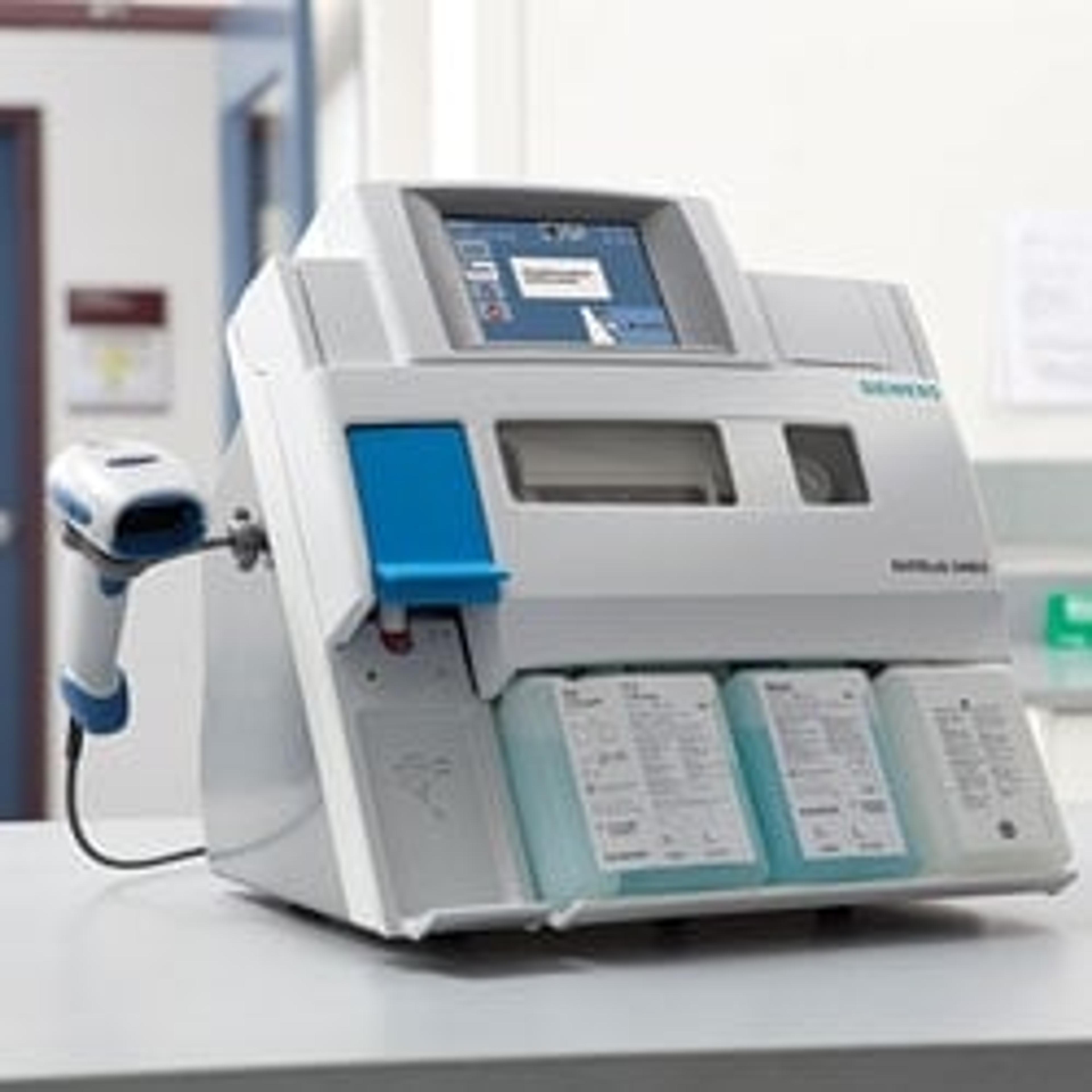
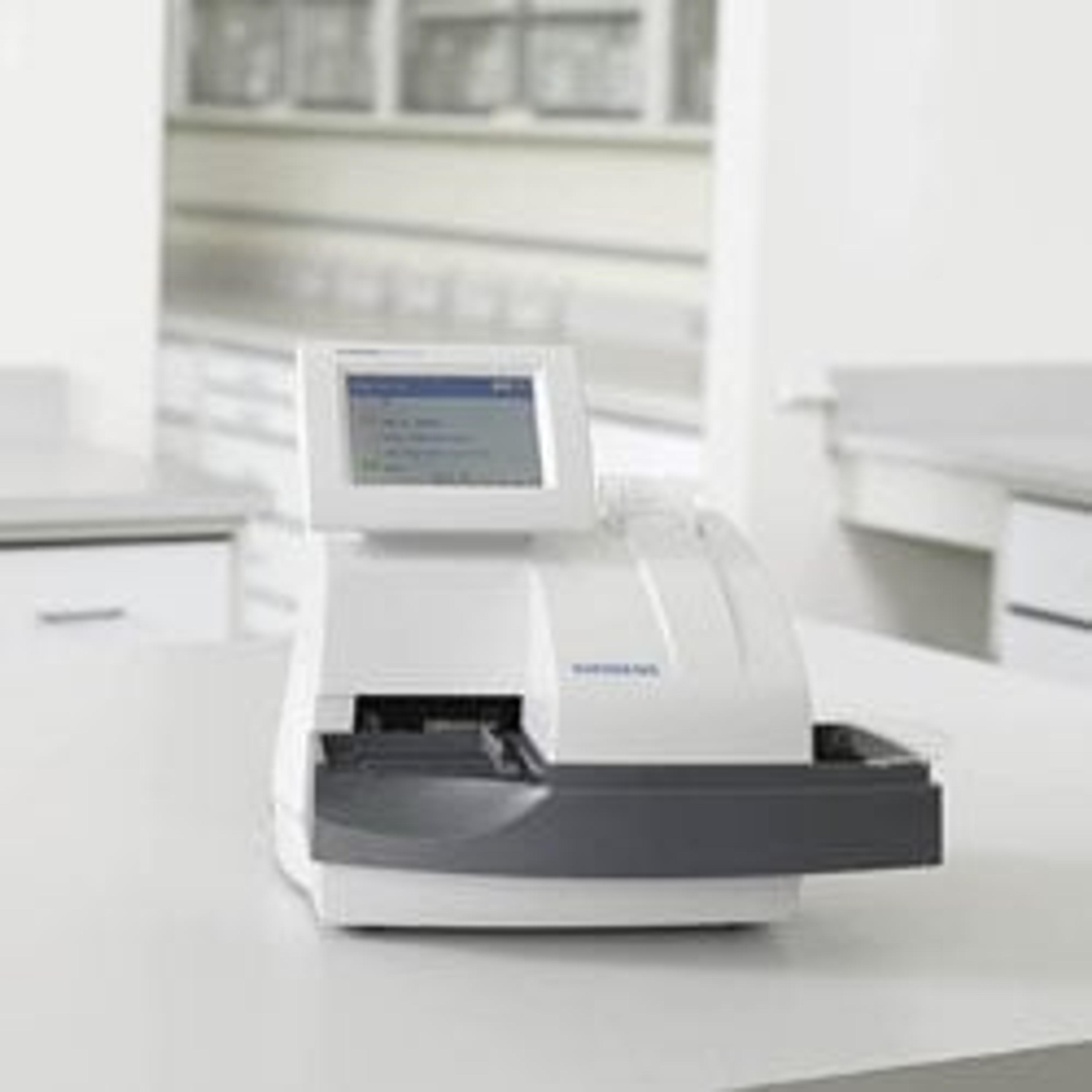
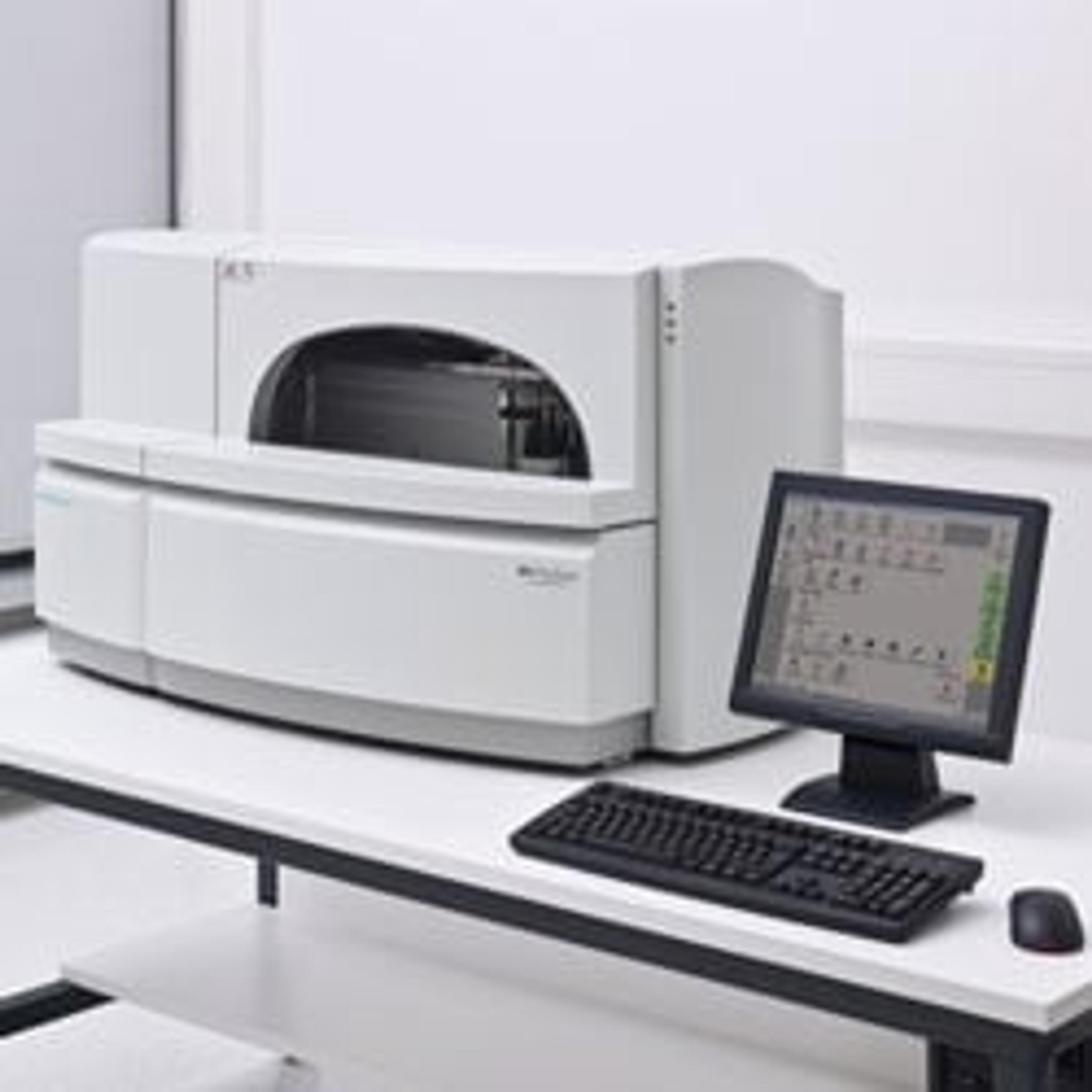
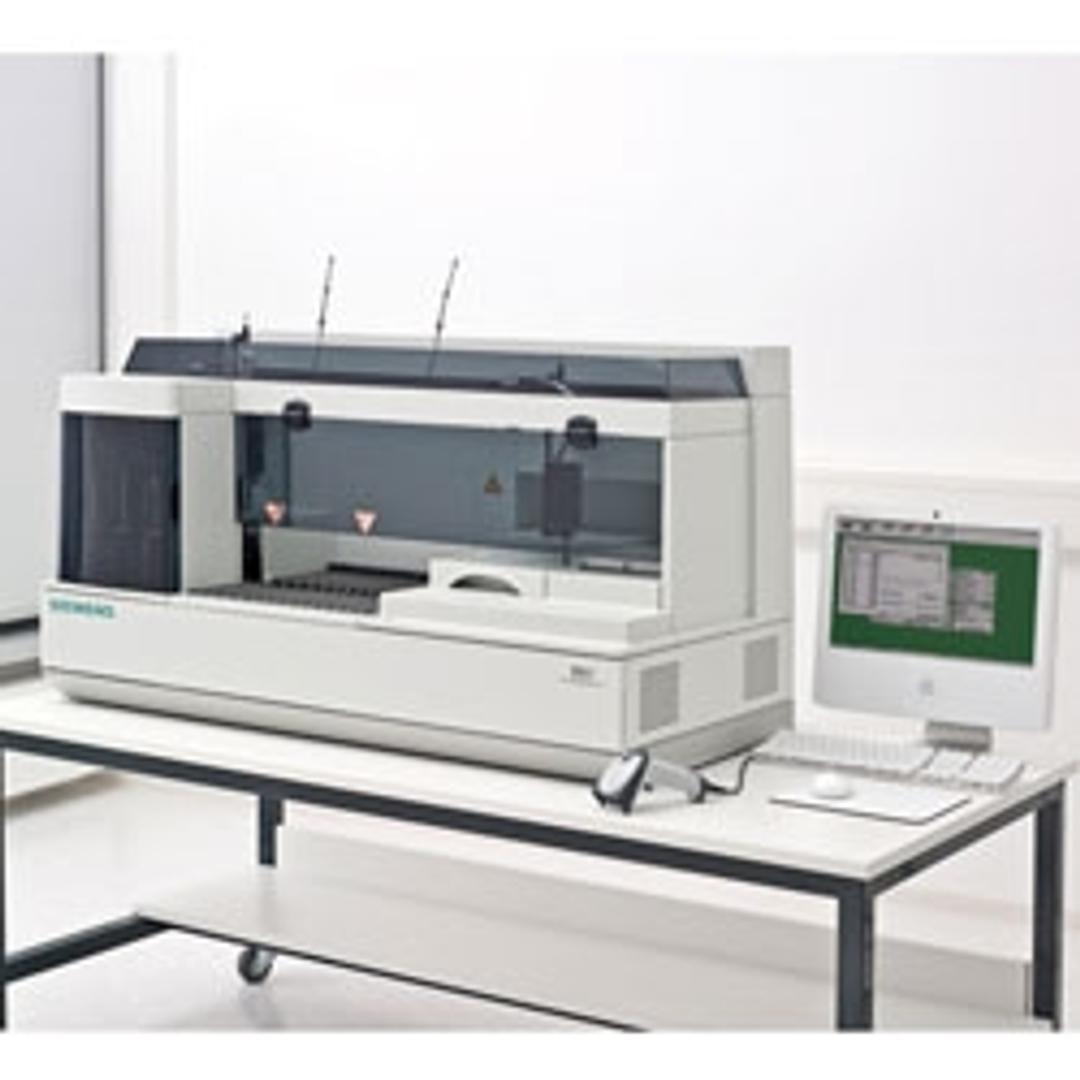
BN II System
Confidence in plasma protein results

Receive your quote directly from the manufacturer.
Serology For Testing CRP, Complements, RA , Immunoglogulin & Aso
I have been using this instruments since 2004 with a heavy workload of about six runs/day. Rarely am I faced with problems such as probe bend or with the temperature heating chamber.
Review Date: 7 Nov 2014 | Siemens Healthineers
Confidence in plasma protein results.
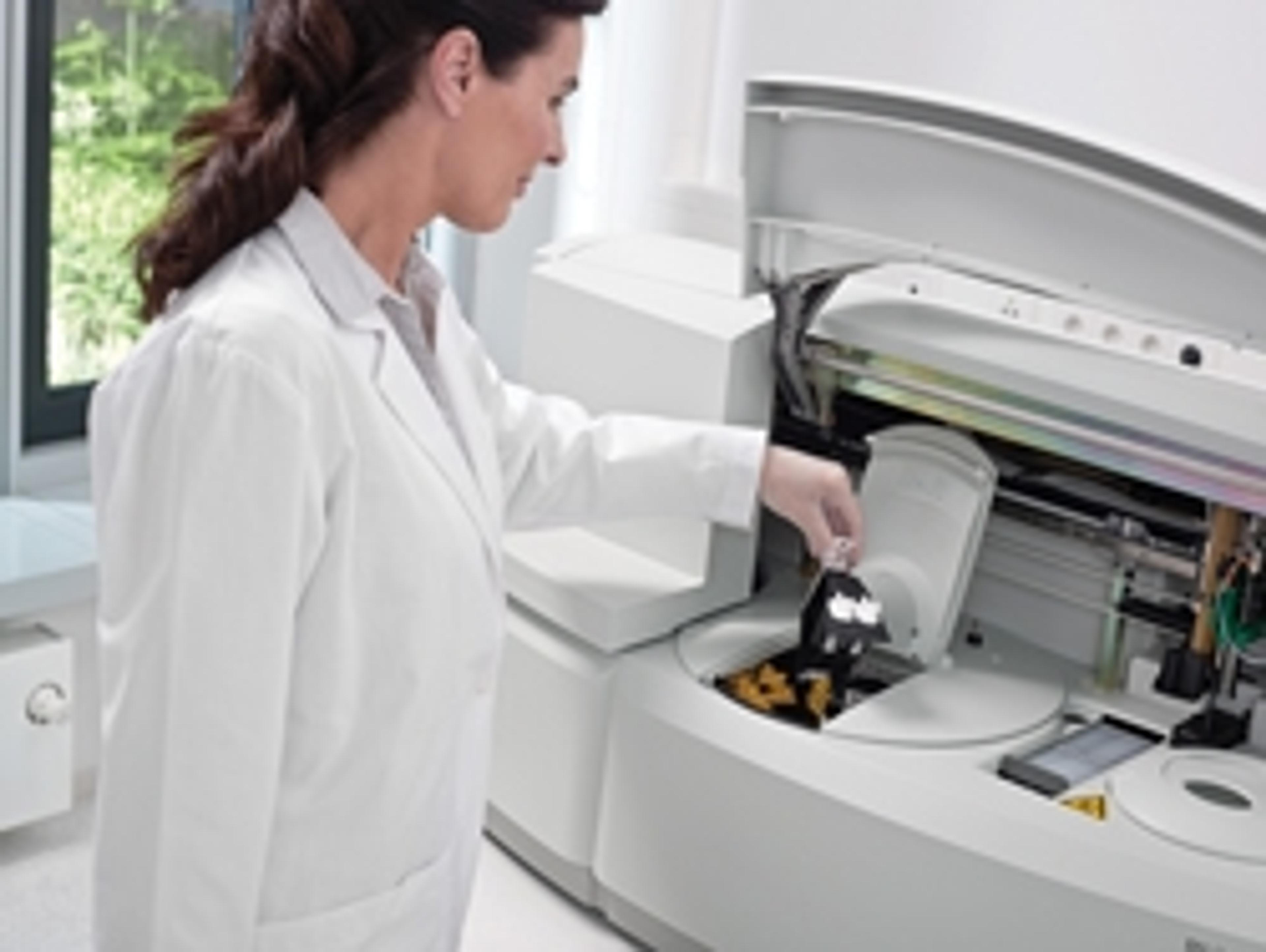
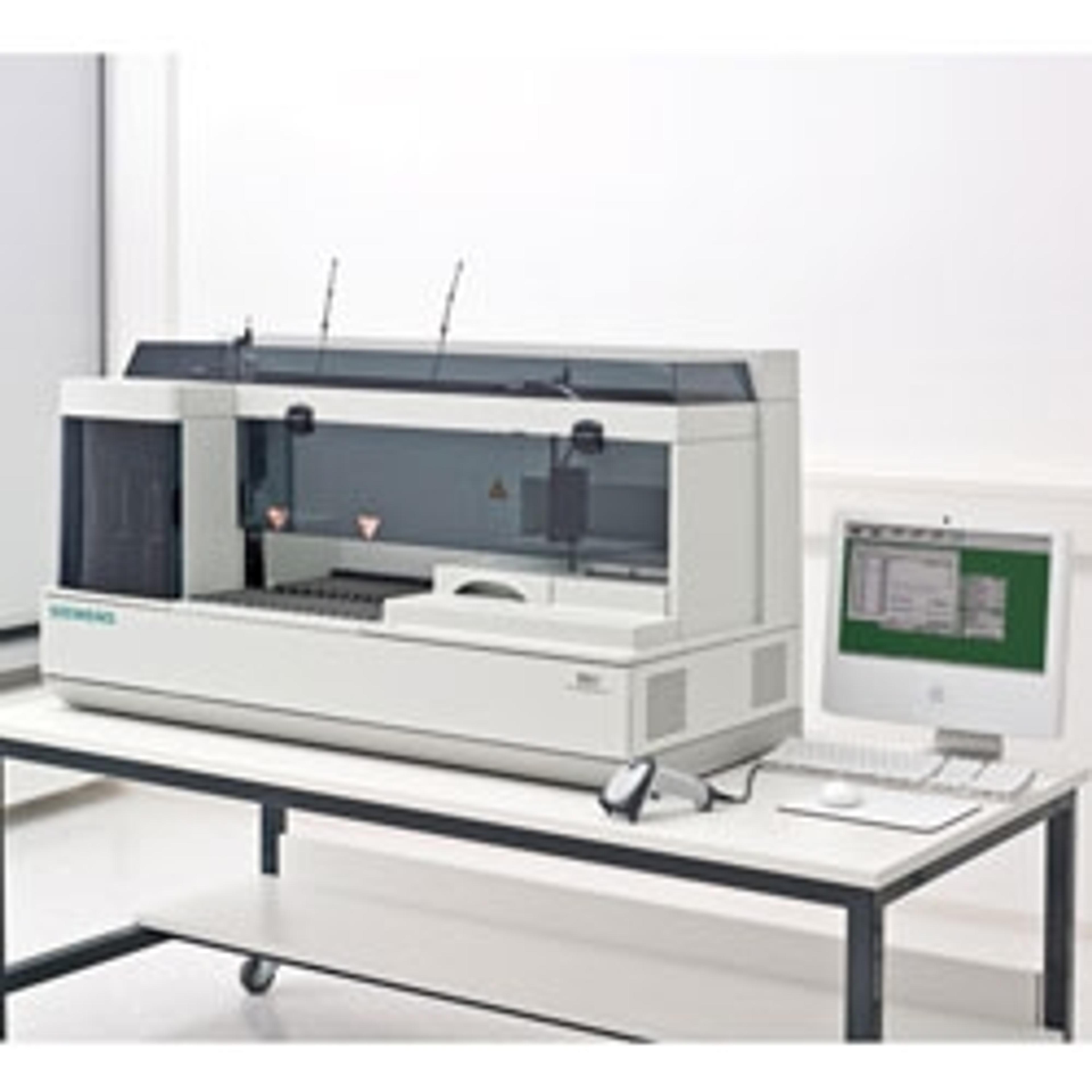
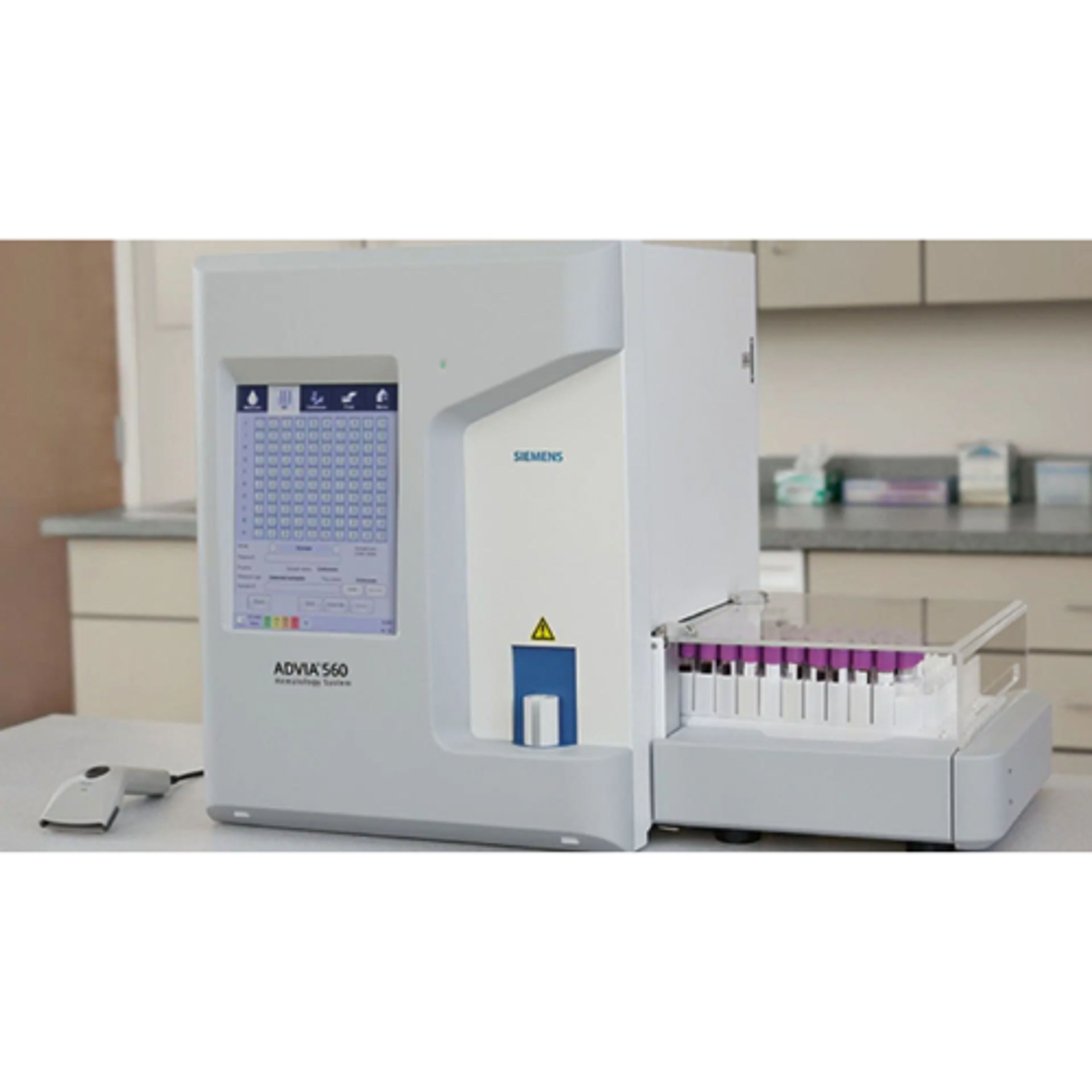
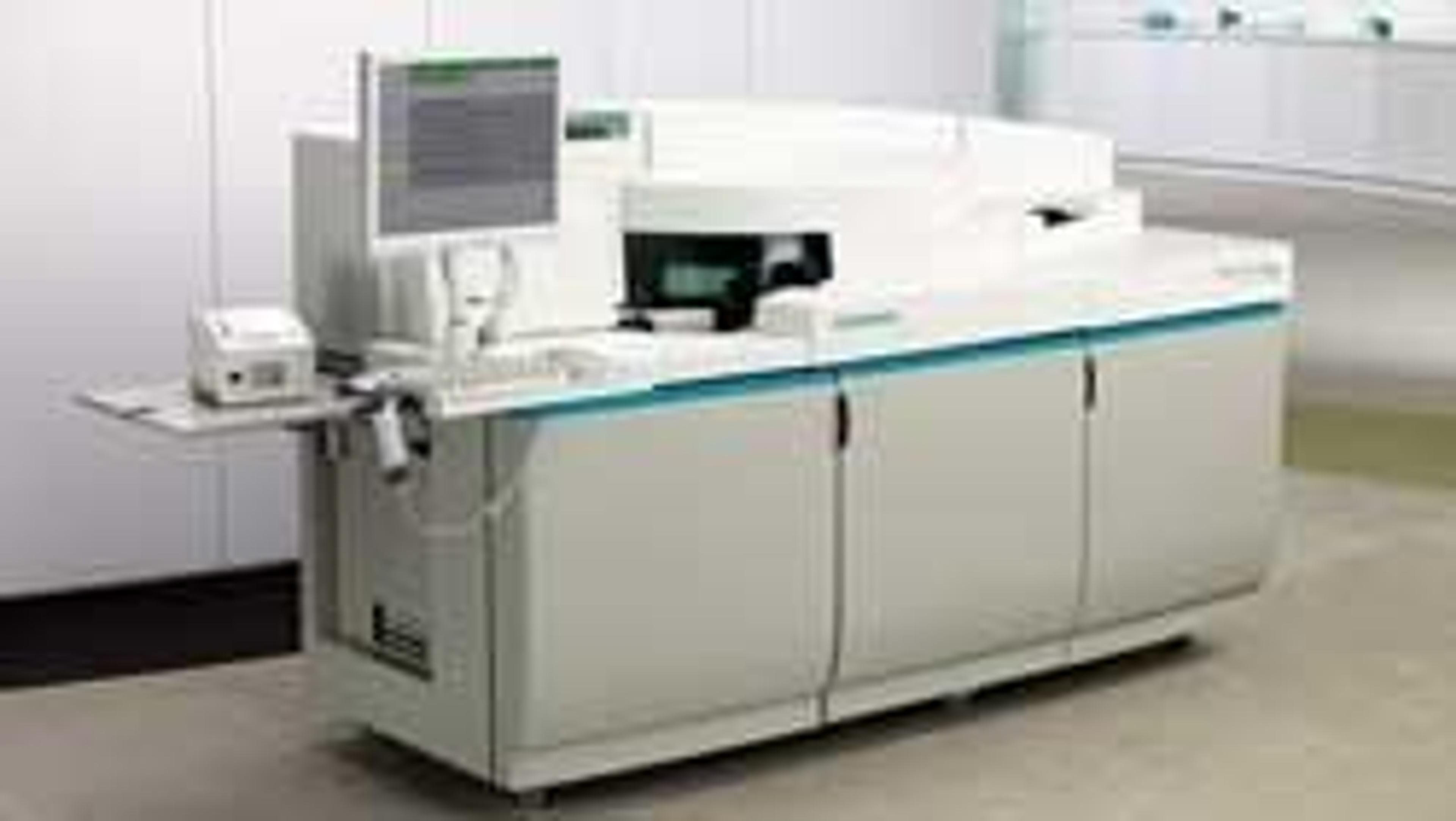
The BN™ II System and its nephelometric technology provide uncompromising performance in plasma protein analysis. The menu covers assays to support a variety of clinical indications, such as cardiac risk assessment, kidney diseases, nutritional assessment, and innovative markers as e.g. Cystatin C and Carbohydrate-Deficient Transferrin (CDT).
The BN II System provides automation and flexibility of use, enabling you to load samples or reagents at any time.
It delivers reliable results, increases your productivity, and is highly cost-effective.
The BN II is a fully automated protein analyzer that contributes to a more efficient determination of proteins.
Features:
- Up to 100 samples onboard
- Average effective throughput of approximately 130 tests/hour
- Primary tube capabilities for less hands-on time to prepare samples
- Bidirectional host interface to reduce the time needed to enter job lists and validate laboratory results
- Full automation for less operator intervention to obtain final patient results
- Specimen level detection and positive barcode identification for samples, reagents, standards and controls to reduce human error
- Multi-lot management allowing the handling of up to 3 batches of reagents per assay during the same processing period
- Minimum reruns with wide measuring ranges
- Extended onboard reagent stability with anti-evaporation caps
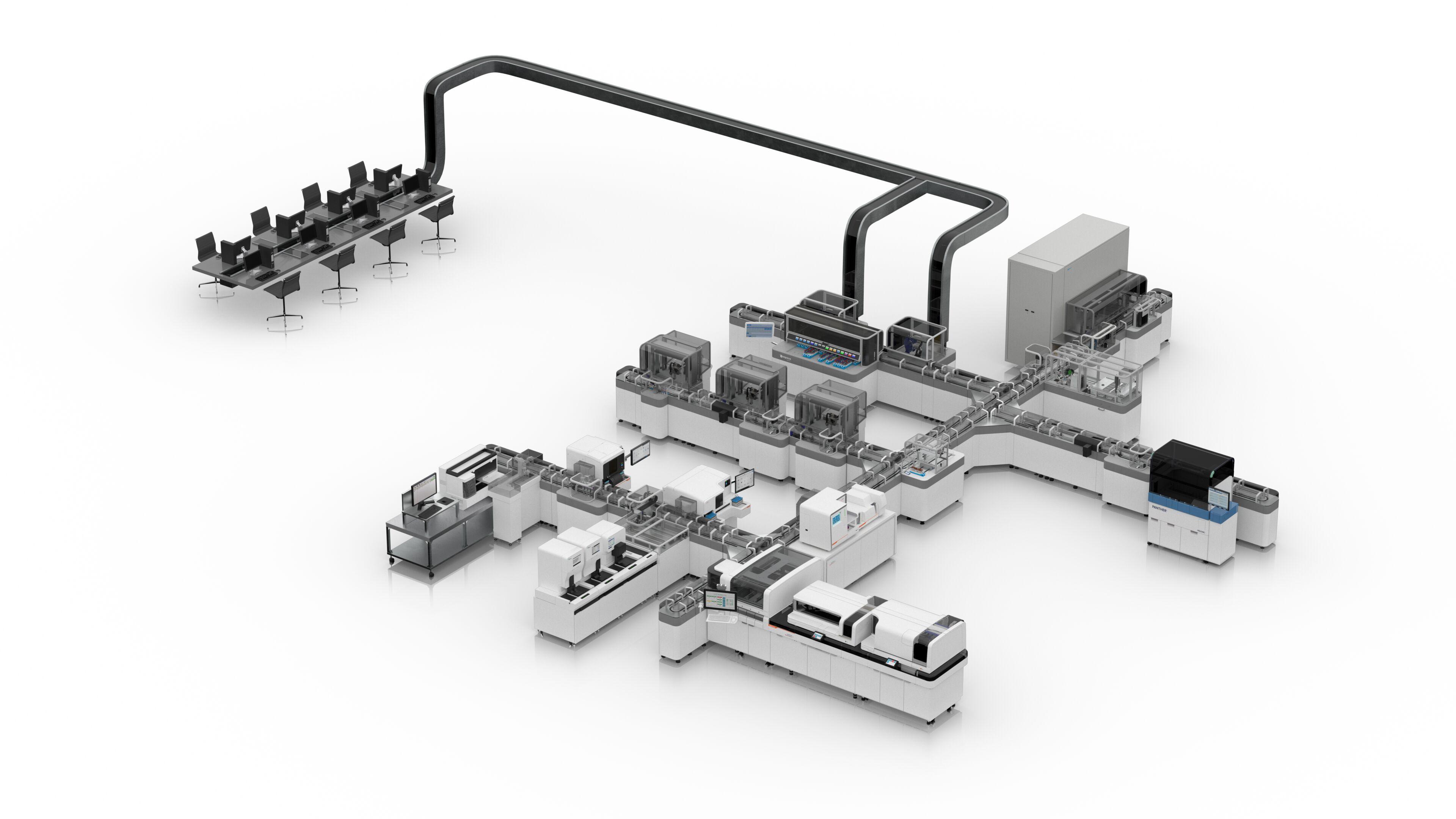
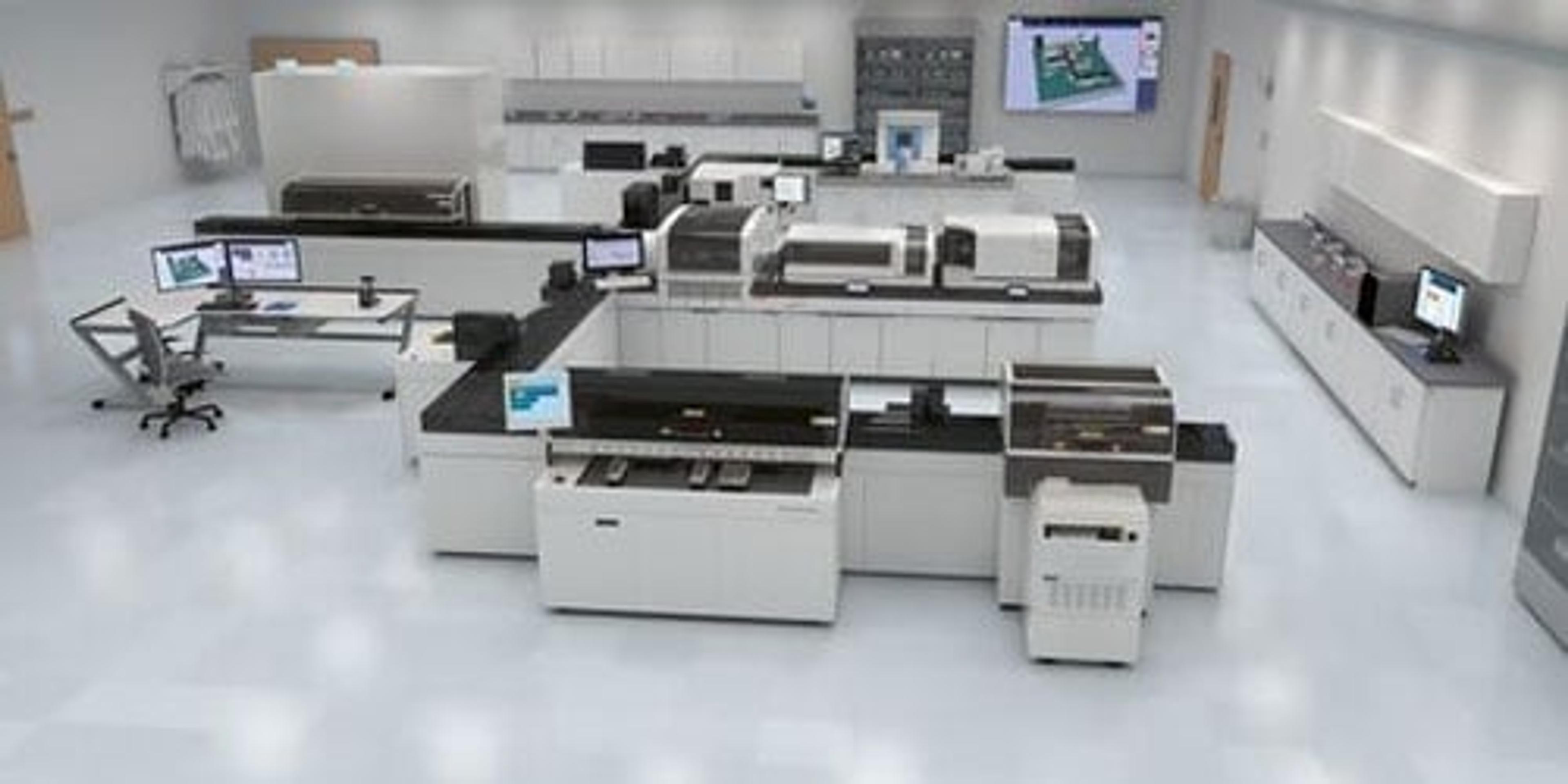
Ability to connect to Aptio® Automation and FlexLab Automation solutions

How the choice of assay and system influences results
Since its introduction in 2002, free light chains (FLC) testing has become crucial for diagnosing and managing monoclonal gammopathies. Recommendations from the International Myeloma Working Group (IMWG) and other societies rely heavily on serum free light chains (sFLC), particularly the involved/uninvolved FLC ratio, to indicate different stages of these disorders. Multiple assays and detection methodologies exist, with nephelometry known for its sensitivity advantage over turbidimetry. Siemens Healthineers highlights how the choice of assay and system significantly influences results, as shown by studies comparing polyclonal FREELITE® assays and monoclonal N Latex FLC assays, revealing variations in sensitivity and performance.
Serum Calprotectin (S100A8/A9) in Diagnosis, Monitoring, and Prognosis of Rheumatic Diseases
Serum calprotectin plays a critical role in the pathogenesis of rheumatoid arthritis (RA), as it triggers chemotaxis, phagocyte migration, and modulation of neutrophils and macrophages. Calprotectin has been found to correlate with disease activity, and may add additional information to that provided by conventional biomarkers such as C-reactive protein (CRP).
This webinar provides an overview of the many options for use of serum calprotectin in adult and pediatric patients suffering from autoinflammatory diseases such as rheumatoid arthritis, Still’s disease, vasculitis, and juvenile idiopathic arthritis (JIA).
Key learning objectives
- Discuss the role of calprotectin as a biomarker in pediatric rheumatic diseases
- Explain the clinical applications of calprotectin in diagnosis, monitoring, and prognosis
- Evaluate how serum calprotectin aids in the diagnosis, monitoring of disease activity, and differentiation between rheumatic diseases and other conditions, such as infections and fever of unknown origin
Who should attend?
Rheumatologists, pediatricians, immunologists, internal medicine, lab directors, and lab managers.
Accreditation statement
SelectScience is approved as a provider of continuing education programs in the clinical laboratory sciences by the ASCLS P.A.C.E.® Program. Attendees of this one-hour webinar are also entitled to 1.0 ACCENT Continuing Education Credits from the ADLM. This activity was planned in accordance with ACCENT® Standards and Policies. Verification of Participation certificates are provided to registered participants based on completion of the activity, in its entirety, and the activity evaluation. For questions regarding continuing education, please email education@myadlm.org.
Therapeutic Drug Monitoring in Anti-TNFα Therapy of Inflammatory Bowel Disease
In this video, Dr. Gregor Novak, MD, University Medical Centre Ljubljana Department of Gastroenterology in Slovenia, discusses the current work to improve the outcome for patients with inflammatory bowel disease (IBD).
IBD is a chronic immune-mediated disease, mostly affecting the bowel, and results in symptoms such as abdominal pain, blood in the stool, and urgencies to pass stool. As a result, patients with IBD often develop serious overall reductions in quality of life. Anti-TNFα are biological drugs used to treat IBD patients. However, many patients do not respond well to these drugs or lose response. Dr. Novak’s presentation focuses on therapeutic drug monitoring (TDM) of anti-TNFα with the aim to improve clinical management of patients. Clinical scenarios are presented in which TDM can improve clinical decision-making.

Can kappa free light chains simplify multiple sclerosis diagnostics for laboratories?
New laboratory tools are prompting a rethink of how intrathecal inflammation is assessed beyond oligoclonal bands
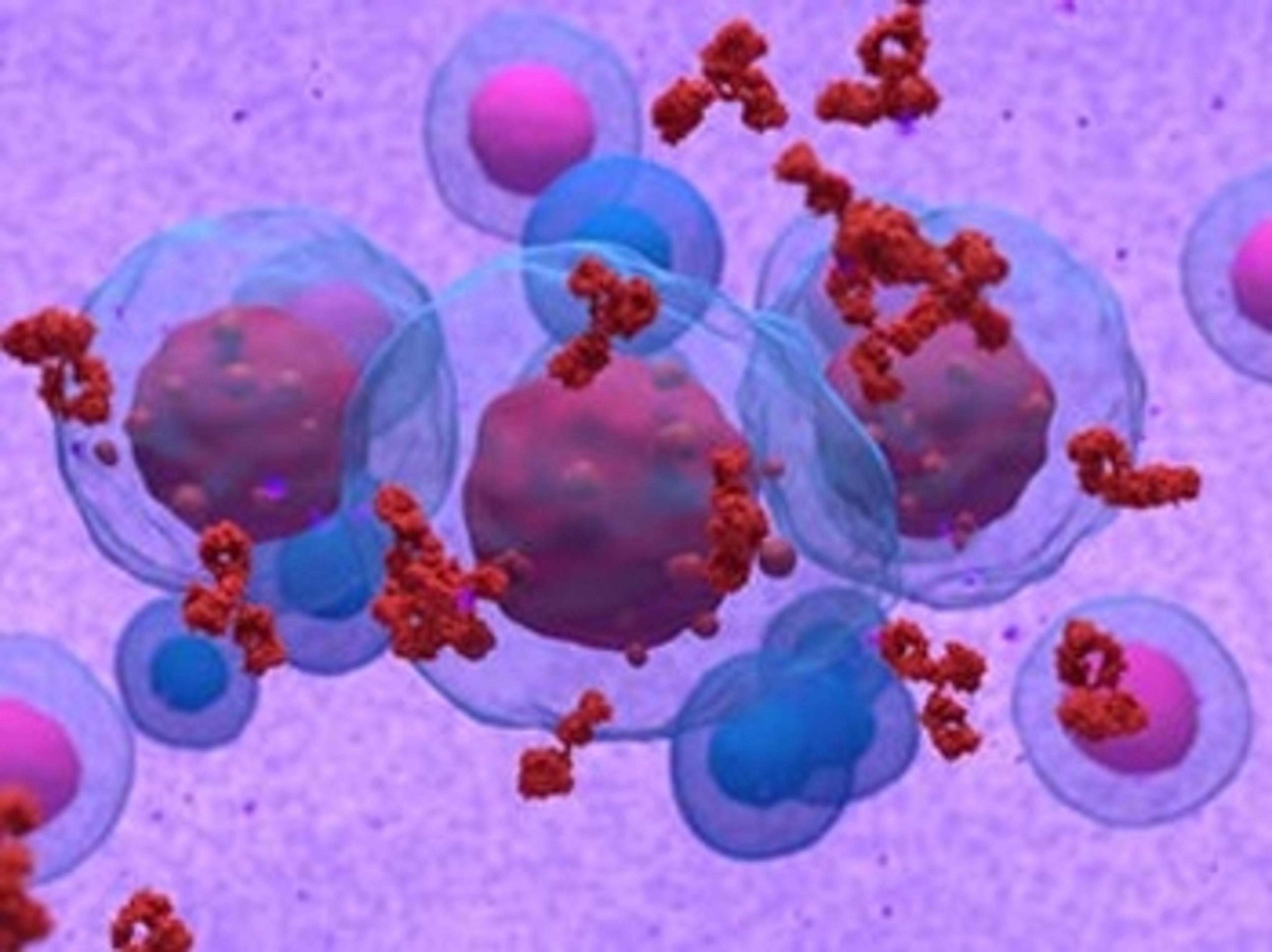
Understanding the link between MGUS and multiple myeloma: an expert view
Clinical consultant at Siemens Healthineers explores the link between MGUS and multiple myeloma and reveals how immunoglobulins can be used to effectively aid disease detection