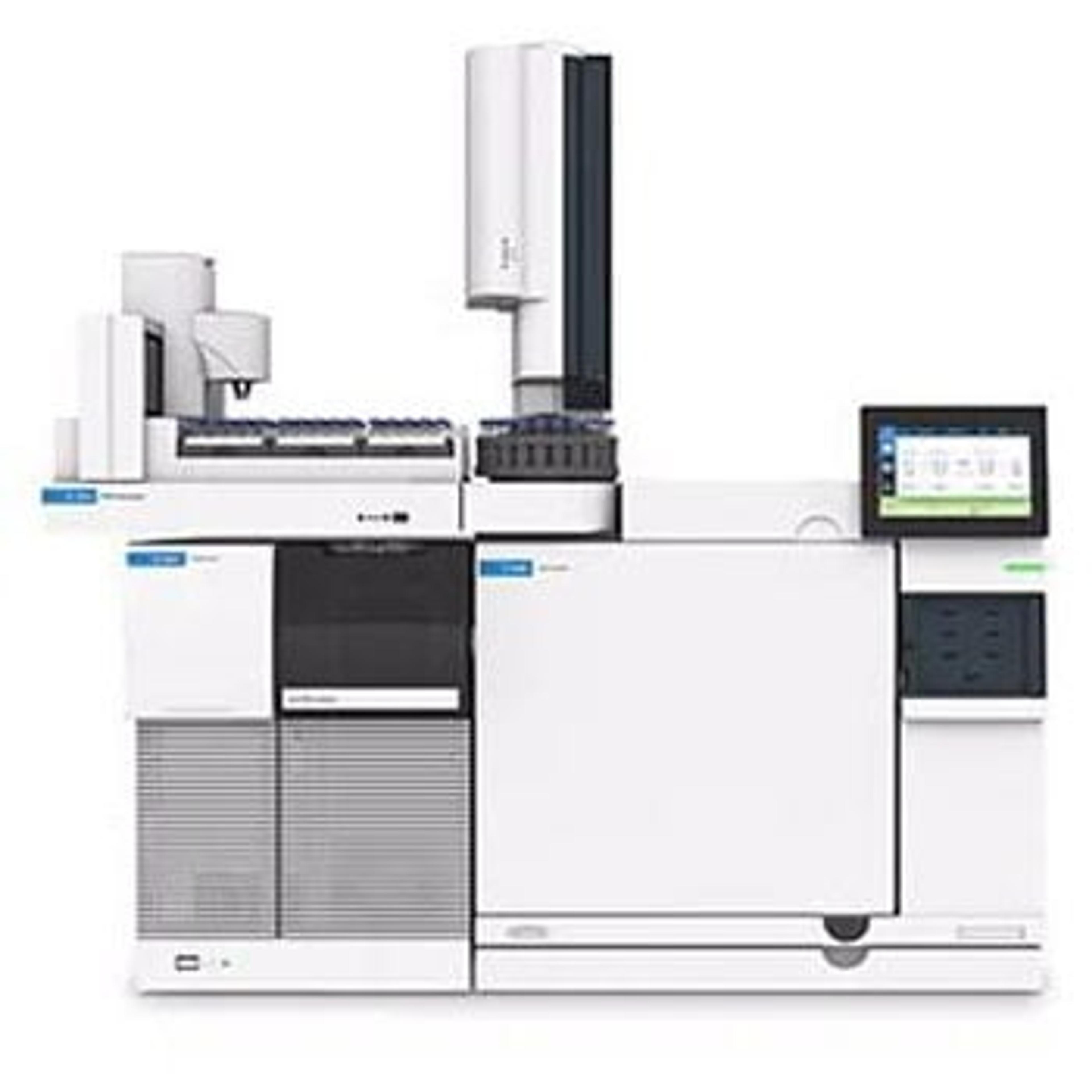
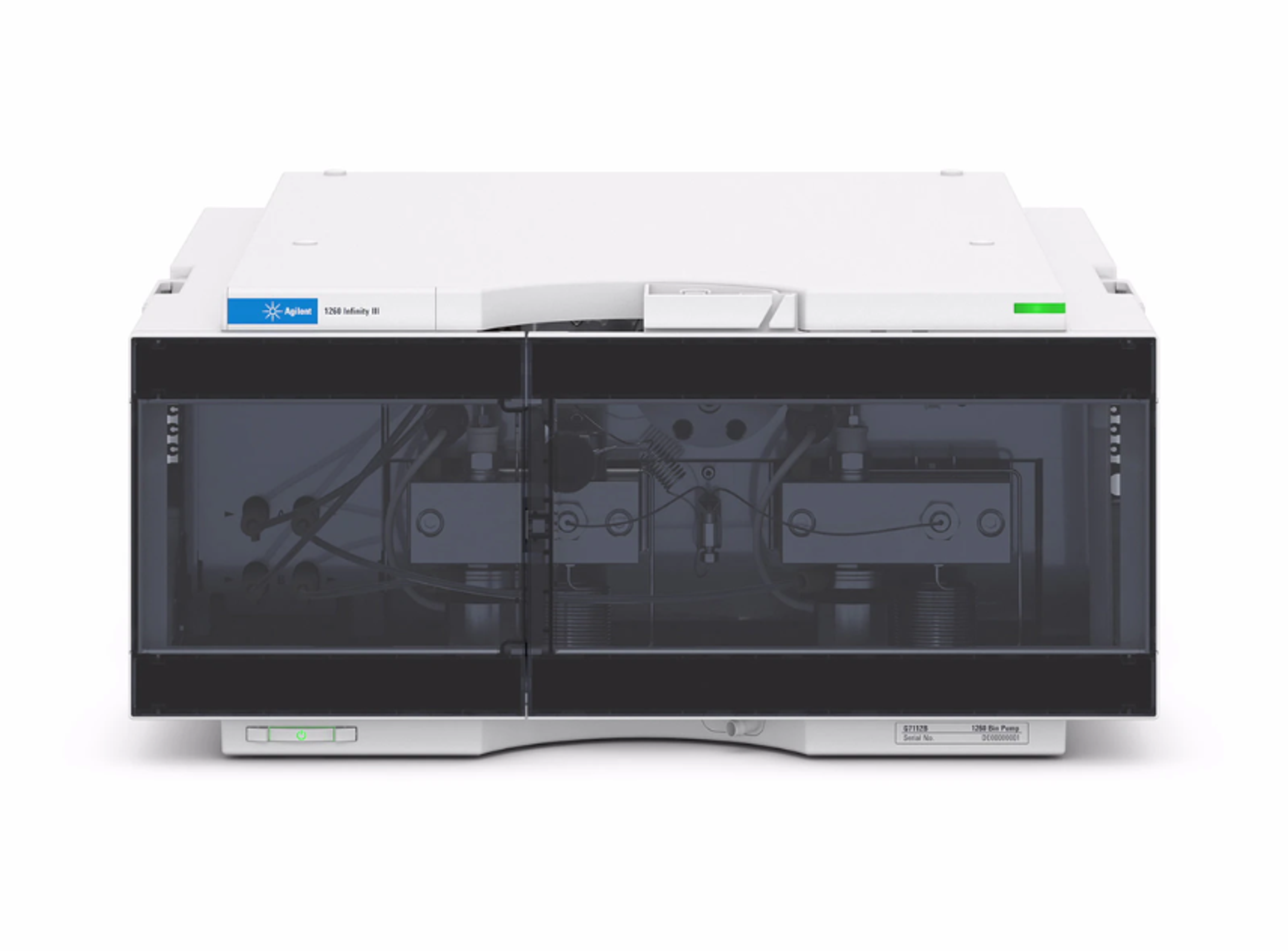
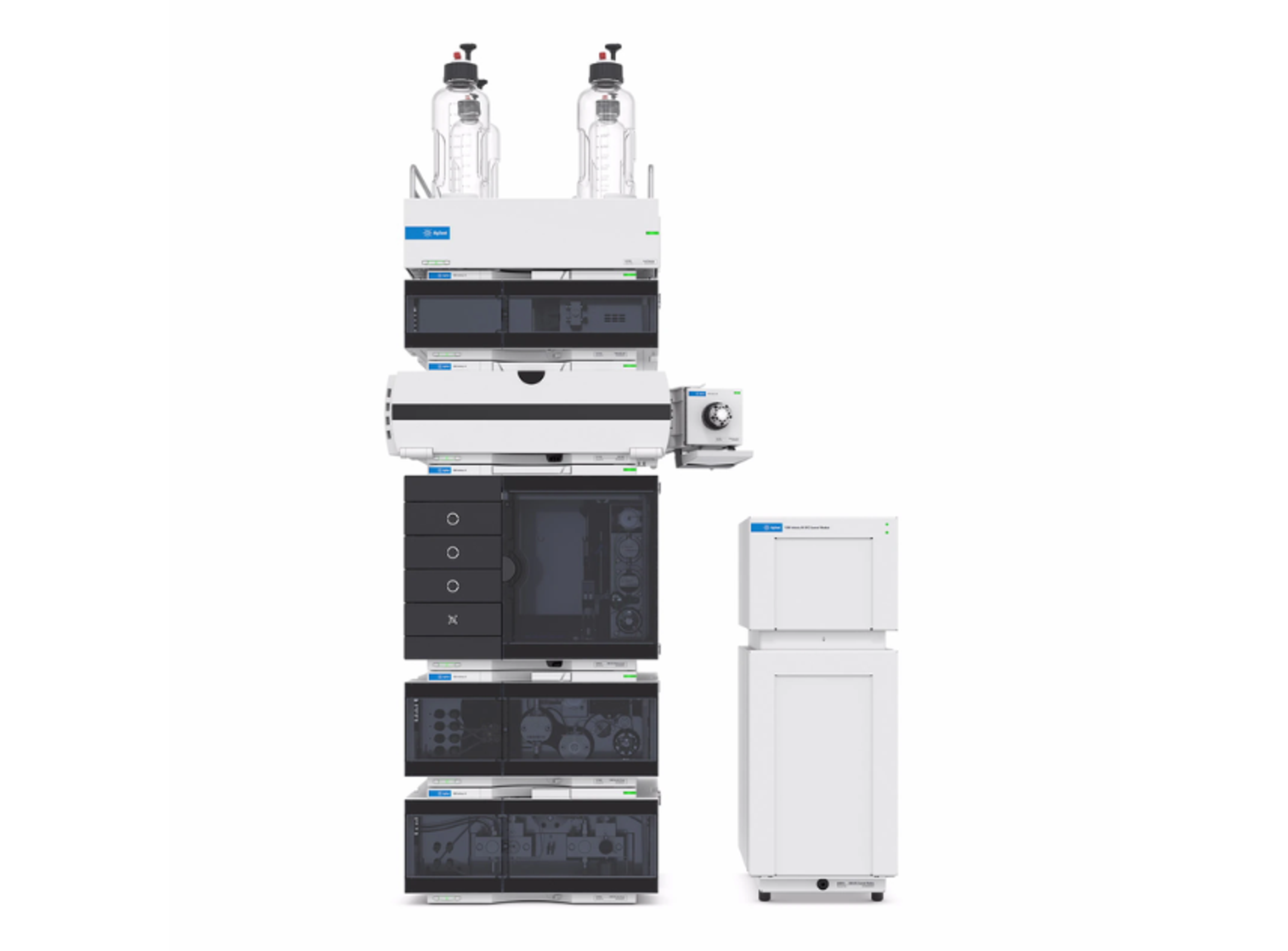
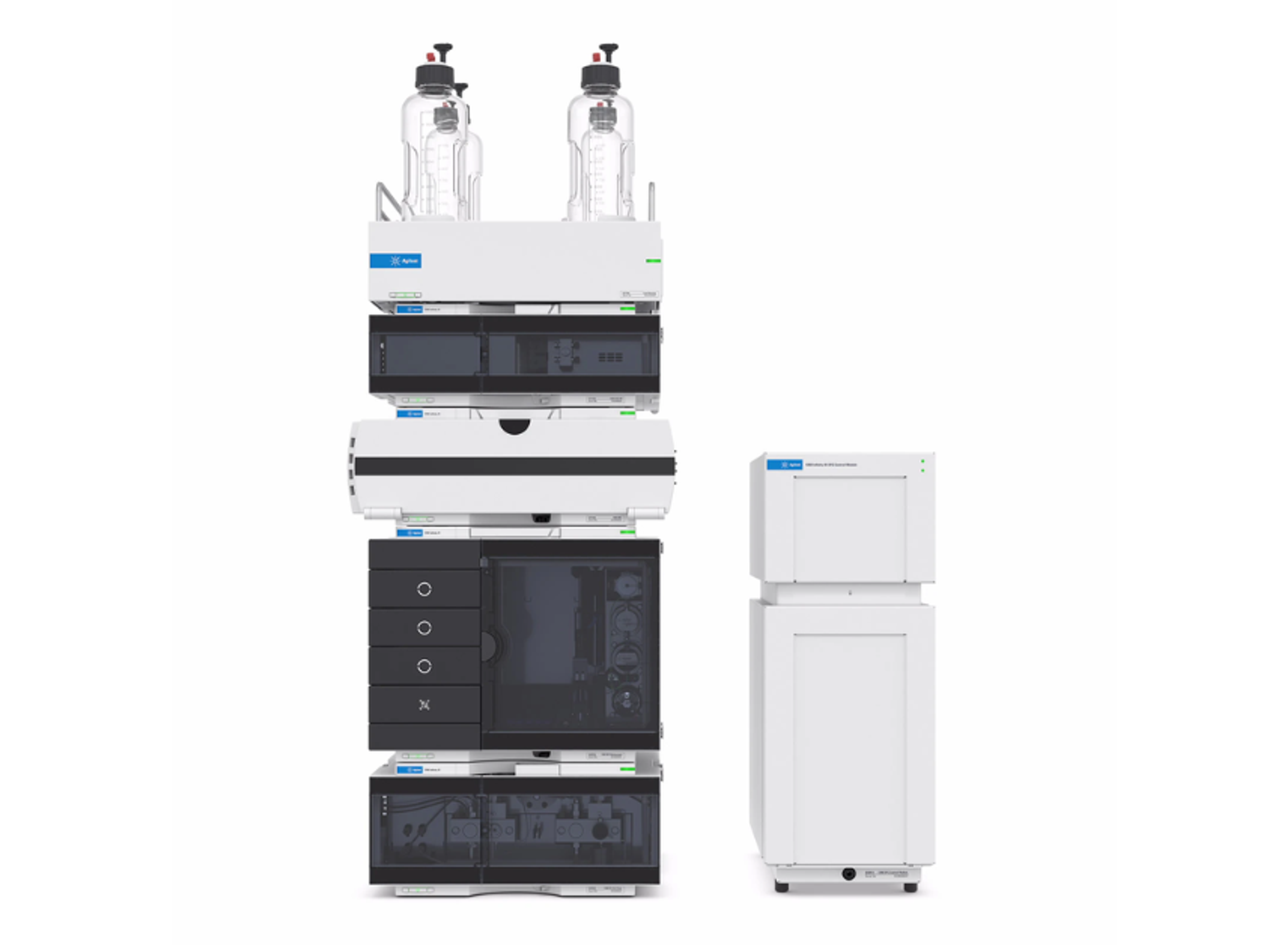
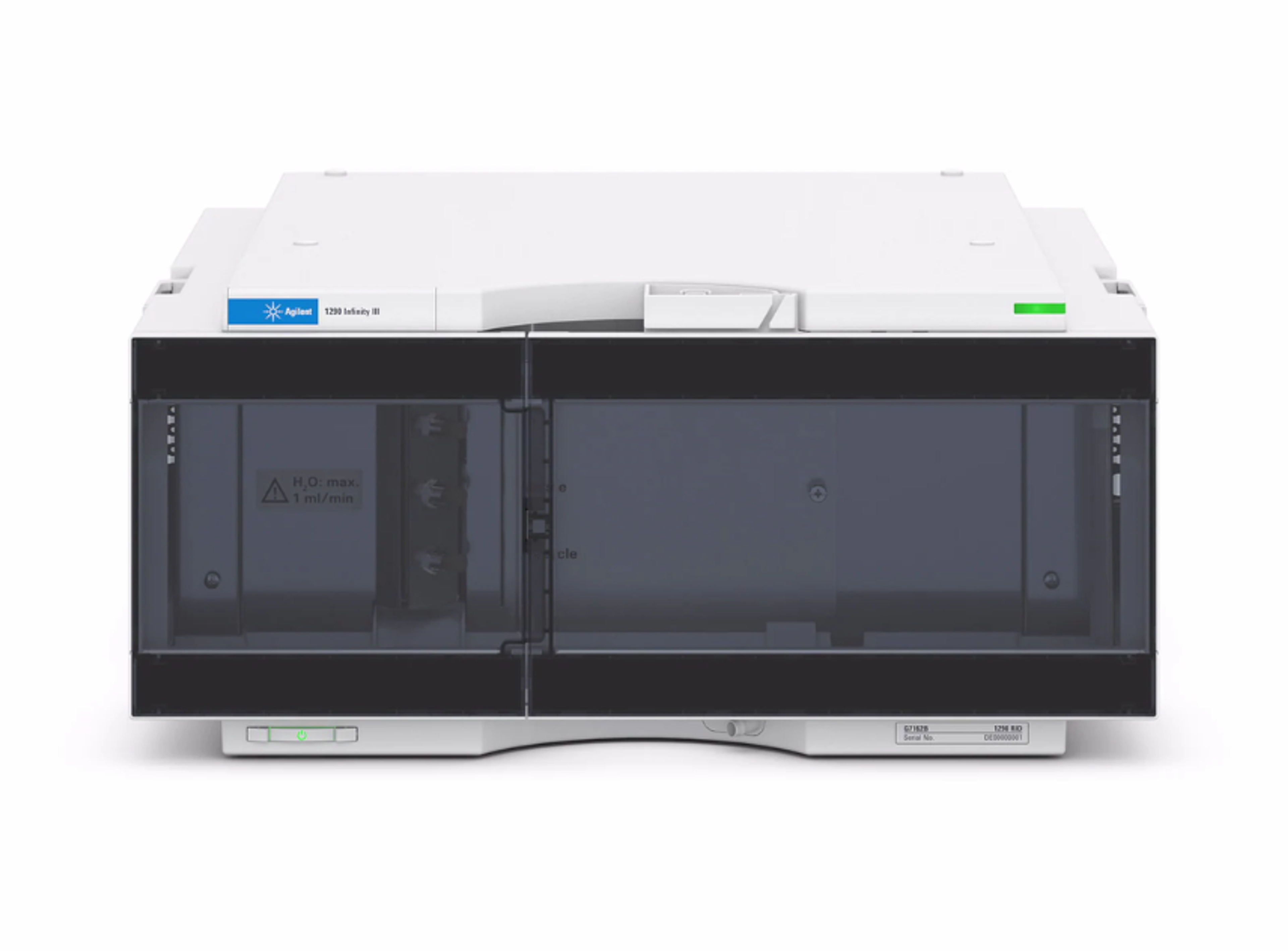
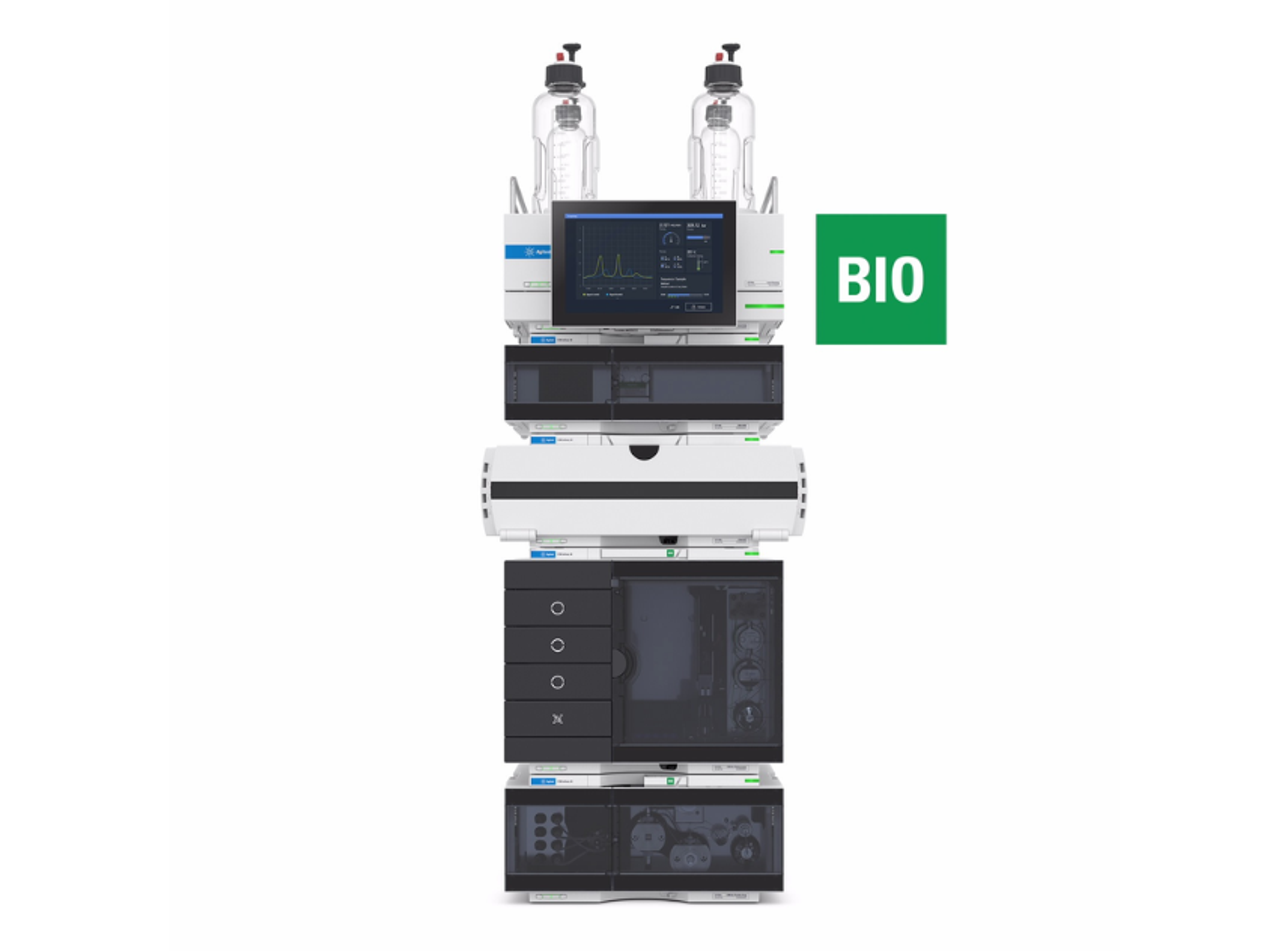
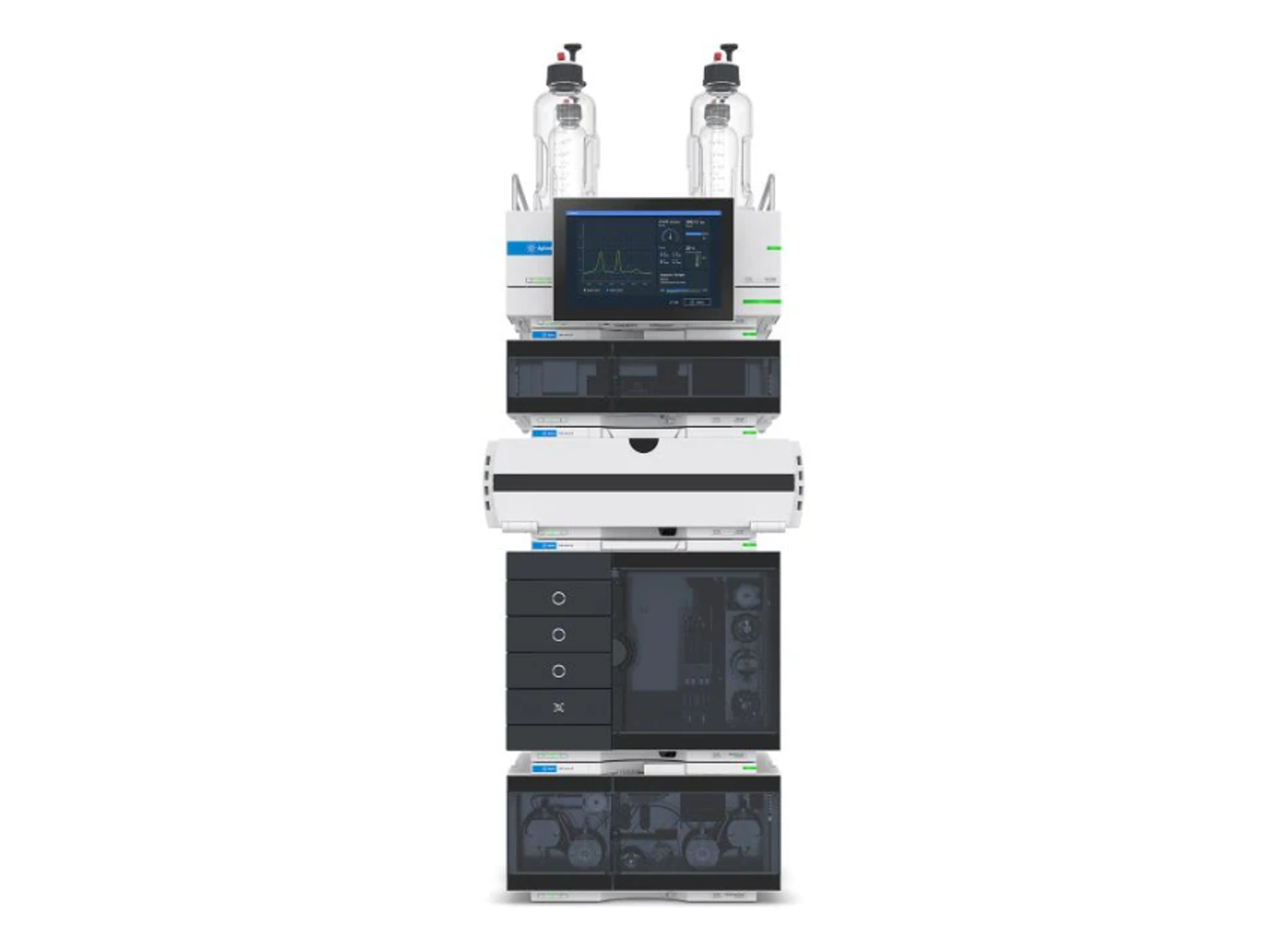
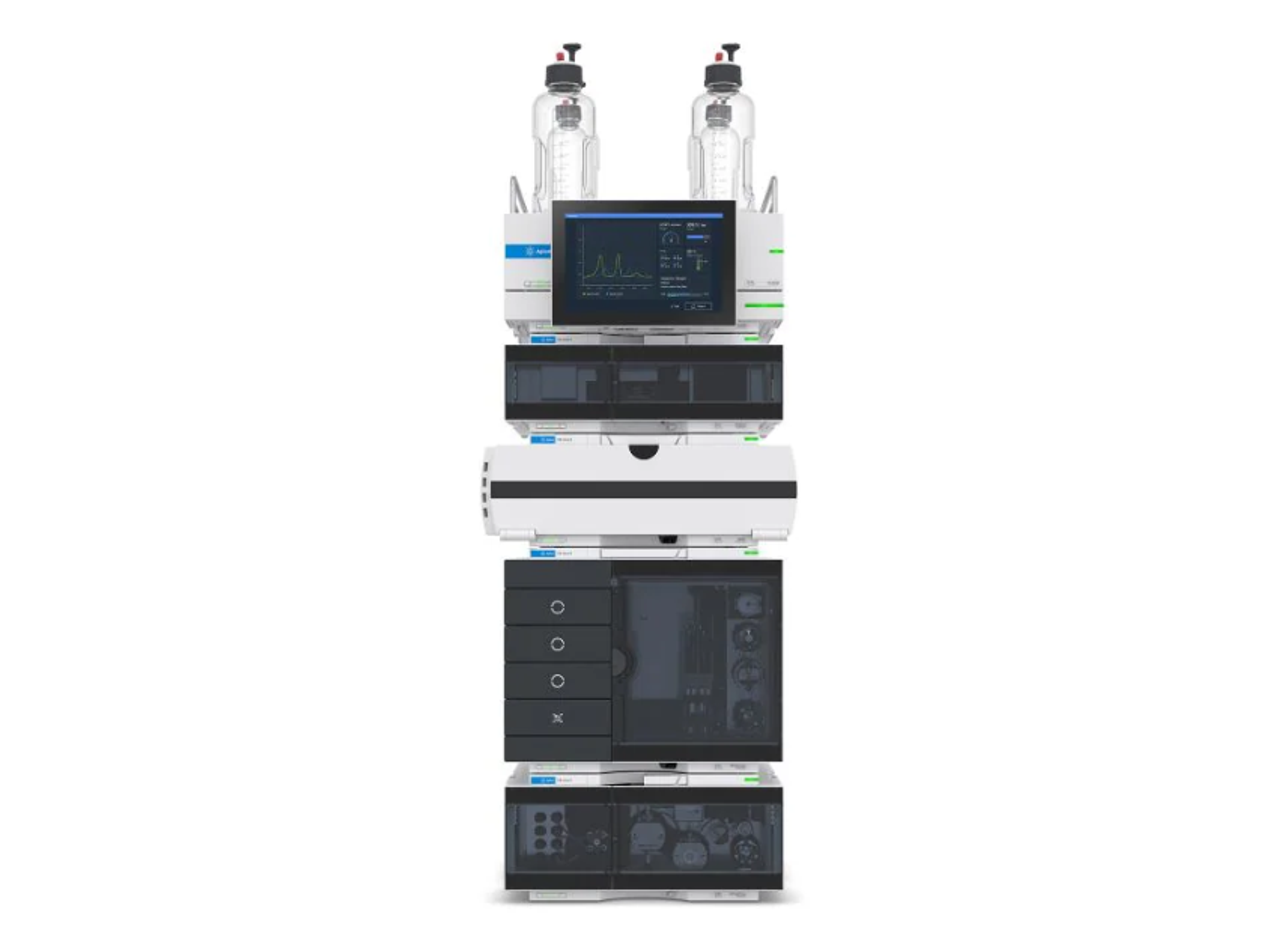
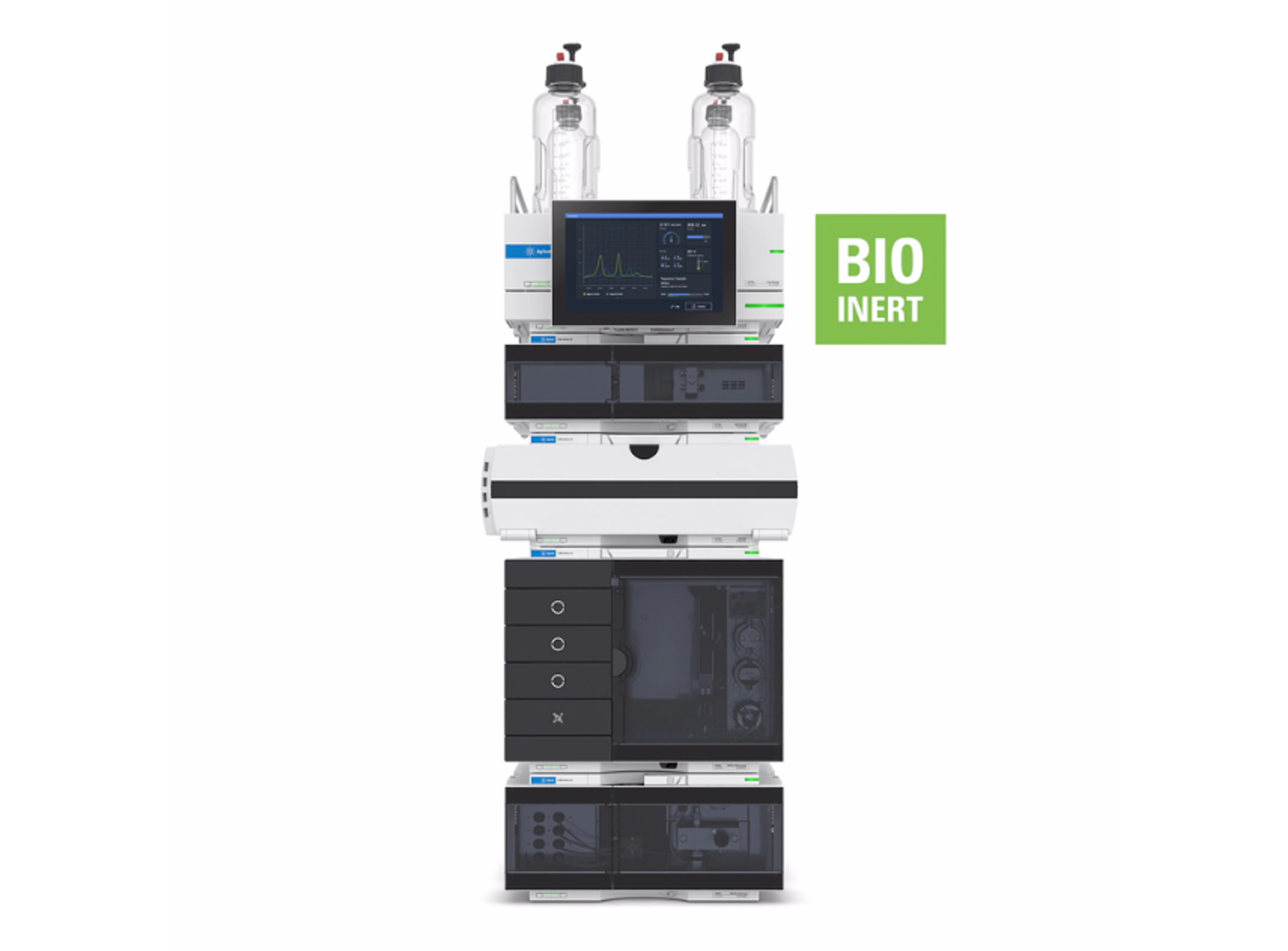
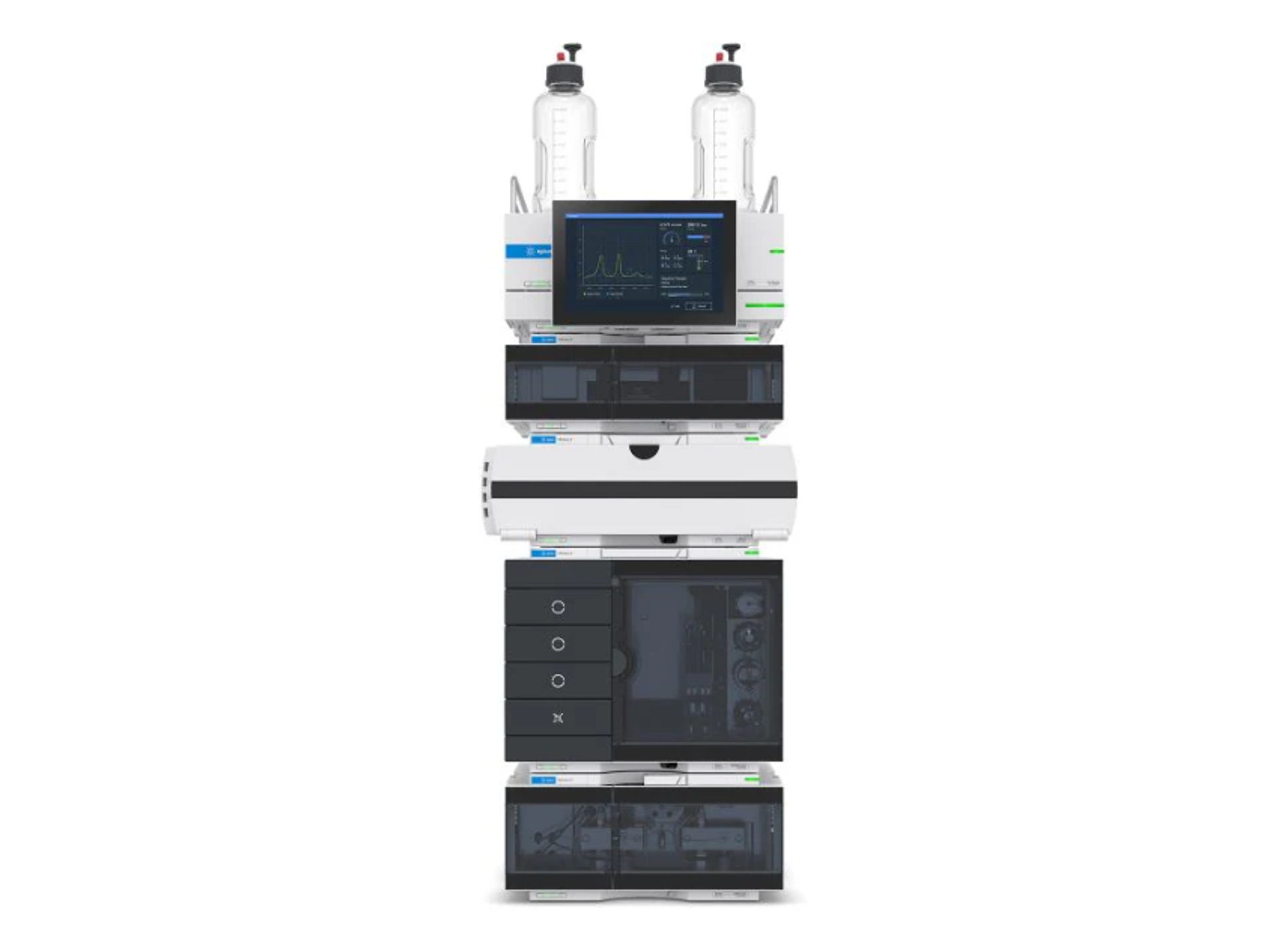
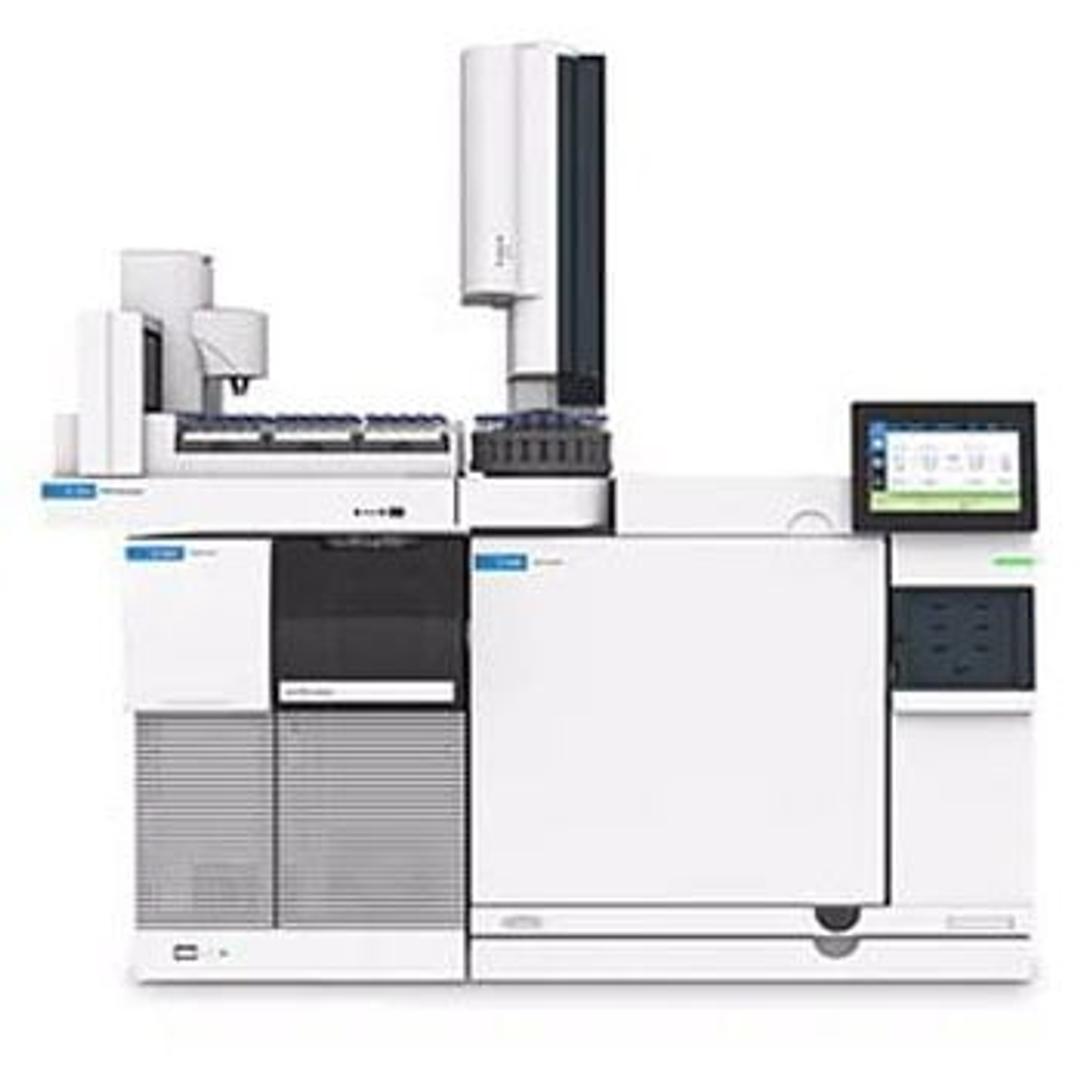
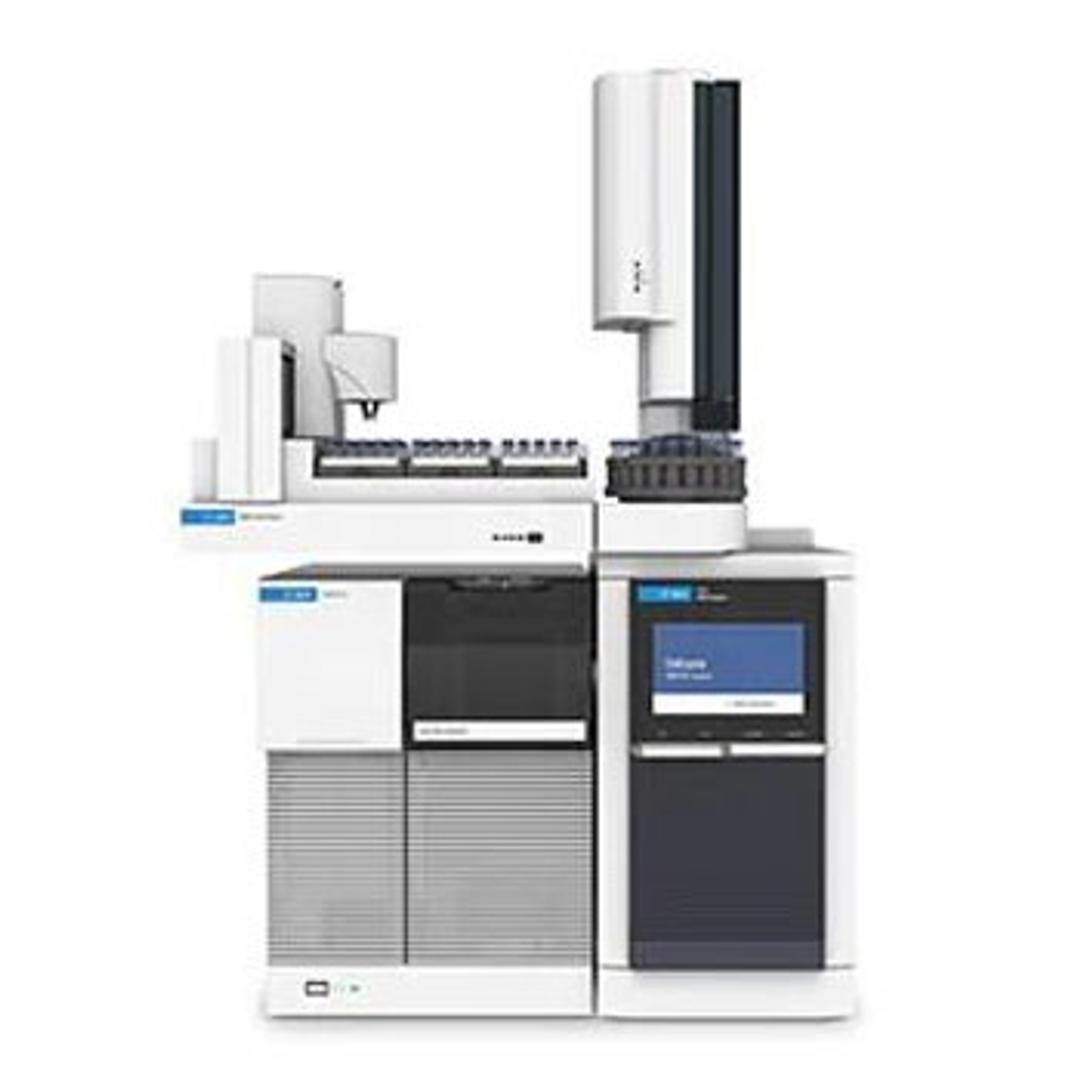
7000E Triple Quadrupole GC/MS
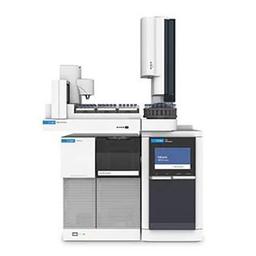
The new Agilent 7000E triple quadrupole GC/MS provides unequivocal intelligence and robustness to deliver the answers you seek. The routine workhorse for labs across a wide range of industry applications like pesticides in food or SVOCs in environmental samples now has SWARM autotune and improved diagnostic tools. HydroInert, the new ion source optimized for use with hydrogen as a carrier gas, helps your lab avoid disruptions…

Receive your quote directly from the manufacturer.
Features:
- The new HydroInert source enables easy adoption of hydrogen as a carrier gas, improves chromatography, and helps prevent operational disruptions due to helium shortages
- Data acquisition modes like data-dependent tMRM and simultaneous dMRM and scan mode enable targeted screening with confident quantitation of hundreds of analytes in a single run
- Twice as fast SWARM autotune with incorporated diagnostic features pairs with the built-in intelligence of the 8890 and Intuvo GCs for improved system diagnostics and simplified access to powerful operations through an integrated touch screen and browser interface
- JetClean self-cleaning ion source greatly reduces or even eliminates the need for manual source cleaning
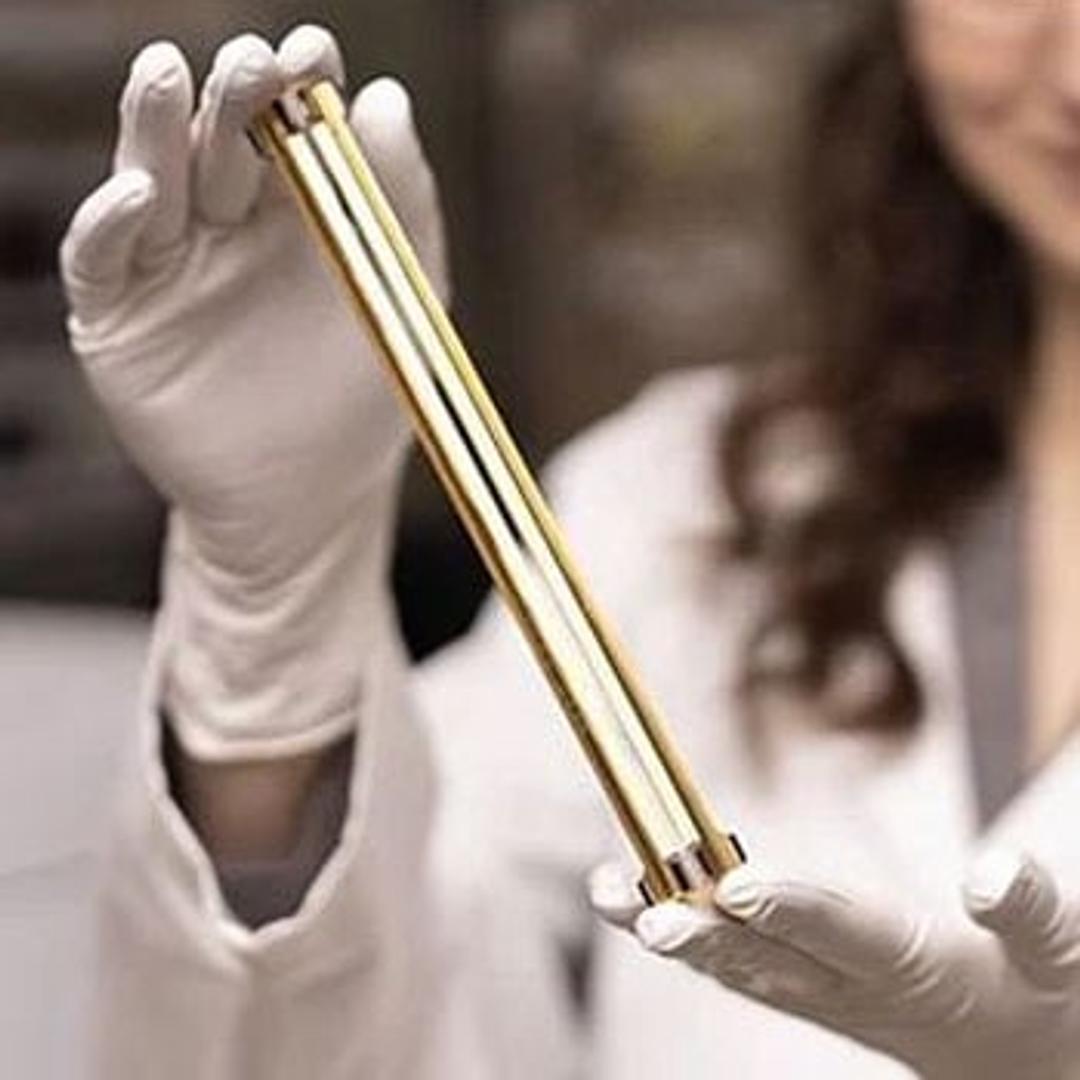
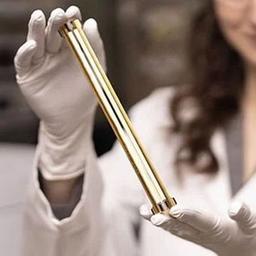
- A heated gold quadrupole, triple-axis HED-EM detector, and fast venting enhance the performance of the mass spectrometer by reducing neutral noise and instrument cool-down time
- Agilent MassHunter software delivers complete control from tune to data analysis and report generation, streamlining your workflow
- MassHunter Optimizer software easily transfers GC/MSD methods to GC/TQ and uses retention time locking software to reproducibly transfer methods between GC systems
- Built-in technical controls combined with procedural controls ensure the security of your data, control access, and facilitate compliance as defined by US FDA 21 CFR Part 11, EU Annex 11, and similar national electronic record regulations
- The Agilent Pesticides and Environmental Pollutants 4.0 Database contains over 1,100 compounds with multiple transitions per compound and over 7,500 matrix-optimized MRM transitions, helping you build acquisition methods that reduce matrix interferences
- To enable a better-informed, sustainable choice, Agilent has partnered with My Green Lab to have the 7000E GC/TQ independently audited for their Accountability, Consistency, and Transparency (ACT) label

Adding more confidence to sensitive quantitation in complex foods by triple quadrupole GC/MS (GC/TQ)
Concern about trace-level food contaminants is driving the demand for robust, rapid, and reliable methods for identification and quantitation of chemical residues and contaminants in food matrices. Agilent describes the use of the novel simultaneous dMRM/scan (dynamic multiple reaction monitoring/scan) data acquisition mode for reliable identification and quantitation of pesticides in challenging food matrices. Simultaneous dMRM/scan mode eliminates the need to reanalyze the sample in each data acquisition mode separately, enabling retrospective analysis, yet demonstrating comparable performance for quantitation to dMRM only mode. Explore an outline of this method using the Agilent 8890/7000E and 8890/7010C triple quadrupole GC/MS systems (GC/TQ), for spinach, walnut, and cayenne pepper extracts.
GC/MS instrument intelligence
Agilent continues to advance GC/MS and help real-world analytical challenges with new tools, ranging from AI-enabled data processing to high-quality spectral libraries. Explore the latest in GC/MS technology, demonstrated by a collection of experimental application notes, using Agilent technologies including the 5977C GC/MSD, the 7000E GC/TQ, the 7010C GC/TQ and the 7250 GC/Q-TOF.
Hydrogen carrier gas for analyzing pesticides in pigmented foods with GC/MS/MS
Due to recurring helium shortages and increased prices experienced in recent years, there is an intensified demand for adapting the GC/MS analysis to hydrogen carrier gas. Agilent describes the key strategies for pesticide analysis with gas chromatography/triple quadrupole mass spectrometry (GC/TQ) using hydrogen as the carrier gas, while maintaining sensitivity to meet maximum residue limits (MRLs). Explore key strategies for column configuration, optimized injection conditions, and choice of mass spectrometer (MS) electron ionization (EI) source hardware developed for use with hydrogen carrier gas – the Agilent HydroInert source and the Agilent High Efficiency Source (HES).
Agilent Inert Plus GC/MS system with HydroInert source
With increased price on the helium (He) market, laboratories are exploring the option of hydrogen (H2 ) carrier gas. Since hydrogen is a reactive gas, hydrogenation and dechlorination reactions can and do occur in the mass spectrometer electron ionization (EI) source. Here, Agilent Technologies presents a newly designed extractor source for the Agilent 5977B Inert Plus GC/MSD and Agilent 7000D/E Inert Plus triple quadrupole GC/MS systems and explains how it can address these hydrogen-related issues.
Analysis of semivolatile organic compounds with hydrogen carrier gas and HydroInert source by gas chromatography/triple quadrupole mass spectrometry
Gas chromatography/mass spectrometry (GC/MS) is integral to the analysis of semivolatile organic compounds (SVOCs) in environmental matrices. Recent pressure on the helium (He) supply has required organizations to actively investigate hydrogen (H2) carrier gas. Here, Agilent Technologies presents the Agilent HydroInert source, and explains how it retains the ability to analyze a wide calibration range and meets the U.S. Environmental Protection Agency (EPA) method 8270 calibration criteria when using H2 carrier gas.

Advancing gas chromatography workflows with smarter and smaller systems
Monday, October 20, at 16:00 BST | 17:00 CEST | 11:00 EDT | 08:00 PDT
Gas chromatography (GC) has powered analytical labs for decades, delivering precision across industries from petrochemicals to food and beverage. But traditional gas chromatography systems are often large, expensive to operate, and demanding in terms of space, utilities, and maintenance. As labs face increasing pressure to do more with less, the need for smarter, more efficient solutions has never been greater.
Join James Cain, PhD, Agilent Technologies, as he showcases the latest innovations in GC-mass spectrometry (GC-MS) that are reshaping how labs approach throughput, cost-efficiency, and footprint.
Plus, learn how a next-generation GC system supports both single and triple quadrupole mass spectrometry, and enables high-performance analysis across a range of applications, including gasoline aromatic composition (ASTM D5769), Total Petroleum Hydrocarbons (TPH), distilled spirits profiling, and more.
Who should attend?
- Lab analysts using GC and GC/MS who are interested in increasing efficiency and throughput
- Analytical lab managers looking to save time, operational expenses, and bench space
- Analytical chemists interested in the latest innovations in GC and GC/MS
Certificate of attendance
If you attend the live webinar, you will automatically receive a certificate of attendance, including a learning outcomes summary, for continuing education purposes.
If you view the on-demand webinar, you can request a certificate of attendance by emailing editor@selectscience.net.
Webinar details
- Cost: Free to attend
- Location: Online
- Duration: 60 minutes
Registration is required to secure your place. If you register but can’t attend live, you will receive a link to the on‑demand recording once it becomes available.

How to navigate the lab digitalization journey
Gain insights from industry experts on how to approach lab digitalization and ease the transition from paper to pixels
Find your best match for your digital lab of the future
Experience the thrill of speed-dating, digital lab-style