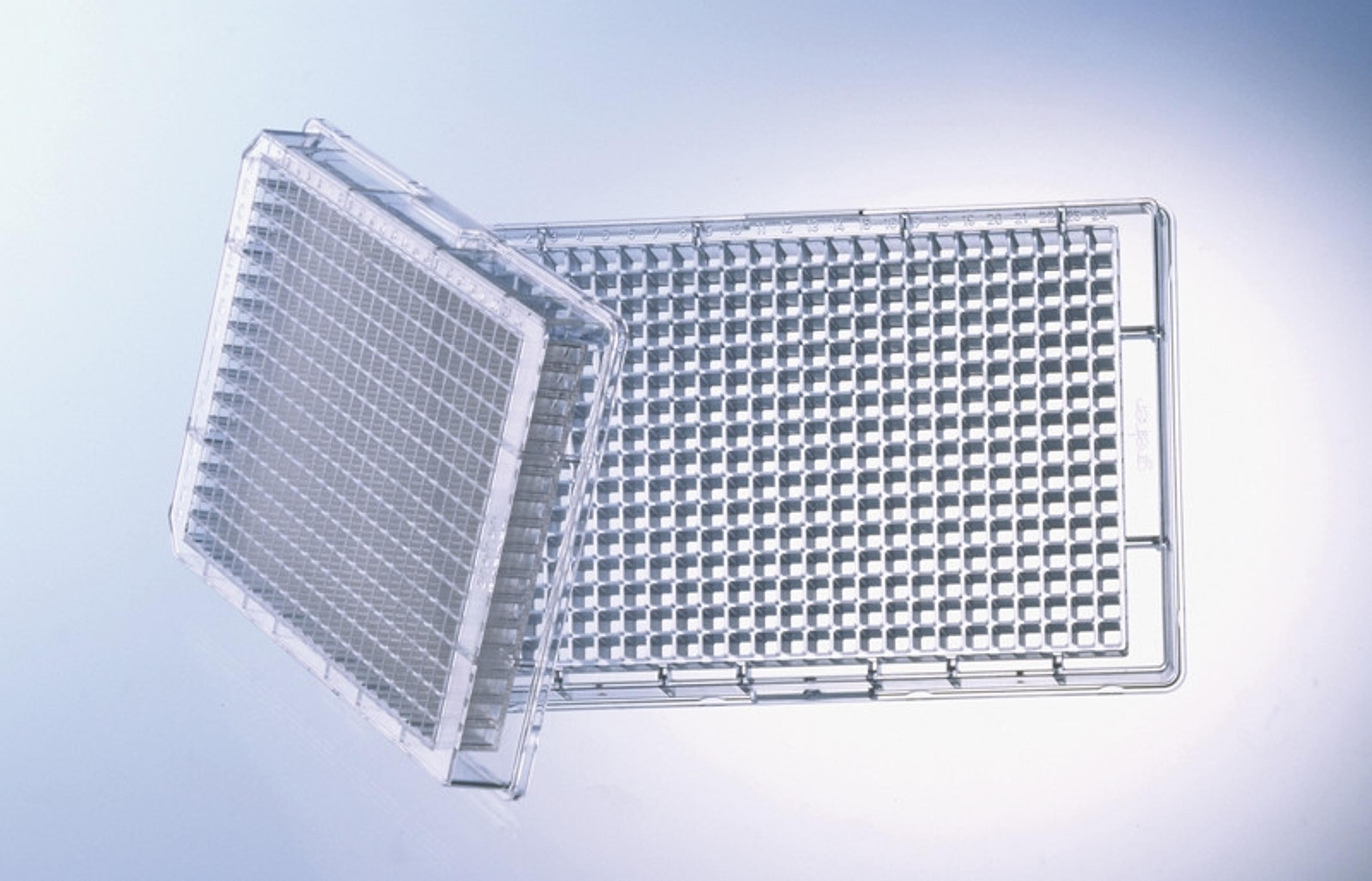
384 Well Polystyrene Microplates, Solid Bottom, Black or White
High-quality microplates from Greiner Bio-One
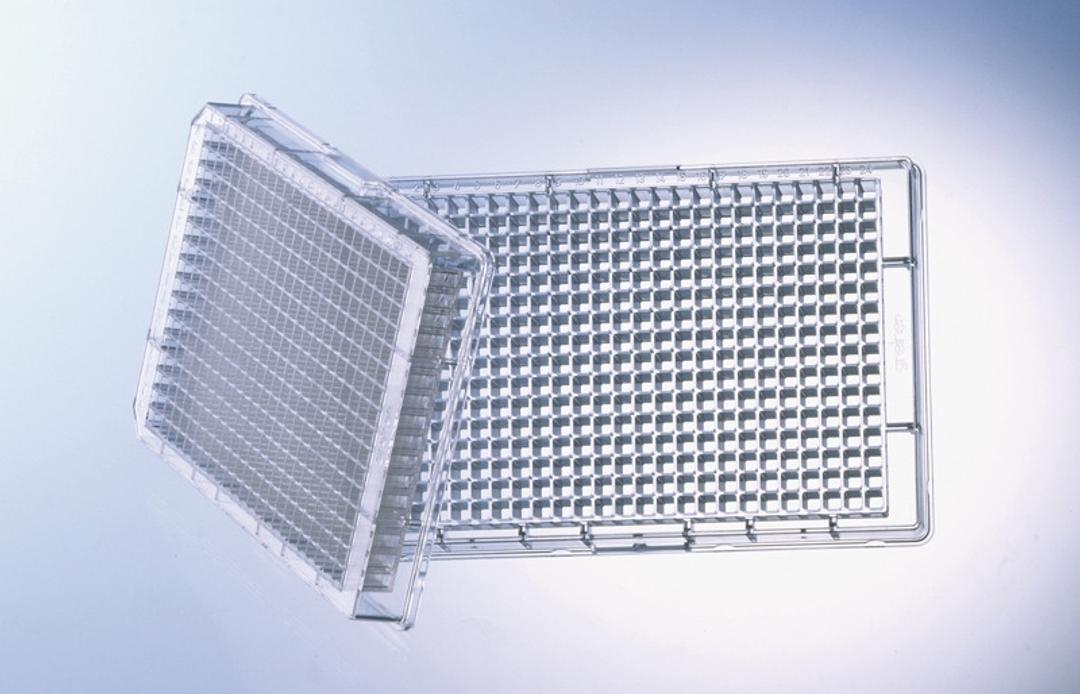
384 Well PS Microplates (clear)
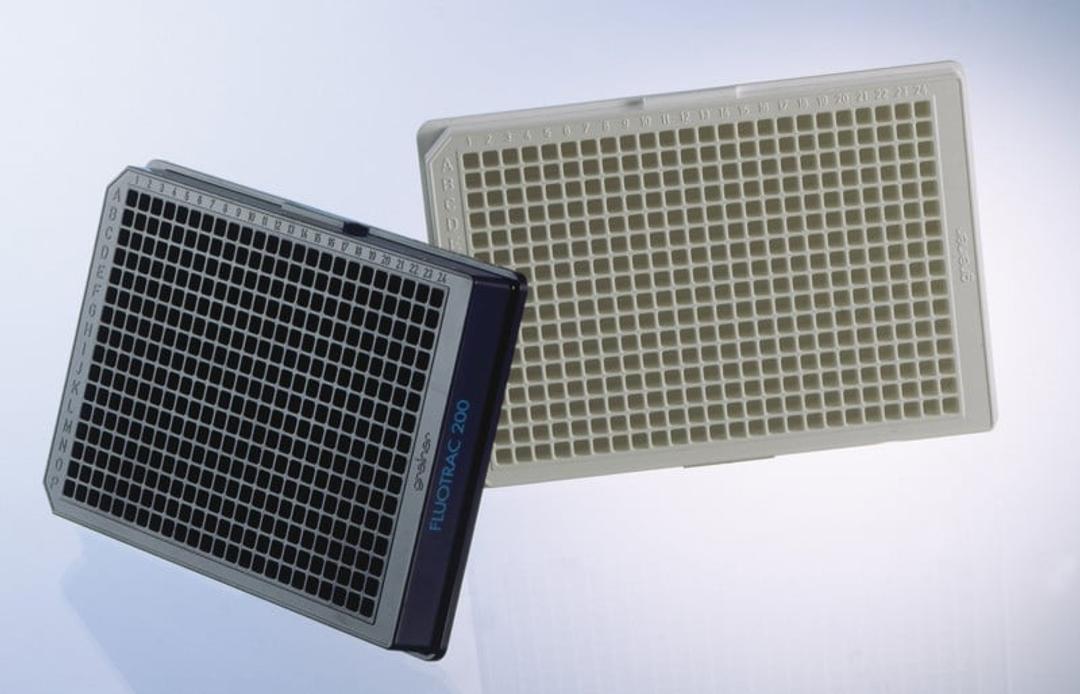
384 Well PS Microplates (black and white)
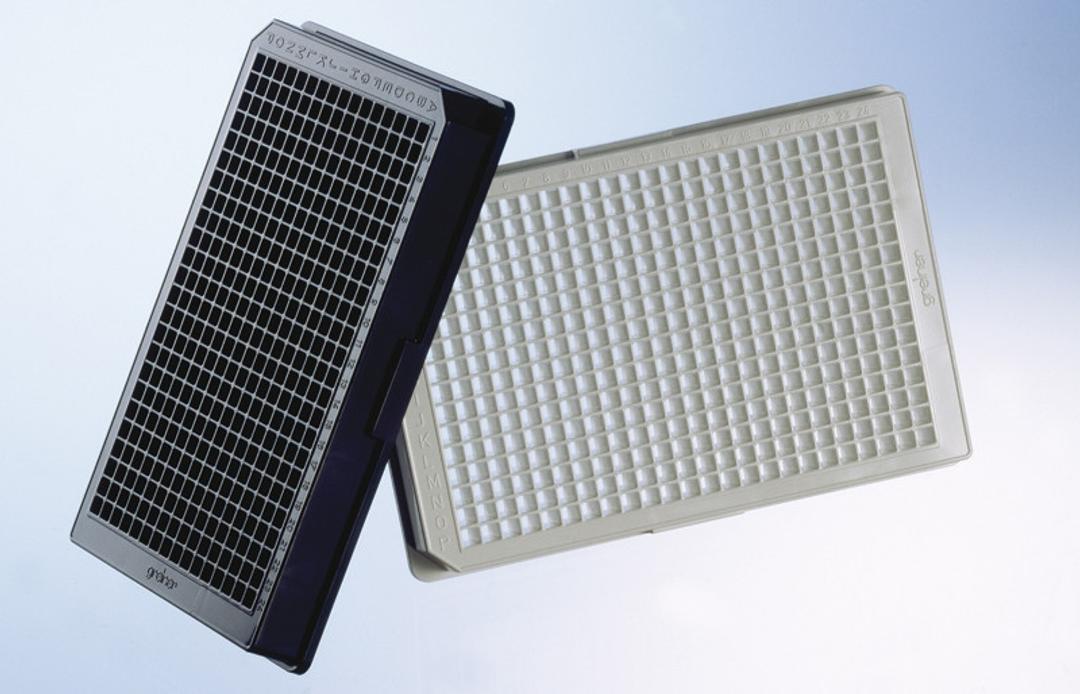
384 Well PS Microplates (µClear® film bottom)
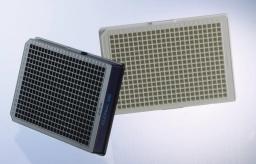
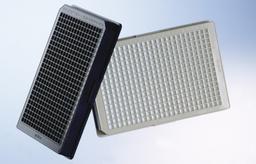

The supplier does not provide quotations for this product through SelectScience. You can search for similar products in our Product Directory.
Plates compatible with iochemical reagents.
Biochemical assays
Greiner plates have proven to be very compatible with reagents used in biochemical assays. Especially, the non-binding plates work very well with proteins. I have seen the least protein-sticking compared to other plates.
Review Date: 14 May 2021 | Greiner Bio-One GmbH
The result is reliable using these plates
Assay development/ High throughput screening
Greiner 384 white plate is perfect for luminescence assay. You can save reagents using these plates, for TC we can use 20 ul per well and can incubate the plates in the incubator (with microclime lids) up to 72 hours. It works well with all plate readers.
Review Date: 11 Apr 2019 | Greiner Bio-One GmbH
A high quality product with consistent reliability.
Biochemical assays, cell-based assays
I have used a number of Greiner Bio-One microtiter assay plates for both cell-based and biochemical assays. I have found the labware to be consistently of high quality. Greiner was helpful in working with the end user to provide a higher density option of packaging to reduce the overall number of cases we needed to order, which also reduced the packaging waste vs. 30 plates per case.
Review Date: 5 Feb 2019 | Greiner Bio-One GmbH
Review Date: 3 Oct 2006 | Greiner Bio-One GmbH
384 well microplates are available in the following versions:
- Sterile or non sterile
- Cell culture treated
- In medium binding or high binding quality
- In non-binding quality
- In UV-Star® quality
- With or without lid
- Barcode-labelled on request
Brochures

Microplate selection guide
In this brochure, Greiner Bio-One GmbH aims to offer an overview of microplates, focusing on their applications and suitability for different research needs. Advancements in research technologies have led to various platforms used across different fields. Researchers face the task of selecting microplates tailored to their specific applications from a wide array of options. This brochure aims to provide a detailed solution to microplate selection.