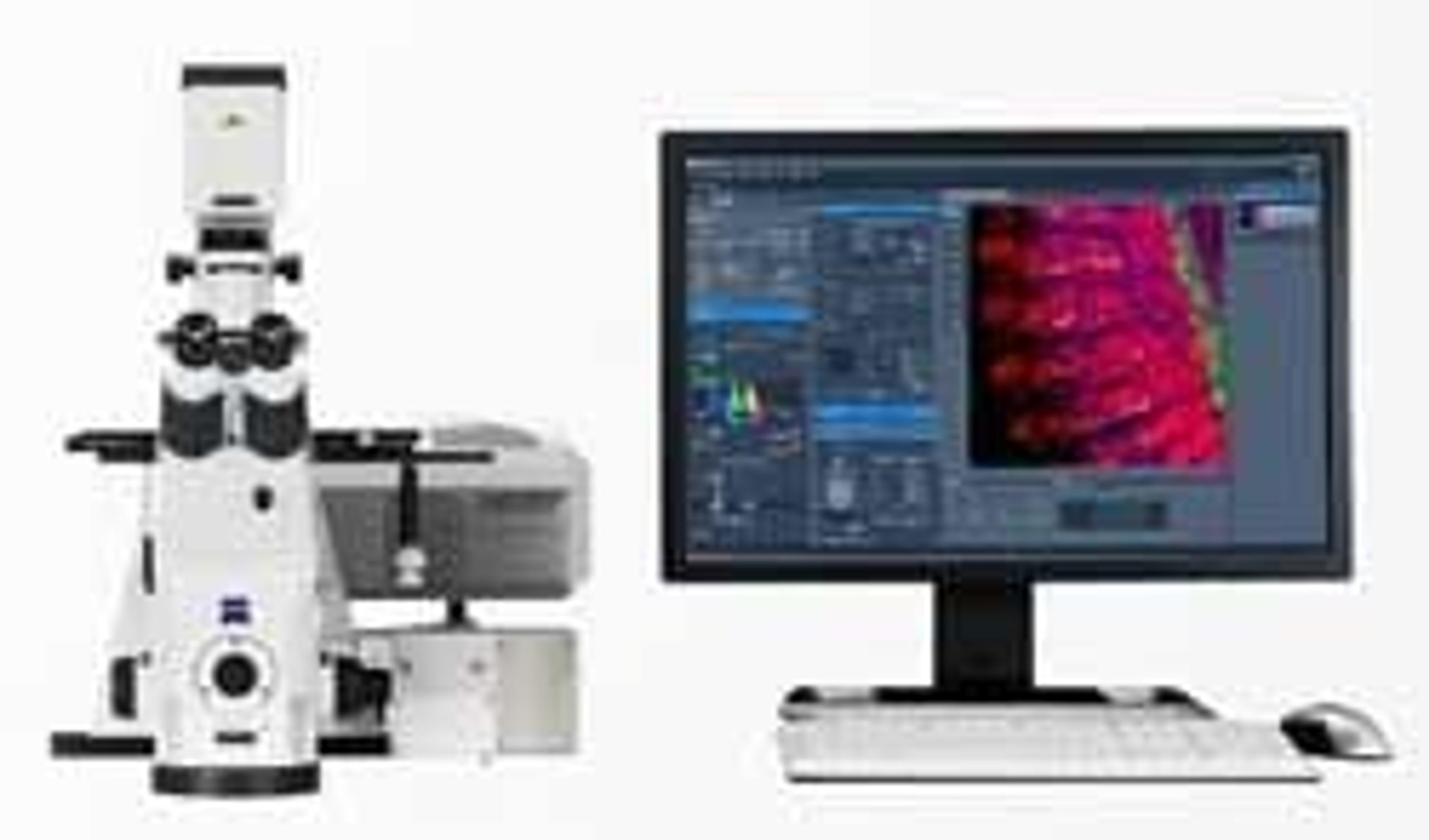
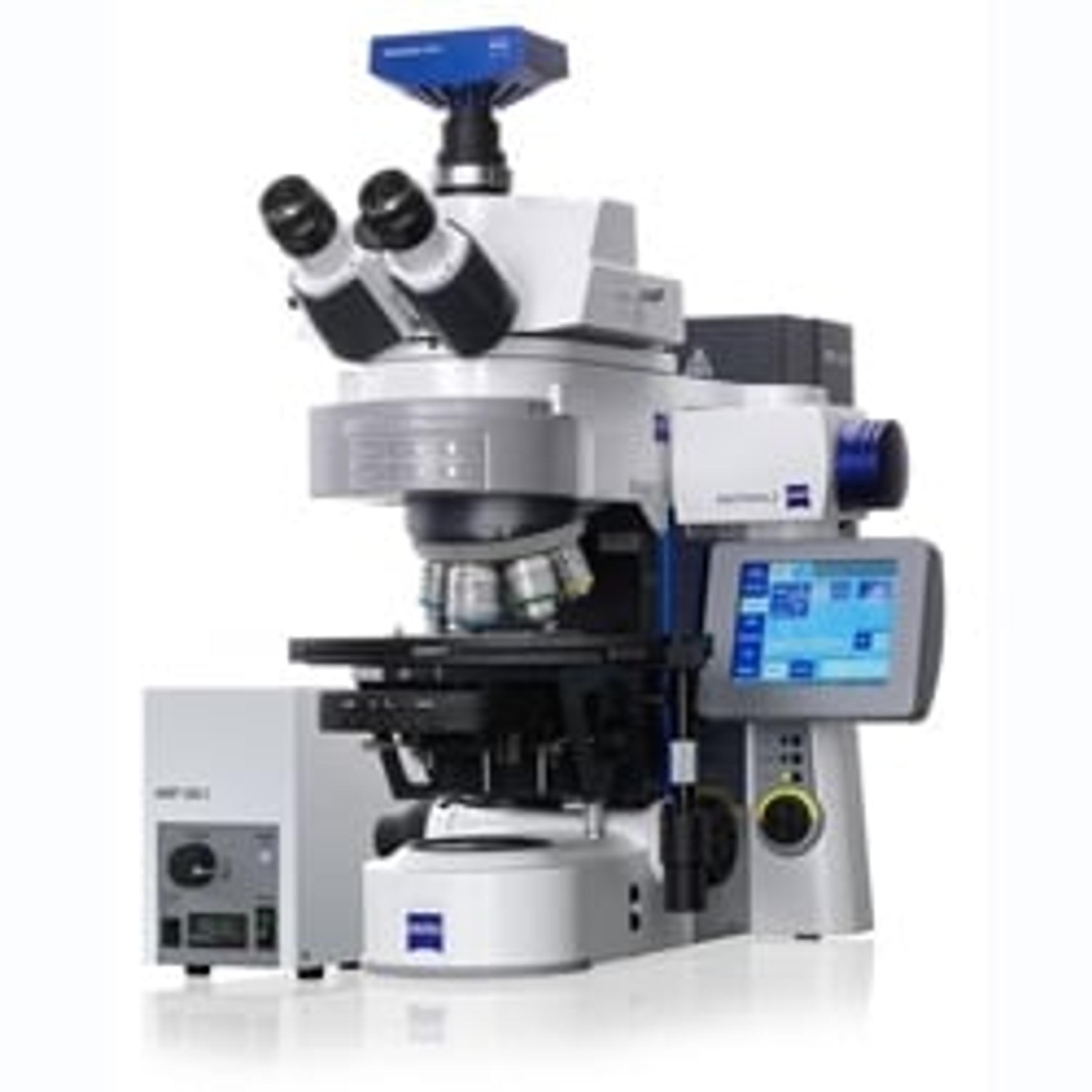
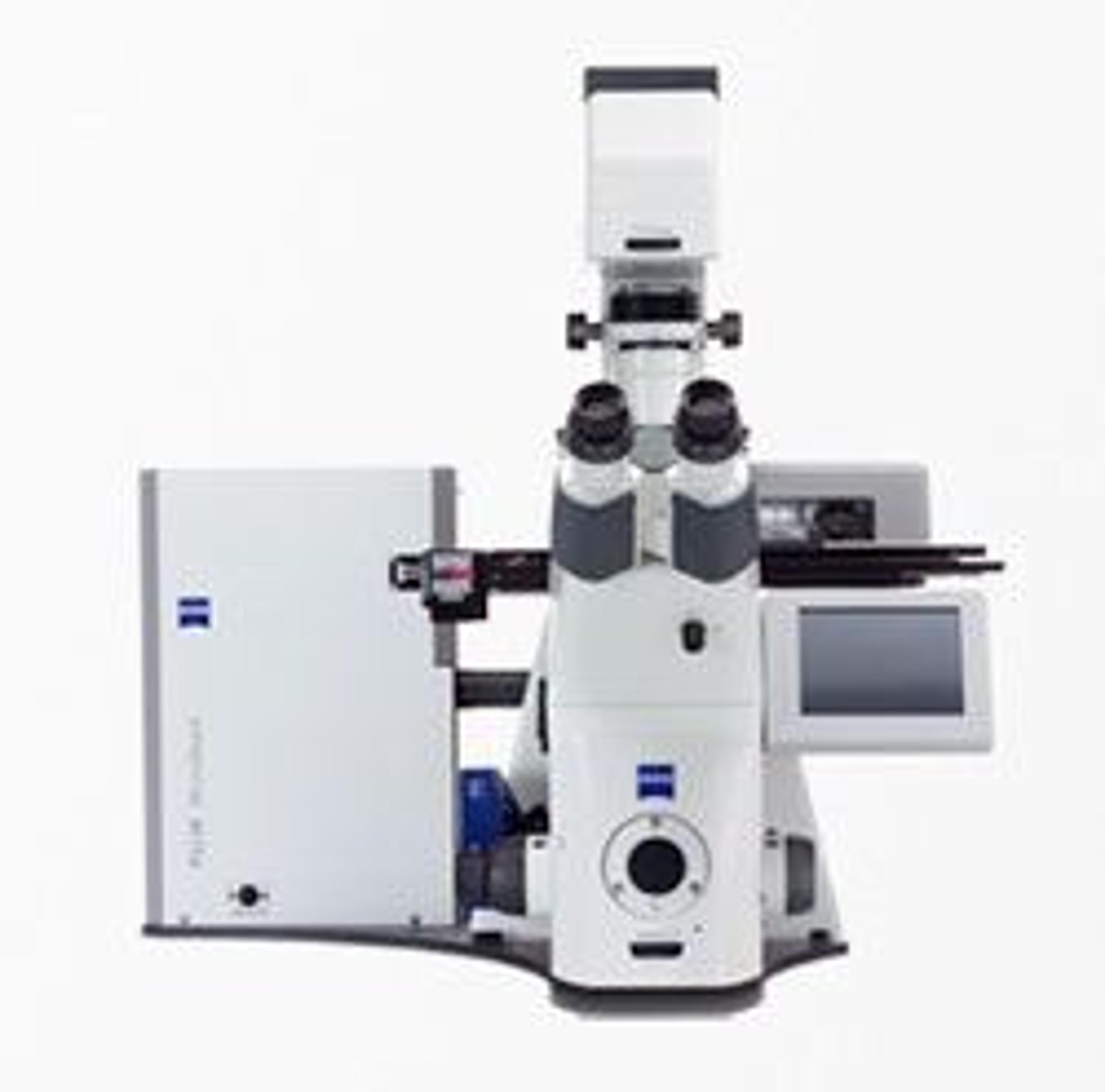
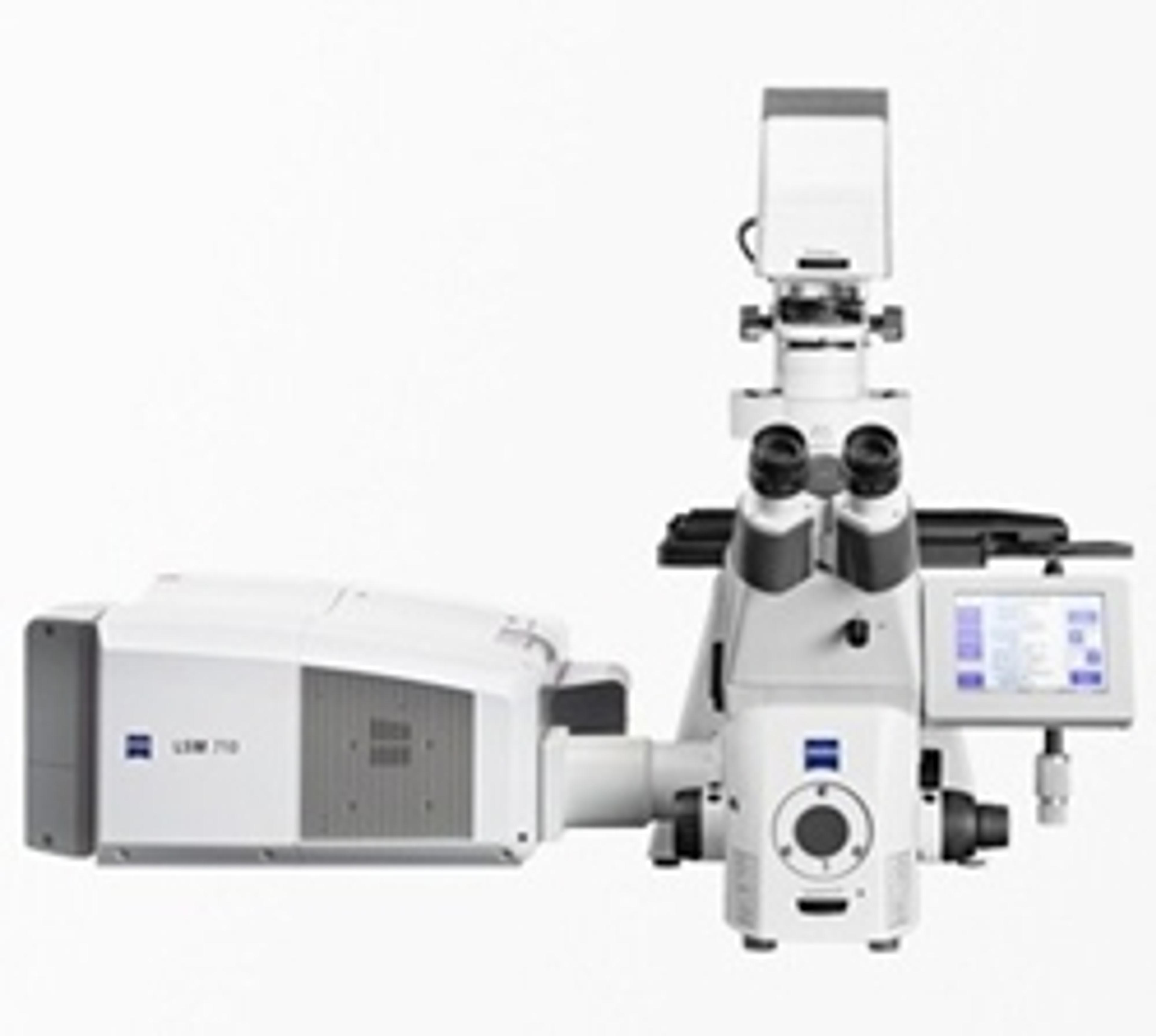
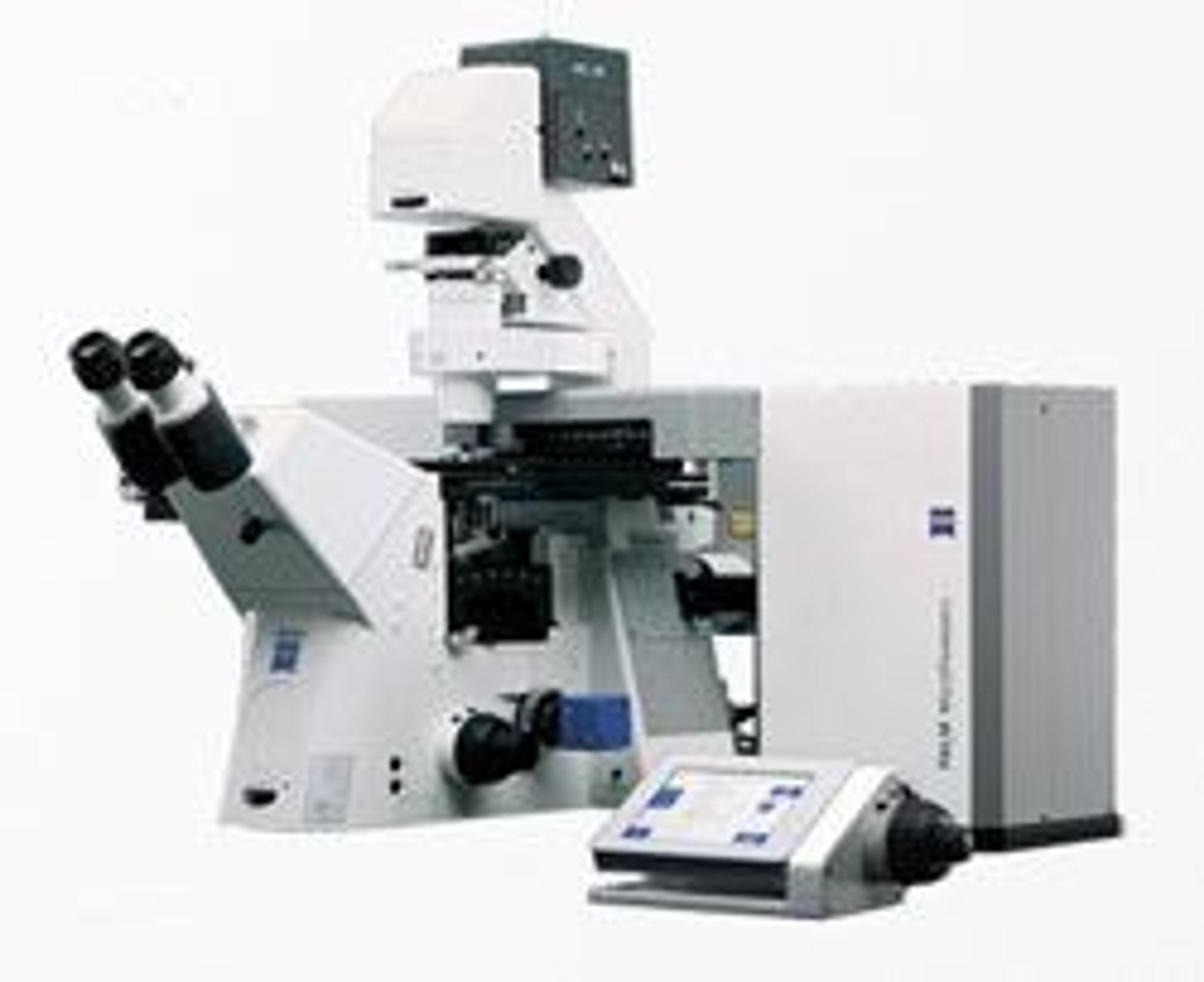
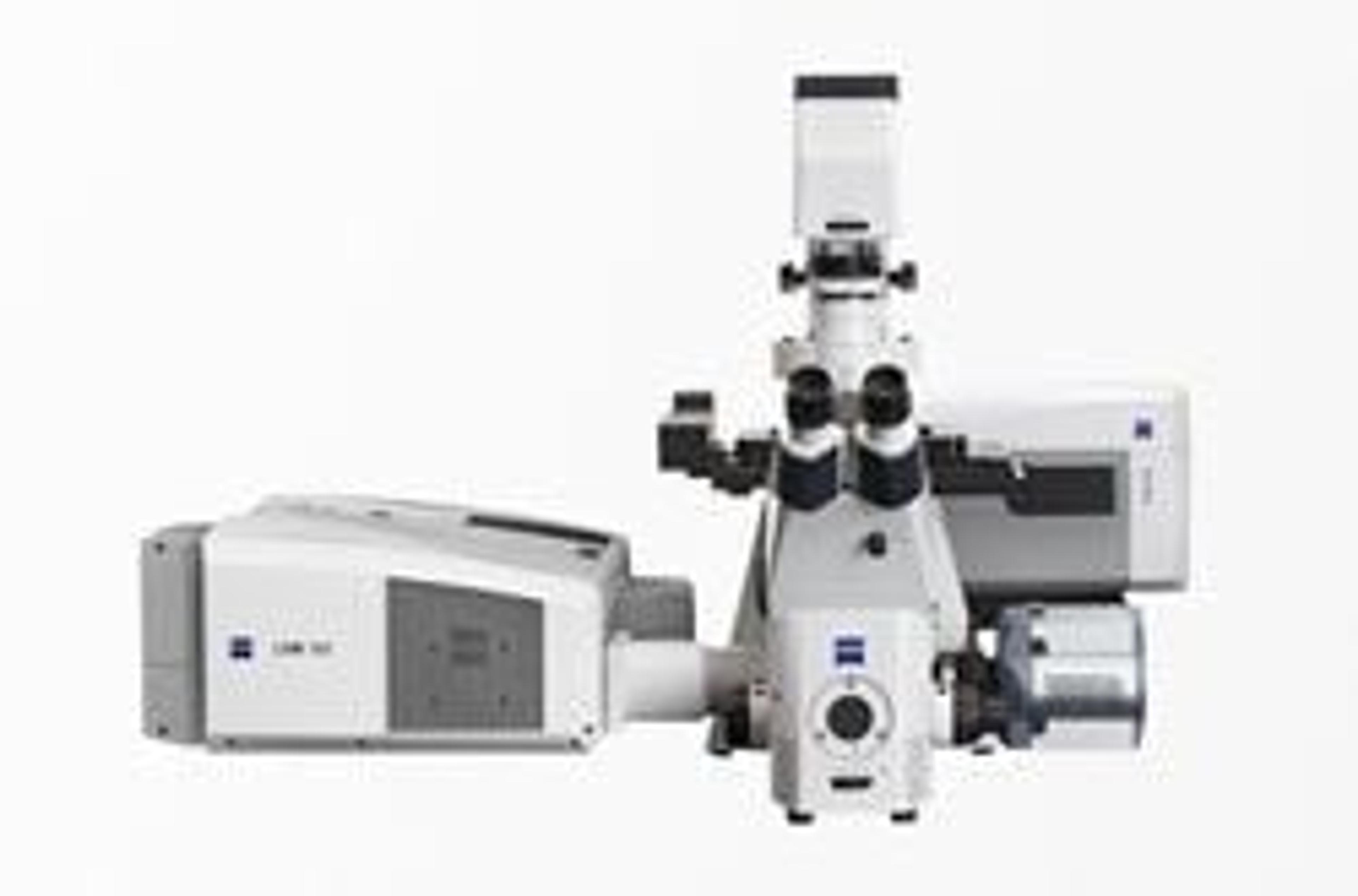
ZEISS LSM 710 NLO and LSM 780 NLO
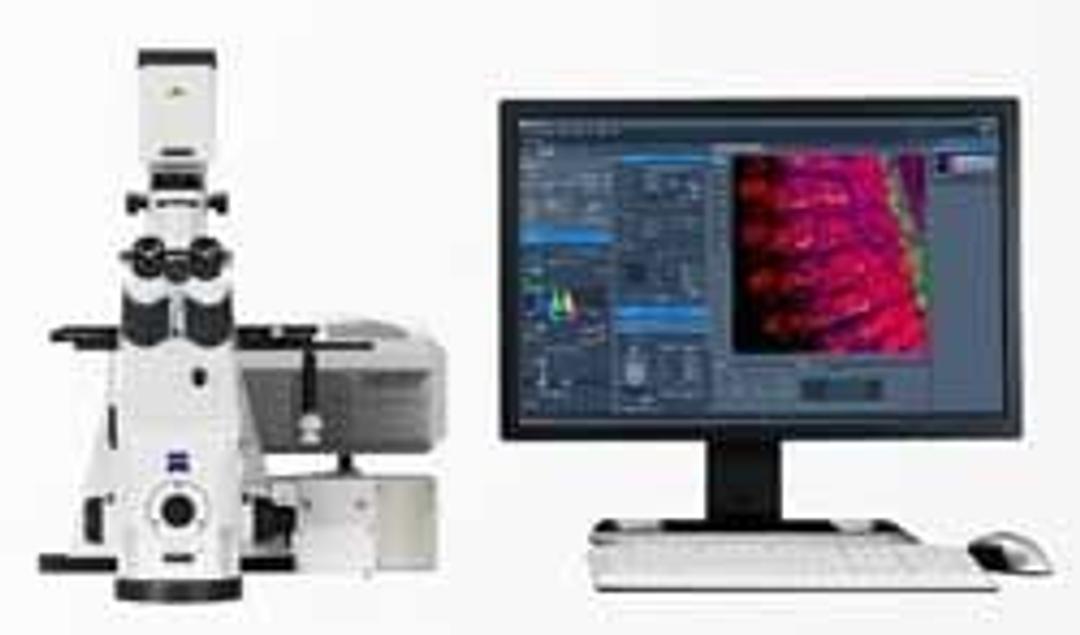
Your flexible laser scanning microscope for multiphoton imaging Open up the world of multiphoton imaging with ZEISS LSM 710 and LSM 780 microscope systems, used in combination with the NLO add-on. On top of all-round laser scanning microscopy, you see fluorescently labeled structures down to a depth of one millimeter in living tissue. Detect spectral emission signals of your multi-labeled sample simultaneously with the 32-chan…

Receive your quote directly from the manufacturer.
Your flexible laser scanning microscope for multiphoton imaging
Open up the world of multiphoton imaging with ZEISS LSM 710 and LSM 780 microscope systems, used in combination with the NLO add-on.
On top of all-round laser scanning microscopy, you see fluorescently labeled structures down to a depth of one millimeter in living tissue.
Detect spectral emission signals of your multi-labeled sample simultaneously with the 32-channel internal detector. Use up to 10 external non-descanned detectors. With this information, you separate signals reliably and produce highly detailed images that are rich in contrast.
And, above all, deeper in insight.