Whatman Puradisc Syringe Filters – Nylon
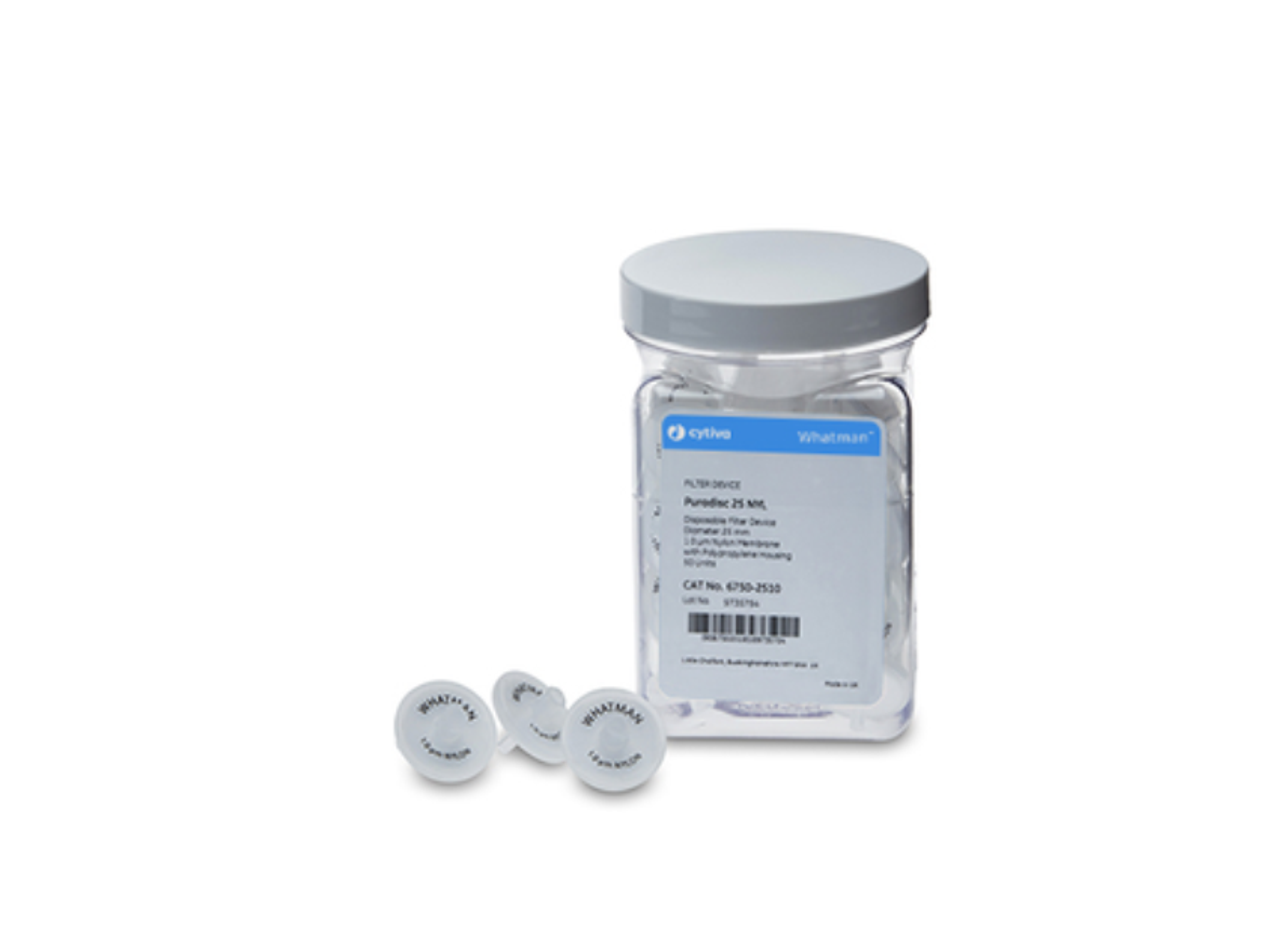
Whatman Puradisc syringe filters from Cytiva's business combine premium quality with economic efficiency. They are well suited for rapid, routine syringe filtration of samples up to 100 ml.


The supplier does not provide quotations for this product through SelectScience. You can search for similar products in our Product Directory.
Eight different material options
Choice of 4 mm, 13 mm, and 30 mm syringe filter diameter to suit sample volume
Range of pore sizes for retaining a variety of particles
Optional sterile, medical-grade blister pack
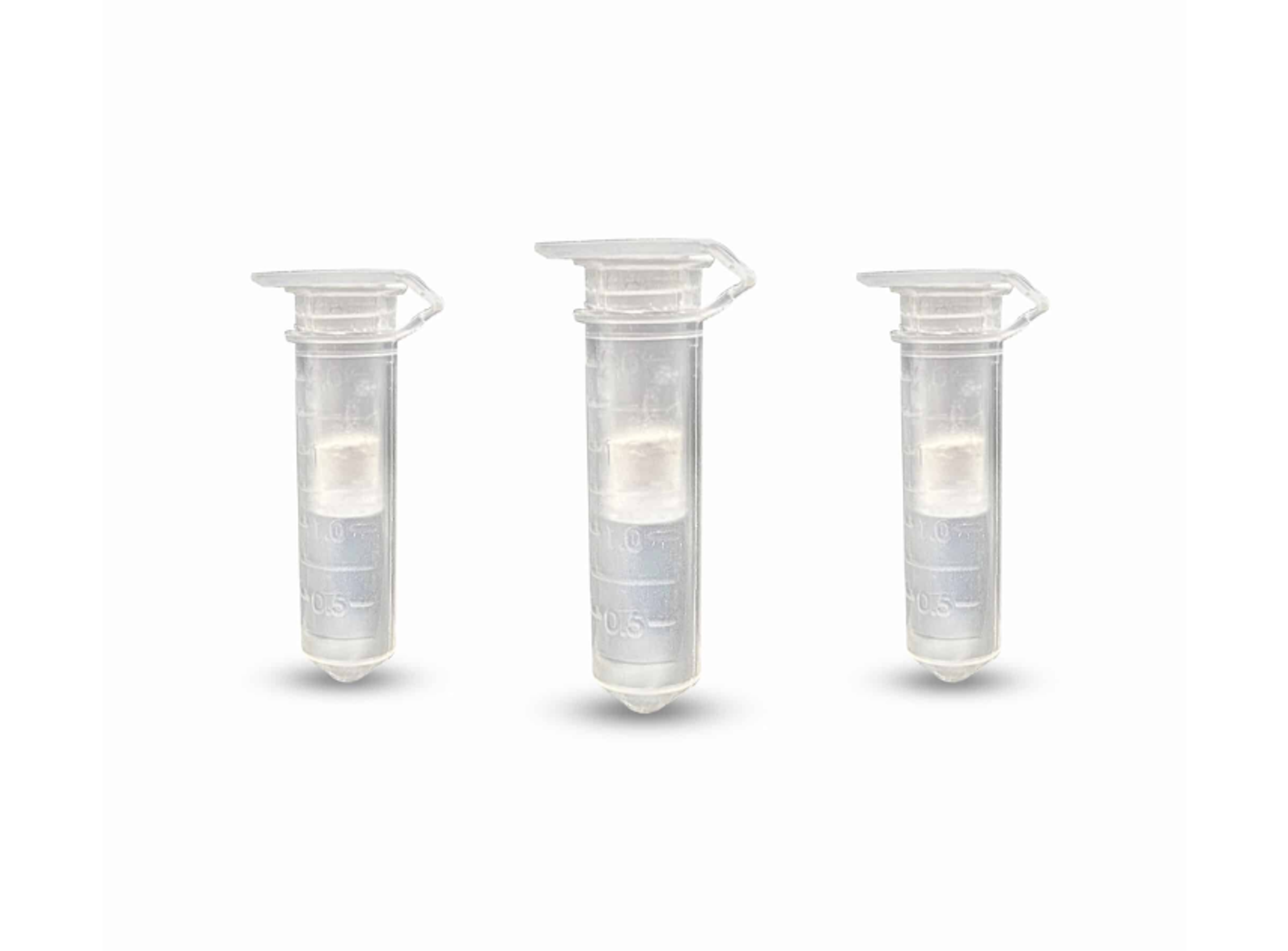
Optional tube-tip format for accurate dispensing into a micro-vial
Recyclable after use. Learn how you can recycle it.
Puradisc syringe filters for routine syringe filtration
Puradisc syringe filters cater to a wide variety of sample types and applications, including capillary electrophoresis, biological preparations, protein filtration, and UV spectroscopy sample preparation. Different Puradisc membrane media support diverse chemical solvents and compounds.
Puradisc is available in the following membrane materials: regenerated cellulose (RC), cellulose nitrate, nylon, polytetrafluoroethylene (PTFE), polyethersulfone (PES), polypropylene, polyvinylidene difluoride (PVDF), and cellulose acetate.
Cytiva's Whatman Puradisc line is a comprehensive syringe filter portfolio used in a variety of applications. Cytiva also offers high-performance GD/X syringe filters with a multi-layer glass fiber prefilter for filtering larger volumes of harder-to-filter samples.
Nylon membrane filter options
Nylon membrane filters are hydrophilic, flexible, tear-resistant, and autoclavable. They are resistant to a range of organic solvents and suitable for use with high pH samples. Nylon binds proteins, which makes it unsuitable for protein recovery applications.
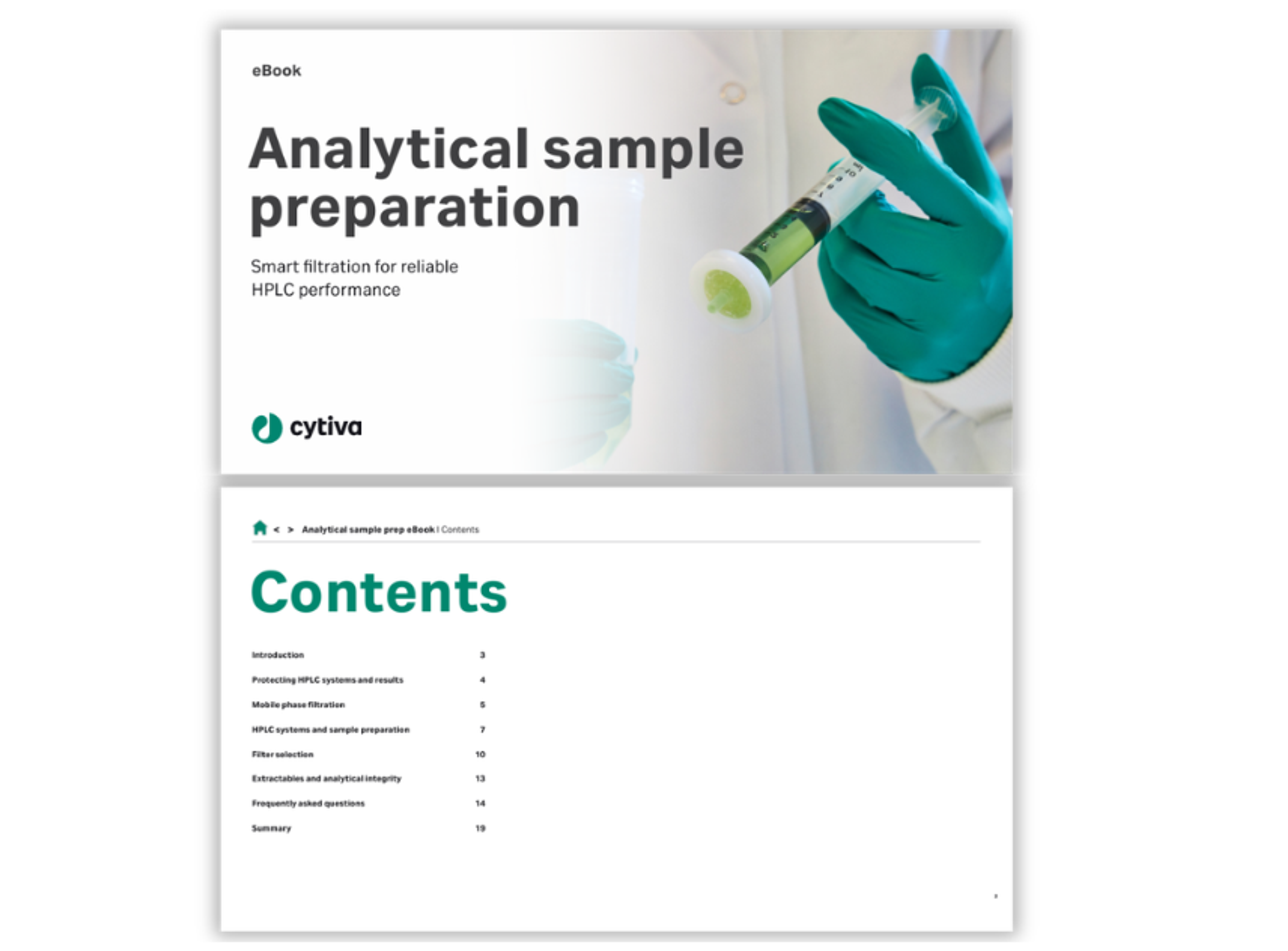
Improving HPLC performance with effective sample preparation and filtration
This resource explores key aspects of HPLC workflows, including system components, common maintenance challenges, and the role of filtration in protecting pumps, columns, and detectors. It highlights how unfiltered particulates and dissolved gases can lead to issues such as pressure fluctuations, baseline noise, and reduced reproducibility, emphasizing the importance of consistent sample preparation practices.
Resource details:
- Resource type: Application note
- Page count: 20
- Read time: 30 mins

Lab sustainability: Industry first recycling scheme reduces the environmental impact of filtration
Find out how a partnership between Cytiva and TerraCycle is helping laboratories reduce the environmental impact of their filtration