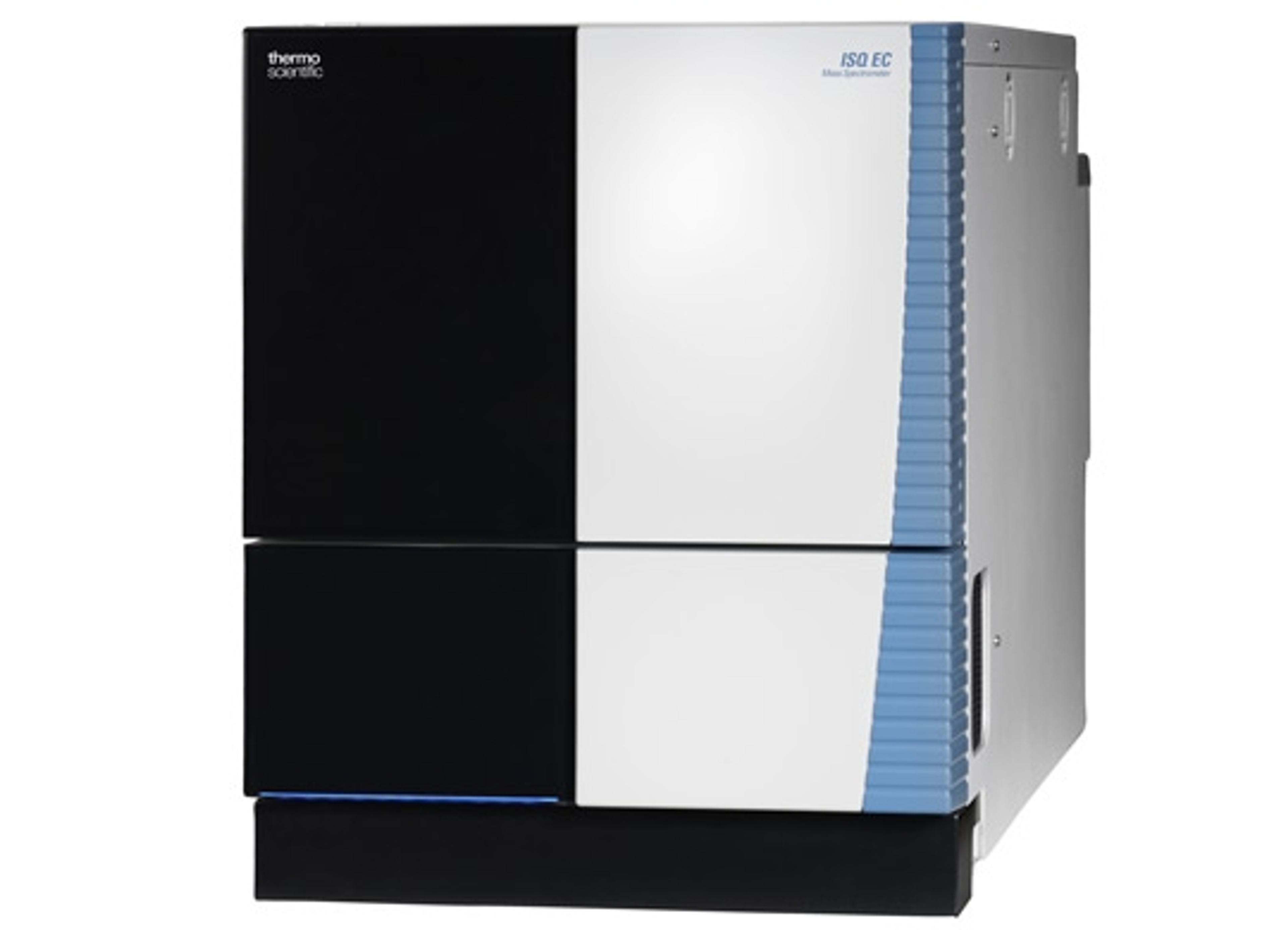
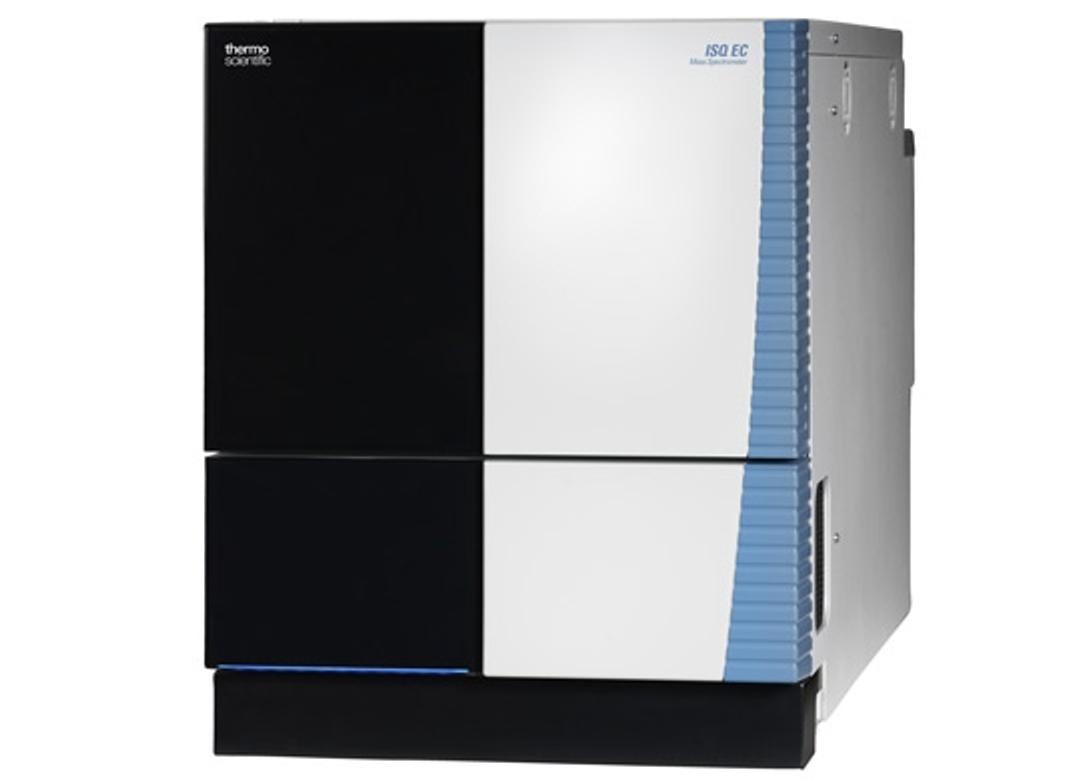
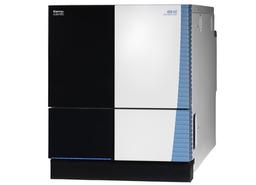
Thermo Scientific™ ISQ™ EC Single Quadrupole Mass Spectrometer
Add mass spectrometry (MS) to your IC and LC analyses for access to the valuable data that only MS can provide. The new, easy-to-use Thermo Scientific™ ISQ™ EC Single Quadrupole Mass Spectrometer seamlessly integrates with ion chromatography (IC) and high performance liquid chromatography (HPLC) systems. Both novices and experts alike can quickly master MS to gain more insights from every sample.

The supplier does not provide quotations for this product through SelectScience. You can search for similar products in our Product Directory.
Add mass spectrometry (MS) to your IC and LC analyses for access to the valuable data that only MS can provide. The new, easy-to-use Thermo Scientific™ ISQ™ EC Single Quadrupole Mass Spectrometer seamlessly integrates with ion chromatography (IC) and high performance liquid chromatography (HPLC) systems. Both novices and experts alike can quickly master MS to gain more insights from every sample.

Tapping technology to advance your ion chromatography methods
Over the last 45 years, ion chromatography (IC) system and column technology innovations have improved many IC applications for greater ease of execution, accuracy, consistency, and sensitivity. Thermo Fisher Scientific outlines the enhancements in ionic determinations that have resulted from innovations in IC technology. Discover how practically any IC application can be simplified, improved, and optimized for its ease-of-use.
Quality control and quality assurance in the food industry
The production of foods and beverages for human and animal consumption is governed by a whole host of regulatory agencies across the globe and also by guidelines on Good Manufacturing Practice (GMP).
In this eBook, we consider the suite of chromatography solutions from Thermo Fisher Scientific coupled with their various MS technologies (and other add-ons) through case studies demonstrating their application in QC testing of a wide range of food and beverage products.
Understand how these analytical methods overcome problems arising in traditional approaches, such as sample matrix interference or the need for pre-processing (e.g. derivatization), thereby enabling the high-resolution separation of complex samples at greater speed followed by high-sensitivity detection.