SHERLOCK™
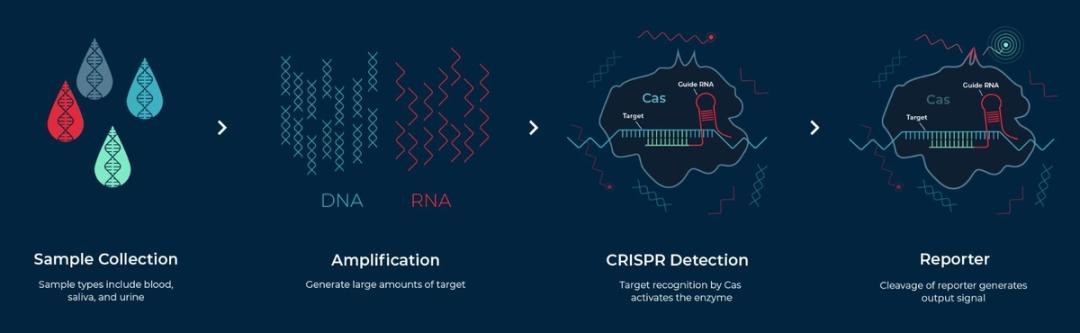
SHERLOCK is an evolution of CRISPR technology, which others use to make precise edits in genetic code. SHERLOCK can detect the unique genetic fingerprints of virtually any DNA or RNA sequence in any organism or pathogen. Developed by our founders and licensed exclusively from the Broad Institute, SHERLOCK is a method for single molecule detection of nucleic acid targets and stands for Specific High Sensitivity Enzymatic Report…


The supplier does not provide quotations for this product through SelectScience. You can search for similar products in our Product Directory.
The molecular technology CRISPR-Cas13Aa SHERLOCK is the high tech of gene editing.
RNA chain sequencing
The molecular technology CRISPR-Cas13Aa SHERLOCK is a high tech platform for gene editing. The new genetic technology of molecular medicine CRISPR-Cas13Aa SHERLOCK has the aim to detect SARS-CoV-2 in clinical trials. The results of this method has an important implications for understanding SARS-CoV-2 transmission and pathogenesis and reveal a target for rapid therapeutic intervention. Although further experimental proof to evaluate immuno-genicity of the predicted peptides is required, it is a hope of findings in the current study the designing vaccines (RNA vaccine), inactivated viral vaccines, or peptides vaccines and evaluating these vaccines, and also to immune monitoring of SARS-CoV2-infected patients.
Review Date: 9 Jun 2020 | Sherlock Biosciences
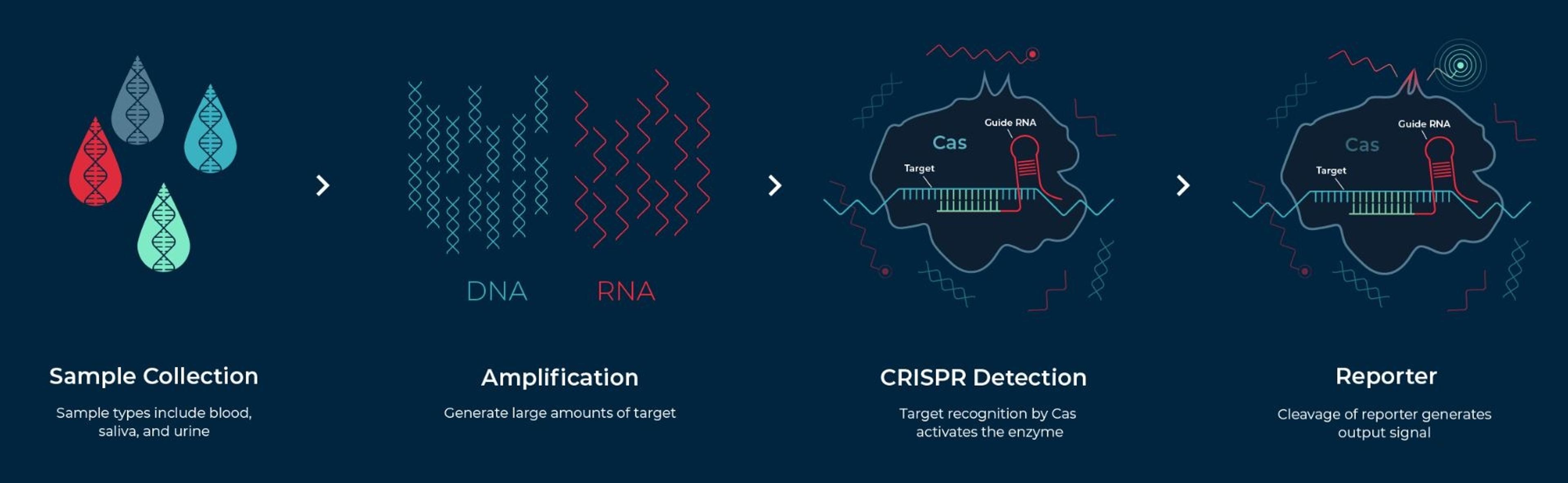
SHERLOCK is an evolution of CRISPR technology, which others use to make precise edits in genetic code. SHERLOCK can detect the unique genetic fingerprints of virtually any DNA or RNA sequence in any organism or pathogen. Developed by our founders and licensed exclusively from the Broad Institute, SHERLOCK is a method for single molecule detection of nucleic acid targets and stands for Specific High Sensitivity Enzymatic Reporter unLOCKing. It works by amplifying genetic sequences and programming a CRISPR molecule to detect the presence of a specific genetic signature in a sample, which can also be quantified. When it finds those signatures, the CRISPR enzyme is activated and releases a robust signal. This signal can be adapted to work on a simple paper strip test, in laboratory equipment, or to provide an electrochemical readout that can be read with a mobile phone.
- Highly sensitive (can detect a single molecule in a sample)
- Highly specific (accurately detects the target)
- Integrates well with other tests and lab setups
- Quantitative (measures amount of target present)
- Rapid design and delivery to partners
Sherlock Biosciences announces initial results of automation study with NorDx Laboratories on CRISPR-based test for SARS-CoV-2
Leading clinical laboratory runs first-ever successful automation of a CRISPR test for high-throughput, using Sherlock’s SARS-CoV-2 process
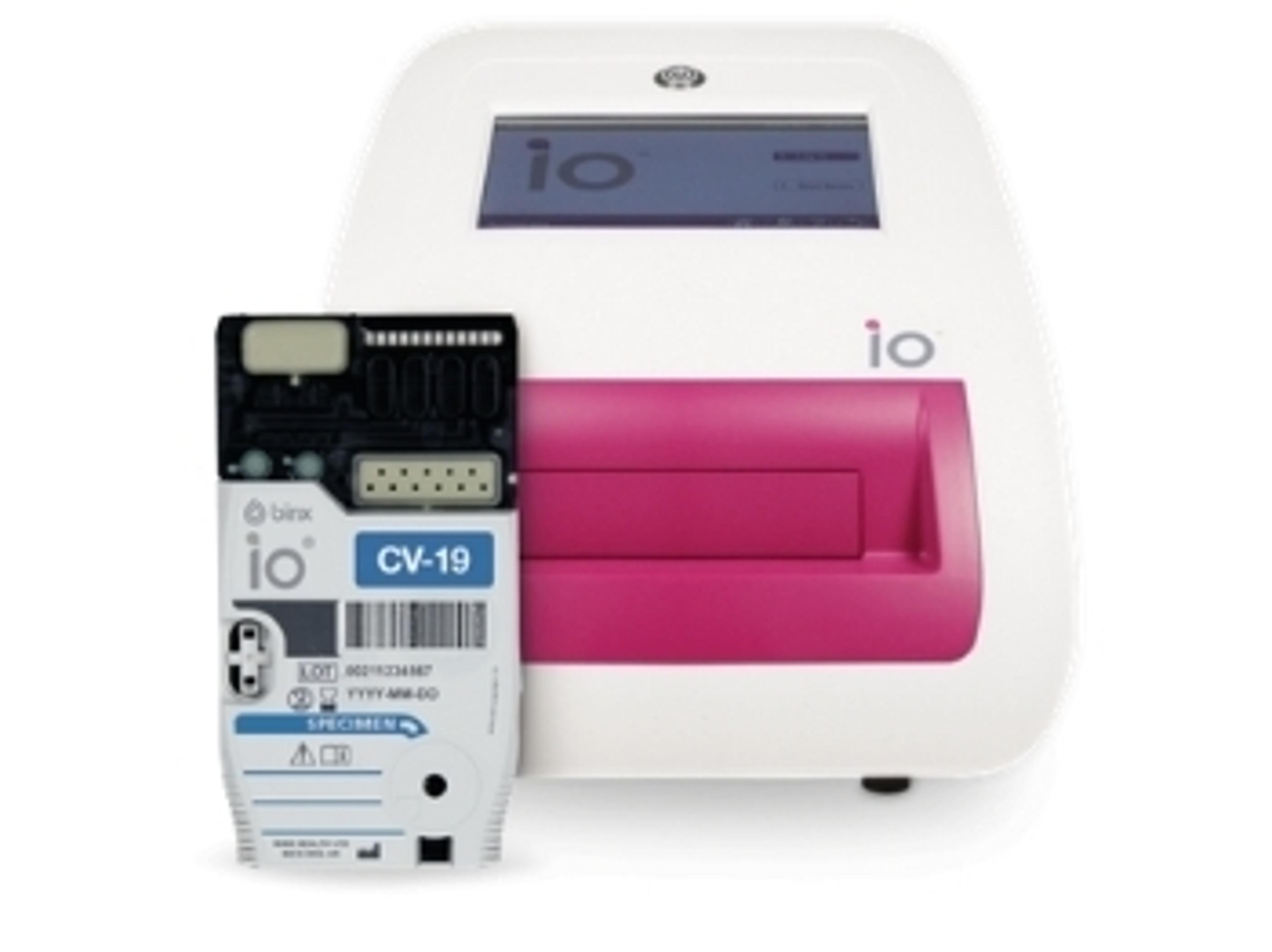
binx health submits request for Emergency Use Authorization for first CRISPR-based point-of-care test for COVID-19
Platform poised to be first CLIA-waived CRISPR-based, point-of-care COVID-19 device with central-lab performance, developed in collaboration with Sherlock Biosciences
Sherlock Biosciences announces discovery of novel CRISPR-Cas enzymes, enabling simple multiplex diagnostic solutions
Developed in partnership with Rosetta Biosciences, discovery enables simultaneous detection of multiple targets, furthering next generation of diagnostics
Sherlock Biosciences, binx health partner to develop first CRISPR-based point-of-care test for COVID-19
binx health’s proven molecular io platform combined with SHERLOCK CRISPR technology will enable rapid, accurate testing for SARS-CoV-2 in retail and near-patient settings
Sherlock Biosciences, IDT collaborate to manufacture CRISPR-based SARS-CoV-2 testing kits
Large-scale manufacturing of rapid diagnostic test kit and reagents to enable increased testing capacity for COVID-19 worldwide