Perfecta3D Hanging Drop Plates - 96-Well
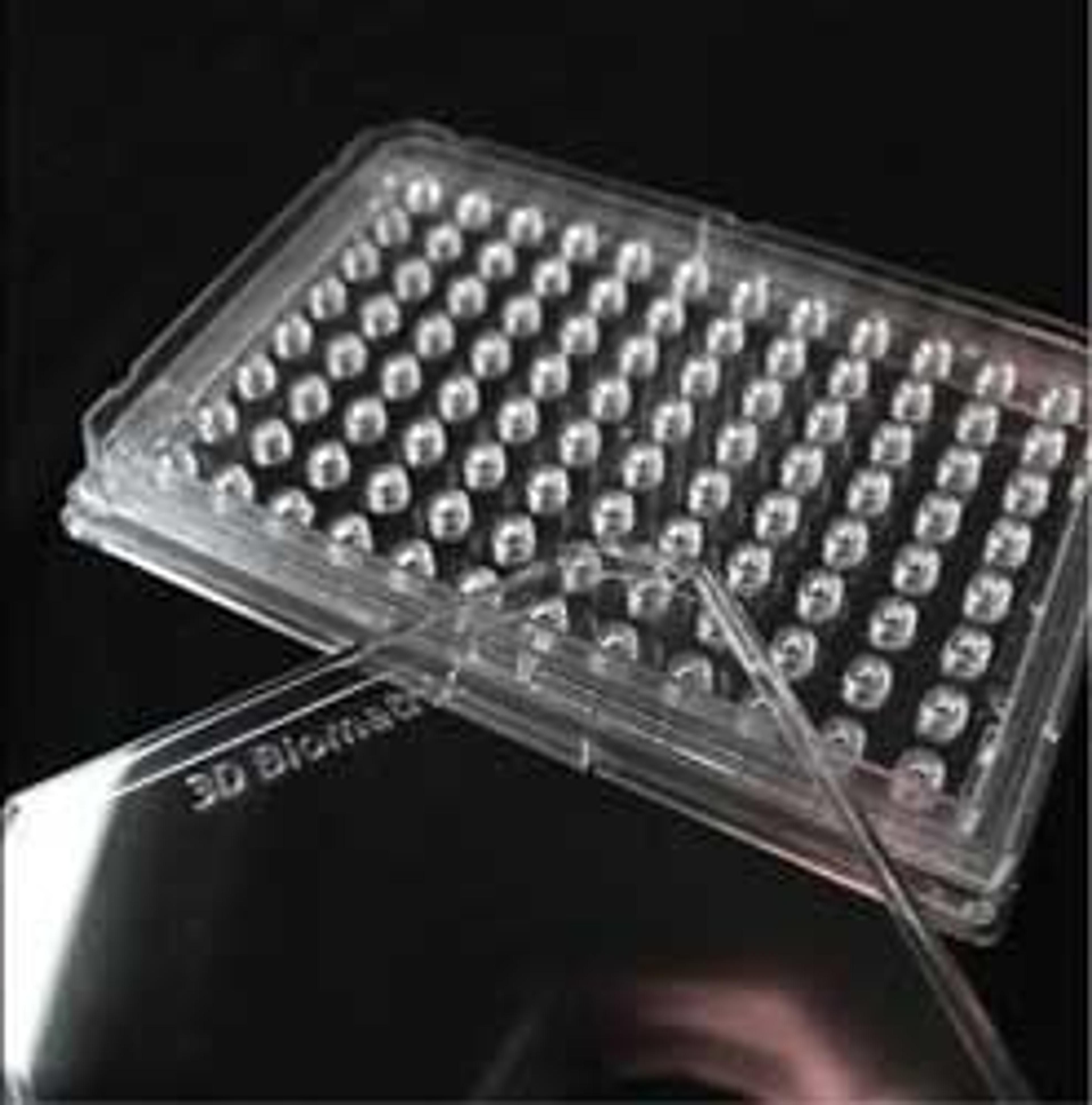
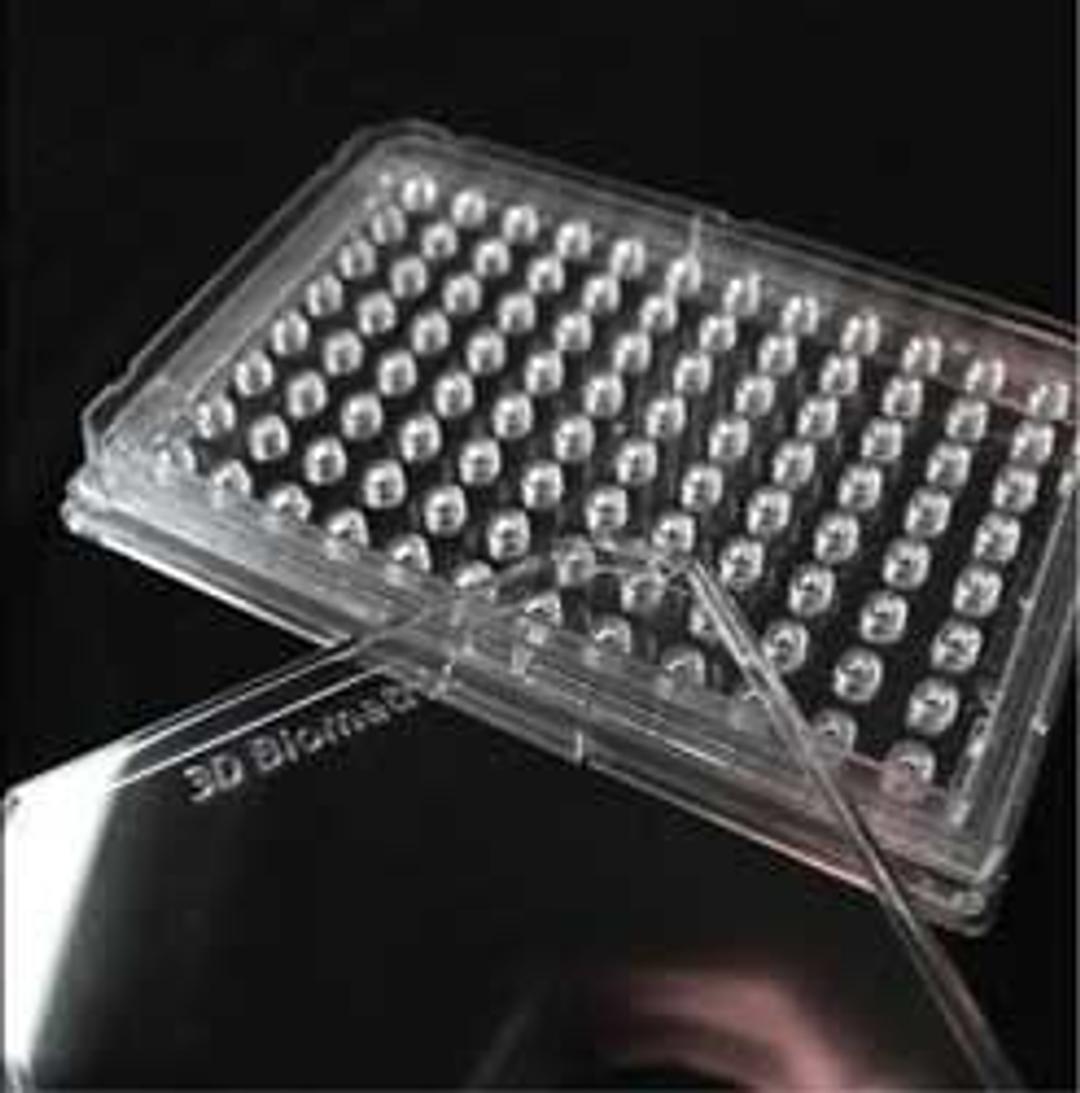
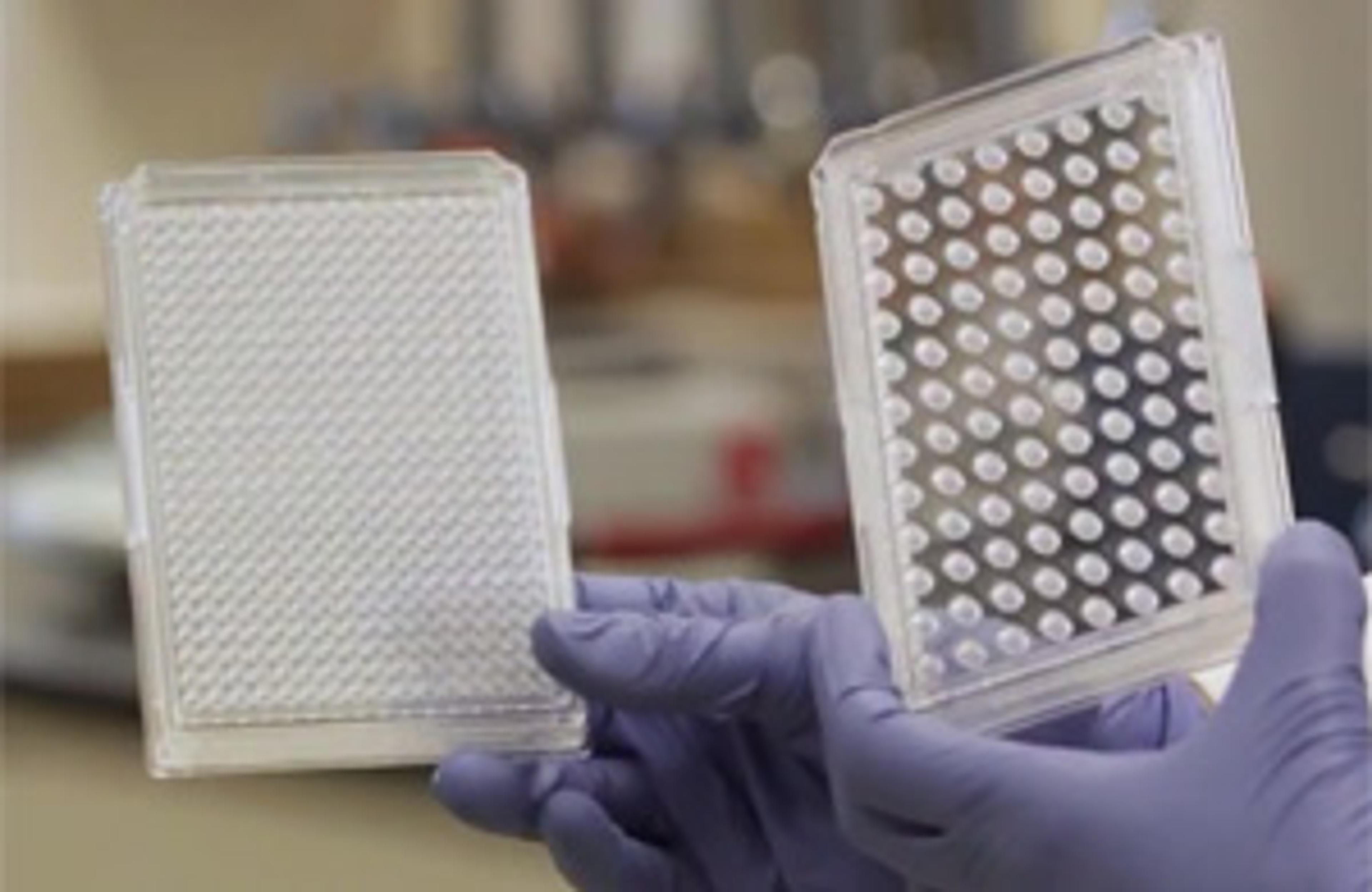
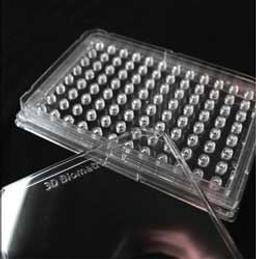
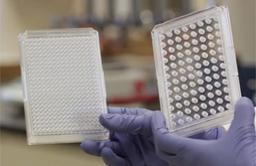
The patent-pending Perfecta3D® Hanging Drop Plates are 96- and 384-well plates that facilitate the formation, culture, and testing of three-dimensional (3D) spheroids and stem cell aggregates without the aid of coatings or matrices. With only one spheroid forming in each well, 3D spheroids formed in Perfecta3D Hanging Drop Plates are consistent and diameter can be controlled by the number of cells seeded in each well. Media…

The supplier does not provide quotations for this product through SelectScience. You can search for similar products in our Product Directory.
3D Hanging Drop 96 Well Plate
They have great customer service. They also have excellent protocols and information sharing capabilities. They’re very supportive. They need to find ways to lower the cost.
Review Date: 17 Feb 2014 | 3D Biomatrix
The patent-pending Perfecta3D® Hanging Drop Plates are 96- and 384-well plates that facilitate the formation, culture, and testing of three-dimensional (3D) spheroids and stem cell aggregates without the aid of coatings or matrices.
With only one spheroid forming in each well, 3D spheroids formed in Perfecta3D Hanging Drop Plates are consistent and diameter can be controlled by the number of cells seeded in each well. Media and compounds can be added or removed from the top of the plate, and cells can be added for patterned co-cultures. The well plate format means that the plates are compatible with manual or automated liquid handling equipment. Product and ordering information can be found at www.3DBiomatrix.com/products.

Viability and Cytotoxicity Analysis of Spheroids
The data shown in this application note illustrate how easy it is to generate uniform spheroids, treat with test compounds, and obtain sensitive viability and cytotoxicity results, even from a single set of spheroids, using the Perfecta3D Hanging Drop Plates and Cayman assays optimized for 3D cell culture.
Perfecta3D® Hanging Drop Plates Case Study: Huntington Medical Research Institutes (HMRI)
This case study describes how scientists at the Huntington Medical Research Institutes are using 96- and 384-well Perfecta3D Hanging Drop Plates to form models of human tumors using appropriate co-cultures of carcinoma cell lines and fibroblasts.
Tumor Histoids: Scalable Production of Living Human Mini‐Tumors for High Throughput Drug Screening
Tumor Histoids (TH) are living three‐dimensional human mini‐tumors consisting of stroma invaded by tumor cells. They can be produced in quantity and format suitable for high throughput screening. Stromal‐epithelial interactions occur spontaneously during TH culture and model those that activate pathways controlling tumor growth, malignant progression and response to therapies in vivo. This report describes the adaptation of the original TH production method to production in Perfecta™ hanging drop plates, as well as an experiment comparing cisplatin effect on TH, tumor cell spheroids and monolayers.
3D Spheroid Culture and Drug Testing Using a Novel Hanging Drop Culture Plate
3D cell culture systems are essential to acquiring physiologically‐relevant results. However, scaling up and maintaining reproducibility of 3D cell cultures have been difficult due to lack of standardized tools and methods that are simple to use and compatible with existing equipment. This scientific poster present a novel 3D cell culture platform that enables uniformly-sized spheroids to be generated and tested in a 384-microplate format and using high throughput screening instruments, such as plate readers, liquid handling robots, and automated imaging and analysis systems.
3D Pluripotent Stem Cells: Simplified Culture and Realistic Differentiation
This white paper illustrates the importance of three-dimensional (3D) cell culture in the production of pluripotent stem cell (PSC)-derived models of embryo development and differentiation. It contains a general overview of embryoid bodies (EBs) and a comparison between the various methods used for their generation. There is also a discussion about using teratoma assays versus EBs to validate pluripotency with newly derived PSC lines. Finally, there is a brief description of recent publications illustrating how 3D culture can be used to maximize differentiation.
3D Spheroid Culture to Revolutionize the Next Generation Drug Development Offensives
To obtain more physiologically relevant data, researchers have developed various 3D cell culture techniques to replicate the in vivo characteristics of physiological tissues. This white paper reviews the current methods and systems that are available for spheroid culture. In addition the benefits and applications of the Perfecta3D™ Hanging Drop Plates from 3D Biomatrix are discussed. 3D cell culture combined with high-throughput screening is likely to accelerate pharmaceutical development.
3D Cell Culture: An Early-Stage Oncology Drug Discovery Tool
New testing methods are imperative at early stages of drug development to reduce the expensive, late-stage failures due to efficacy and safety. Drug testing data, particularly in oncology, from in vivo-mimicking 3D cell cultures have the potential to play a pivotal role in early-stage decision-making about the probability of therapeutic candidates’ success. This white paper demonstrates the capabilities of the Perfecta3D Hanging Drop Plates from 3D Biomatrix for spheroid growth and subsequent high-throughput testing of anti-cancer compounds at the preclinical discovery phase.
3D Cell Culture using Perfecta3D Hanging Drop Plates from 3D Biomatrix
Watch this video to learn more about 3D Biomatrix’s Perfecta3D® Hanging Drop Plates, which enable uniformly-sized spheroids to be generated and tested in a multi-well microplate format. Laura Schrader, CEO at 3D Biomatrix, explains how the hanging drop method works and the key benefits of the system. Laura also discusses how such systems may enable drugs to get to the market in a much quicker time and at a much lower cost.