MILLIPLEX® MAP Human Neuroscience Magnetic Bead Panel 1 - Neuroscience Multiplex Assay
The analytes available for this multiplex kit are: a-Synuclein, TG2 (Transglutaminase 2), GFAP (Glial Fibrillary Acidic Protein), UCH1 (Ubiquitin carboxyl-terminal hydrolase isozyme L1 or PARK5), DJ1 (Parkinson's Disease Protein 7) and NSE (Neuron Specific Enolase synuclein)





The supplier does not provide quotations for this product through SelectScience. You can search for similar products in our Product Directory.
Neurological dysfunction may be initiated by a broad spectrum of diseases, as well as physical injury to the brain or spinal cord. Numerous potential biomarkers of neurological dysfunction have been identified. The ability to perform multiplex analysis of these biomarkers offers a valuable research tool to better understand this area of neuroscience.
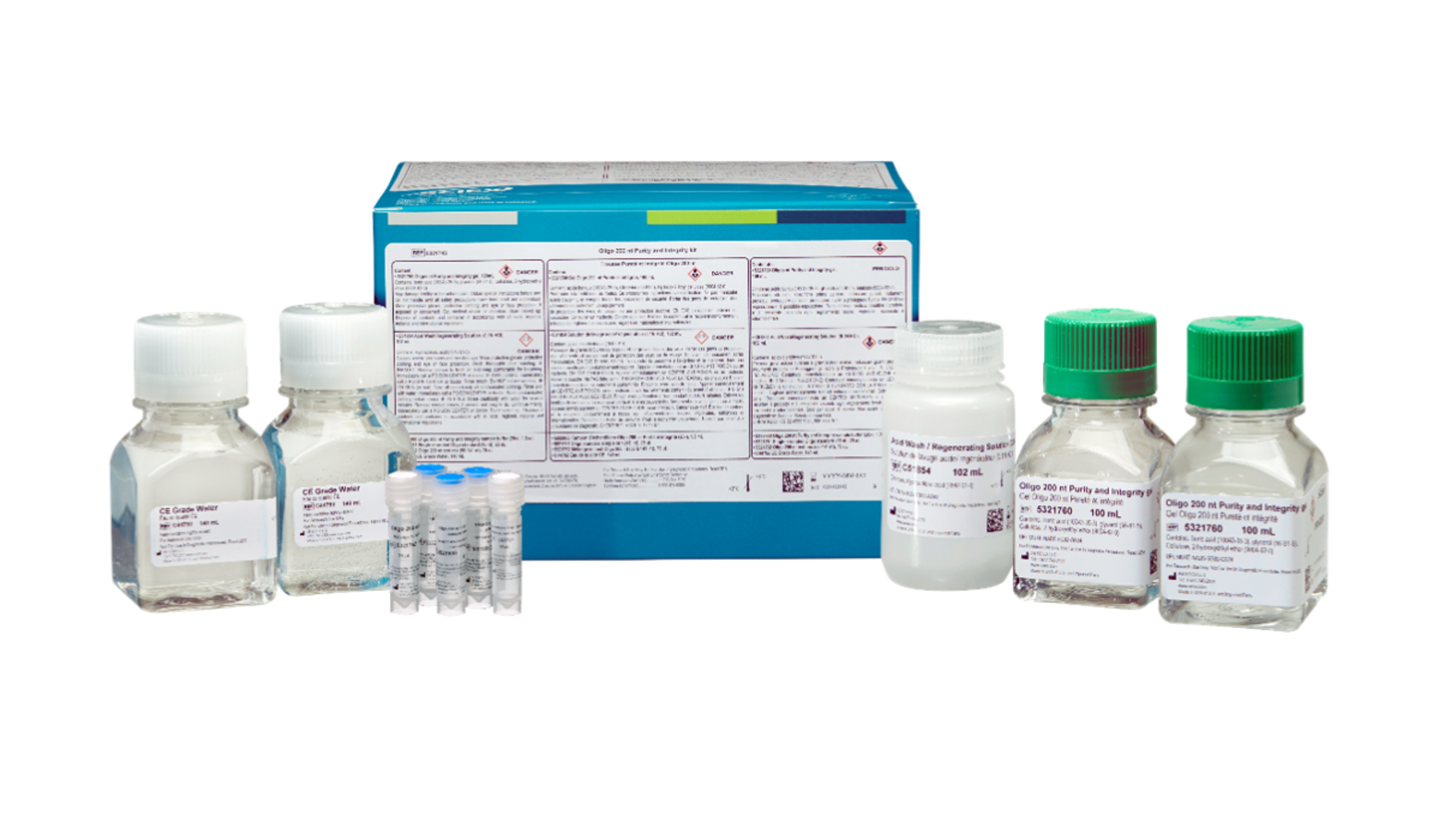
EMD Millipore’s MILLIPLEX® MAP Human Neuroscience Magnetic Bead Panel 1 is a 6-plex kit to be used for the simultaneous quantification of any or all of the following analytes in cerebrospinal fluid (CSF) samples: α-Synuclein, DJ1/PARK7, Glial fibrillary acidic protein (GFAP), Neuron specific enolase (NSE), Transglutaminase 2 (TGM2), and Ubiquitin carboxyl-terminal esterase L1 (UCHL1/PARK5).
The Highly Sensitive SMCxPRO Detects Low Abundant Proteins
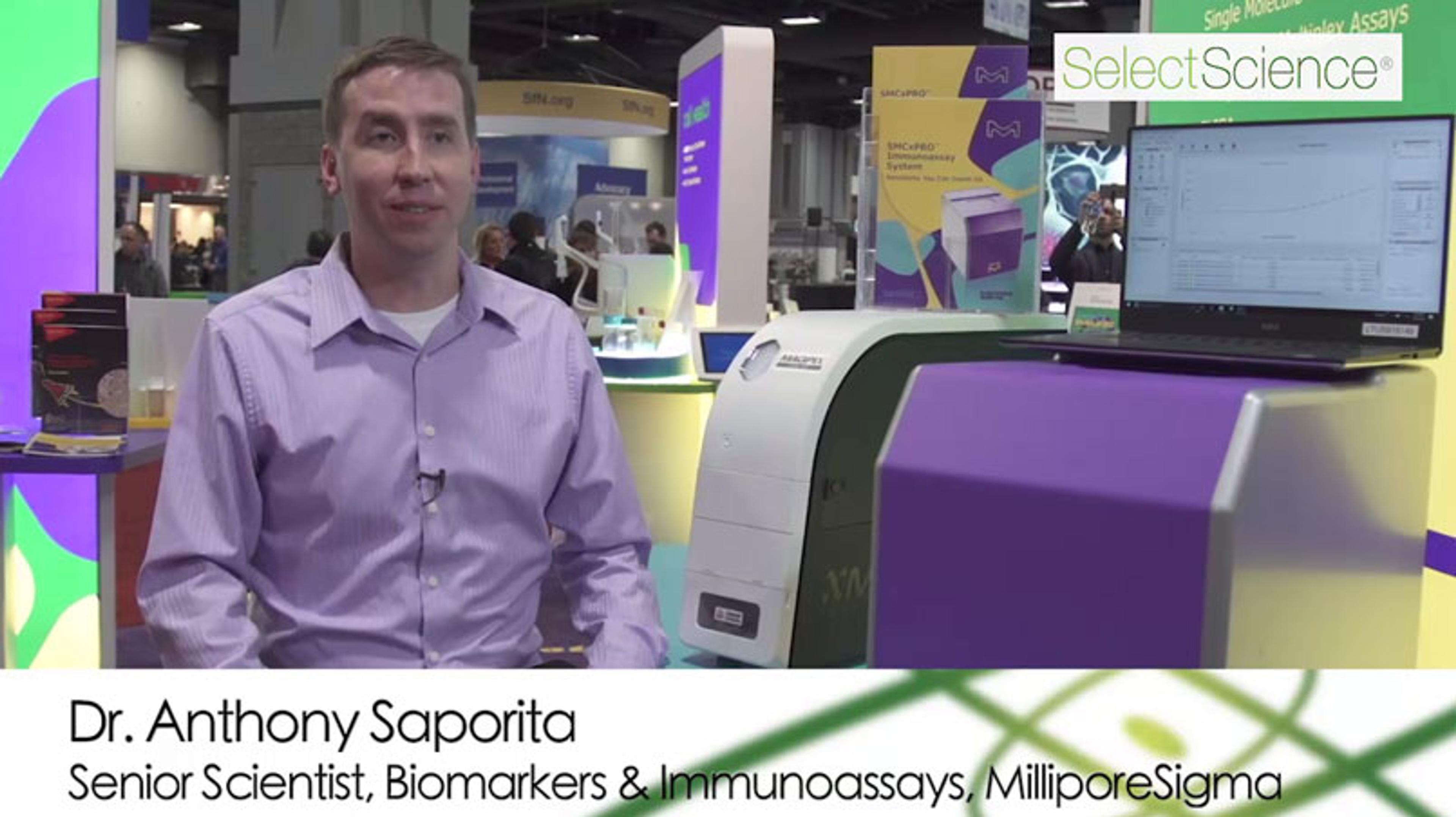
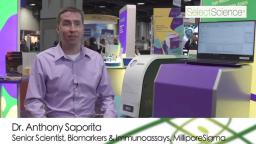
The high-sensitivity immunoassay platform, SMCxPRO by MilliporeSigma, can detect low abundant proteins that were once undetectable, explains Dr. Anthony Saporita, senior scientist at MilliporeSigma. With its broad dynamic range and high peak signal, the SMCxPRO can revolutionize biomarker discovery. Watch the video, filmed at Neuroscience 2017, to learn more.
Quick, Sensitive Detection of Alzheimer's Disease Biomarkers using Multiplexing
In a poster presentation at the Neuroscience 2017 conference, Dr. Anthony Saporita, senior scientist at MilliporeSigma, explains how multiplex technology can be applied to detect biomarkers in Alzheimer’s disease. He further discusses the launch of the highly sensitive SMC kits for Aβ42 detection in human CSF and plasma.