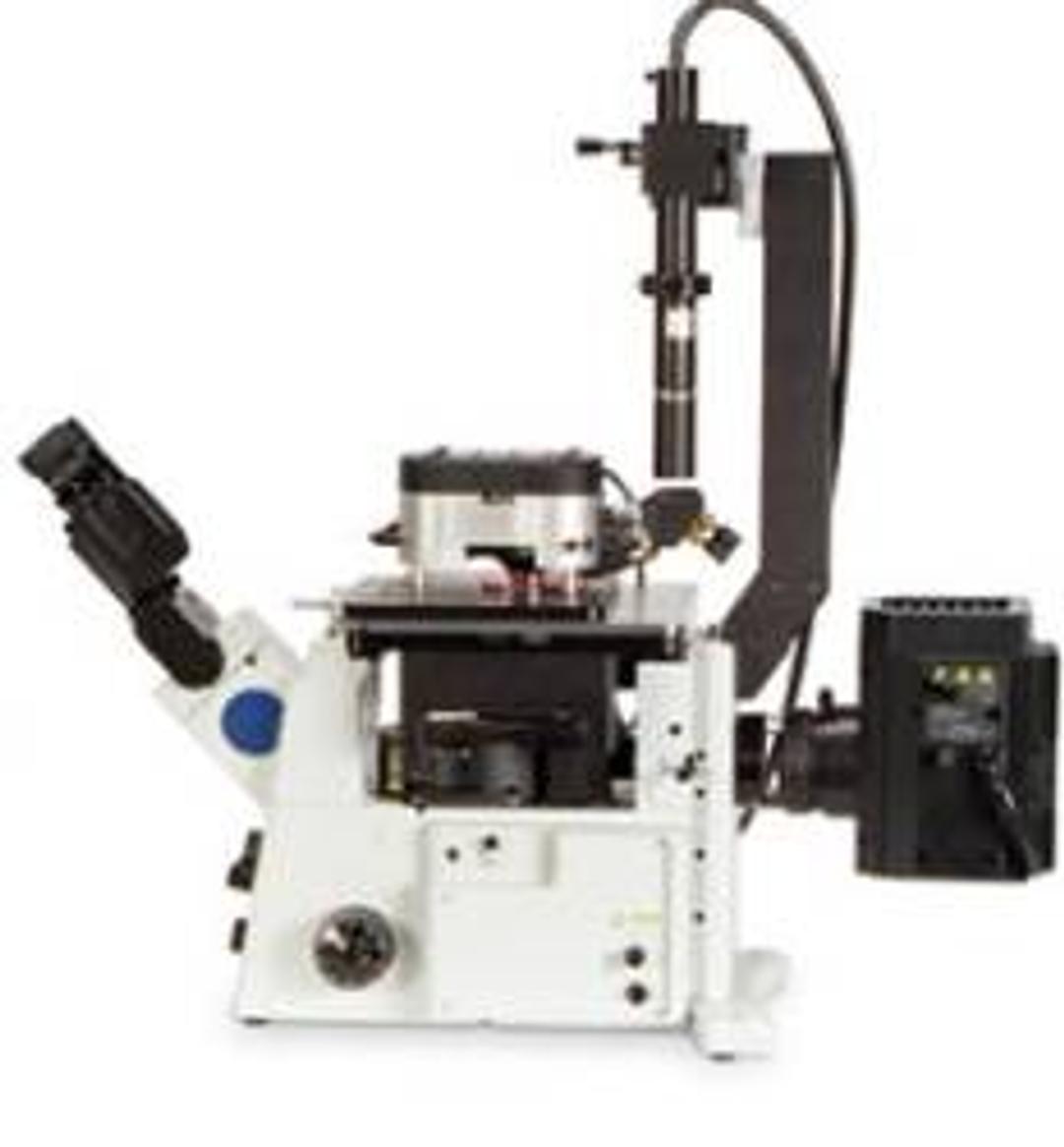
MFP-3D-BIO™
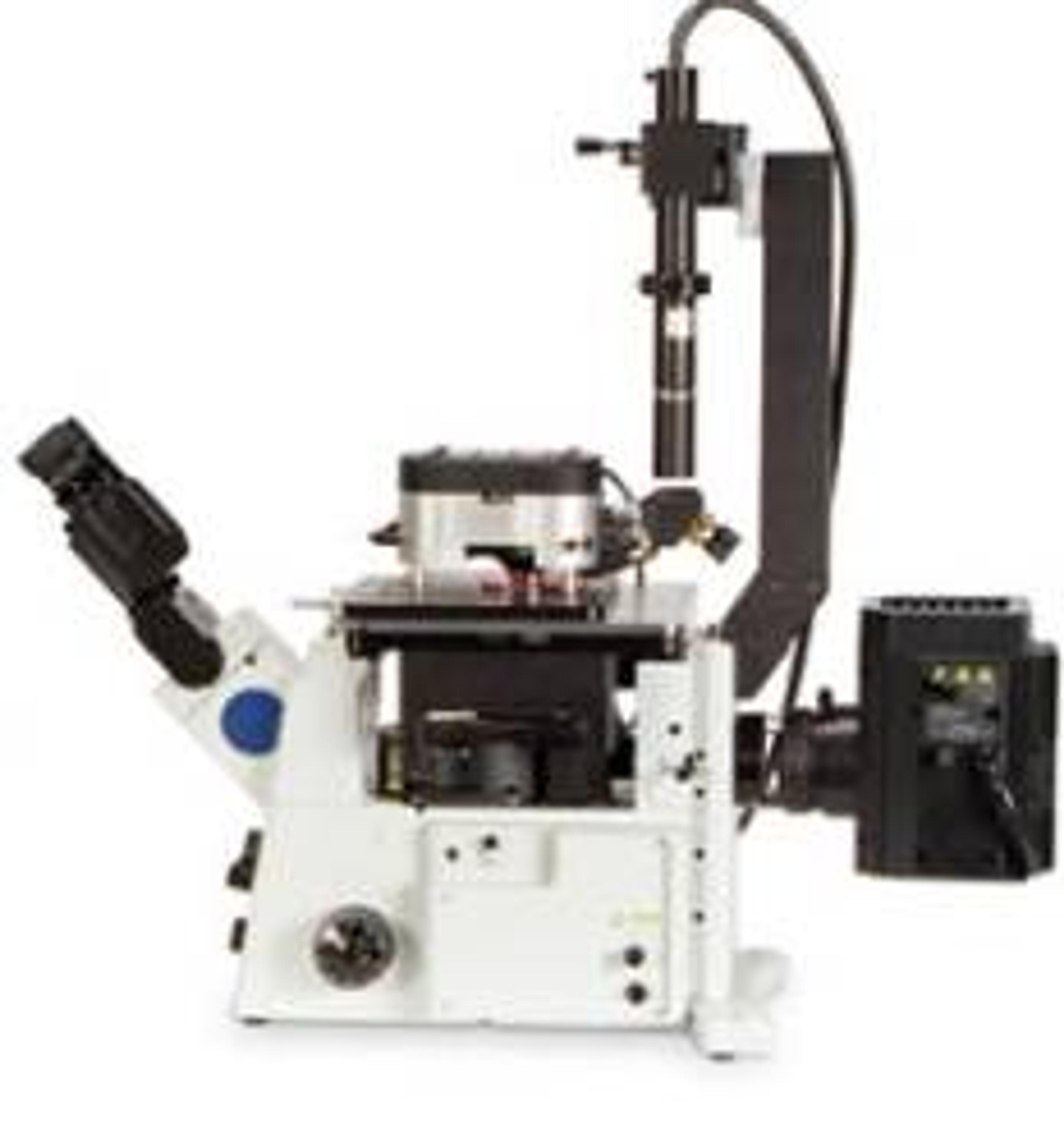
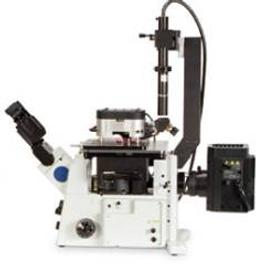
MFP-3D BIO - The Only Full-Capability AFM on an Inverted Optical Microscope. Uncompromised AFM on an Inverted Optical Platform. The Asylum Research MFP-3D-BIO provides the highest sensitivity and most accurate images and measurements possible on an inverted optical platform. The Best Force Measurements – from the Commercial Pioneer of Force Spectroscopy Asylum Research pioneered commercialization of picoNewton-scale force spe…

The supplier does not provide quotations for this product through SelectScience. You can search for similar products in our Product Directory.
An easy-to-use and reliable AFM. It gives good quality imaging.
Review Date: 25 Jan 2010 | Asylum Research
MFP-3D BIO - The Only Full-Capability AFM on an Inverted Optical Microscope. Uncompromised AFM
on an Inverted Optical Platform.
The Asylum Research MFP-3D-BIO provides the highest sensitivity and most accurate images and measurements possible on an inverted optical platform. The Best Force Measurements – from the Commercial Pioneer of Force Spectroscopy
Asylum Research pioneered commercialization of picoNewton-scale force spectroscopy with its first product, the Molecular Force Probe (MFP). Asylum continues that leadership to this day with the MFP-3D.
The NPS™ closed loop nanopositioning sensors on all three axes ensure distortion-free images on samples as small as proteins and as large as cells – in both air and liquid. The MFP-3D measures the cantilever deflection to better than 20pm (8pm typical) without artifacts, making the MFP-3D ideal for force measurements such as unfolding single molecules or probing cell mechanics.

New Scanning Probe Techniques for Analyzing Organic Photovoltaic Materials and Devices
Organic solar cells hold promise as an economical means of harvesting solar energy due to their ease of production and processing. This application note reviews the instrumental issues associated with the application of scanning probe microscopy techniques that have been shown to be useful in the study of nanostructured organic solar cells and opportunities for further improvements in scanning probe microscopy to contribute to OPV development.