JAX® Mice and Services
Take advantage of our large inventories of common inbred strains and the convenience of having your breeding and drug efficacy needs met by the leading experts in mouse modeling.















The supplier does not provide quotations for this product through SelectScience. You can search for similar products in our Product Directory.
JAX® Mice are one of the highest quality and most-published mouse models in the world. Take advantage of our large inventories of common inbred strains and the convenience of having your breeding and drug efficacy needs met by the leading experts in mouse modeling.
Brochures

Compare humanized mouse models
Humanized NSG™ represents a therapeutically translational platform to evaluate human immune cells in vivo and single and combinatorial drug approaches, and to produce predictive data to the clinic. The Jackson Laboratory provides a model comparison guide for its line of humanized mouse models, including CD34 and PBMC humanized NSG mice — powerful preclinical models for studying the actions of immuno-modulators, either alone or in combination with other treatments.
Preclinical drug development fact sheet
In this product brochure, The Jackson Laboratory (JAX) provides a glimpse at the wide range of platforms and services JAX offers to help move you from drug discovery to IND filing.
Immune system humanized mouse models for efficacy testing
Immune system humanized mice are rapidly becoming the gold-standard for testing immuno-therapeutics. Their ability to provide functional human immune cells and human tumors, provide drug developers with an invaluable opportunity to predict the clinical performance of their lead compounds. Jackson Laboratory's variants are available in several configurations such as, naïve immunodeficient hosts, immune humanized, and/or engrafted with a human tumor. Discover how you can benefit from routinely tested, proof-of-concept, IND-enabled efficacy and safety tested mouse models.
Humanized NSG mice for infectious disease research
Humanized NSG™ mice are used by researchers and drug discovery scientists as powerful tools to study hematopoiesis, inflammatory disease, host-pathogen interactions, and the development of novel therapies for infectious disease. Understanding the development of humanized mice and how to select the appropriate model are important considerations for conducting impactful research using humanized mice.
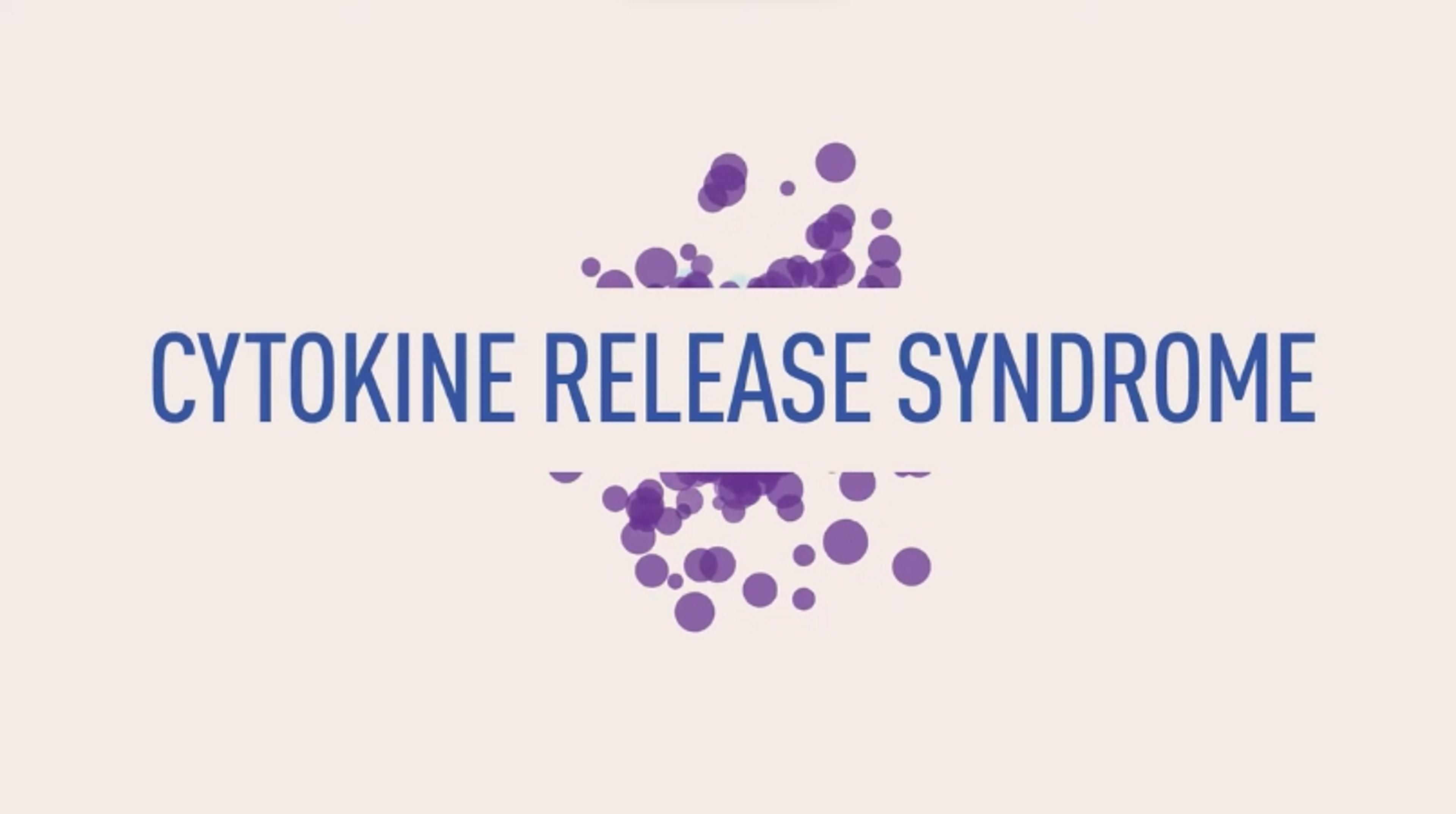
A new way to study cytokine release syndrome
The immune system, like the brain, is incredibly complex in the human body. It works harmoniously to protect against harmful external agents. However, it can sometimes malfunction, causing conditions like severe allergies or autoimmune diseases. Researchers are particularly interested in cytokine release syndrome (CRS), where the immune system can become overly active due to triggers like infections, cancer, or medication. Discover how in vivo CRS assays can help test therapies more safely and efficiently, potentially speeding up the development of treatments.
A humanized platform for therapeutic antibody PK evaluation
Evolutionary changes in the neonatal Fc receptor (FcRn) mean that regular wild-type mice cannot accurately predict how human therapeutic antibodies will behave. The Jackson Laboratory has created transgenic mouse lines with human FcRn, forming the HuPK platform. These models can predict how antibodies and other biologics will behave in humans. Various HuPK models exist with additional modifications to study specific aspects of drug behavior. The Jackson Laboratory provides an overview of the available models, study design templates, expected results, and troubleshooting tips in the context of the most common applications of its HuPK Platform.
In vivo safety and efficacy platform for immunotherapies
The Cytokine Release Syndrome (CRS) Studies from JAX are the only in vivo platform to assess the efficacy and safety of therapeutic agents, such as bispecific antibodies and chimeric antigen receptor T cells (CAR Ts). The Jackson Laboratory gives an overview of its PBMC Humanized Mice Based Platform, a novel assay that provides holistic toxicity and efficacy data, reveals multi-tissue and multi-organ responses, and enables a more accurate assessment of cytokine release. Donor-specific differences mimic the human pathophysiology in diverse populations and ultimately help de-risk the preclinical drug development pipeline.
Introducing Onco-Hu mouse models
In this application note, The Jackson Laboratory presents its research on humanized mice, specifically the comparison between NSG and NSG-SGM3 mice engrafted with CD34+ human hematopoietic progenitor cells (HPCs) from the same donor. The study evaluates the humanization levels in these mice and their efficacy in cancer models, particularly their response to anti-PD-1 therapy with pembrolizumab. The results suggest that PDX-bearing NSG-SGM3 mice could serve as an improved platform for preclinical immuno-oncology efficacy studies.
Achieving relevant preclinical characterization of CAR T cell therapies
In this whitepaper, The Jackson Laboratory examines the constraints and challenges inherent in each CAR T study type and how to overcome them with in vivo studies using fully humanized mouse models.
A MHC class I & II deficient platform humanized with PBMCs
In this white paper, The Jackson Laboratory describes how JAX NSG-MHC I/II KO mice readily engraft tumors and human PBMCs, have delayed GvHD, and deliver translationally-relevant results for various research applications.
CRS studies for CAR T cell therapy
In this application note, The Jackson Laboratory (JAX) reviews JAX’s cytokine release syndrome (CRS) evaluation capabilities. Download to see how a CRS study can help move your CAR T therapeutic into the clinic faster, safer, and more confidently.

Humanized mice bring translationally relevant results with JAX preclinical services
Humanized mice are emerging as essential preclinical in vivo tools to accelerate successful drug development. Their utility lies in their ability to reliably recapitulate human physiology and pathophysiology and predict critical aspects of the human response to immunomodulatory compounds. These models provide drug developers the insights needed to identify problematic compounds and fine-tune lead candidates to confidently advance to the clinic.
In this SelectScience webinar, Dr. Kaya Ghosh, Technical Information Scientist, and Dr. Aaron Rose, senior study director, data analytics and visualization for preclinical services, at The Jackson Laboratory (JAX) share how the company is committed to developing and providing access to humanized mouse models and in vivo drug development services that use humanized mice. Practical examples of humanized mouse model utility and how they are reshaping the biologic drug development pipeline will also be covered.
Key learning objectives
- Learn about genetically and immune humanized mice
- Understand why humanized mice bridge the preclinical-clinical gap better than conventional models
- Discover how JAX’s in vivo Preclinical Research Services can help de-risk drug development and therapeutics into the clinic faster
Certificate of attendance
All webinar participants can request a certificate of attendance, including a learning outcomes summary, for continuing education purposes.
Read more on how humanized mice are reshaping the biologic drug development pipeline >>
Immune humanized mouse platforms for pre-clinical applications
The highly immunodeficient NSG™ platform enables precise in vivo modeling of human immune responses, providing researchers with a powerful tool for characterizing and validating immune-modulating therapeutics. Dr. Charu Gupta, technical information scientist from the Jackson Laboratory, compares strategies for immune humanization of NSG variants to support translatable preclinical immunology and oncology research. Learn about techniques for humanizing immune cells using the NSG platform, the effects of host selection and genetic modifications on immune phenotypes, and novel NSG variants enhancing human innate immune cell development.
Safety testing in immune humanized platforms
Immune humanized platforms, particularly utilizing highly immunodeficient mice, facilitate co-engraftment of human immune cells and tumors, enabling the evaluation of therapies targeting human-specific biological responses. These platforms efficiently incorporate multiple donors or tumor samples to model and predict human variation in response, and systemic consequences of toxic cytokine release for safety assessment. Dr. Brian Soper from The Jackson Laboratory presents preclinical data covering monoclonal antibody-based human immune modulation, donor-specific differences in bispecific antibody-mediated tumor efficacy and cytokine release, and CAR T cell-mediated tumor efficacy and safety.
What is cytokine release syndrome?
Cytokine release syndrome (CRS) arises from an excessive activation of both the innate and adaptive immune systems, leading to an overabundance of cytokines, substances capable of influencing other cells. It can be triggered by a variety of factors, such as the presence of certain tumors, infectious diseases, or the administration of therapies including bispecific antibodies or adoptive cell transfer. Delve into the intricate mechanisms underlying CRS and discover an innovative platform from The Jackson Laboratory that is designed to predict CRS.
Onco-Hu mouse models for cancer research
Mouse models serve as essential tools for studying tumor development, progression, and response to therapies. Genetically engineered mice can mimic human cancer mutations, allowing researchers to investigate the molecular mechanisms underlying cancer initiation and progression. Dr. Brian Soper from The Jackson Laboratory explores Onco-Hu® models, a robust immuno-oncology platform for efficacy testing of novel immunotherapies targeting T cells and myeloid cells. The platform is based on NSG™ and NSG™-SGM3 transgenic mice, dually engrafted with human CD34+ hematopoietic stem cells (HSCs) and clinically relevant PDX Live™ low passage tumors.
Predictive pre clinical oncology studies using patient-derived xenograft platforms
In this video, The Jackson Laboratory presents on the utility of NSG™ mice for engraftment of primary human tumors, providing strategies for using PDX models in predictive preclinical research and an introduction to PDX models for immuno-oncology research.
Developing immunotherapies with Hu-NSG-MHC I/II DKO mice
The NSG-MHC I/II DKO mouse model has the features of the severe combined immune deficiency mutation (scid), IL2 receptor gamma chain deficiency, MHC class I molecule deficiency (H2-K and D), and MHC class II molecule deficiency (IA). Due to the deficiency of murine MHC class I and class II molecules, this model demonstrates significantly delayed onset of graft-versus-host disease (GvHD) when transplanted with pre-characterized human PBMCs.
In this video, The Jackson Laboratory discusses using PBMC humanized NSG-MHC I/II DKO mice in preclinical research to develop and assess efficacy of human immuno-therapeutics.
Innovative and novel mouse models for studying coronavirus infection
In this video, Dr. Kaitlyn Gilland, technical information scientist at The Jackson Laboratory, explains the basic mechanisms of SARS-COV-2 infection and discusses how mouse models from the Jackson Laboratory can be used to drive deeper insights into SARS-CoV-2, from prevention to long-term effects, to support your discovery research.
JAX Tech Talk, Episode 38: Let's Talk Pharmacokinetics for Antibody Development
One step in preparing novel therapeutics for the clinic is measuring the PK of your molecule. In this episode, we’ll share some tools to give you robust, translationally relevant half-life predictions using humanized mouse models.
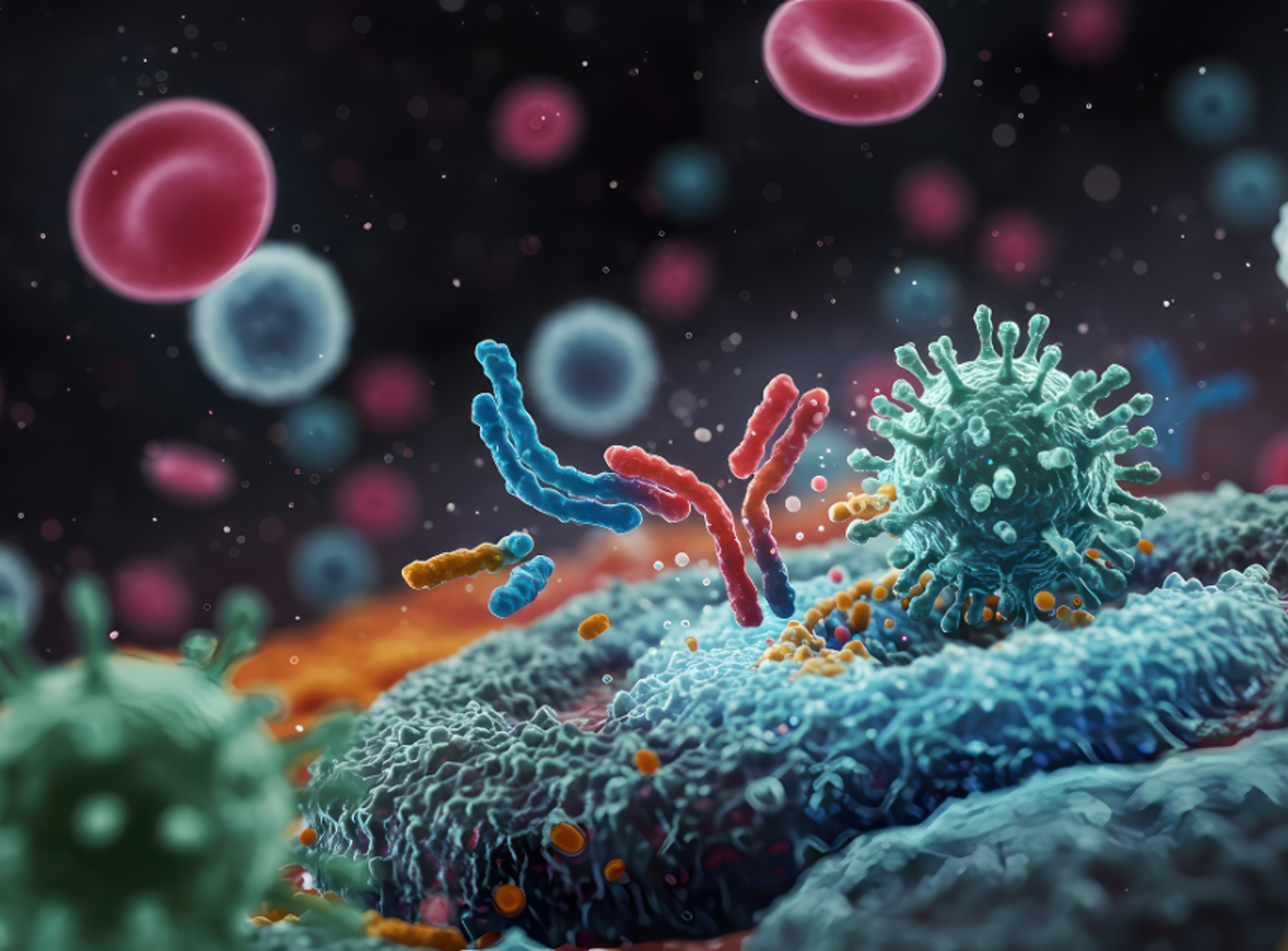
How FcRn mouse models from JAX reveal antibody half-life and stability
Advancing clinical pharmacokinetic prediction beyond non-human primate models

Innovative mouse models for the development of safer therapeutics
Discover how humanized mouse models are revolutionizing drug safety testing, reducing toxicity risks, and paving the way for more effective therapies

Drug Discovery & Development Scientists’ Choice Award 2025 winners announced
Agilent, Tecan, and Cytiva among those recognized

Harness a centralized mouse model repository to align your lab with the three Rs and address data variability
Improve animal welfare and ensure data consistency in your lab with help from The Jackson Laboratory, a centralized provider of mouse models
The biopharma innovations transforming patient health
Explore innovations such as oligonucleotide therapeutics, bi-specific antibodies, CAR-T therapy and CRISPR

How to model human diversity in mice: The case for using genetically diverse outbred mice in research
Find out how the Diversity Outbred mouse platform from The Jackson Laboratory is increasing genetic diversity, and how they are supporting research through a grants program

Evidence-based selection of the starting dose in first-in-human clinical trials using humanized mouse models
The Jackson Laboratory describes how humanized mice provide a new generation of tools for the preclinical development of drugs recognizing human-specific targets

A translationally-relevant alternative to non-human primates
The Jackson Laboratory explores the efficacy of humanized mice as an alternative to non-human primates in drug development studies
Studying complex, systemic immune responses in humanized mice
The Jackson Laboratory introduces its versatile toolset of mouse models capable of supporting extensive functional components of the human immune system

Weathering the storm: A better way to predict cytokine release syndrome during drug development
The Cytokine Release Syndrome (CRS) Evaluation Studies platform by The Jackson Laboratory (JAX) aims to predict toxic adverse effects of immunotherapy drugs