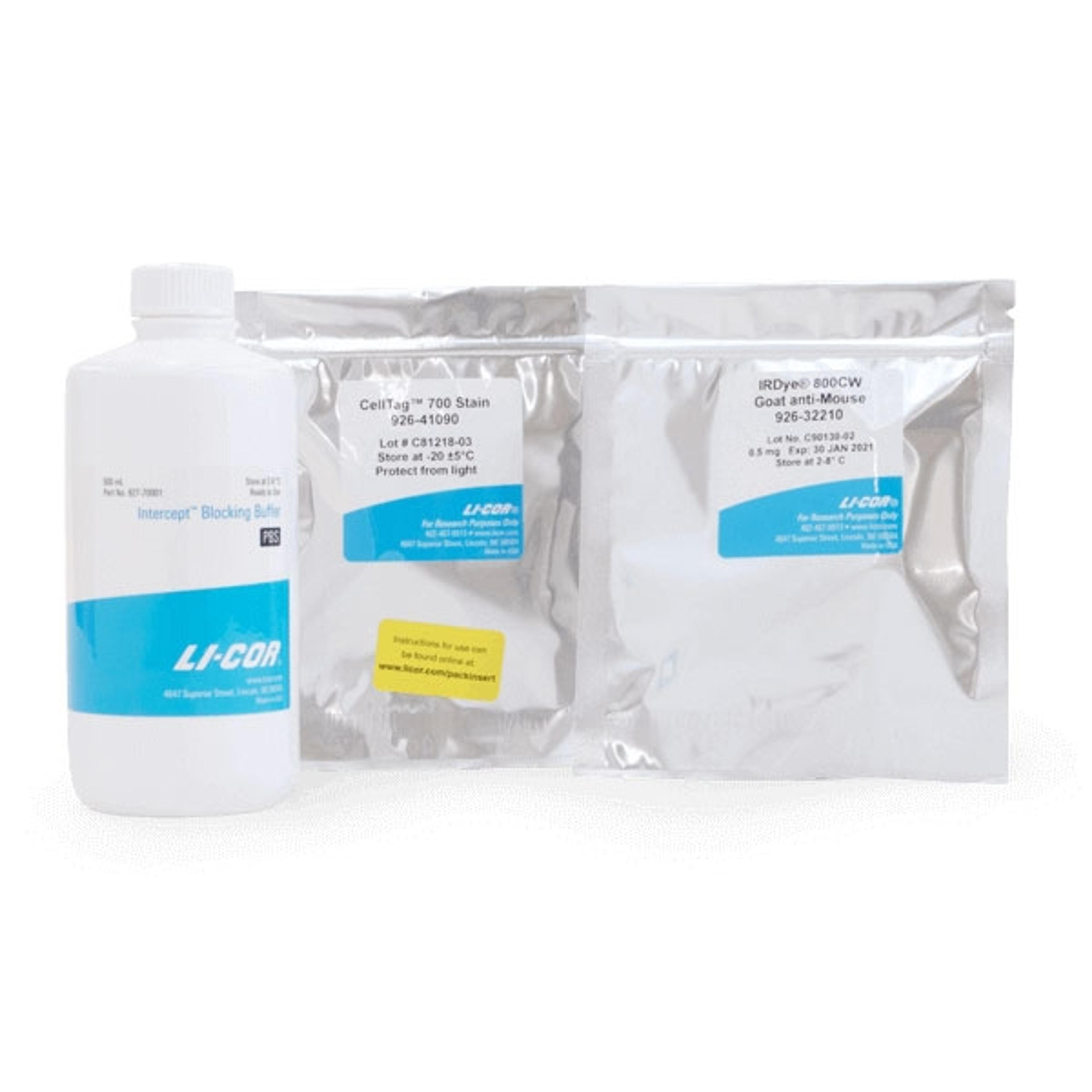
IRDye 680RD Infrared Dyes
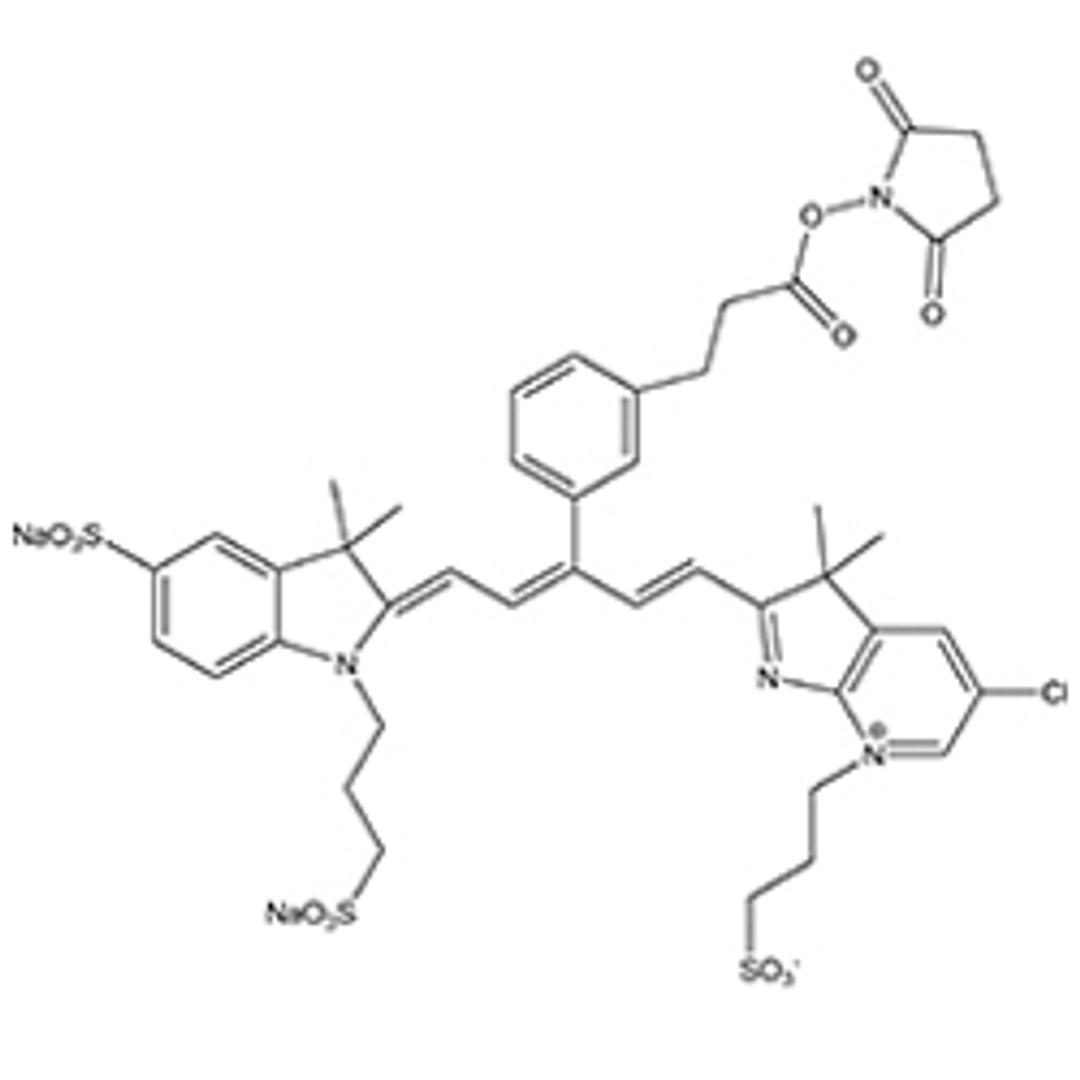
IRDye 680RD is the near-infrared fluorescent dye of choice for applications in the 700 nm wavelength, especially Western blots, cell-based assays such as the In-Cell Western assay, and small animal imaging experiments.
Place your order directly with the manufacturer.
IRDye 680RD is the near-infrared fluorescent dye of choice for small animal imaging applications in the 700 nm wavelength.
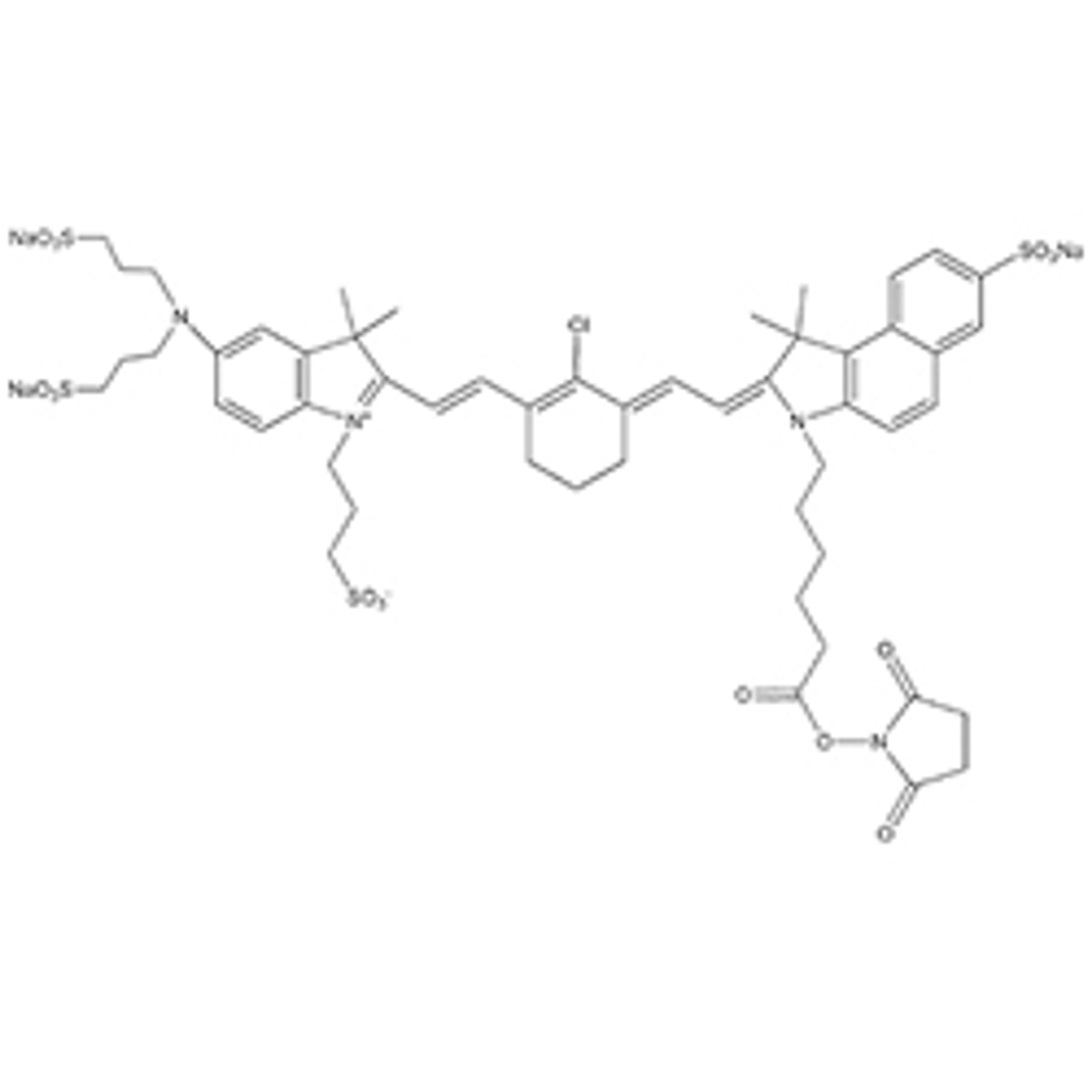
This infrared dye is ideal for labeling proteins, peptides and antibodies. This dye gives optimal performance in Western blotting and immunocytochemical assays, especially quantitative Western blots and In-Cell Western Assays. The dye enables two-color imaging when used in combination with IRDye 800CW labeled agents. It provides excellent clearance profiles in animals and optimized for small animal imaging research.
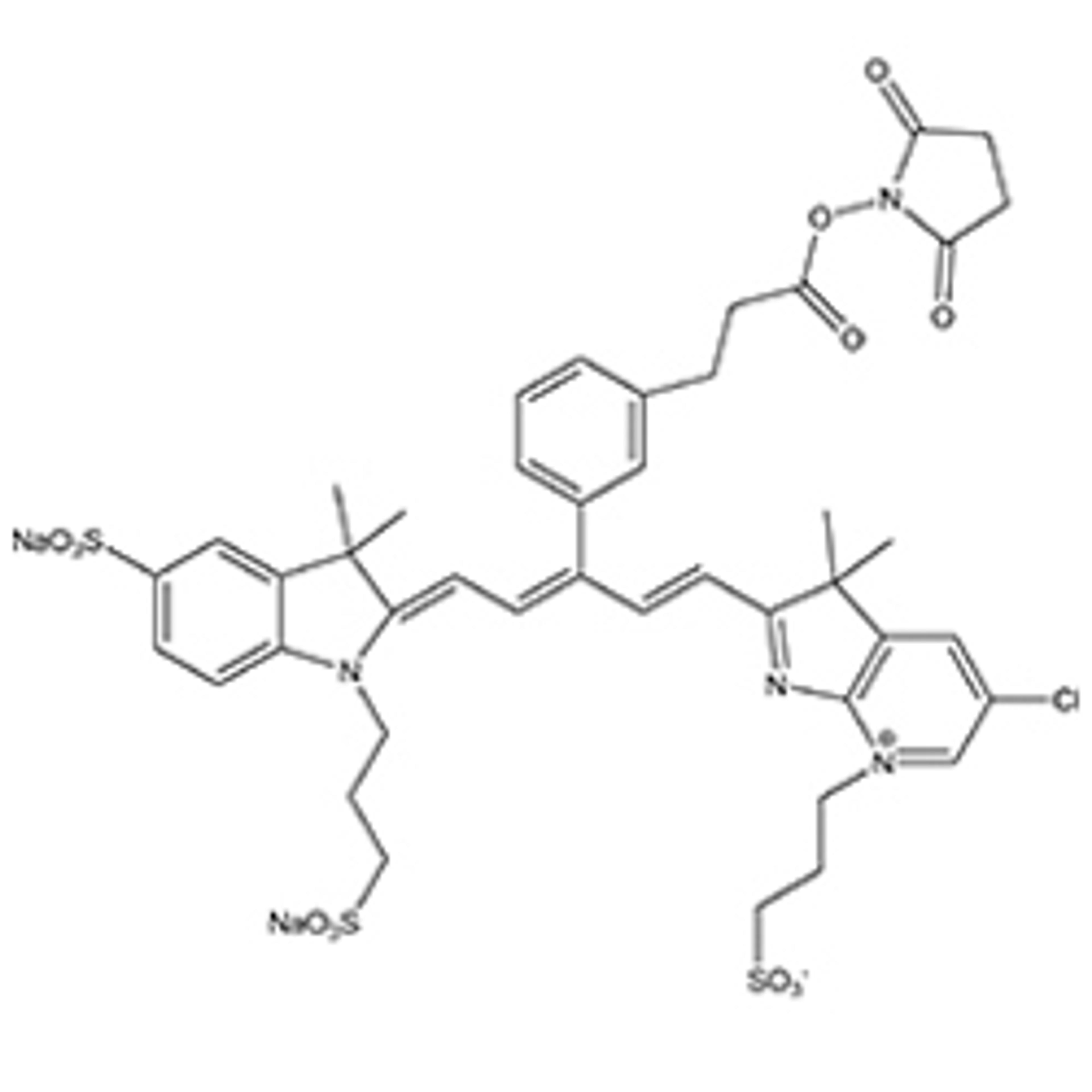
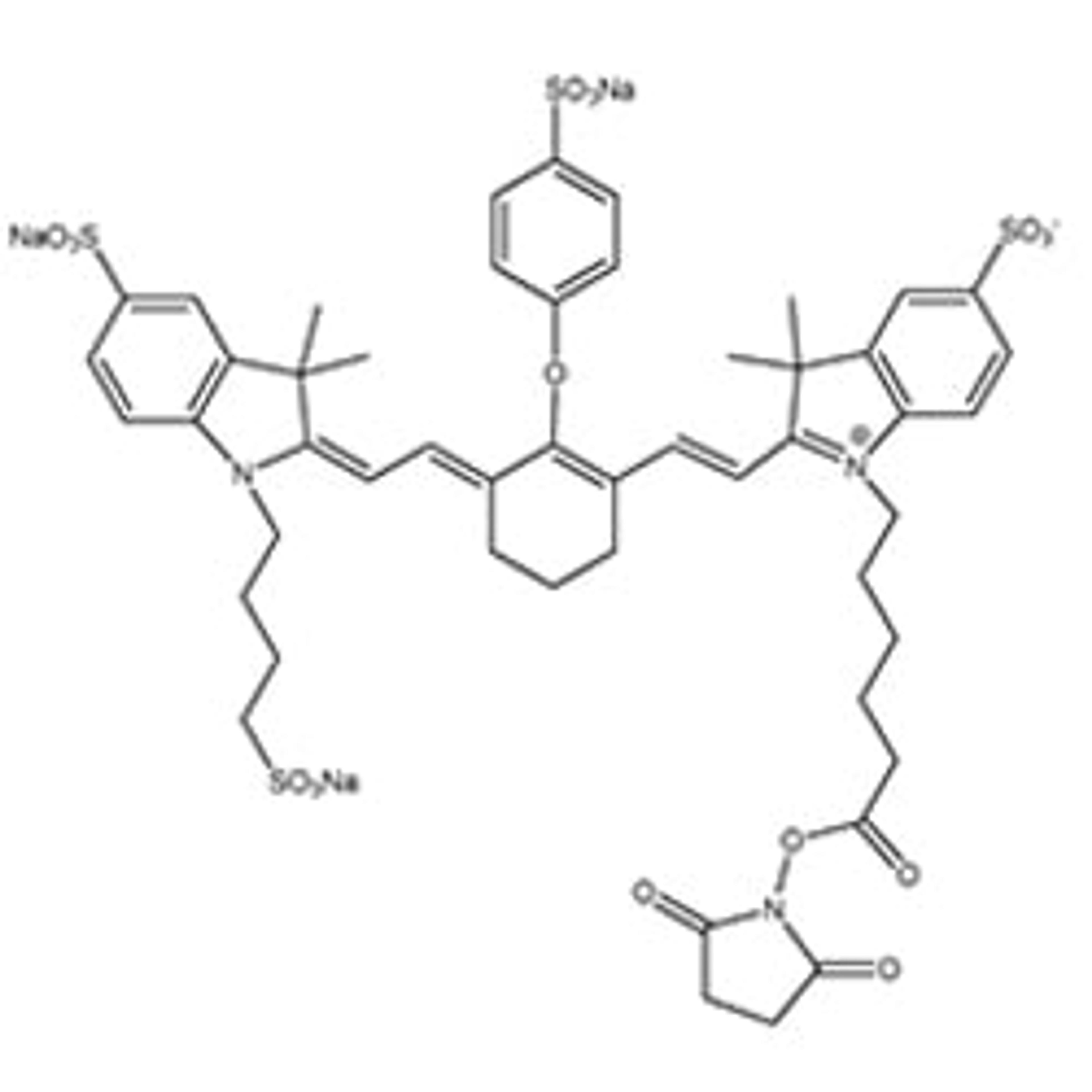
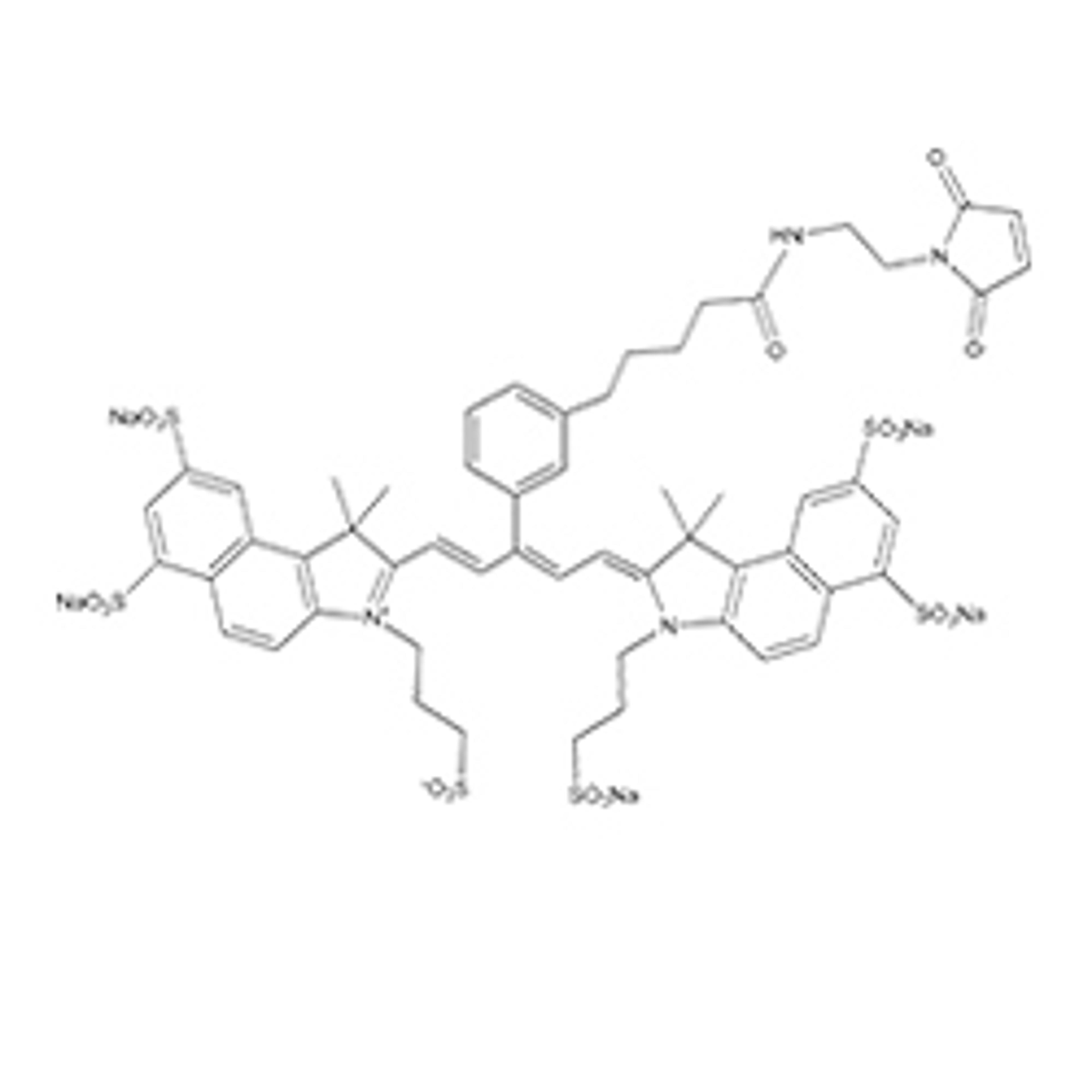
IRDye 680RD is available in NHS ester, maleimide and carboxylate forms. The carboxylate (non-reactive) form of IRDye 680RD is an ideal control. Note: The carboxylate dye has no reactive group and cannot be used for labeling. IRDye 800CW conjugates include secondary antibodies, streptavidin, carboxylate, and optical agents for small animal imaging.

Maximizing the Performance of Your Western Blot
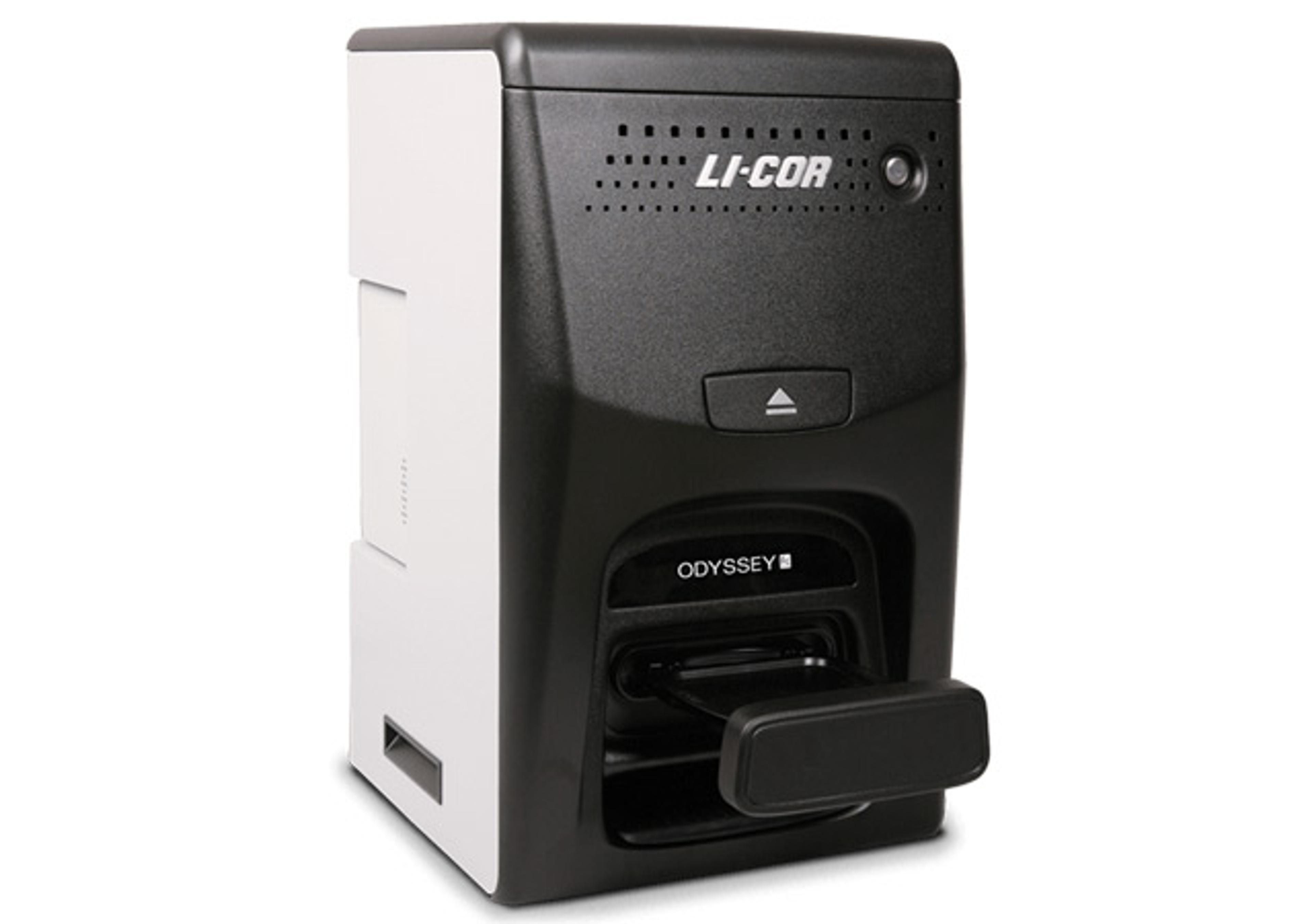
In this note find tips to make the most of your near-infrared (NIR) Western Blot. Some of the factors, including antibody quality, blocking agent selection, contamination and membrane variability that may alter the performance and imaging of a NIR Western blot are discussed. Methods of maximizing performance using the Odyssey Infrared Imaging System and Odyssey software are also described.
IRDye®- Infrared Dye Reagents for Click Chemistry
Watch this short presentation to discover LI-COR’s Click Chemistry reagents for copper-catalyzed and copper-free methods. One group of products within this portfolio include IRDye® infrared dyes labeled with dibenzocyclooctyne groups (DBCO), which can be used for copper-free biomolecule based methods. The DBCO groups allow copper-free Click Chemistry in live cells, whole organisms, and non-living samples.
To learn more about Click Chemistry applications view the full webinar.