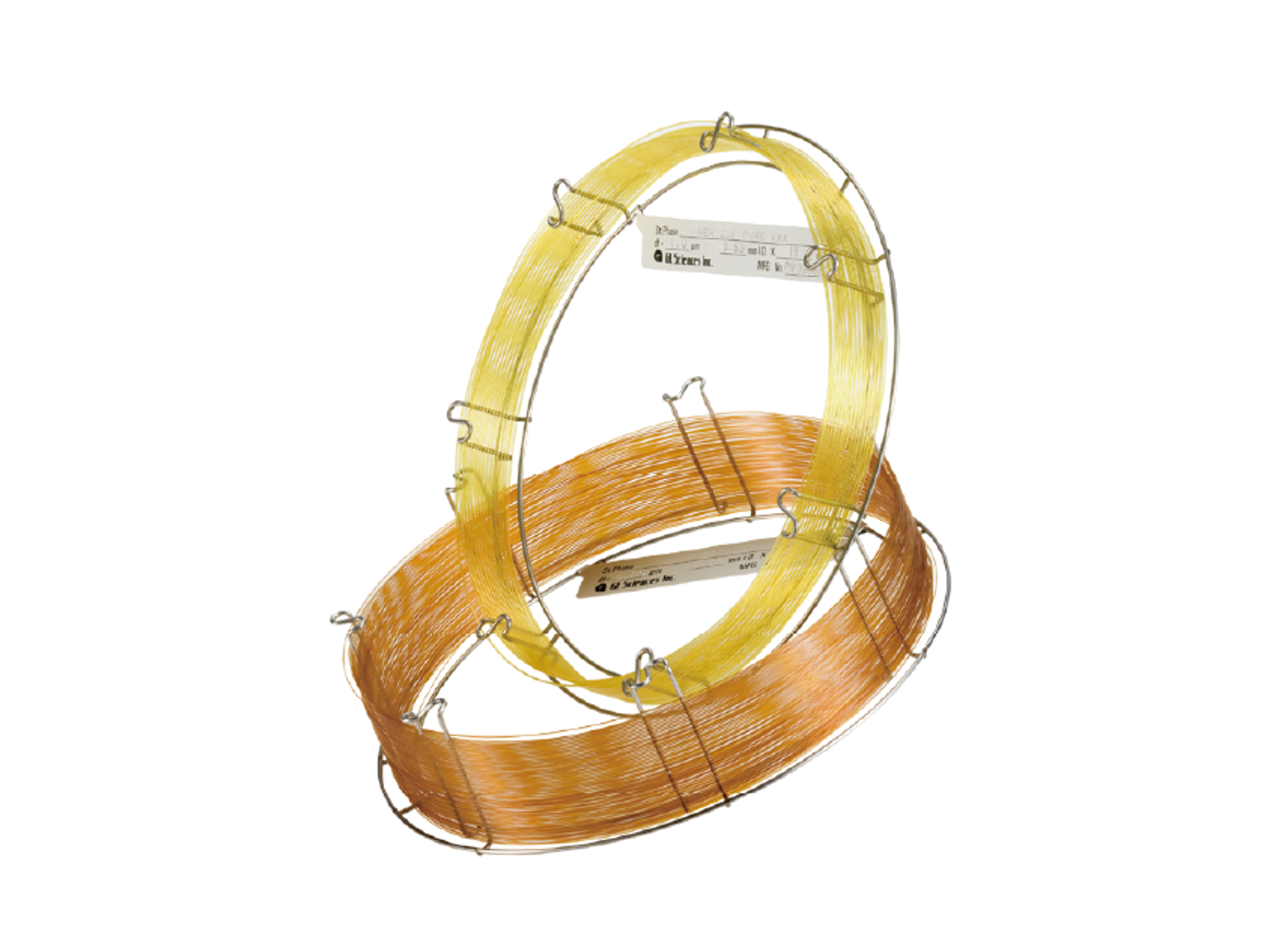
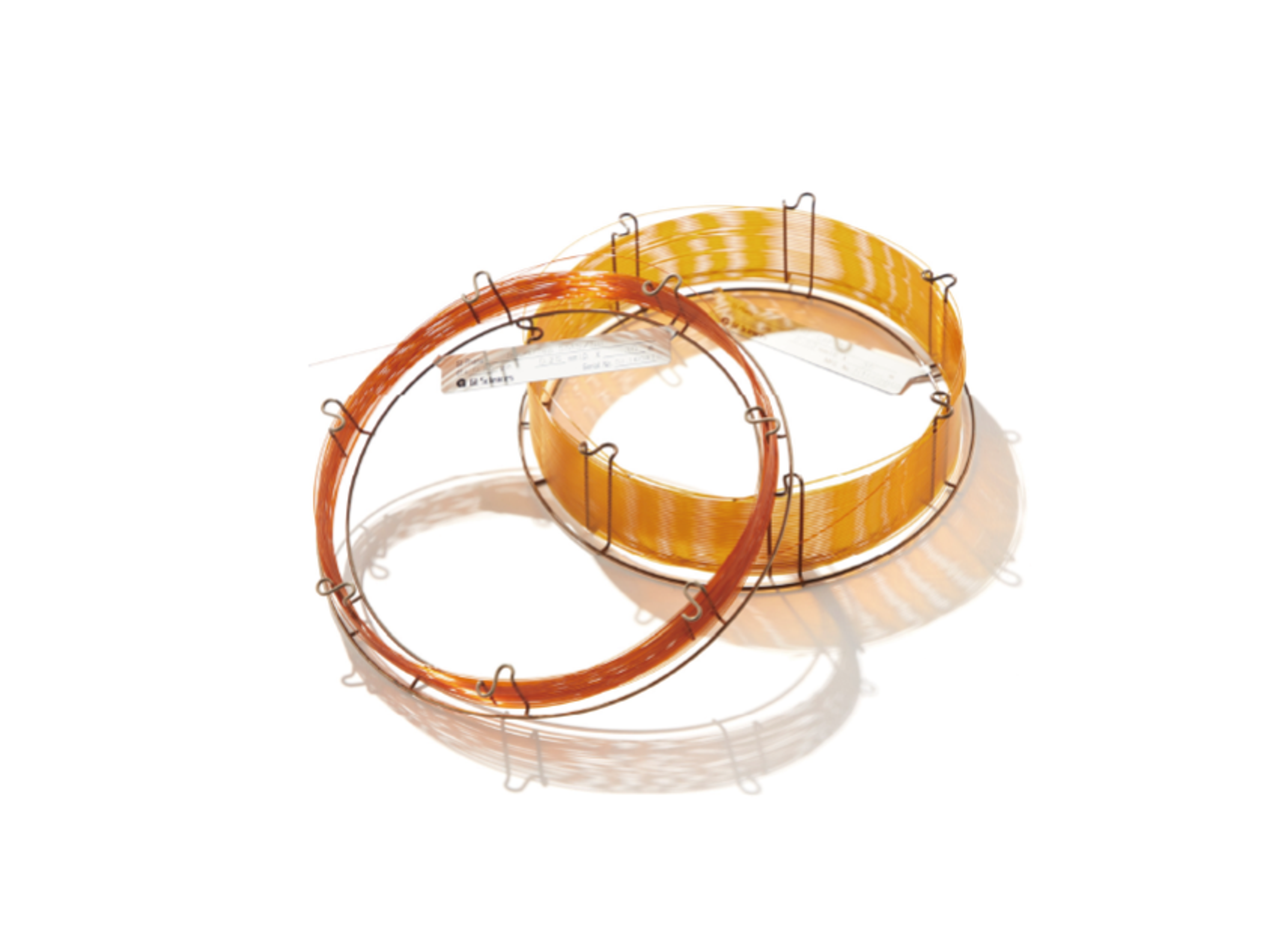
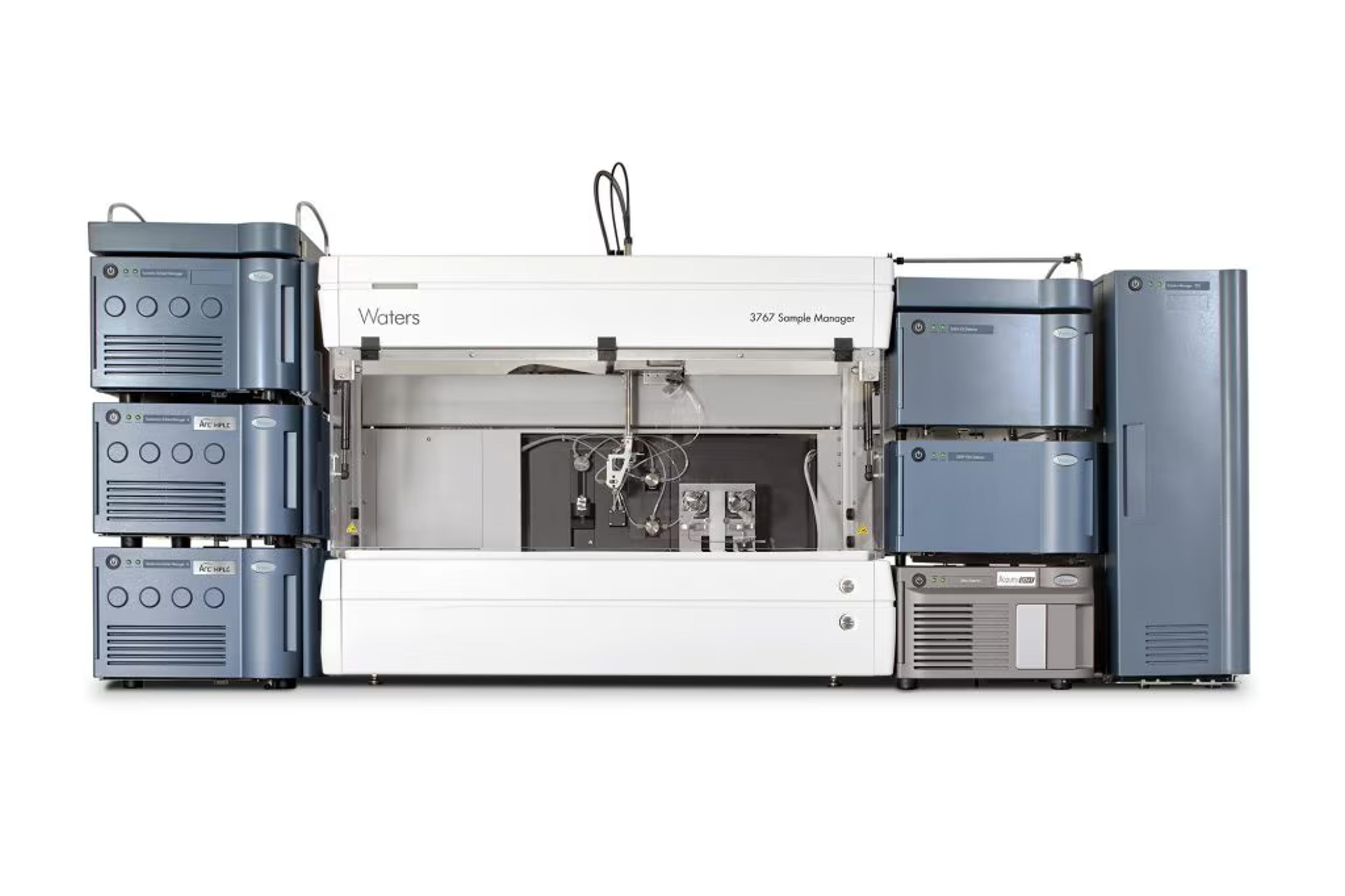
Discovery® BIO Wide Pore C18 HPLC Column
Peptide maps generated by RP-HPLC provide valuable information about protein structure, stability, and purity. To be effective, the RP-HPLC column must be able to resolve a high percentage of the peptides in the sample. The more peptides, the better the information. Discovery BIO Wide Pore C18 gives unsurpassed RP-HPLC resolution of peptide maps from enzymatic digests. The improvements in silica and bonded-phase chemistry we h…


The supplier does not provide quotations for this product through SelectScience. You can search for similar products in our Product Directory.
Excellent product, I recommend it 100%.
Analyze metabolites from plants extracts
This column shows a high quality and reproducibility of results, the separation of small proteins was very good. This column is ideal for those jobs that require a C18 column. It has excellent reproducibility and the peak shape is exceptional for basic and acidic analytes. It allows very stable and low column bleed LC-MS separations. Separation of peptides and small proteins is performed with great effectiveness, thanks to its lower hydrophobicity than many comparable C18 columns, providing faster analysis.
Review Date: 15 Mar 2021 | Sigma-Aldrich Supelco
Peptide maps generated by RP-HPLC provide valuable information about protein structure, stability, and purity. To be effective, the RP-HPLC column must be able to resolve a high percentage of the peptides in the sample. The more peptides, the better the information. Discovery BIO Wide Pore C18 gives unsurpassed RP-HPLC resolution of peptide maps from enzymatic digests. The improvements in silica and bonded-phase chemistry we have incorporated into the Discovery BIO Wide Pore line improve resolution by increasing efficiency and reducing the peak tailing. An added benefit to this is the ability to analyze peptides without TFA in the mobile phase, thereby increasing the LC-MS signal.

Separations of Peptide Antibiotics by Reversed Phase HPLC, using Sigma-Aldrich Supelco Discovery Columns
Antibiotic resistance has become a major clinical problem so there is an urgent need to develop agents that act via novel mechanisms. In this application note, Bacitracin A and Virginiamycin M1 were analyzed by HPLC, using Discovery C18, Discovery C8, and Discovery RP-AmideC16 columns. These columns offer excellent resolution for this application.
Separations of Tetracycline Antibiotics by Reversed Phase HPLC, using Sigma-Aldrich Supelco Discovery Columns
There are more than 100 antibiotics on the market today, and many more are in development. Resistance to antibiotics is a significant problem; an antibiotic that takes a decade to bring to market can induce resistance within months of its introduction into clinical practice. Therefore, it is critical to monitor the level of antibiotics given to humans and animals and HPLC is a powerful tool for isolation and quantification of such. In this application, five tetracycline antibiotics were analyzed by HPLC, using Discovery C18, Discovery C8, and Discovery RP-AmideC16 columns.
Separating Water-Soluble Vitamins by Reversed Phase HPLC using a Discovery C18 Column by Sigma Aldrich Supelco
Manufacturers routinely analyze vitamins in their products to determine quantitative levels and to monitor changes that have occurred in processing. HPLC is the preferred technique for vitamin separation because of its high selectivity. In this application note, water-soluble vitamins were separated by reversed-phase HPLC on a Discovery C18 column.
Separating Fat-Soluble Vitamins by Reversed Phase HPLC, using Sigma-Aldrich Supelco Discovery Columns
Food manufacturers routinely analyze vitamins in their products to determine quantitative levels and to monitor changes that have occurred in food processing. HPLC is preferred for vitamin separation because of its high selectivity. In this application note, various mixtures of fat-soluble vitamins in A, D, and E groups were studied by reversed-phase HPLC using Sigma-Aldrich Supelco Discovery columns.
Separations of Fluoroquinolone Antibiotics by Reversed-Phase HPLC, using Sigma-Aldrich Supelco Discovery Columns
There are more than 100 antibiotics on the market today, and many more are in development. Resistance to antibiotics is a significant problem; an antibiotic that takes a decade to bring to market can induce resistance within months of its introduction into clinical practice. Therefore, it is critical to monitor the level of antibiotics given to humans and animals and HPLC is a powerful tool for isolation and quantification of such. Antibiotics from the fluoroquinolone subclass were studied and separated by reversed-phase HPLC on Discovery RP-AmideC16, Discovery C18, and Discovery C8 columns.
Improved Reproducibility and Reduced Sample Preparation Time for the HPLC Analysis of Aflatoxins in Raw Peanut Paste
This application note compares aflatoxin sample purification methods utilizing IAC and SPE cleanup methods. Sample processing time, product performance, and process simplicity are evaluated.