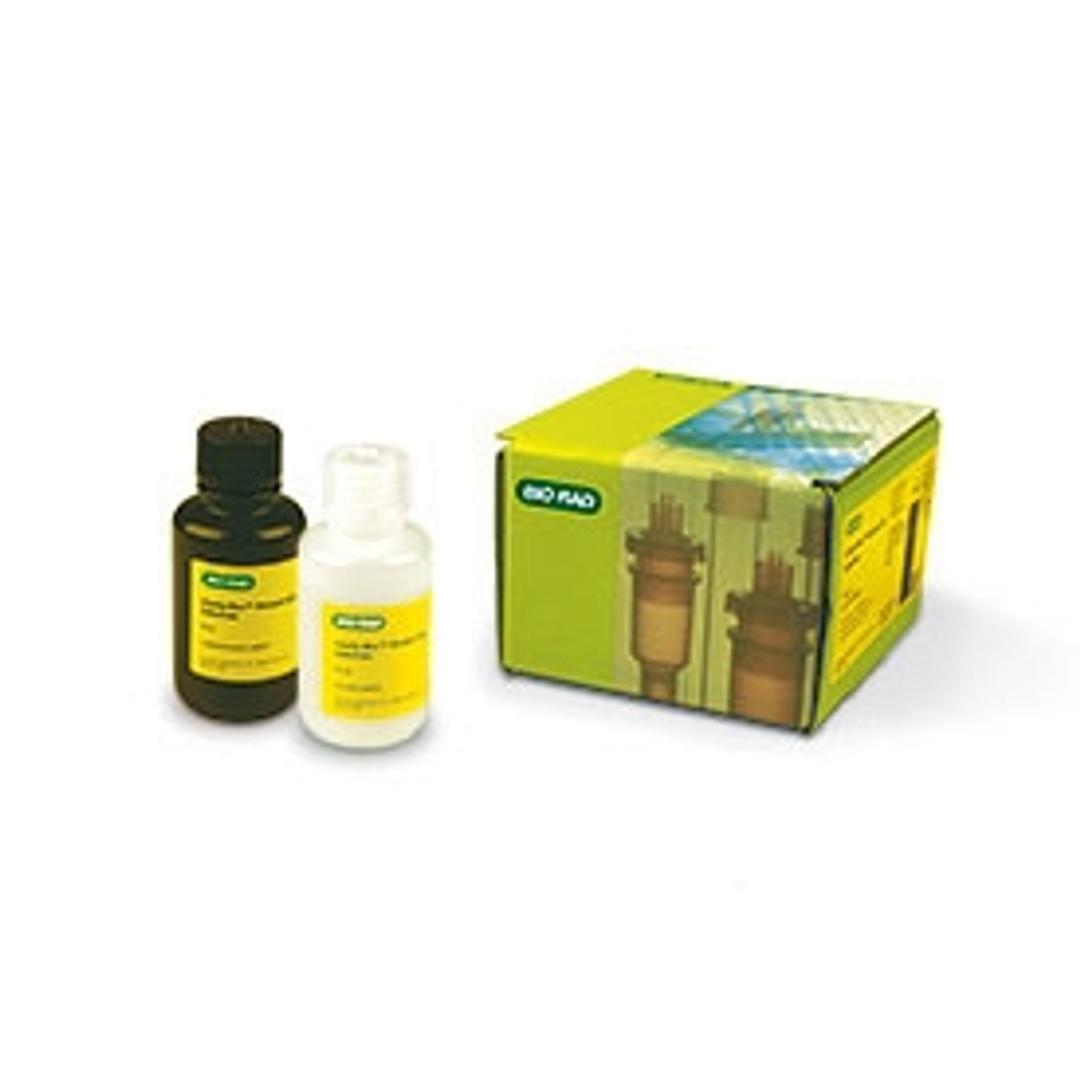
Clarity™ Western ECL Substrate, 200 ml
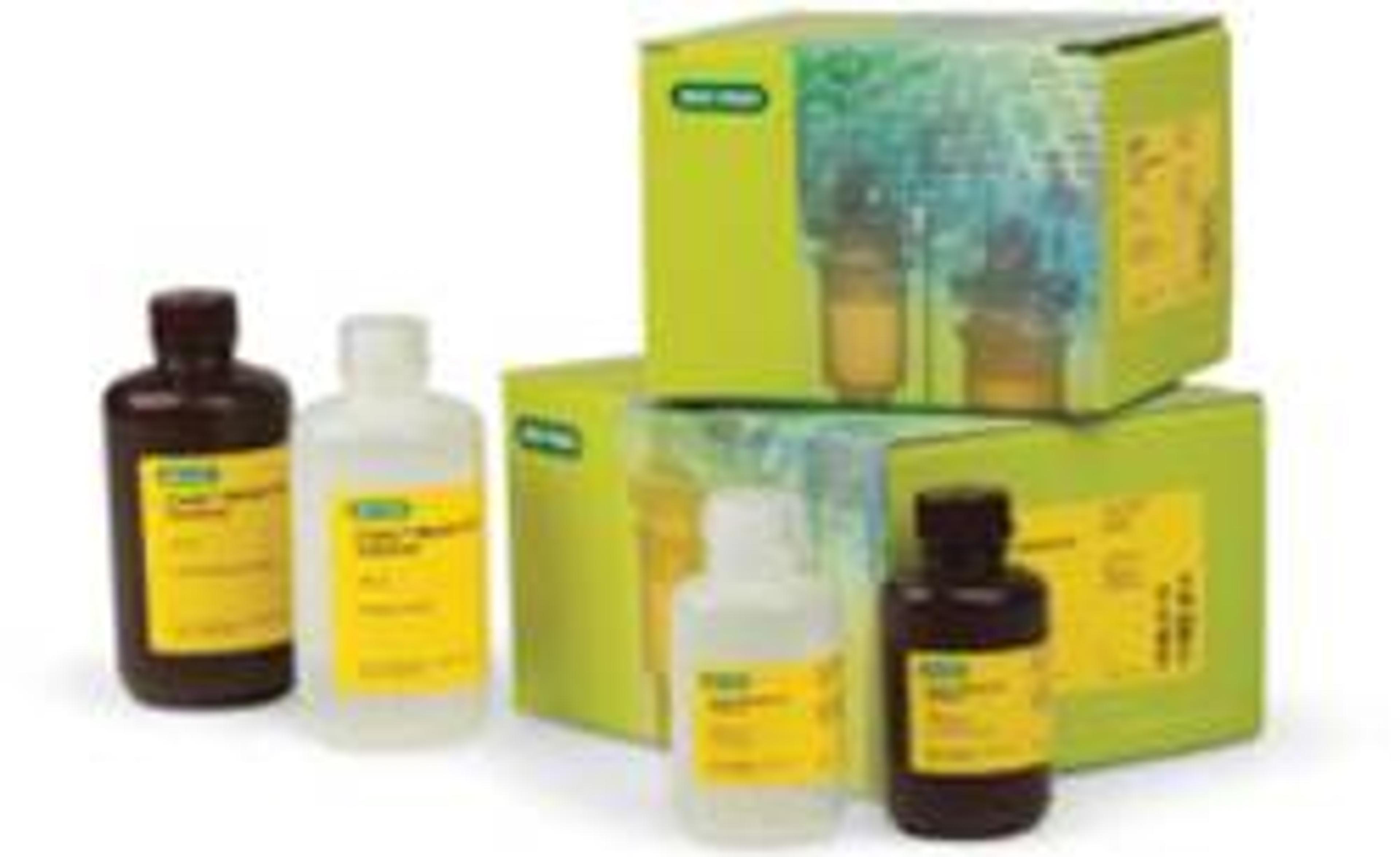
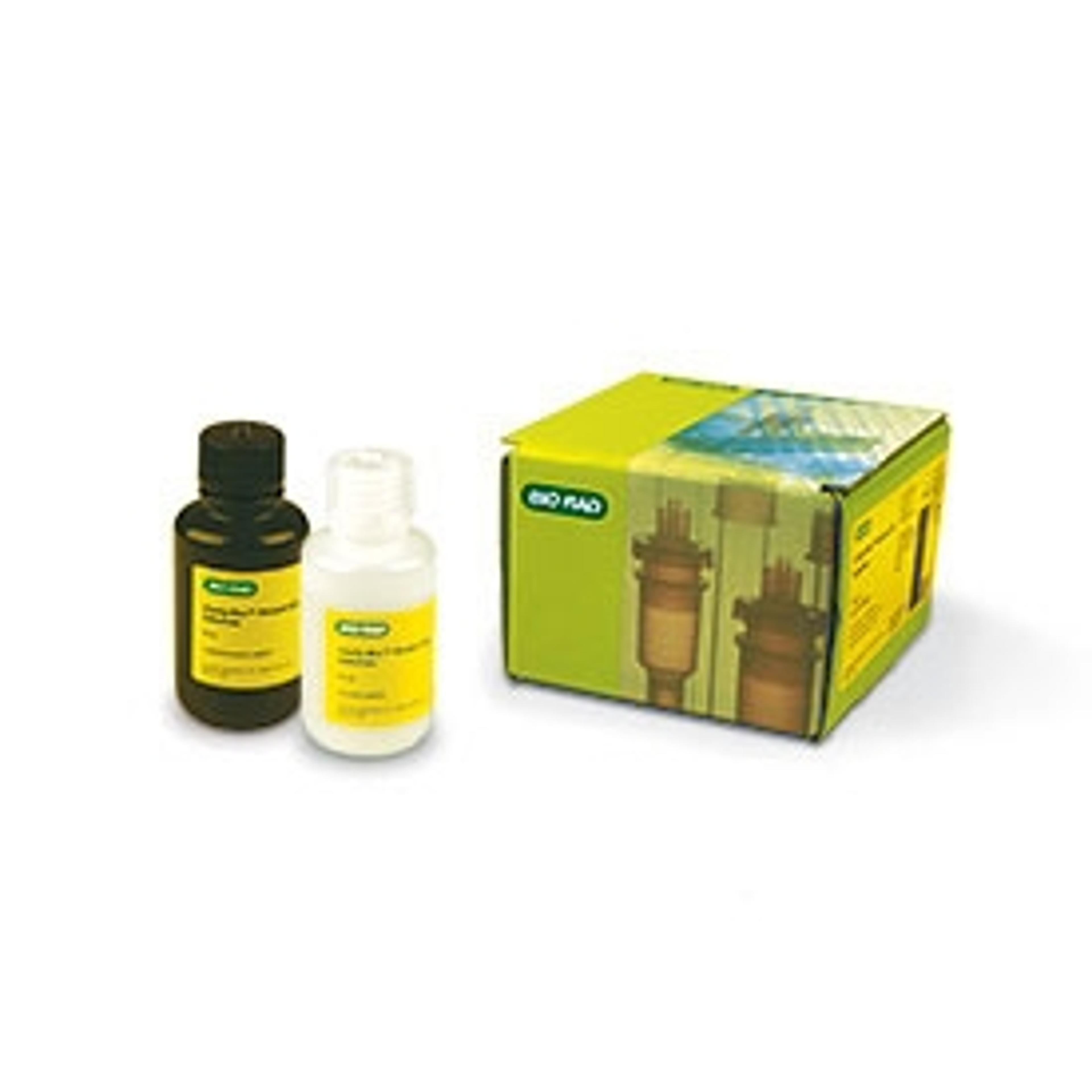
Contains 100 ml Clarity Western Peroxide Reagent and 100 ml Clarity Western Luminol/Enhancer reagent

The supplier does not provide quotations for this product through SelectScience. You can search for similar products in our Product Directory.
Need more sensitivity?
Use Clarity Western ECL Substrate with any HRP-conjugated secondary antibody for digital or film-based imaging.
Features and Benefits
- Femtogram-level sensitivity
- 24-hr signal duration
- 1-year shelf-life at room temperature
- Use 7 ml for a mini membrane (7 x 8.5 cm)
- Use 12 ml for a midi membrane (8.5 x 13.5 cm)
Product Contents
- 100 ml Clarity Western Peroxide Reagent
- 100 ml Clarity Western Luminol/Enhancer Reagent
For more information, see the Clarity and Clarity Max Western ECL Blotting Substrates product page.
Related Products
- Clarity Max Western ECL Substrate, 20 ml (1705062S)
- Clarity Max Western ECL Substrate, 100 ml (1705062)
- Immun-Star™ Goat Anti-Mouse (GAM)-HRP Conjugate, 2 ml (1705047)
- Immun-Star Goat Anti-Rabbit (GAR)-HRP Conjugate, 2 ml (1705046)
- Premixed Transfer Buffers
- Transfer Buffer Reagents
- Detergents and Blocking Buffers

Avoiding Housekeeping Protein Detection Saturation
Reliable western blot data require detection of the target and loading control proteins in the linear dynamic range. Many published western blot images show saturated protein bands, especially for the housekeeping proteins (HKP) including ß-actin, ß-tubulin, and GAPDH, indicating that they were not measured in the linear dynamic range. Quantitative analysis based on this type of data is not reliable. This application note describes common ways of avoiding signal saturation for the detection of HKP loading controls.
Determining the Appropriate Film Exposure Time for Protein Detection after Western Blotting
Film has a limited linear dynamic range for light detection and is often easily saturated by the chemiluminescent signals from the blot. This application note describes a procedure for determining film exposure time after western blotting.
Determining the Appropriate Sample Load for Western Blots
Reliable western blot data can be generated only when the proper sample amount of protein is used. Loading too much protein leads to signal saturation in western blots, yet too little produces weak signals. This application note describes an assay development experiment to determine the appropriate protein load for target and control detection prior to performing the actual western blot experiment.
General Protocol for Western Blotting
Download this application note to read a full western blot protocol, from running gels to stripping and reprobing a membrane.