Chromatrap® DNA Size Selection
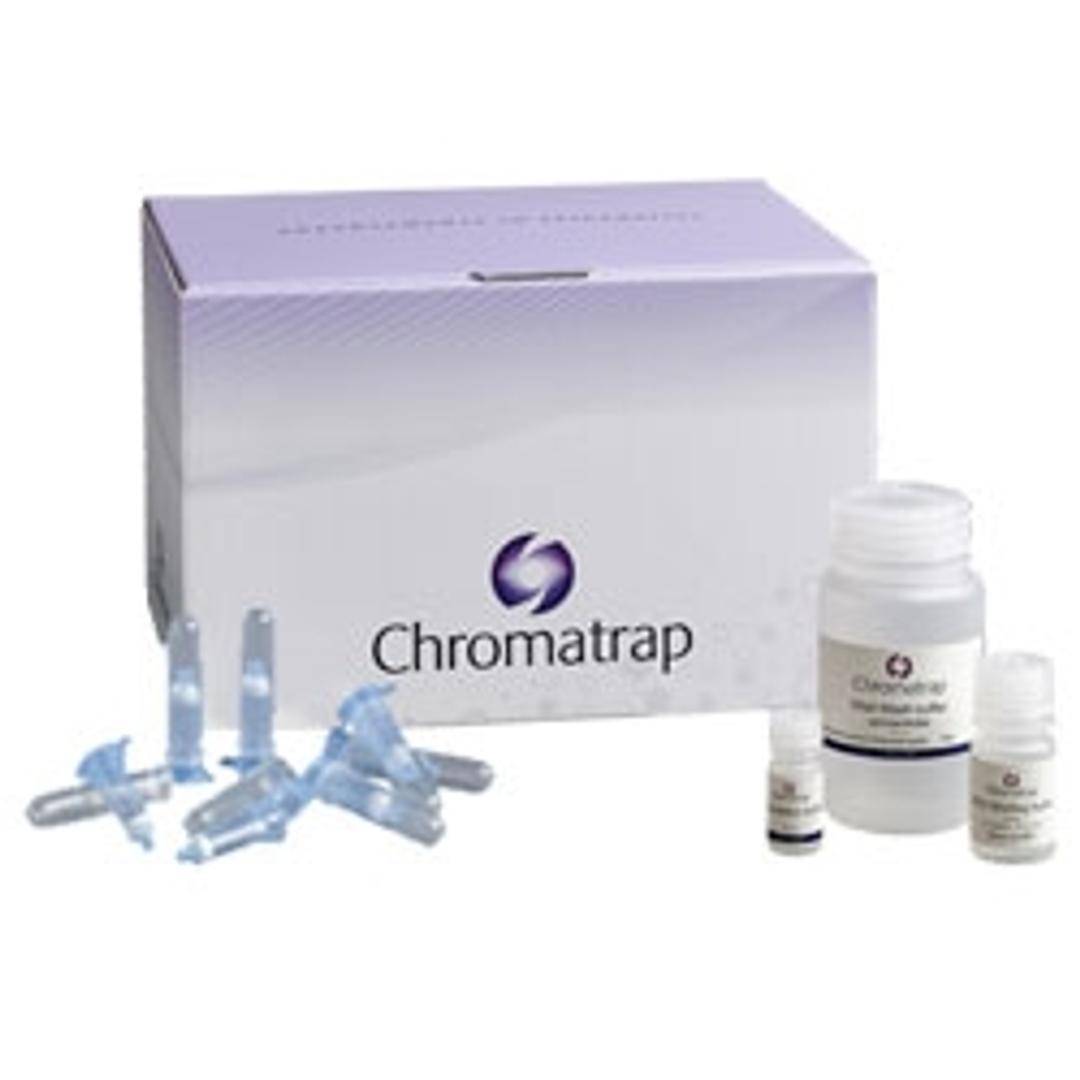
Easily purify your preferred DNA fragments from a wide range of sample sources with the Chromatrap Size Selection kit. In 3 simple steps (bind, wash and elute) in under 5 minutes, elute superior quality DNA fragments of your desired size for downstream applications such as library preparation for next generation sequencing in under 5 minutes.
The supplier does not provide quotations for this product through SelectScience. You can search for similar products in our Product Directory.
Easily purify your preferred DNA fragments from a wide range of sample sources with the Chromatrap Size Selection kit. In 3 simple steps (bind, wash and elute) in under 5 minutes, elute superior quality DNA fragments of your desired size for downstream applications such as library preparation for next generation sequencing in under 5 minutes.
Input Volume: Up to 100 µl solution
Sample Size: 50bp, 100bp, 150bp & 200bp. Flexible with easy buffer adjustments
Elution Volume: 20 – 50 µl
DNA Recovery: Up to 98%
Sample Type: ChIP samples, PCR mixtures, Enzyme Reactions and DNA samples, NGS libraries
Downstream Applications: Library Preparation, Next Generation Sequencing, Restriction Digest, Ligations, PCR
Protocol Length: 5 minutes
Format: 50 Spin Columns or 96 Well Plates
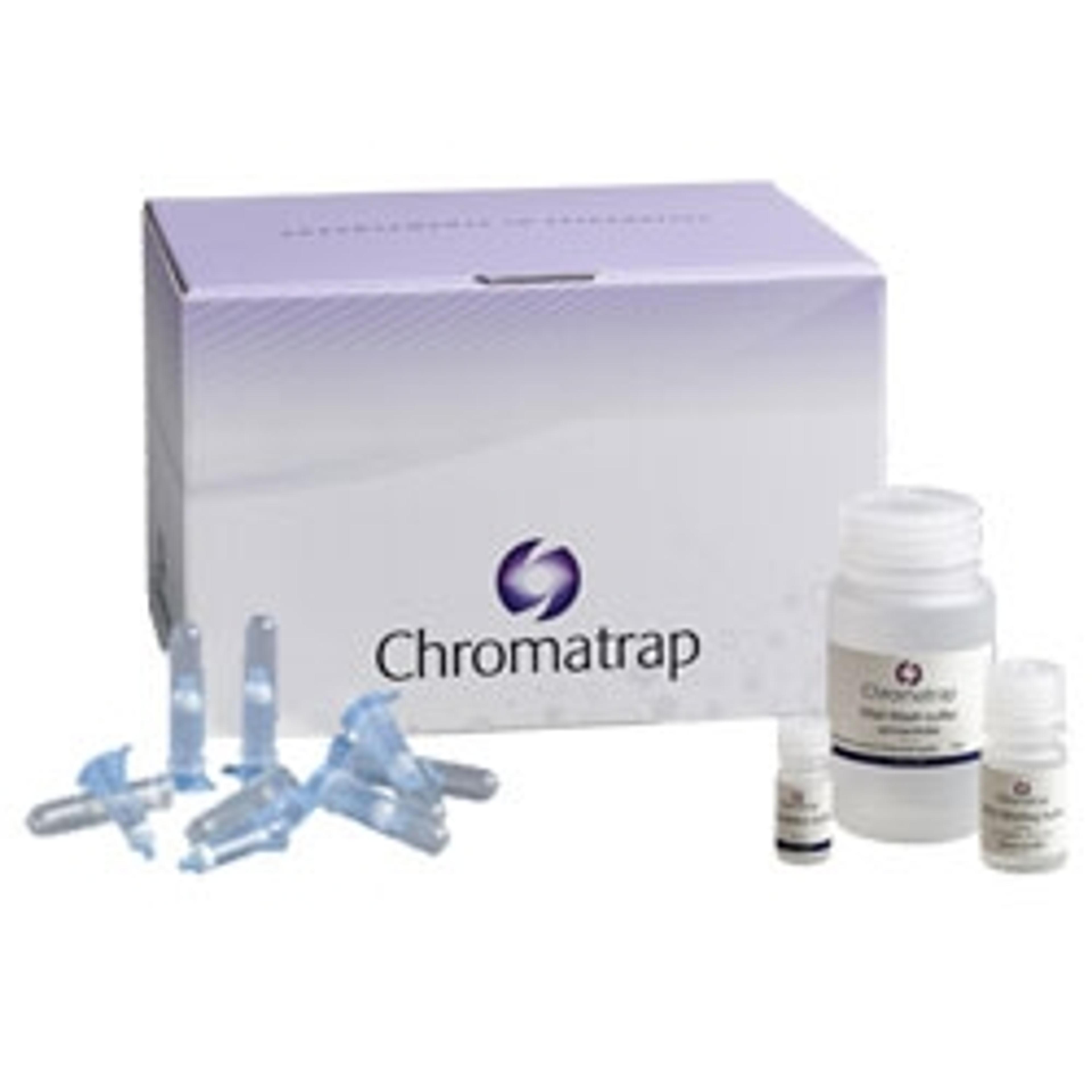
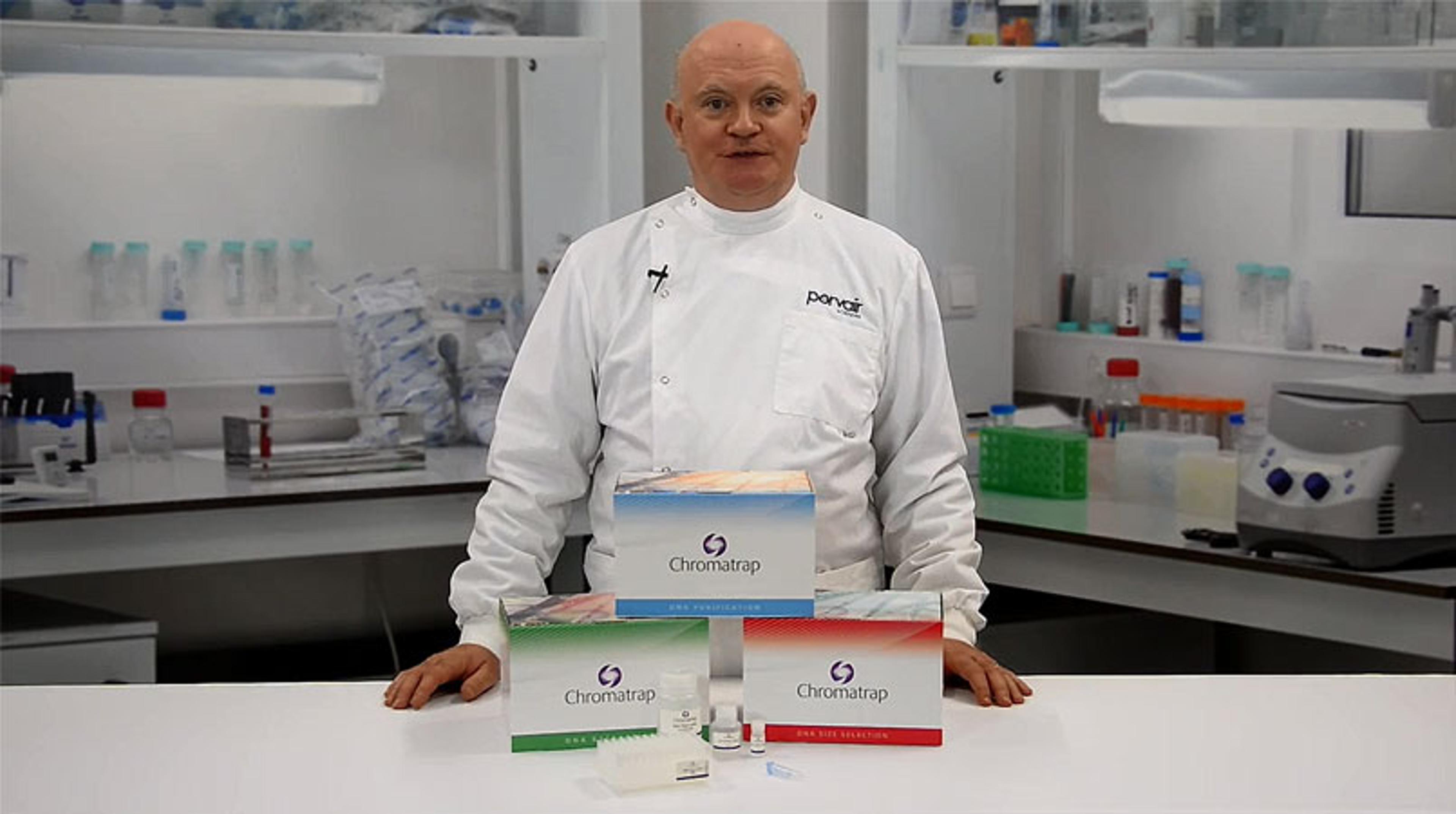
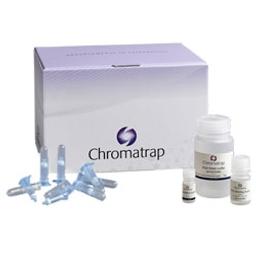
Kit Contents: Chromatrap ® Size Selection columns (50), Collection Tubes (50), SzS Binding Buffer, SzS Wash Buffer, SzS Elution Buffer
Introducing the Chromatrap solid state DNA extraction kits
Director of Sales & Marketing at Porvair Sciences, Stephen Knight, launches their exciting new a range of easy-to-use, affordable DNA kits for routine molecular biology applications :
- Chromatrap® DNA extraction kit
- DNA purification kit
- Chromatrap® size selection kit
Chromatrap® DNA kits leverage a uniquely designed spin column and proprietary buffer chemistry. All of the DNA kits are free from salts, contaminants and inhibitors, to provide the perfect high recovery of top quality DNA for your downstream applications.
7 Steps to Better Gene Editing and CRISPR technology - Special Feature
In this editorial feature, we bring you the latest developments in gene editing and CRISPR technology