Cell Painting Assay for In Vitro Toxicity & Phenotypic Profiling
High-content Cell Painting assay that images multiple organelles to measure over 1,500 morphological features, delivering concentration-response points of departure to flag compound toxicity and mechanisms of action early in drug discovery.

Receive your quote directly from the manufacturer.
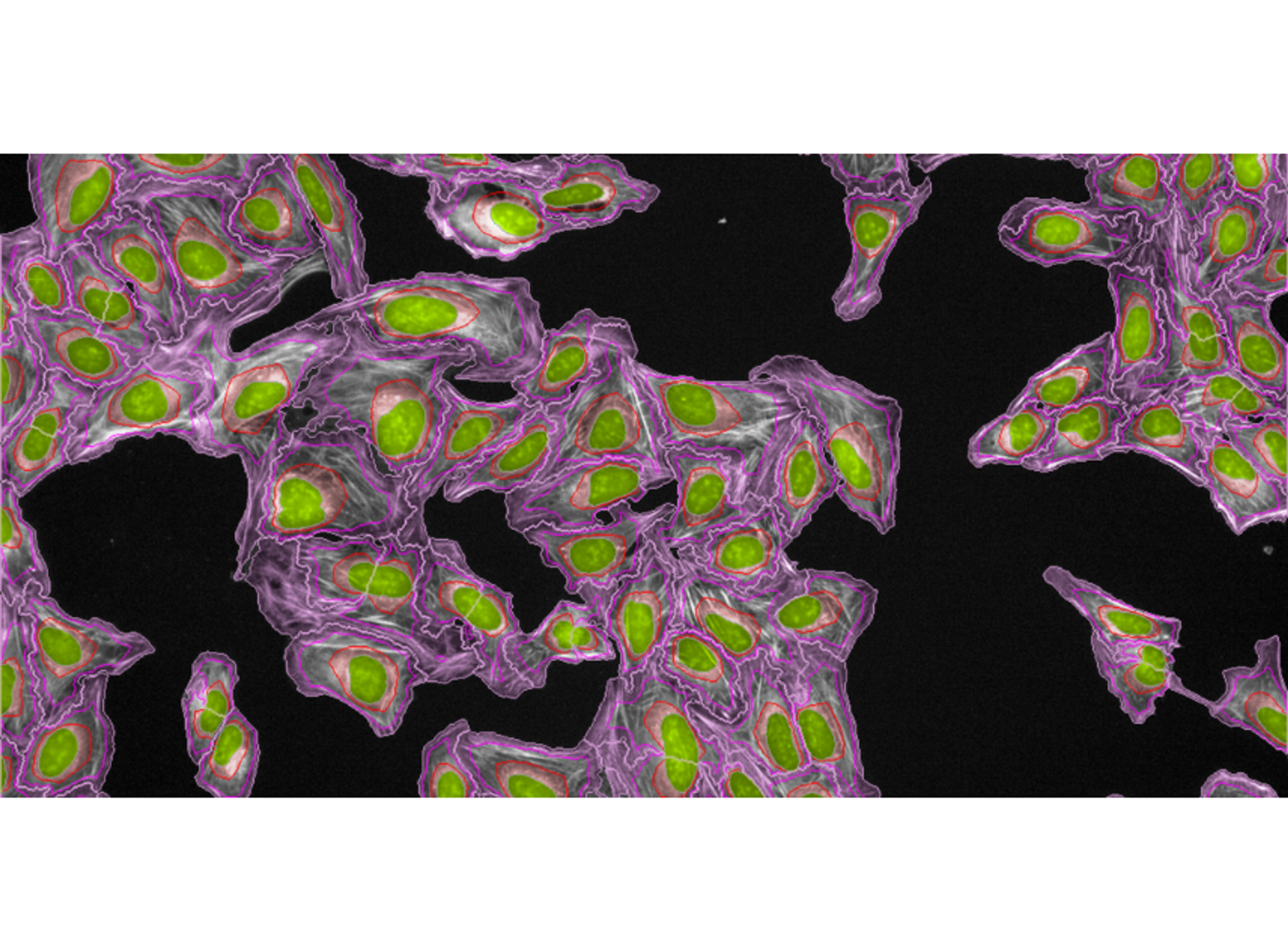
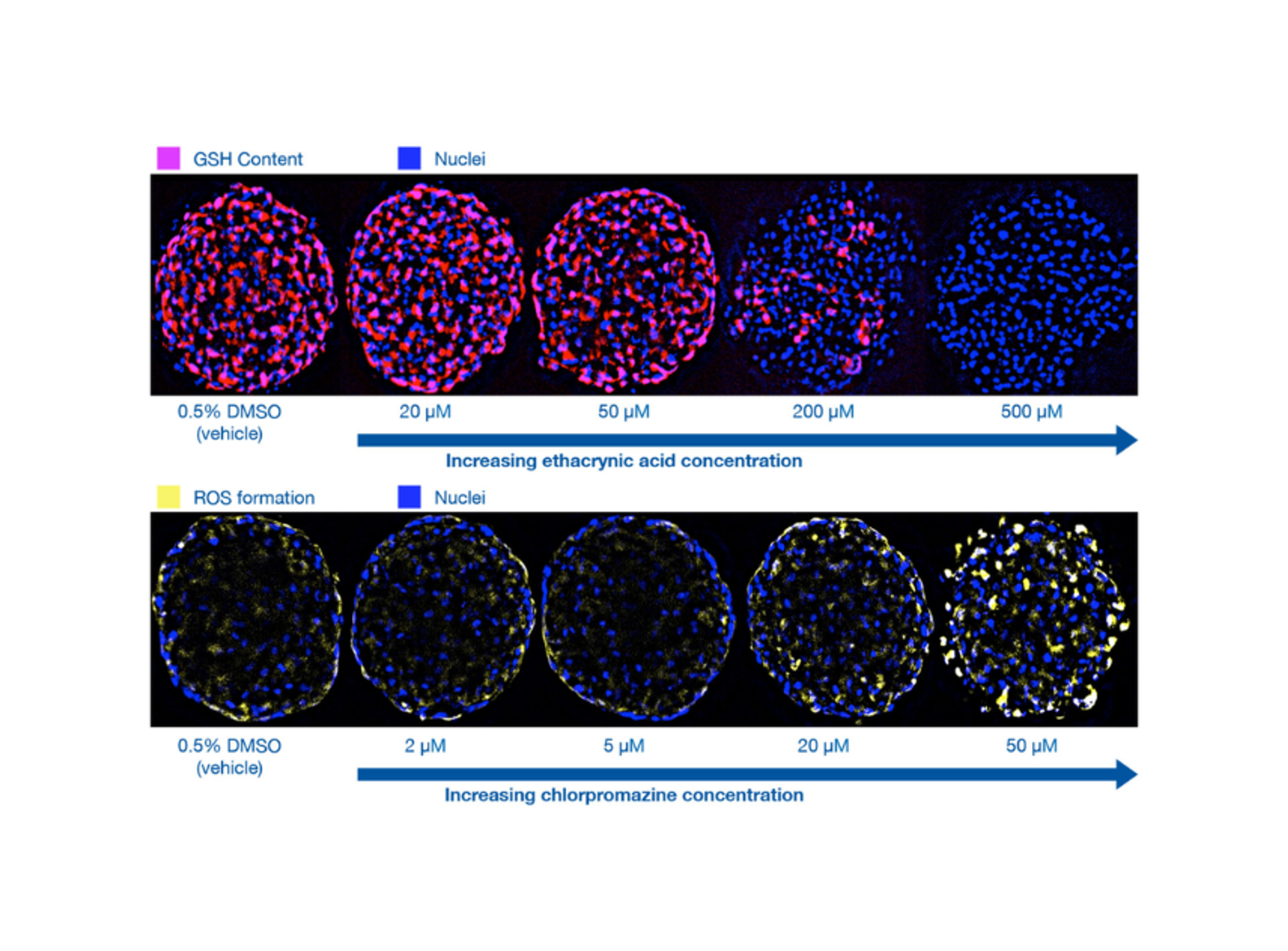
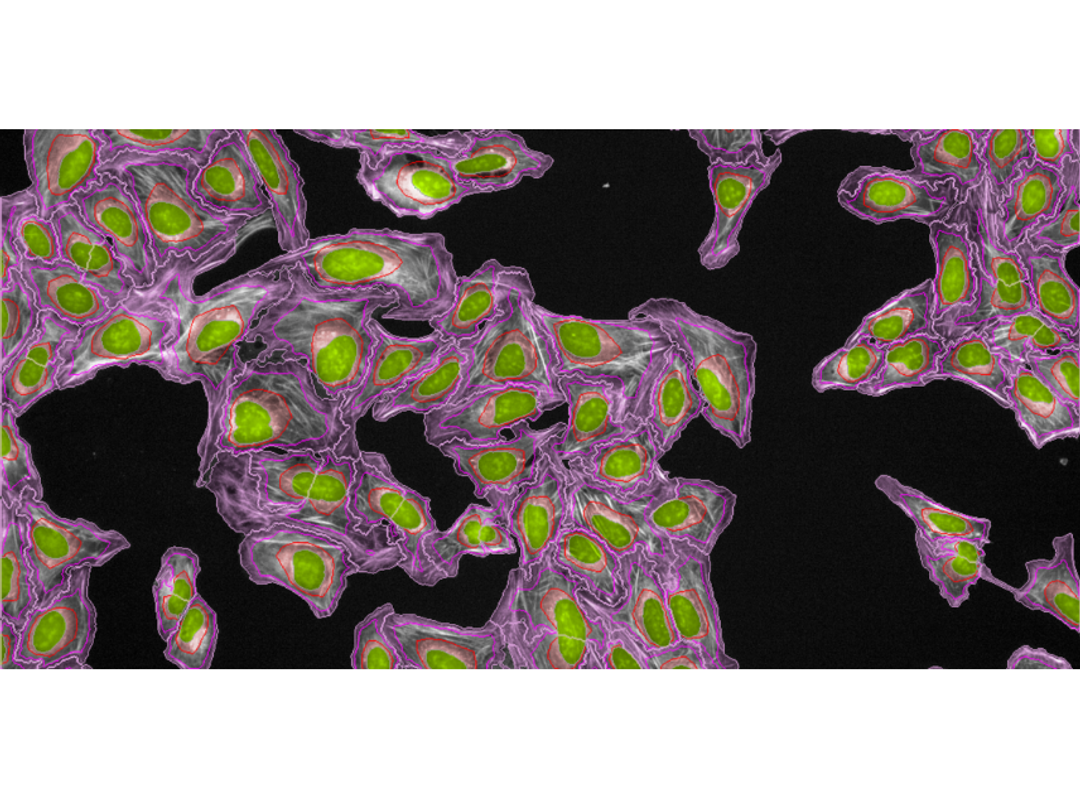
Conventional toxicity assays usually measure one or two endpoints, such as cell viability and can miss subtler changes that point to a safety risk. Evotec’s Cell Painting takes an unbiased approach. It stains several cellular structures at once, including the nucleus, mitochondria and cytoskeleton, then uses automated imaging to capture a detailed morphological profile of every cell. Toxicity is still a major cause of drug attrition, and Cell Painting has become a widely adopted new approach methodology (NAM) for detecting hazards earlier and more cost-effectively.
Cyprotex, part of Evotec, runs the assay using two published protocols: the JUMP Cell Painting Consortium (JUMP-CP) method and a method developed by the US EPA. More than 1,500 features are extracted per sample. After quality control, these are condensed into a curated set of 575 features across 30 feature groups, and concentration-response modeling calculates the point of departure (PoD) at which meaningful changes begin. Protocols, cell types and dyes can be adapted to each client's needs.
Key features of Evotec’s Cell Painting Assay include:
- Rich phenotypic data: multiplexed staining and high-content imaging reveal subtle morphological changes that single-endpoint assays miss.
- Point-of-departure output: feature group-level PoD values give a quantitative, concentration-based measure of bioactivity, following a published EPA-derived approach.
- Built-in quality control: each plate includes 32 solvent control wells, and plates with excessive variability are excluded to keep data consistent.
- Mechanism of action insight: machine learning can cluster compounds by phenotypic profile to suggest how they act and to spot similarities to known toxicants.
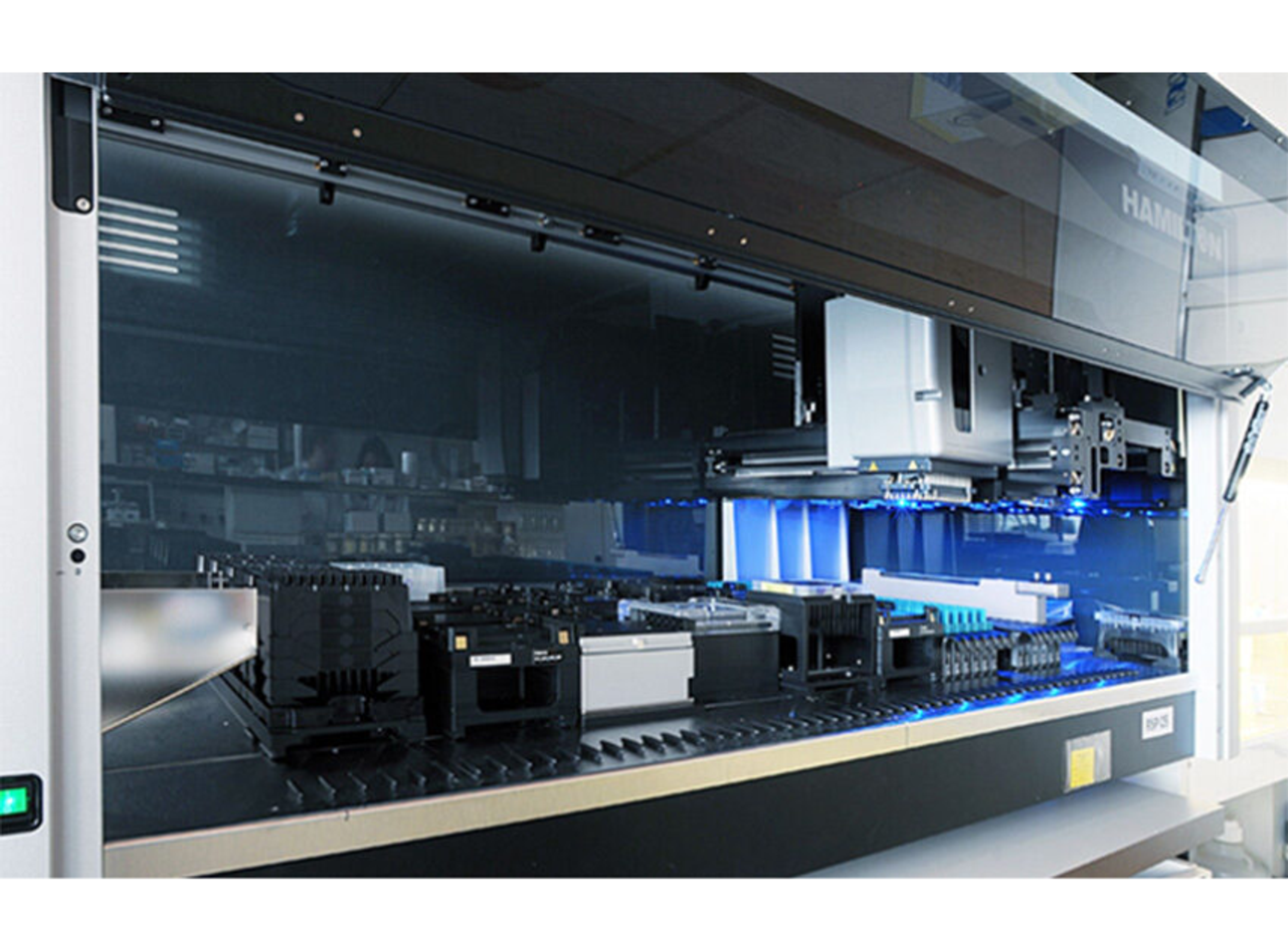
- Scalable and cost-effective: an automated seed, dose, stain, image and analyze workflow suited to screening compound libraries early in discovery.
- Flexible study design: protocols adapted to the client's cell models and research questions.