Ashless Filter Paper
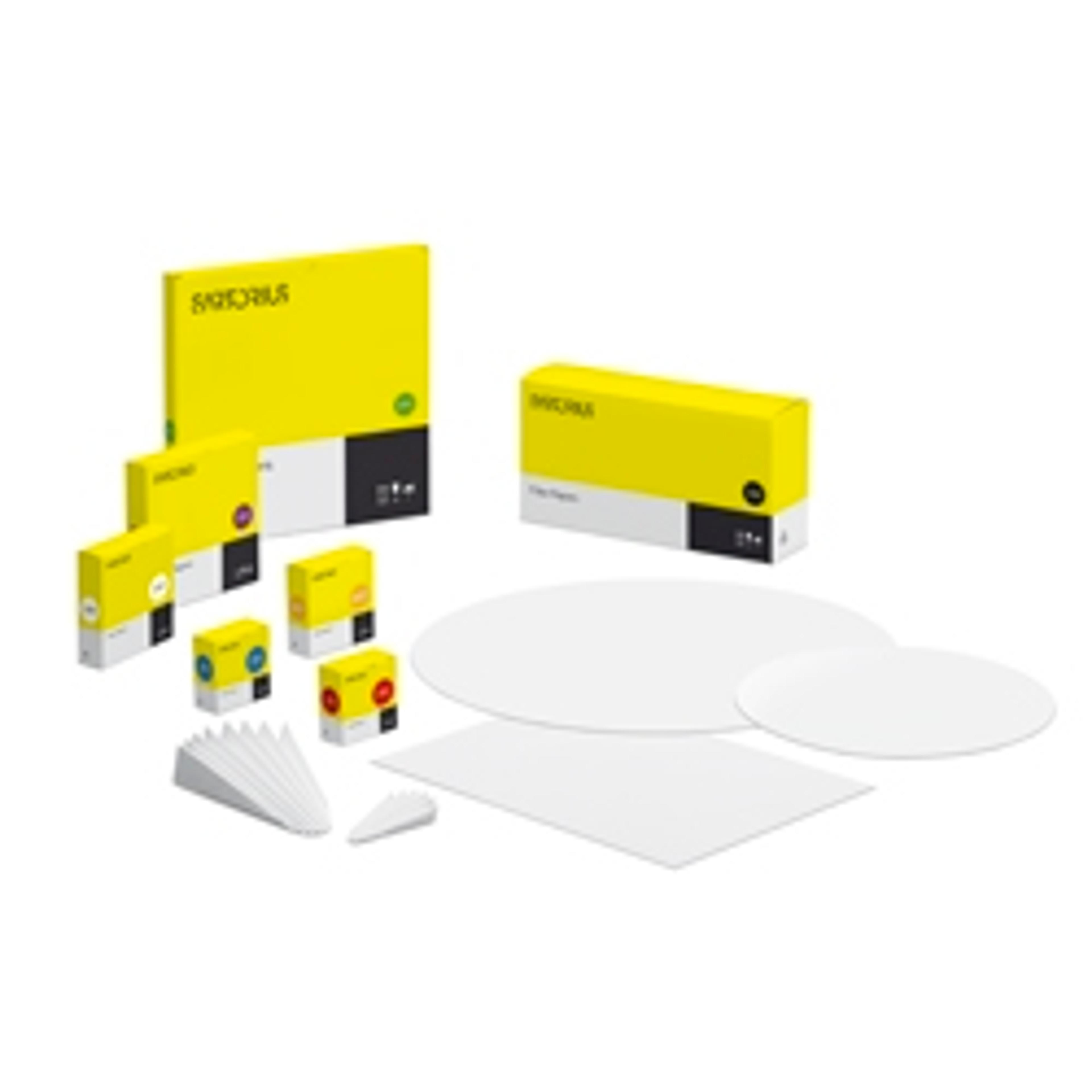
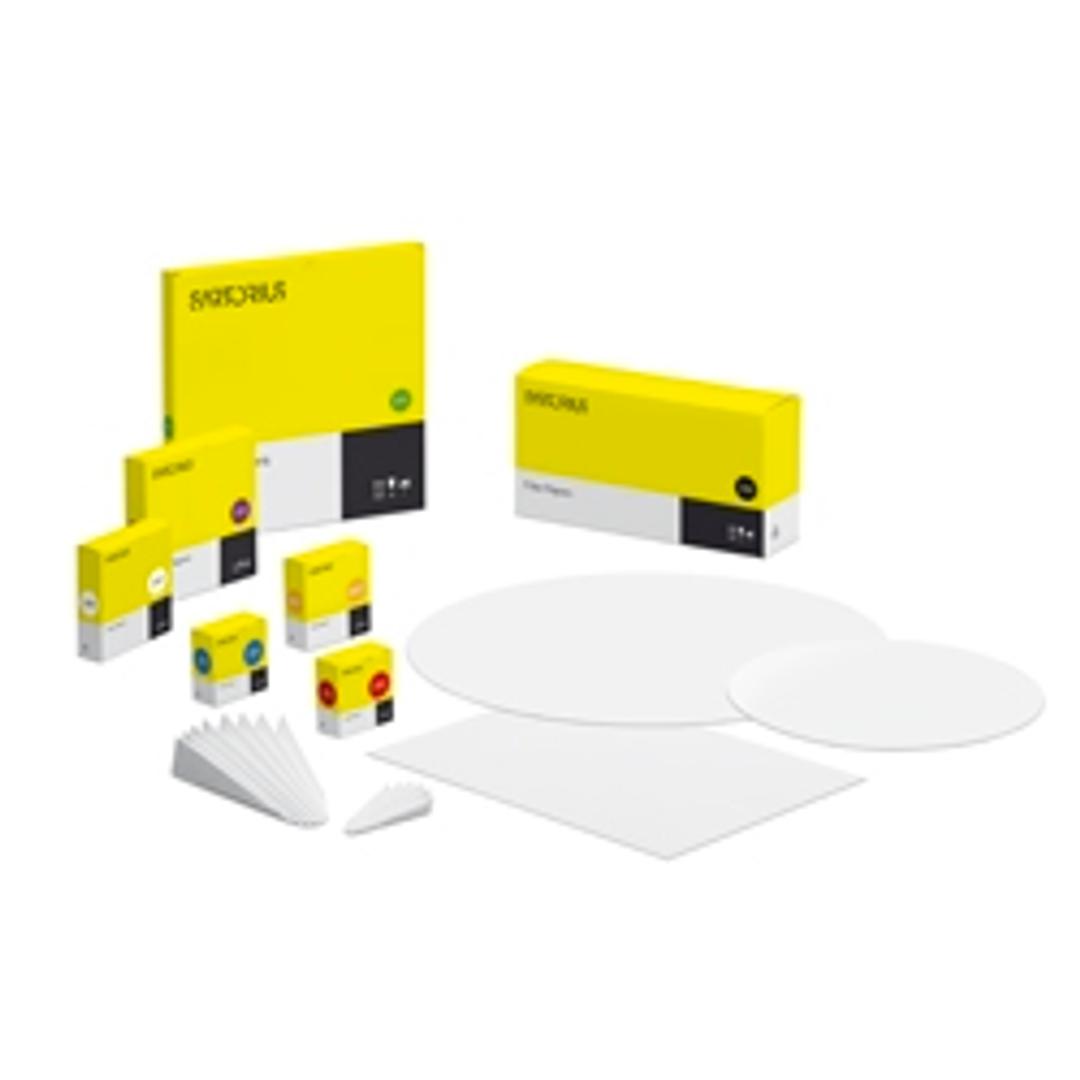
Made out of 100% cotton linters with an α-cellulose content of > 98% and are acid-washed to make the papers ashless and achieve high purity.
Ashless Filter Paper


Made out of 100% cotton linters with an α-cellulose content of > 98% and are acid-washed to make the papers ashless and achieve high purity.


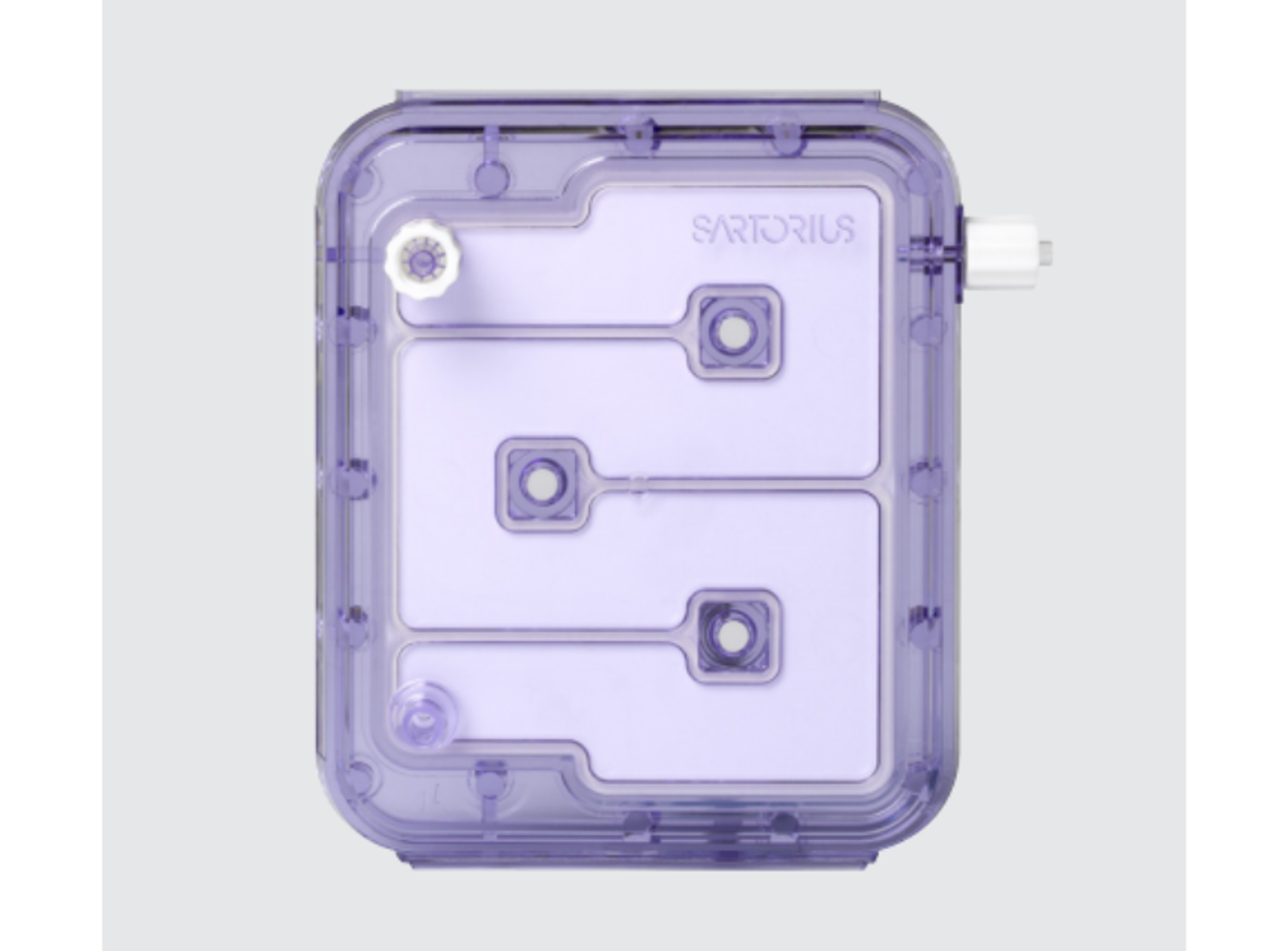
Go Against the Flow: Intuitive, Effortless and Sustainable TFF for the Lab

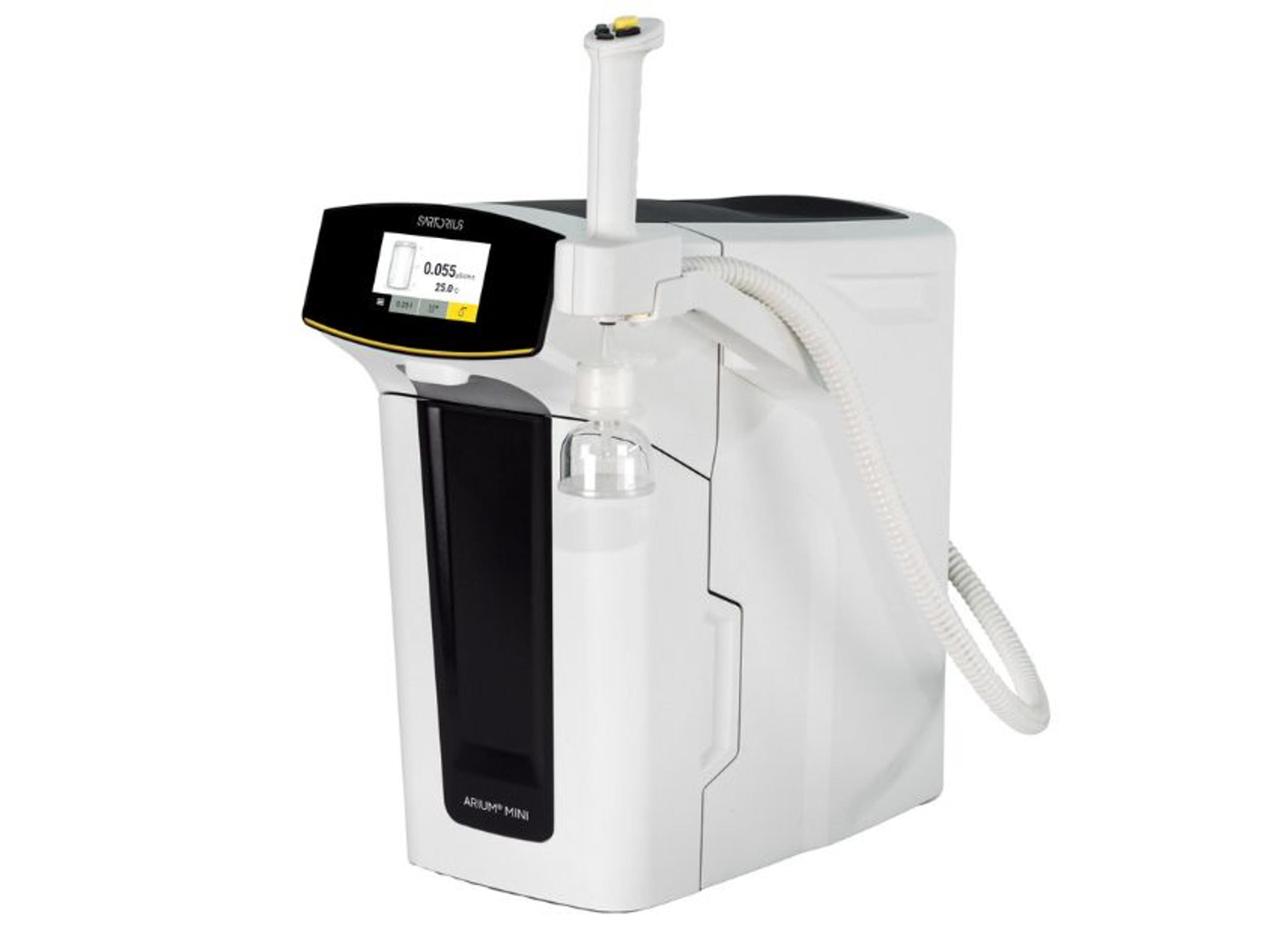
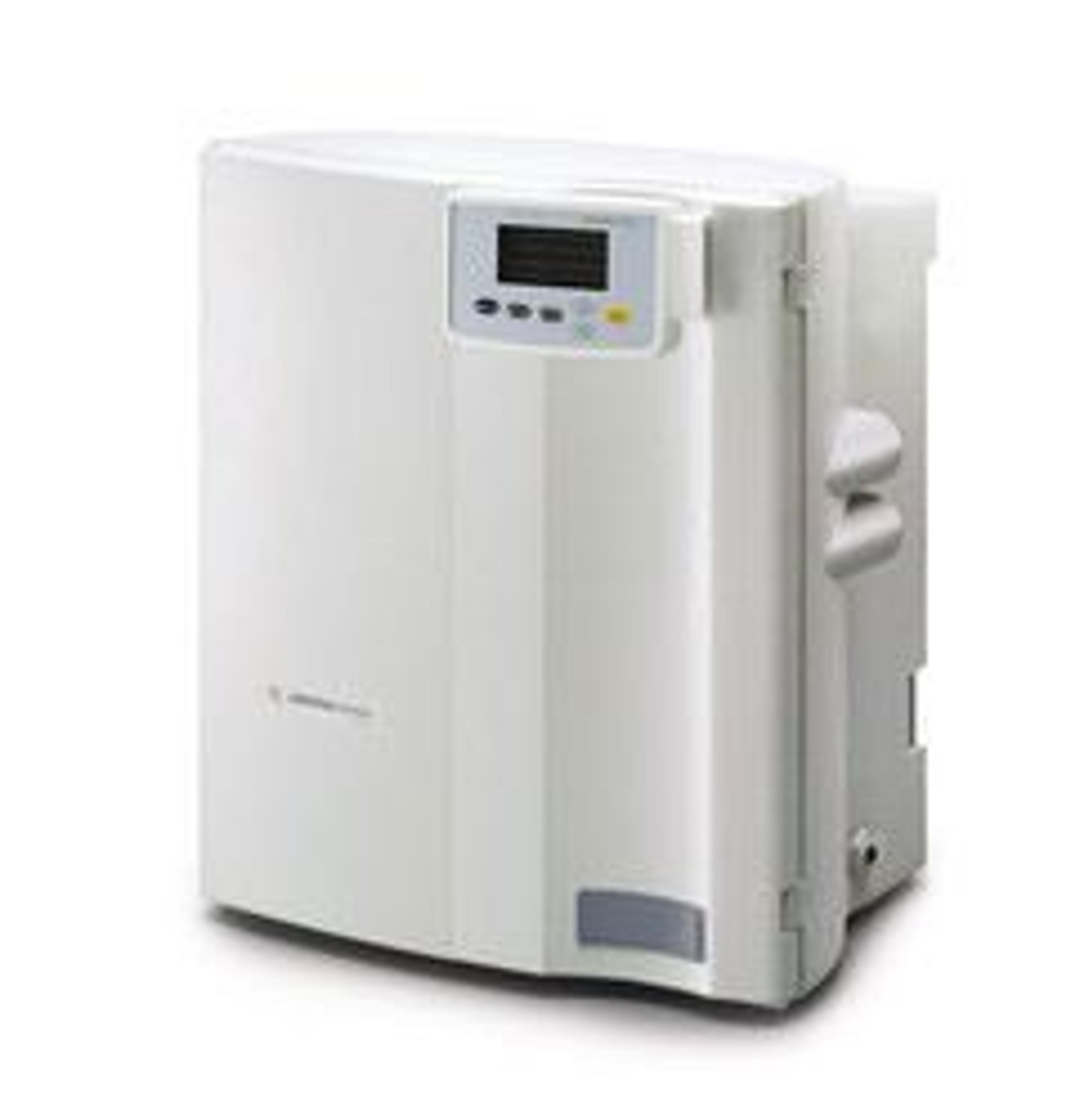
The compact Arium® Mini water purification systems have been designed to meet your Type 1 ultrapure water needs, handling up to 10 liters per day. Experience maximum convenience with the flexible, removable dispensing unit, keeping you ahead in your lab routines.

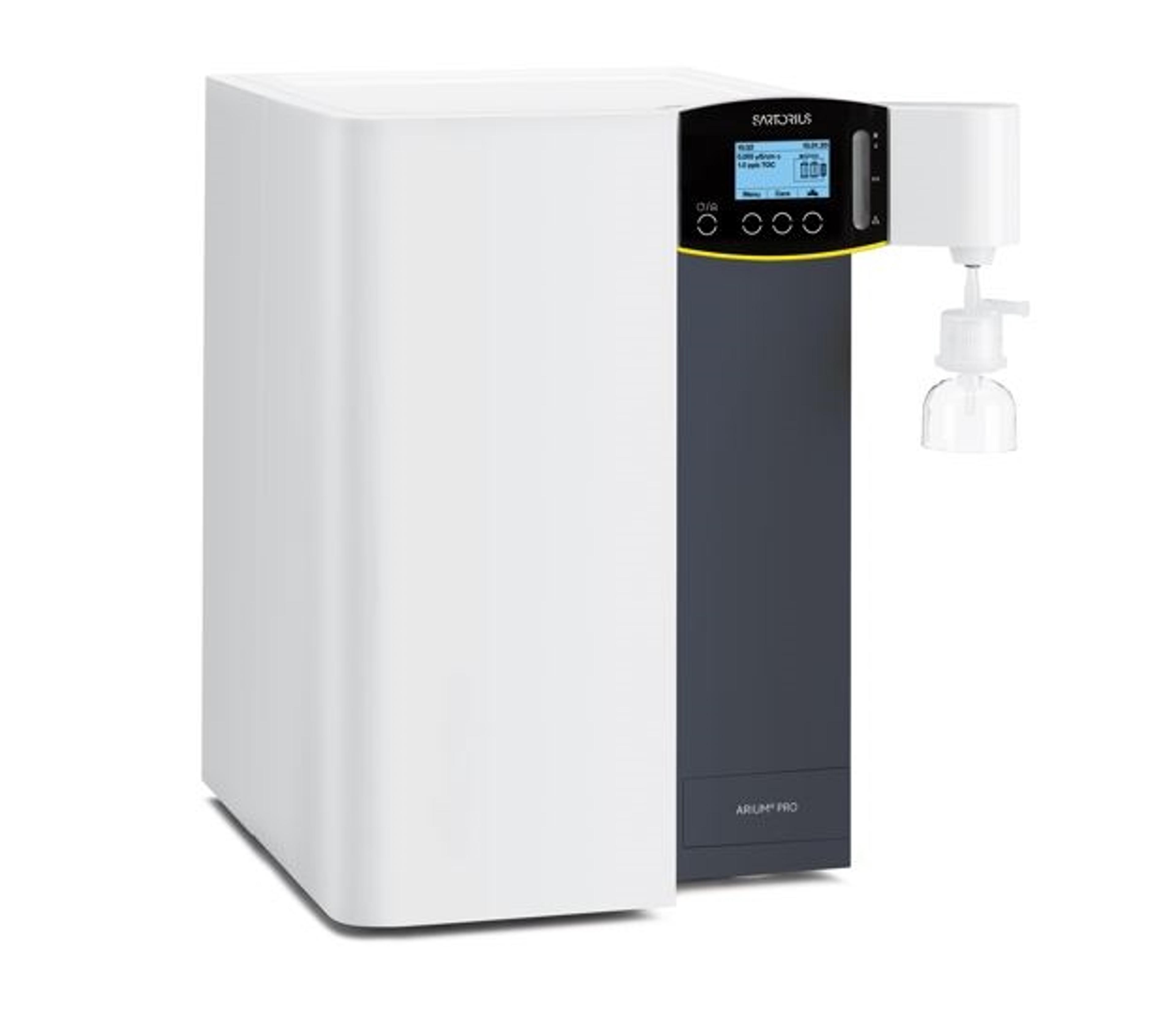
Arium® Pro Type I ultra pure water systems for the production of reagent-grade water needed for critical applications as well as routine analyses. Typical applications are the production of ultrapure water for cell culture or chromatographic applications. The Type I ultrapure water systems are available in four different versions and can be ordered as wall-mounted unit, bench-top system or built-in system. Arium® Pro features a convincing innovative design, quality and ease of use. Sophisticated display and menu functions User can choose between three Comfortable water dispense setups Highly developed electronic features Display and menu functions The innovative glass operator interface with touch function can be operated easily. The intuitive menu navigation with integrated text support is easy to handle. Pre-setting of relevant parameters for documentation, e.g. conductivity feed and product PIN protected menu and service setting Service and alarm functions supported by graphic presentation Color-coded warnings Displays measured values for water (feed water, product water, temperature, total dispended water), system information and count down for next recommended consumable replacement. Integrated totalizer to monitor water consumption Diary function Water Dispense With the manual, volume and time dispensed water control the Arium® pro gives users the greatest possible flexibility in routine applications. A countdown for the remaining amount of water is displayed and the system comes with a volume and time memory function. Manual dispense (stepless from 0,5 up to 2 l/min) Volume dispense (0,1 – 60 l) Time dispense (30 sec – 59 min) Electronic features for data backup and display Arium® Pro automatically measures the conductivity of feed and product water. These and other parameters can be displayed continuously or directly on a PC or printer and can be saved on a SD card as well. Related products Arium Smart Station Arium® Mini

Type II pure water systems for the production of ASTM type II water for general laboratory applications. With the combination of reverse osmosis, softening and electronic | chemical desalting the arium® EDI 61215 type II pure water system guarantees constant water quality. The device is available with different volumes and as benchtop or built-in system. Four line alphanumerical display Electronic features for data saving and display Cost saving technologies Display and menu functions The large, understandable, easy-to-read display with its intuitively operated keypad lets you retrieve important information and data fast. The compact design and the flexible, height adjustable display allows the system to be used on the bench top, mounted on the wall or under bench system. Displays product and feed water quality Rejection rate of RO modules Tank-level Temperature Electronic features for data backup and display The system has a RS 232 serial interface to send data to a printer and PLC interface for external communication. Cost saving technologies The use of proven Ionpure® EDI technology guarantees the highest quality of reagent grade water (ASTM type 2). The arium® EDI 61215 purification procedure that combines reverse osmosis, softening and electronic | chemical deionization enables nearly maintenance-free and inexpensive supply of pure water. The high effective RO membranes reduce loss of water, ensuring excellent quality of the purified water and a high retention rate of the constituents in the raw water. Automatic RO-membrane-back-flush with RO-permeate to protect the modules from scaling Continuous and automatic regeneration of the EDI stack eliminates the need to change used ion exchange resins Easy to change pre-treatment cartridge and RO-modules EDI-Technologie The main component in the arium® 61215 EDI System is the EDI stack with Ionpure® Technology. It is fed with RO-water which is deionized while being lead through a transverse DC electrical field. A typical EDI device contains alternating semipermeable anion and cation ion-exchange membranes. The chambers between the membranes are configured to create liquid flow compartments with inlets and outlets. When the compartments are subjected to an electrical field, ions in the liquid are attracted to their respective counter-electrodes. Within each cell there are 2 types of chambers: A dilute chamber through which water is fed for deionization and filled with a mixture of cation and anion exchange resins. This chamber is located between the anion membrane facing the anode and the cation membrane facing the cathode. The anion membrane is designed to allow only the migration of anions and the cation membrane allows the migration of only cations. A concentration chamber which is used to collect unwanted ions. This chamber is bounded by the anion membrane facing the cathode and cation membrane facing the anode. Attracted by the charge of their respective electrodes, the ions migrate in a steady stream through the cation- and anion membrane. The negatively-charged anions (e.g., Cl-) are attracted to the anode (+) and repelled by the cathode (-). The concentration of ions in the concentration chamber increases relative to the feed. In the concentrate stream, electrical neutrality is maintained. Transported ions from the two directions, bounded to hydrogen and hydroxyl ions, neutralize one another’s charge. This production and migration of hydrogen and hydroxyl ions is the mechanism that continuously regenerates the resin.

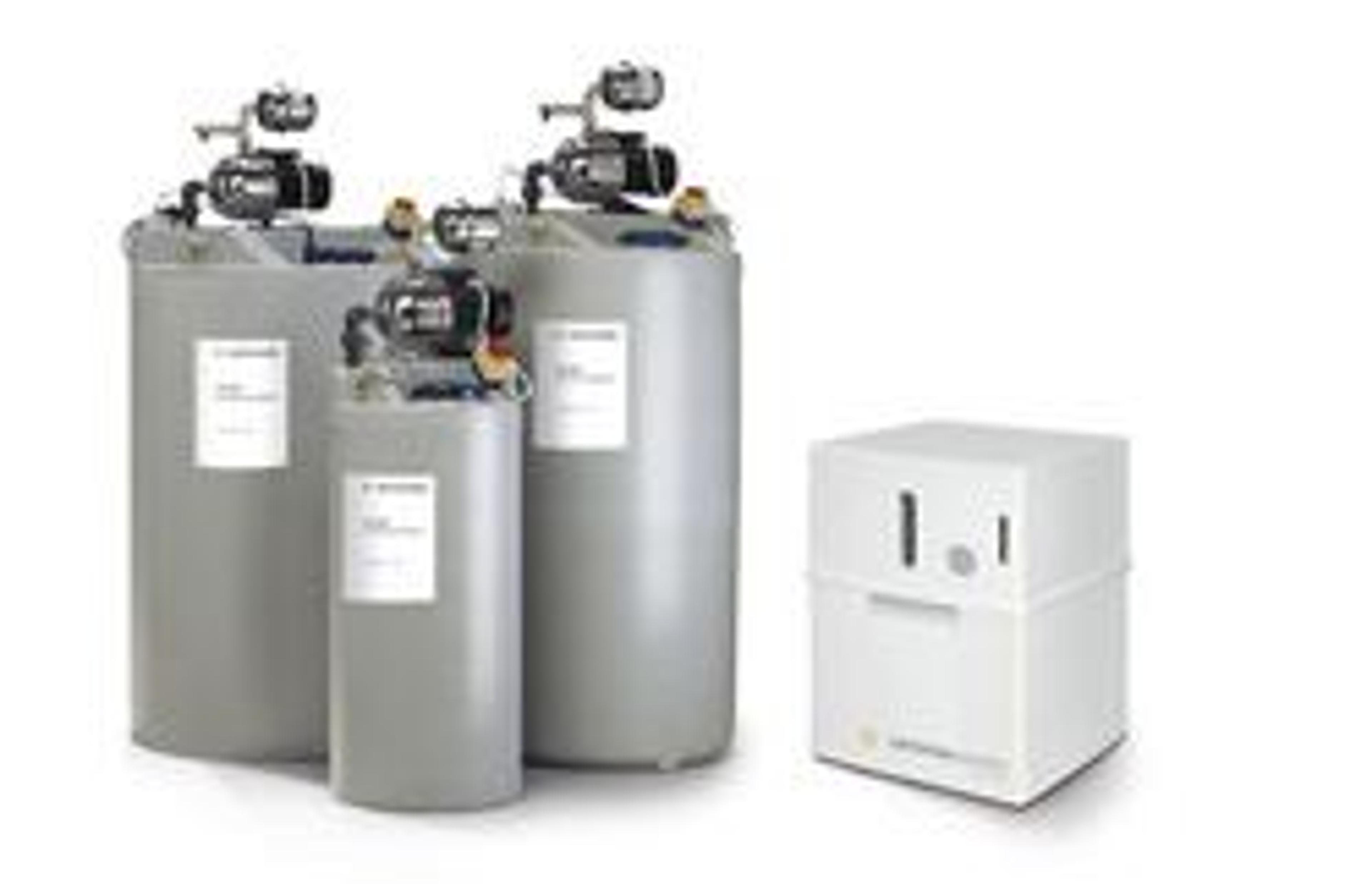
Type III pure water systems for the production of RO-Water for general laboratory applications and for applications requiring large volumes of RO water on demand. The efficient RO-membranes reduce water wastage and provide excellent product water quality. The compact arium® RO 61316 type III pure water system is the ideal choice for daily laboratory applications, the arium®613L reverse osmosis (RO) system is suited for applications with a high water consumption. Advanced filtration characteristics Compact and robust design Tank system Four line alphanumerical display Electronic features for data saving and display Cost saving technologies

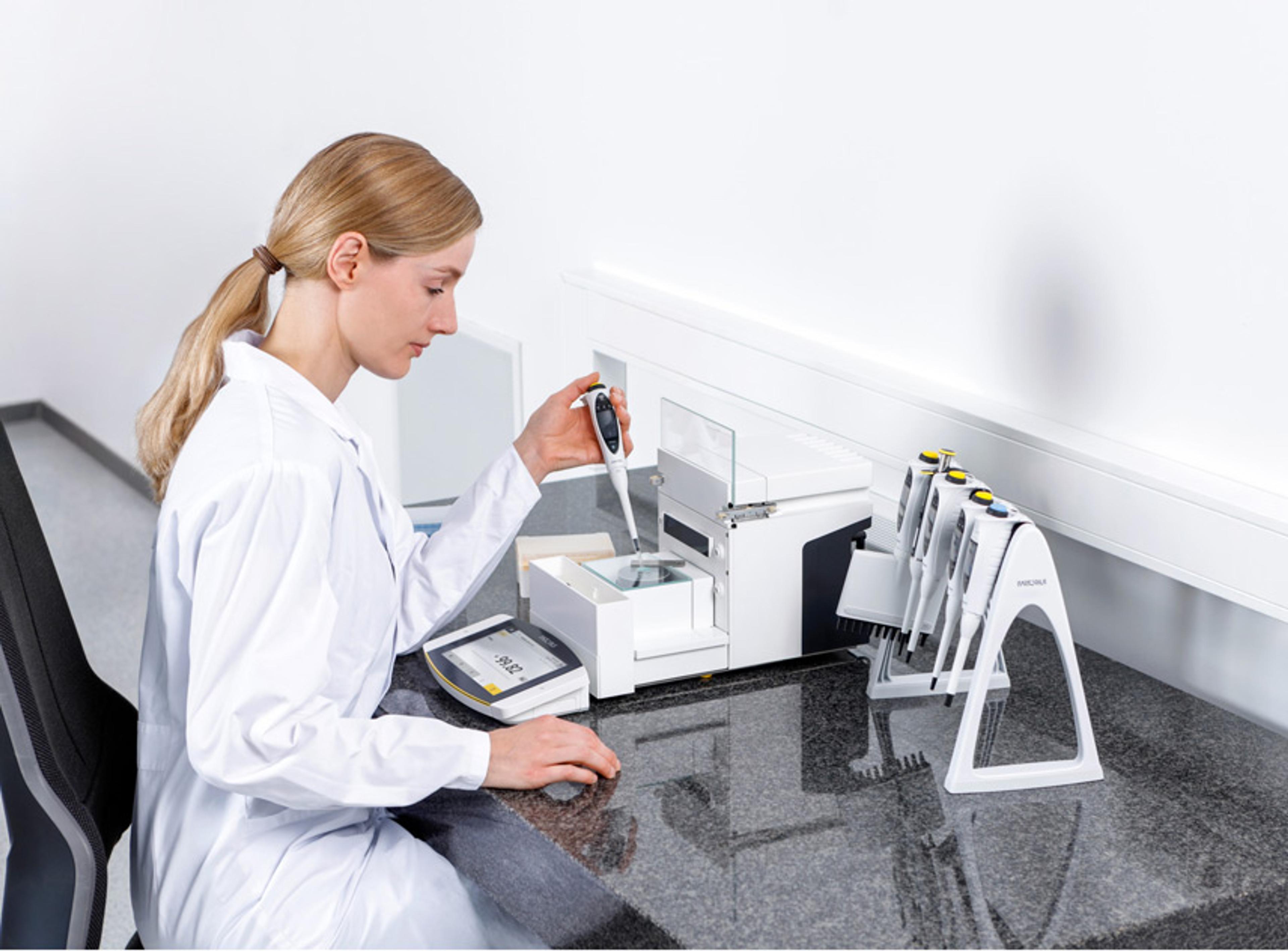
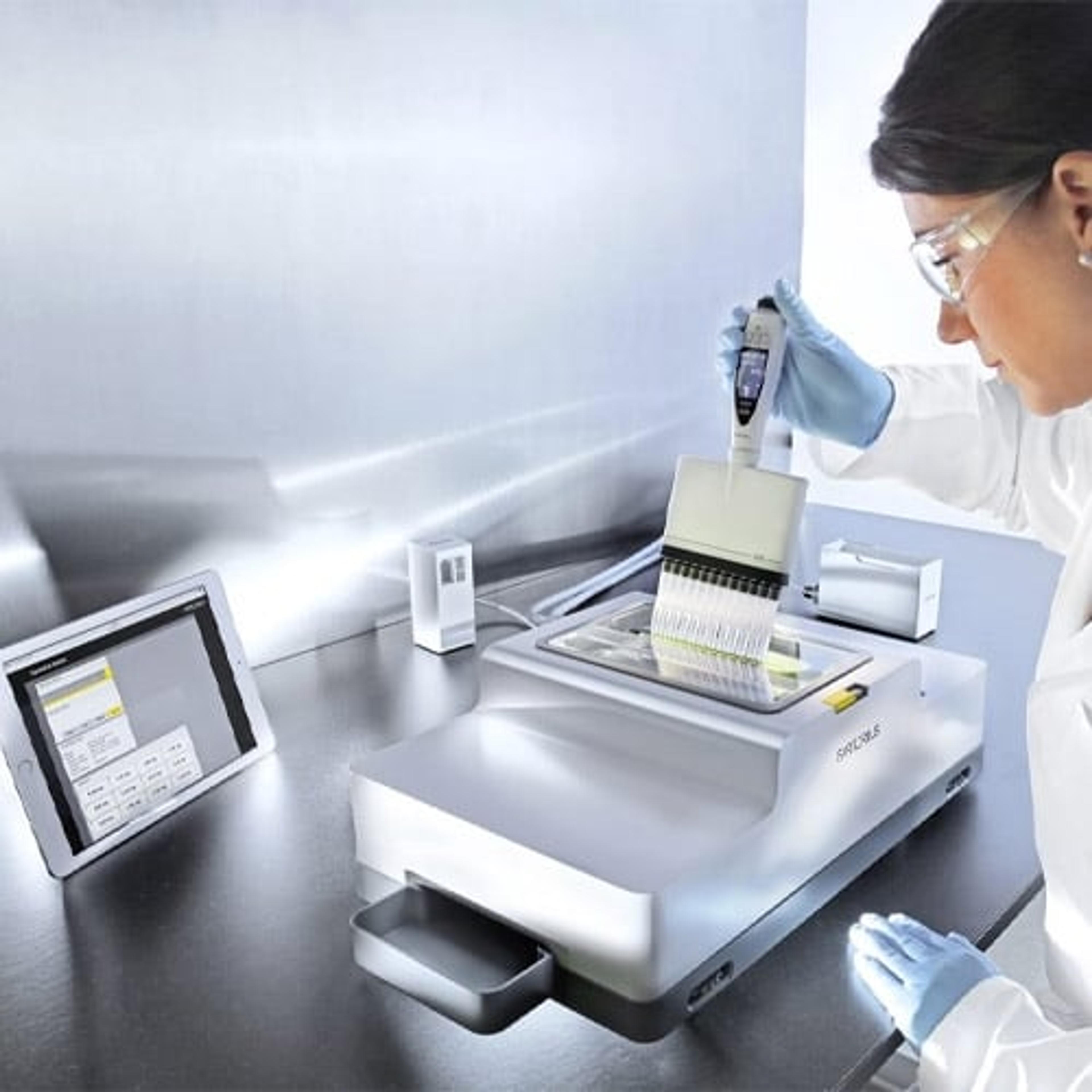
Calibrate your 12 channel pipettes in just 8 minutes

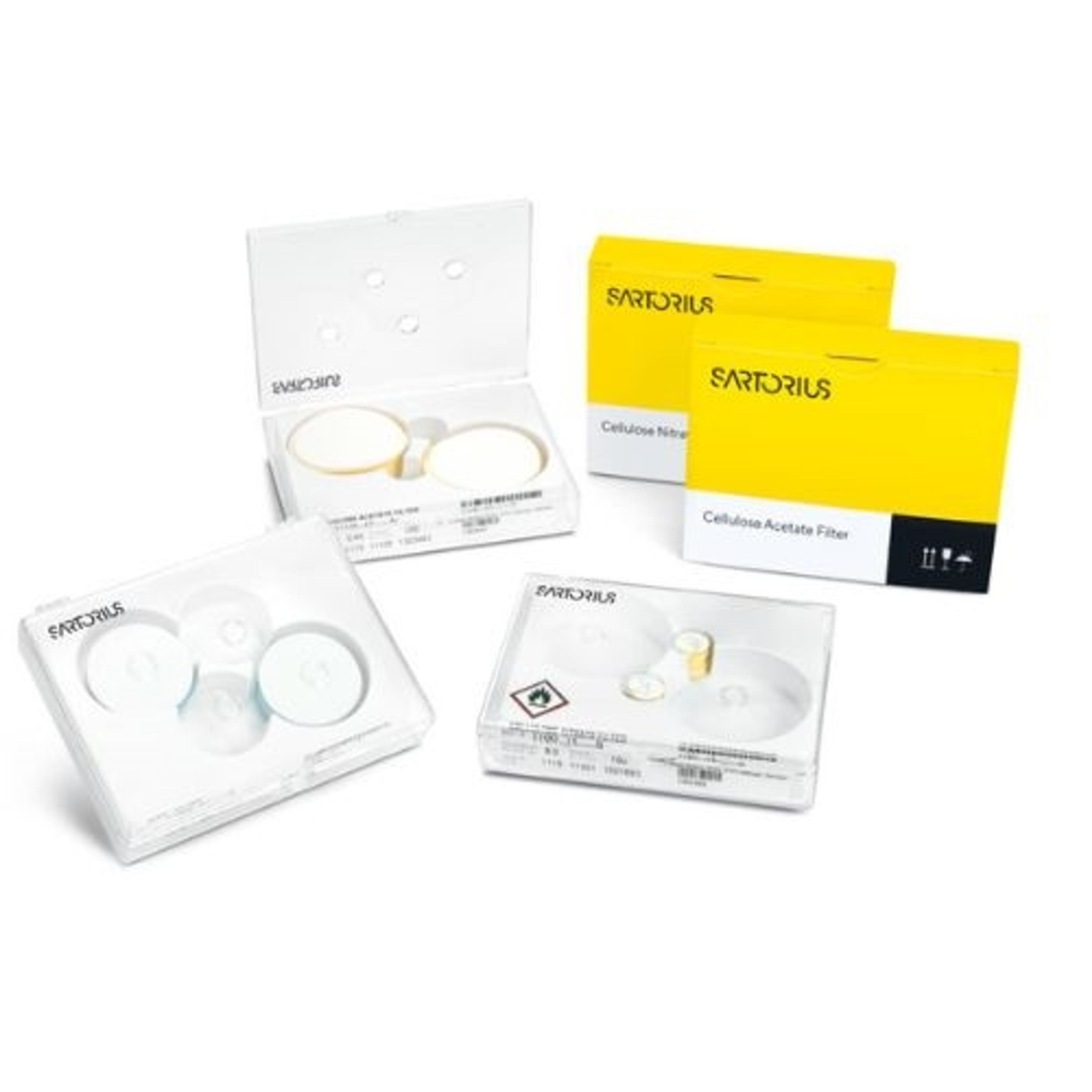
Sartorius produces a wide variety of microporous membranes especially designed, developed and manufactured to meet differing needs in the biotechnology industry. Backed up by decades of experience in membrane manufacturing and utilizing the most state-of-the-art production equipment on the market, we guarantee excellent performance, consistent quality and a reliable supply of membrane products.

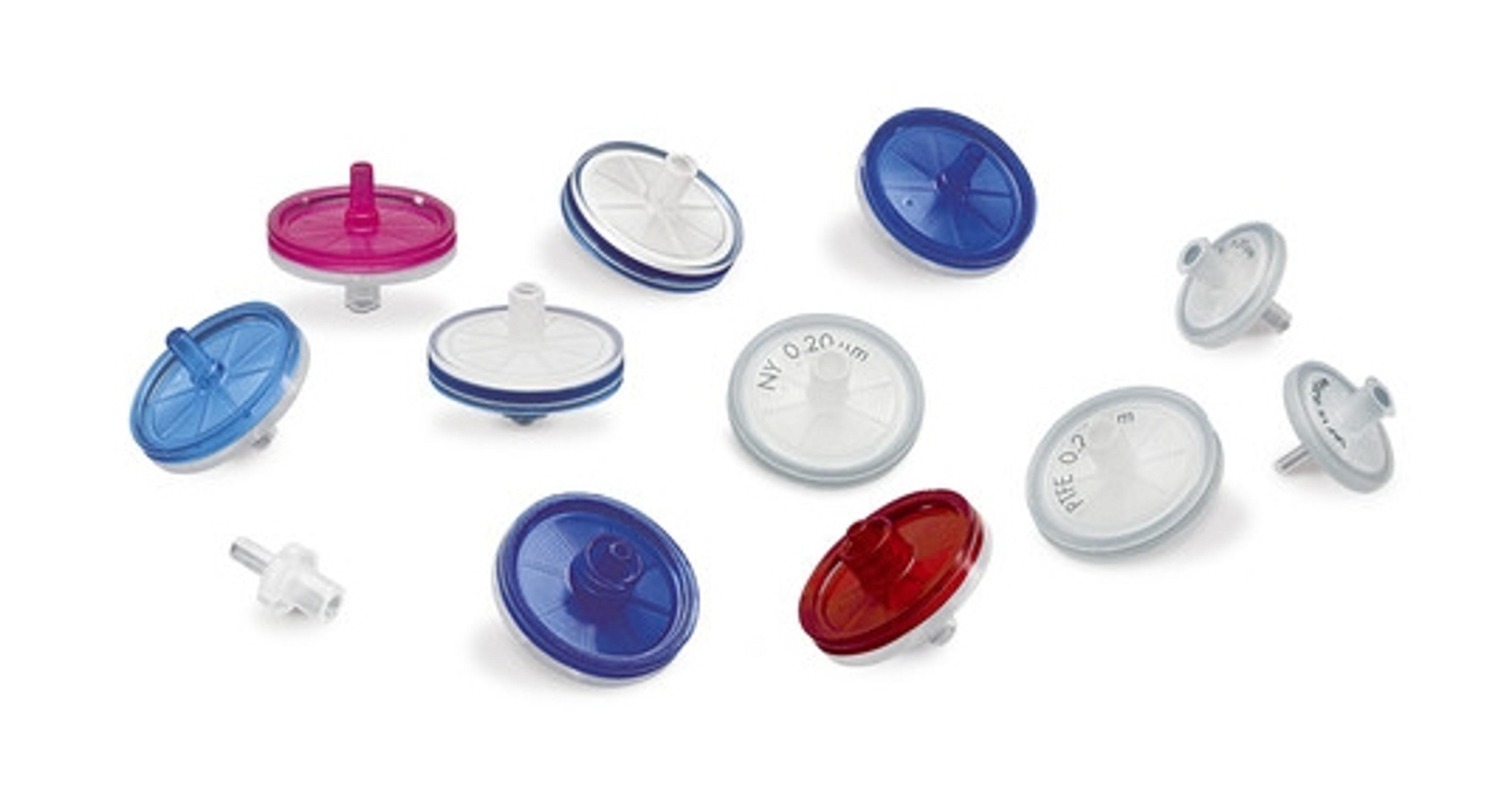
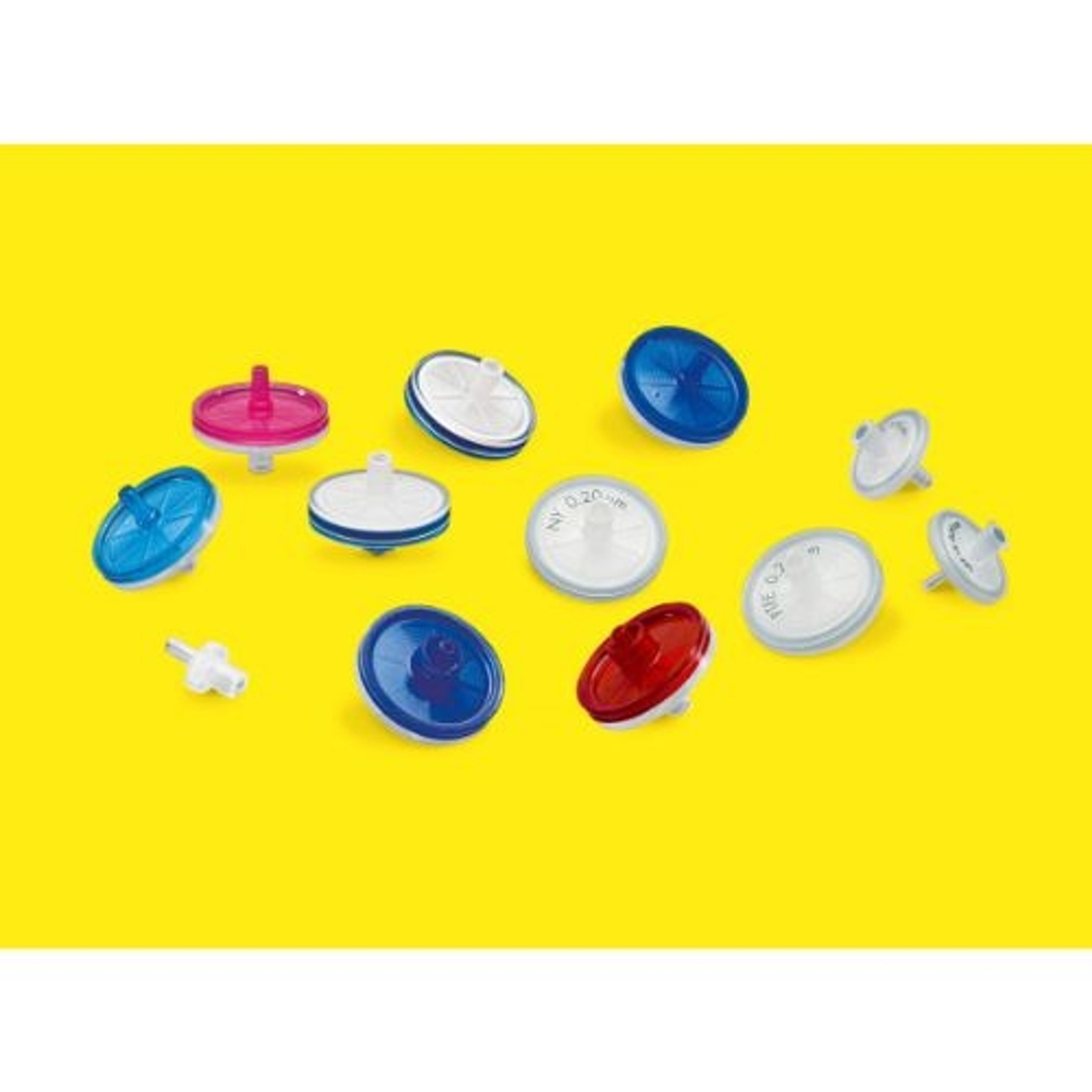
Reliable removal of microorganisms and particles from liquids with Minisart® syringe filters. Typical applications are clarification, sterile filtration, sample preparation and medical applications. The syringe filters are available in many different pore sizes and with hydrophilic or hydrophobic membrane materials.

Elimination of particles from your samples prior to HPLC or other chromatographic analysis is essential in order to maintain the integrity of your chromatography column and to maximize its operating life time. Minisart® syringe filters optimized for sample preparation consist of a PP housing and membrane components featuring maximum chemical compatibility and minimum extractables to ensure excellent results.

Glass microfibre extraction thimbles for critical extractions, such as the separation of minutest particulate matter from dust, aerosols, gas or air streams. The extraction thimbles are manufactured from 100 % borosilicate glass and are thermally stable up to 500 °C. The inner diameter, outer length, round bottom and wall thickness of the glass microfibre thimbles are defined according to the norm DIN 12449.

Quartz microfibre extraction thimbles, especially suited for emission monitoring. The extraction thimbles are manufactured free of glass fibres and binding agents and are thermally stable up to 900 °C. The inner diameter, outer length, round bottom and wall thickness are defined according to the norm DIN 12449. The quartz microfibre extraction thimbles are filters of highest purity.

Glass microfibre filters without binder for clarification of buffer, reagent and protein solutions, air monitoring, as well as gravimetric and wastewater analysis. They can also be used as a prefilter. The glass microfibre filters without binder are made of 100 % borosilicate, are highly pure and extremely white. They continue to perform over long periods unlike cellulose filters whose rate of filtration drops off rapidly as the particulate load increases.

Glass microfibre filters with binder for air and gas monitoring, emission testing and smoke measurement. They can also be used as prefilter. The glass microfibre filters with binder are produced with synthetic binders to make them chemicaly and mechanicaly resistant and either hydrophobic or hydrophilic.