Antibodies for Tumor Marker Antigens
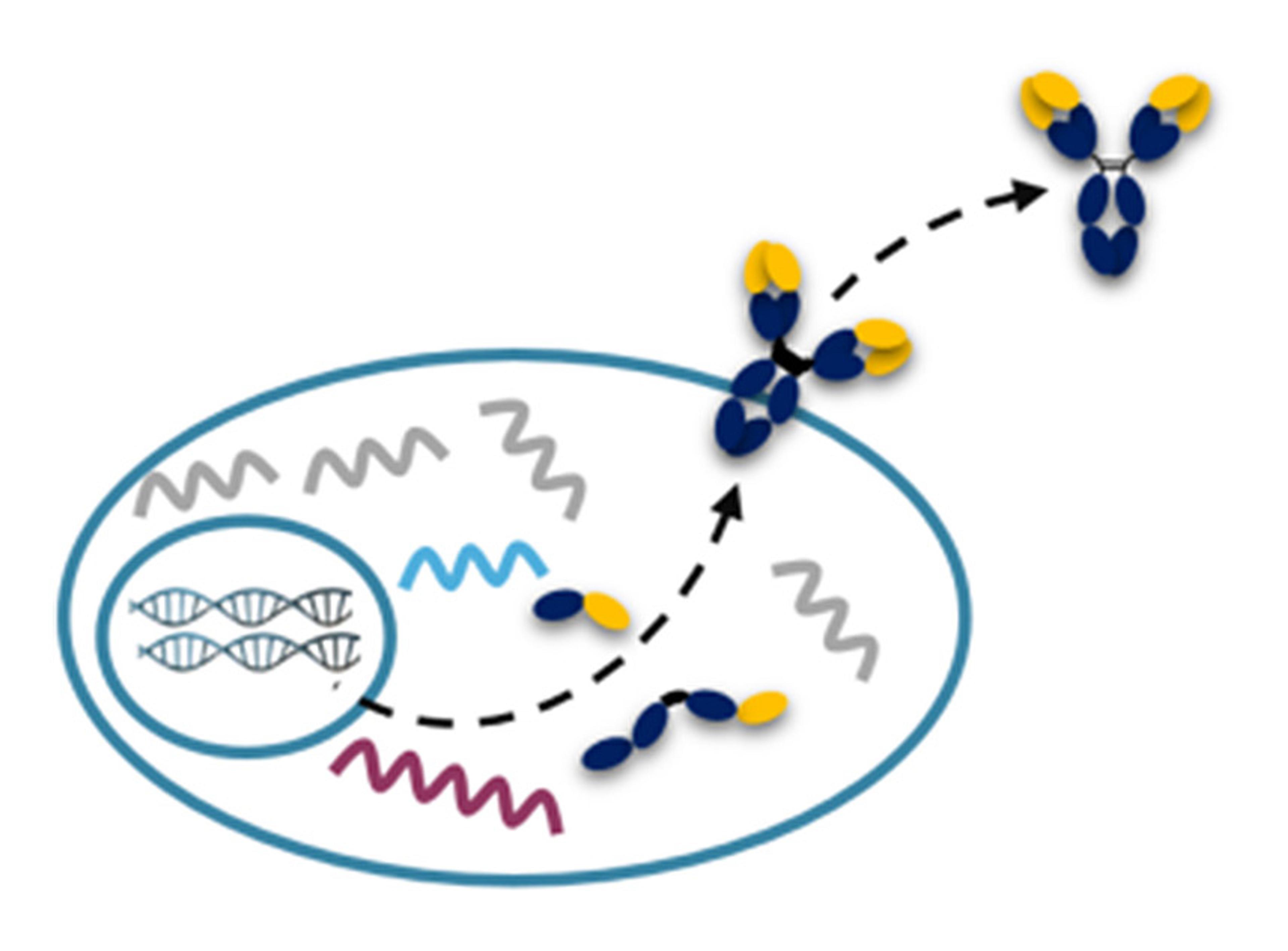
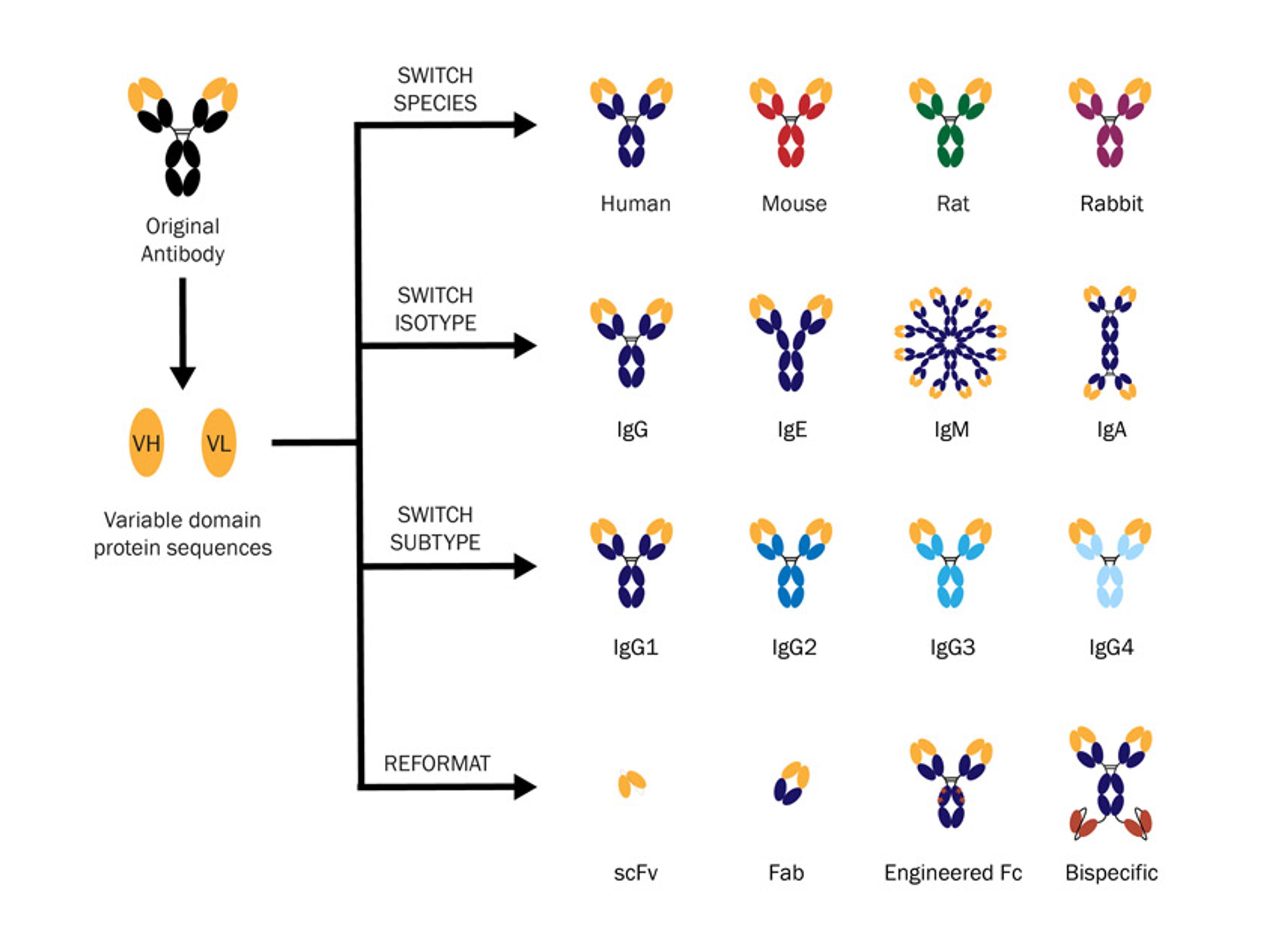
Absolute Antibody offers a large catalog of 75+ tumor marker antigen antibodies, including anti-TAA (tumor associated antigens) and anti-TSA (tumor specific antigens). Absolute Antibody recombinant antibody technology and antibody engineering has been used to generate different engineered formats of these antibodies for all your experimental needs.

Place your order directly with the manufacturer.
Highlights of our tumor marker antigens include:
- Engineer antibodies into any species and with any effector function
- Fc Silent™ formats help to eliminate antibody directed cytotoxicity (ADCC) effector function of Fc receptors
- Create bispecific antibodies on human or mouse background
- Recombinantly produced to ensure batch-to-batch reproducibility
- Low endotoxin levels and high purity for in vivo and in vitro research

Bispecific ADCs targeting the cancer, not the patient
Tuesday, July 28 at 15:00 BST | 16:00 CEST | 10:00 EDT | 07:00 PDT
Bispecific antibody-drug conjugates (ADCs) represent an emerging frontier in targeted cancer therapy, combining the precision of antibody-based targeting with the potency of cytotoxic payloads. By recognizing two distinct tumor-associated markers rather than one, bispecific ADCs can improve tumor selectivity, helping to distinguish cancer cells from healthy tissue and potentially reducing off-target effects. As the field advances, researchers are exploring innovative approaches to address longstanding challenges in efficacy, safety, and patient outcomes, making bispecific ADCs a rapidly growing area of interest in oncology research and drug development.
This SelectScience webinar introduces BiVictriX Therapeutics and its role as an early pioneer in bispecific, logic gated, ADCs. It will cover how ADCs are reshaping targeted cancer therapy and why bispecific targeting offers a route to improved tumor selectivity and reduced off-tumor toxicity. The presentation will also explore the key steps to take when designing a bispecific ADC, including target selection, antibody format, linker strategy, and payload choice, and how these decisions influence efficacy, safety, and clinical potential.