AlphaLISA
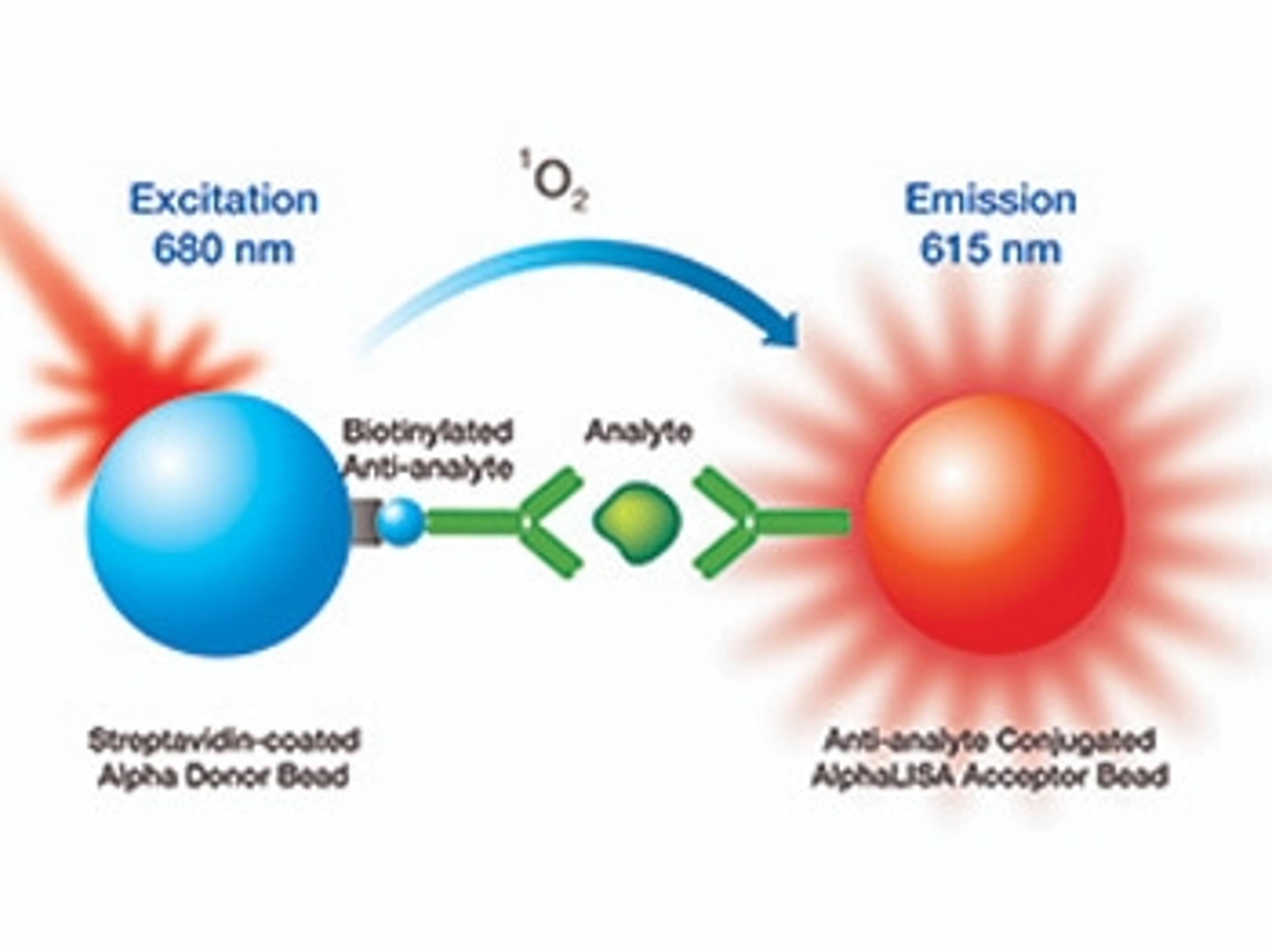
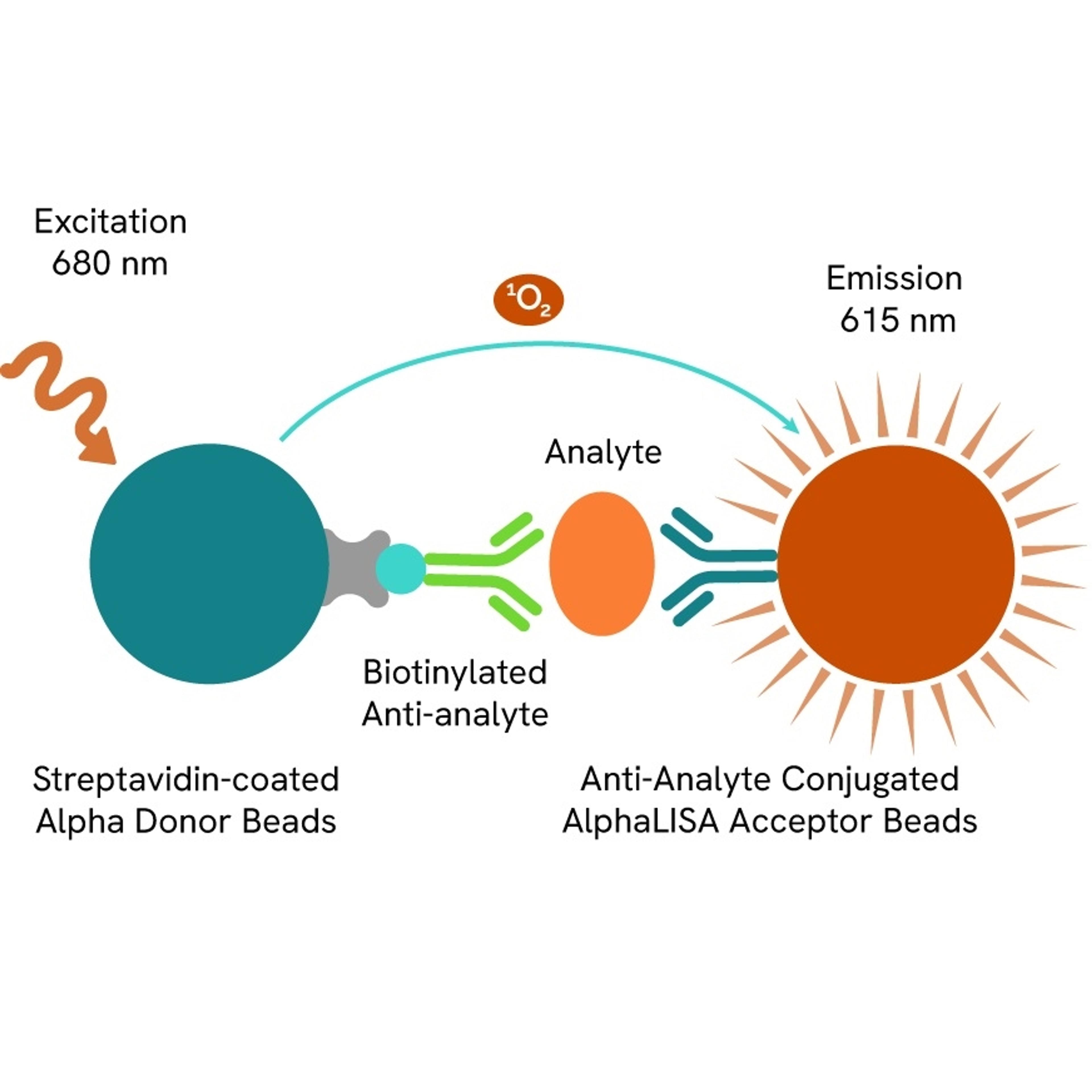
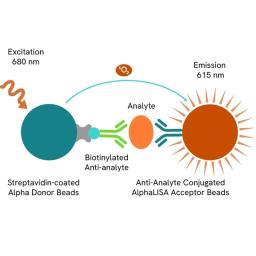
Alpha is a bead-based, no-wash luminescent technology. When Alpha Donor and Acceptor beads are brought together through binding to target, a cascade of chemical reactions is set in motion, creating an amplified signal. These versatile beads are conjugated with various biomolecules that enable detection of unique biological events, offering maximum flexibility.
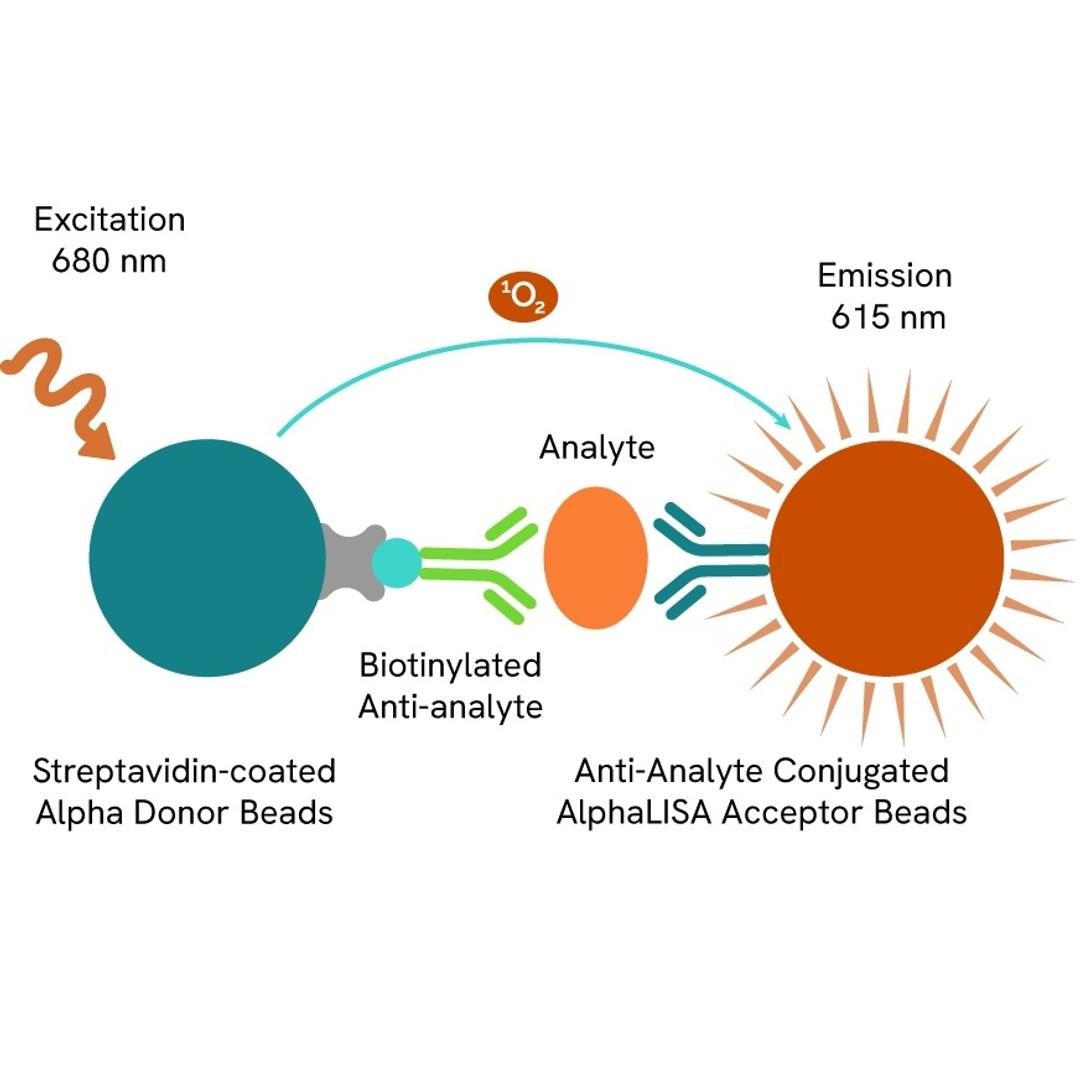



The supplier does not provide quotations for this product through SelectScience. You can search for similar products in our Product Directory.
IL6 and IL10 quantification
We used the IL6 and IL10 AlphaLISA kits for a medium throughput screen and found the assays to be fast, easy and highly reproducible.
Review Date: 16 Jan 2015 | Revvity
Alpha technology is compatible with a wide range of sample types ranging from simple buffers, cell supernatants, and cell lysates to complex tissue, serum, plasma, and other biological samples.
Alpha offers benefits including:
- Faster time to results
- Ability to quantitate large protein complexes, nucleosomes, and viral particles
- Option for multiplexing
Virtually any target can be quickly and easily measured using Alpha technology, an improved alternative to quantitative ELISA assays and ELISA reagents. Such targets include enzymes, receptor-ligand interactions, low-affinity interactions, second messenger levels, DNA, RNA, proteins, protein-protein interactions, peptides, sugars and small molecules.
- Ease-of-use: homogeneous assay with no wash requirement and no separation steps
- Fast: results in 3 hours for most applications
- High sensitivity: detect down to femtogram levels of target
- Large dynamic range: 4-5 logs
- Compatible with many samples types: serum, plasma, cerebrospinal fluid (CSF), tissue extracts, cell culture supernatants, cell lysates, and more
Choose the homogenous assay right for you:
- AlphaLISA® – when running large numbers of ELISA assays from the same sample or working with a difficult matrix, serum or plasma
- AlphaLISA SureFire®Ultra™ – an excellent choice for studying pathways or phosphorylated proteins in whole cells, or studying endogenous receptors
- AlphaScreen® – perfect for studying fusion-tagged proteins or protein-protein interactions, and for testing cAMP, phosphorylated peptides or samples in a simple matrix
- Alpha Toolbox – when your target doesn’t have an off-the-shelf quantitative ELISA assay, the toolbox gives you everything you need to create your own
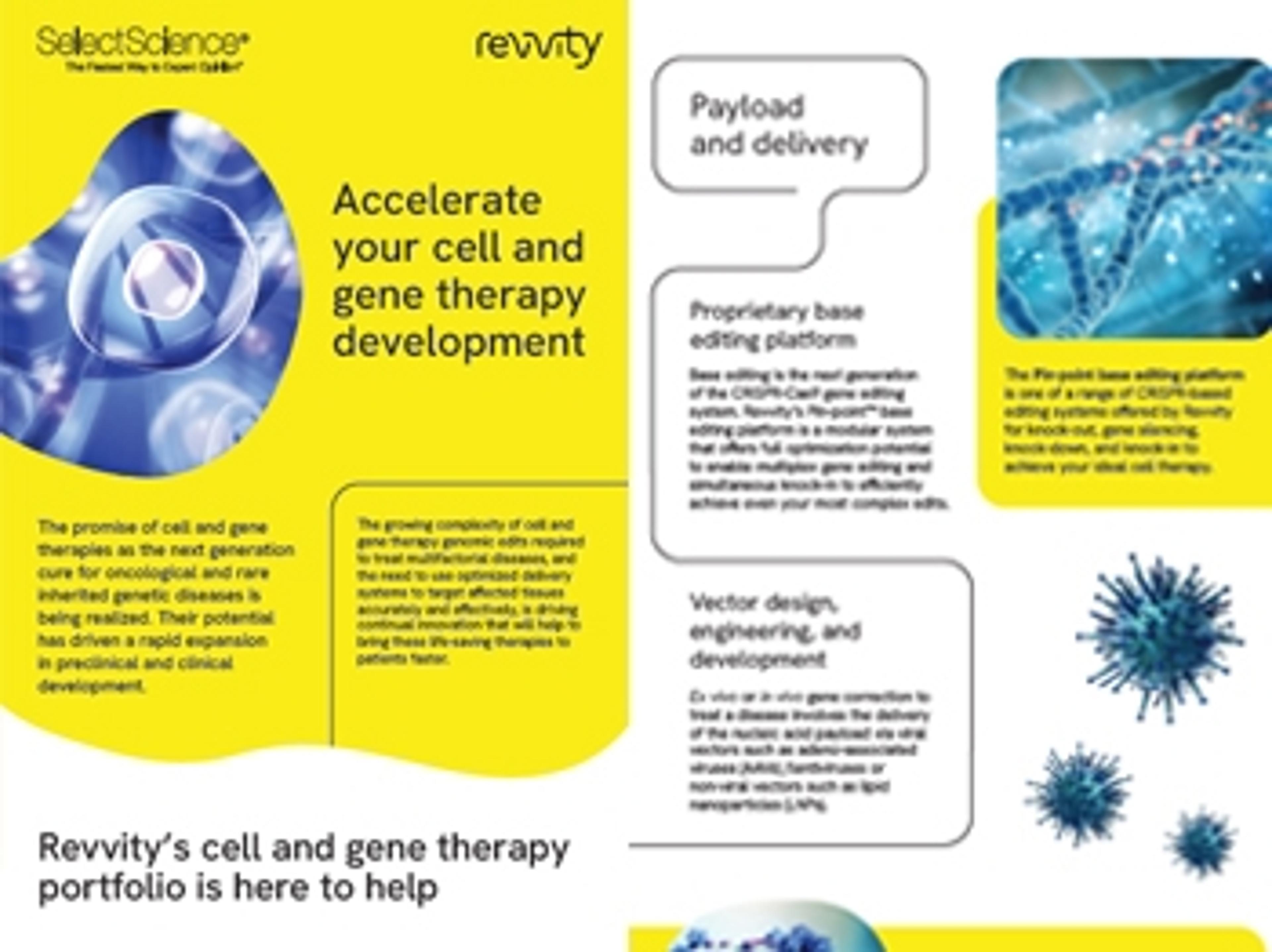
Accelerate your cell and gene therapy development
The promise of cell and gene therapies as the next generation cure for oncological and rare inherited genetic diseases is being realized. Their potential has driven a rapid expansion in both preclinical and clinical research and development.
The increasing complexity of cell and gene therapy genomic edits required to treat multifactorial diseases, and the need for precision-targeted delivery systems, is driving continual innovation aimed at expediting the availability of these life-saving treatments to patients.
This infographic provides an overview of Revvity's comprehensive cell and gene therapy solutions, emphasizing the role of innovation and automation in streamlining the therapy development workflow.

Comparison of Epithelial-Mesenchymal Transition Biomarker Expression in 2D Monolayer and 3D Spheroid Cultures in a Prostate Cancer Cell Model
The data presented in the following application note illustrates how AlphaLISA can be used to compare the differences in protein expression levels and in cellular tolerance for compound treatment between a human prostate cancer cell line grown in monolayers and those same cells grown in 3D spheroids.
Simultaneous Detection of Total and Phosphorylated Protein in Cellular Kinase Assays using Alpha SureFire Ultra Multiplex Technology
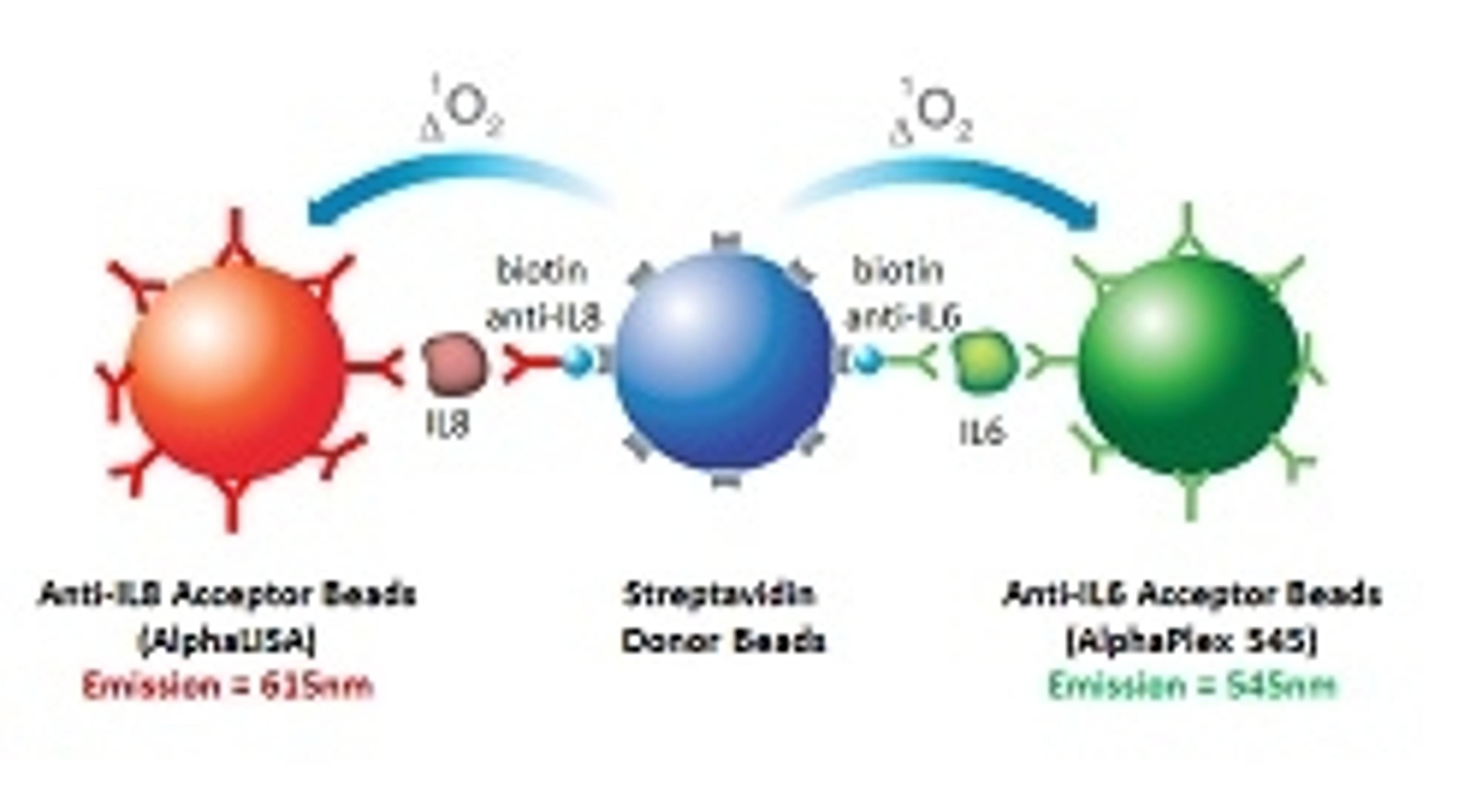
Cellular kinase signal transduction pathways are involved in the regulation of many important cellular processes such as, cell survival, differentiation, and apoptosis. Numerous assay technologies have been developed for studying kinase signaling pathways, and for screening compound libraries in search of agents to modify receptors or kinase activities. Alpha SureFire® Ultra™ Multiplex Phospho and Total assays utilize two types of Alpha Acceptor beads to simultaneously measure two signals from each assay well to easily normalize the assay. This application note demonstrates the benefit and utility of normalizing the assay signal of phosphorylated protein levels to total protein levels in two different cellular models.
Comparison of EMT Biomarker Expression in 2D Monolayer and 3D Spheroid Cultures in a Prostate Cancer Cell Model
Epithelial-mesenchymal transition (EMT) is characterized by rearrangement of the extracellular matrix (ECM) and differential regulation of ECM proteins. This study illustrates the differences in protein expression levels and in cellular tolerance for compound treatment between a human prostate cancer cell line grown in monolayers and those same cells grown in 3D spheroids.
New Validated and Optimized Epigenetics Tools
Learn about new offerings for epigenetics research in this interview with PerkinElmer at SBS 2011. Products include 3H-SAM assays for direct methylation measurement, and LANCE® Ultra and AlphaLISA assays to detect methylation or acetylation states of proteins and peptides. New detection assays and much anticipated cell-based assays for epigenetics are also discussed.

PerkinElmer helps accelerate gene therapy research with industry-first ready-to-use viral vector assays
Streamlined workflows aim to shorten research and development for novel therapies to combat diseases like cancer and Alzheimer's
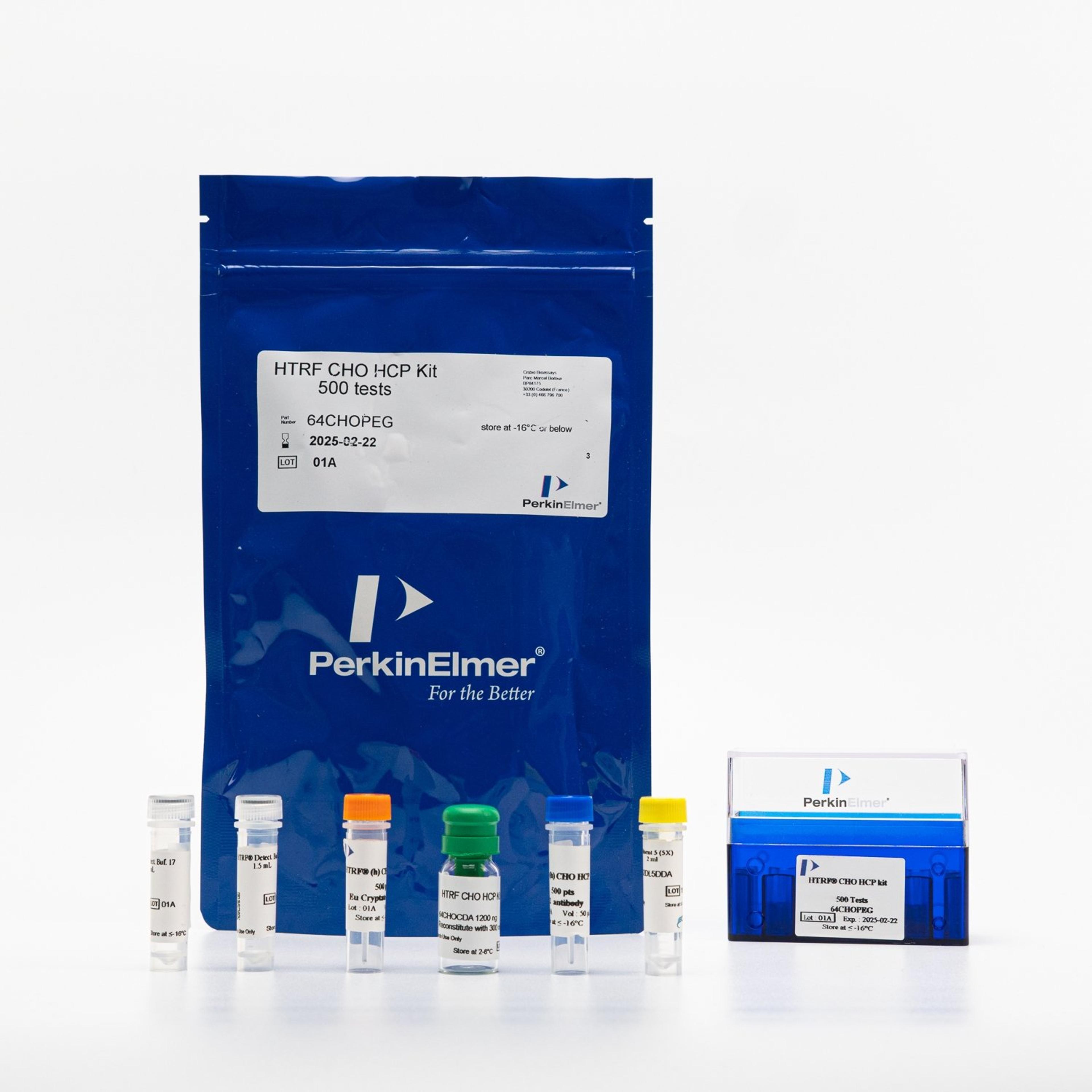
PerkinElmer introduces first ready-to-use HTRF® and AlphaLISA® assay kits for CHO HCP impurities detection and quantification
New high-throughput, no-wash assays contribute to the development, manufacture and quality control of safer, more effective biotherapeutics

PerkinElmer expands KRAS oncology drug discovery assays with new ready-to-use AlphaLISA kits
Will enable cancer researchers to accelerate identification and optimization of therapeutic leads by better decoding KRAS mutations present in 25% of tumors