ACQUITY UPLC ELS Detector
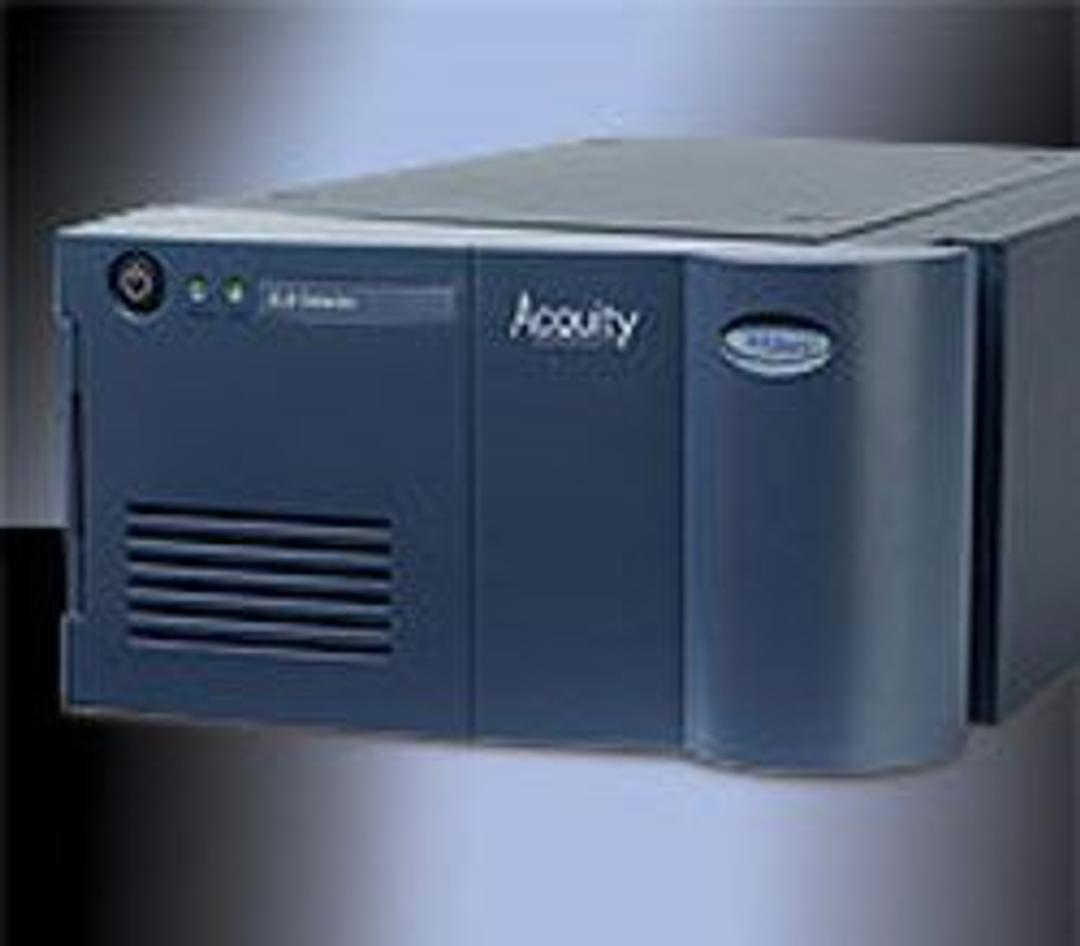
The ACQUITY UPLC® Evaporative Light Scattering (ELS) Detector is designed specifically for optimal UPLC®/ELS performance in a small footprint. When your analytes have poor to no UV/Vis response, or don’t ionize well by mass spectrometry, the ACQUITY UPLC ELS Detector with the ACQUITY UPLC System lets you analyze more molecules (including sugars, triglycerides, phospholipids, antibiotics, and natural products) in a single analy…

The supplier does not provide quotations for this product through SelectScience. You can search for similar products in our Product Directory.
Universal detector for non-volatile or semi-volatile compounds, good for quantitative study
LC
ELSD is able to detect all compounds which are less volatile at mobile phase. Any compound that's semi-volatile or un-volatile is a destructive detector. Not a very good detector for quantitative study. Very good for qualitative to see what compounds
Review Date: 27 Mar 2019 | Waters
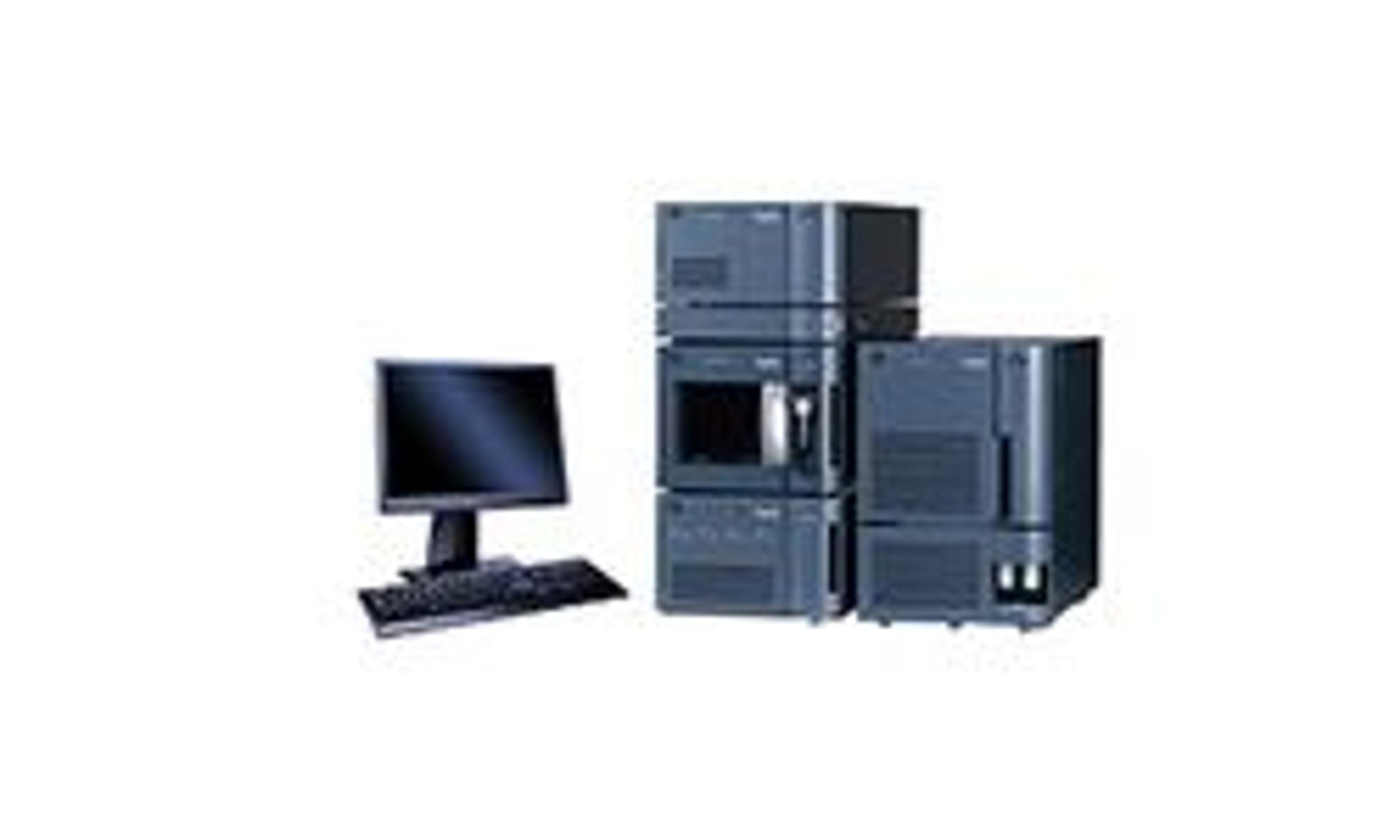
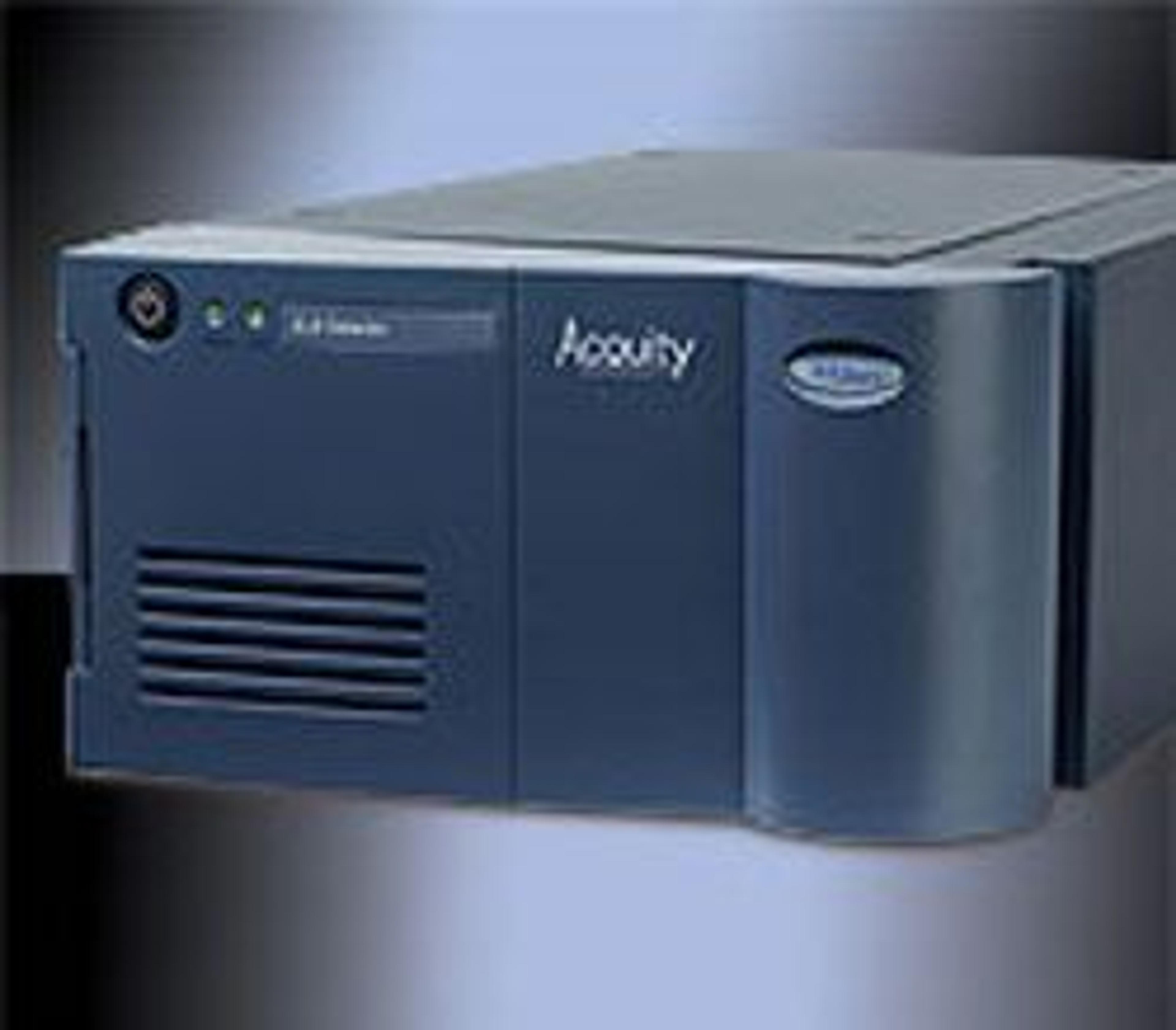
The ACQUITY UPLC® Evaporative Light Scattering (ELS) Detector is designed specifically for optimal UPLC®/ELS performance in a small footprint.
When your analytes have poor to no UV/Vis response, or don’t ionize well by mass spectrometry, the ACQUITY UPLC ELS Detector with the ACQUITY UPLC System lets you analyze more molecules (including sugars, triglycerides, phospholipids, antibiotics, and natural products) in a single analytical run.
Engineered for high volume or open access environments – anywhere large numbers of compounds are screened rapidly – the detector offers a convenient stackable design, easy maintenance, and long lamp lifetimes.
Features of the ACQUITY UPLC ELS Detector:
• Works with other detection techniques for a more comprehensive UPLC(/MS) analysis, for confidence that you’ve detected all of the components in your sample
• Provides reproducible, reliable results with precise control over nebulization and desolvation processes for the measurement of temperature-sensitive molecules
• Ensures the benefits of UPLC performance across the entire flow rate range with high data capture rates
• One nebulizer for the entire flow rate range provides simplified set-up and the benefit of maximized performance.
• Pre-aligned snap-in lamp is easy to change and provides maximum up-time.
• Data rates up to 80 Hz provide improved peak definition and confidence in quantitative results.
• Low gas pressure detection sends a signal to “stop flow” on your LC pump.

Size Exclusion Chromatography for the Analysis of Small Proteins and Peptides
This application note from Waters Corporation looks at the features and advantages of the 125Å pore size, 3.5µm particle size BEH SEC column designed for separation of small proteins and peptides. This column has been made specifically to be used on classic HPLC instrumentation, and provides column-to-column reproducibility and column stability.
Fast Separation of Triacylglycerols in Oils using UltraPerformance Convergence Chromatography (UPC2)
UltraPerformance Convergence Chromatography™ (UPC2®) is a novel technology that applies the performance advantages of UPLC to supercritical fluid chromatography (SFC). Combining the use of supercritical CO2 with sub-2-μm particle columns, UPC2 represents an analysis technique that is orthogonal to reversed-phase LC and can be used to solve many troublesome separations that challenge conventional LC or GC analyses. It also generates less solvent waste as compared to liquid chromatography. This application note presents studies using UPC2 coupled with ultraviolet (UV) detection, mass spectrometry (MS), and evaporative light scattering (ELS) detection for the separation of triacylglycerols in tobacco, corn, sesame, and soybean seed oils.
Fast Separation of Triacylglycerols in Oils Using UltraPerformance Convergence Chromatography (UPC<sup>2</sup>)
Studies using UPC2 coupled with ultraviolet detection, mass spectrometry, and evaporative light scattering detection for the separation of triacylglycerols in tobacco, corn, sesame, and soybean seed oils are presented in this application note.
Polymer Characterization Application Book
Download this application book from Waters to discover the latest methods in polymer characterization.
Monitoring Sugar Content of Fruit Juice Using ACQUITY UPLC H-Class and BEH Amide Column Chemistry with Evaporative Light Scattering Detection (ELSD)
This application note presents a method for the rapid determination of sugars in fruit juices. The ACQUITY UPLC and BEH Amide Column from Waters enabled the glucose, fructose and sucrose profiles to be determined in less than 10 minutes and minimal sample preparation was required.
Analysis of Impurities in Model Biodiesel using UltraPerformance Convergence Chromatography (UPC2)
This application note presents a method for the fast determination of residual glycerol and acylglycerols in model biodiesel prepared in-house using UltraPerformance Convergence Chromatography™
(UPC2®).
Development of Glycan Database for Waters ACQUITY UPLC System
The manufacturing of glycoprotein products can be challenging and it is important to monitor glycosylation accurately throughout the process. This application note demonstrates that ACQUITY UPLC/FLR analysis, under the control of an Empowered workstation, represents a powerful and fully integrated analytical platform for analyzing the oligosaccharides attached to glycoproteins.

Facilitating Chiral Method Development Using UPSFC/MS
Chirality plays a critical role in drug profiles because enantiomers can have vastly different biological/pharmacological/toxicological properties. Chiral analysis is typically addressed in the early stage of drug discovery. Due to its superior resolving power and high speed, SFC has gained a strong foothold in the chiral analysis arena. Furthermore, SFC eliminates the use of toxic solvents typically associated with normal phase LC chiral analysis, such as hexane and chloroform.
The use of MS detection was demonstrated to facilitate chiral UPSFC method development. Taking advantage of the specificity of MS detection, a mixture of two enantiomers with different molecular masses was screened simultaneously. By examining the XICs combined with a prior knowledge of the compound mass, the compound identity was easily determined. The throughput for chiral method development was, therefore, improved two-fold, compared to a traditional SFC-UV approach. The ACQUITY UPSFC/MS System is ideal for laboratories pursuing high throughput enantioselective analyses, enantiomeric excess determination in a complex mixture or matrix, and impurity profiling.