
Gilson announces the launch of a new UV-VIS detector to its VERITY line of purification systems
Gilson's VERITY 1741 UV-VIS Detector is specially designed to secure semi-preparative and preparative HPLC applications
26 Jul 2022
Gilson has announced a new UV-VIS detector to its VERITY® line of purification systems. The VERITY 1741 UV-VIS Detector is specifically designed with the needs of semi-preparative and preparative HPLC customers in mind. It relies on the power of UV-VIS with diode array detection (DAD) technology, like that found in Gilson's popular PLC Purification Systems. The VERITY 1741 Detector is an ideal solution for purification applications in drug discovery, food supplements, natural products, and biomolecular research.
When controlled by Gilson's TRILUTION® LC Software to power up Gilson's VERITY line of purification systems, the reliable VERITY 1741 Detector offers a 200-800 nm scanning range and multiple different wavelength detection simultaneously, which can significantly increase purification specificity. Spectra can also be viewed in real-time, allowing researchers to quickly identify co-eluting impurities or other separation details. The extensive range of path flow cells makes the detector highly versatile to a wide array of compound concentrations and purification schemes.
The detector features a built-in counter for monitoring lamp life, which helps users avoid interruptions and sample loss during a purification. The detector also uses easy-to-replace long-lasting lamps and flow cells, resulting in less instrument downtime. Gilson's service experience with similar PLC detectors translate to minimizing the cost of ownership. The VERITY 1741 Detector is easy to use and maintain while providing extended detection power.
Daily coverage of AACC by SelectScience can be found by clicking here >>
Want the latest science news straight to your inbox? Become a SelectScience member for free today>>
Related products
Request Quote for All Products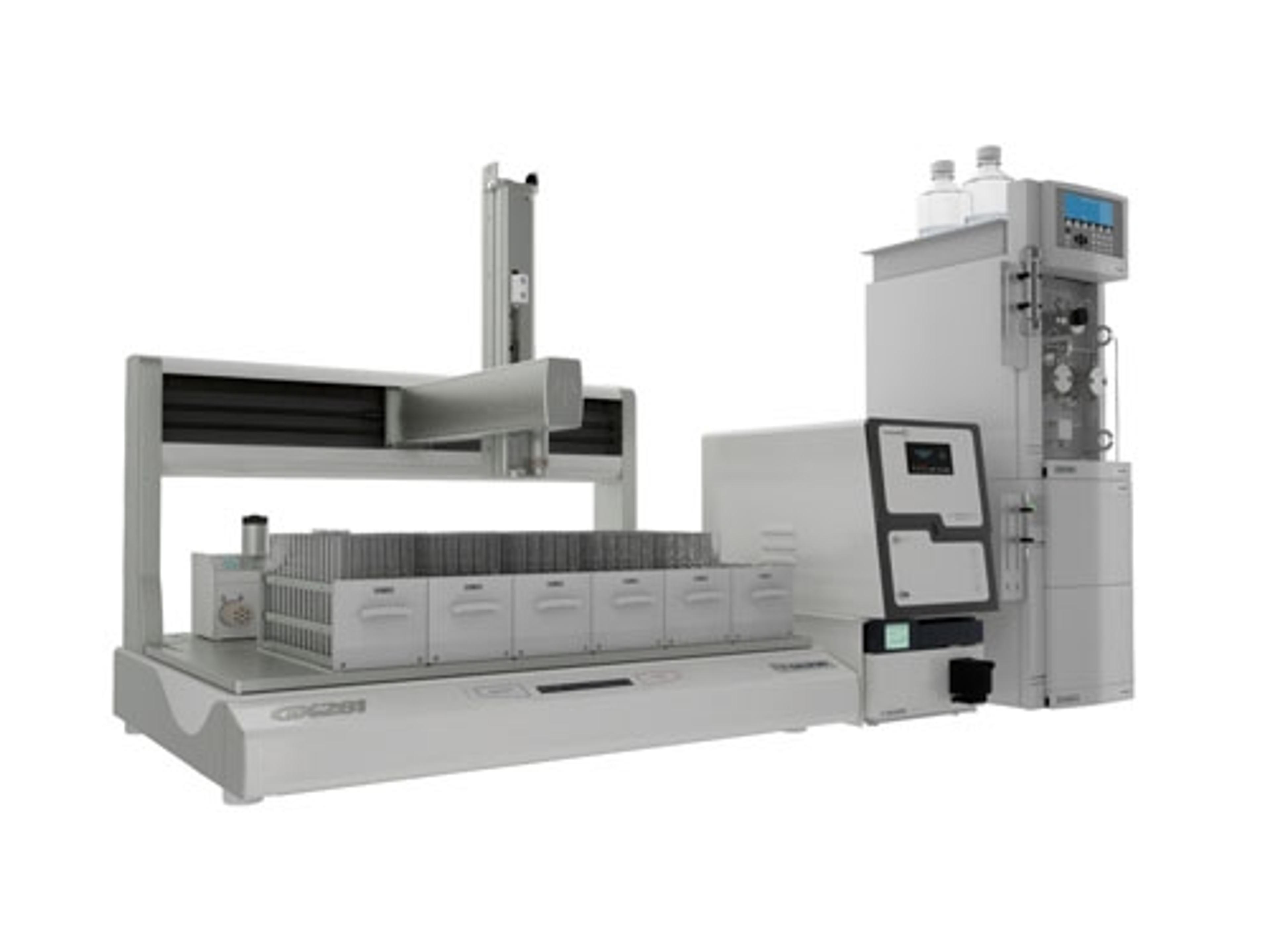
Gilson VERITY 281 HPLC System
Gilson, Inc.When large capacity and throughput are needed, the VERITY 281 HPLC systems provide the answer for semi-preparative and preparative purifications.
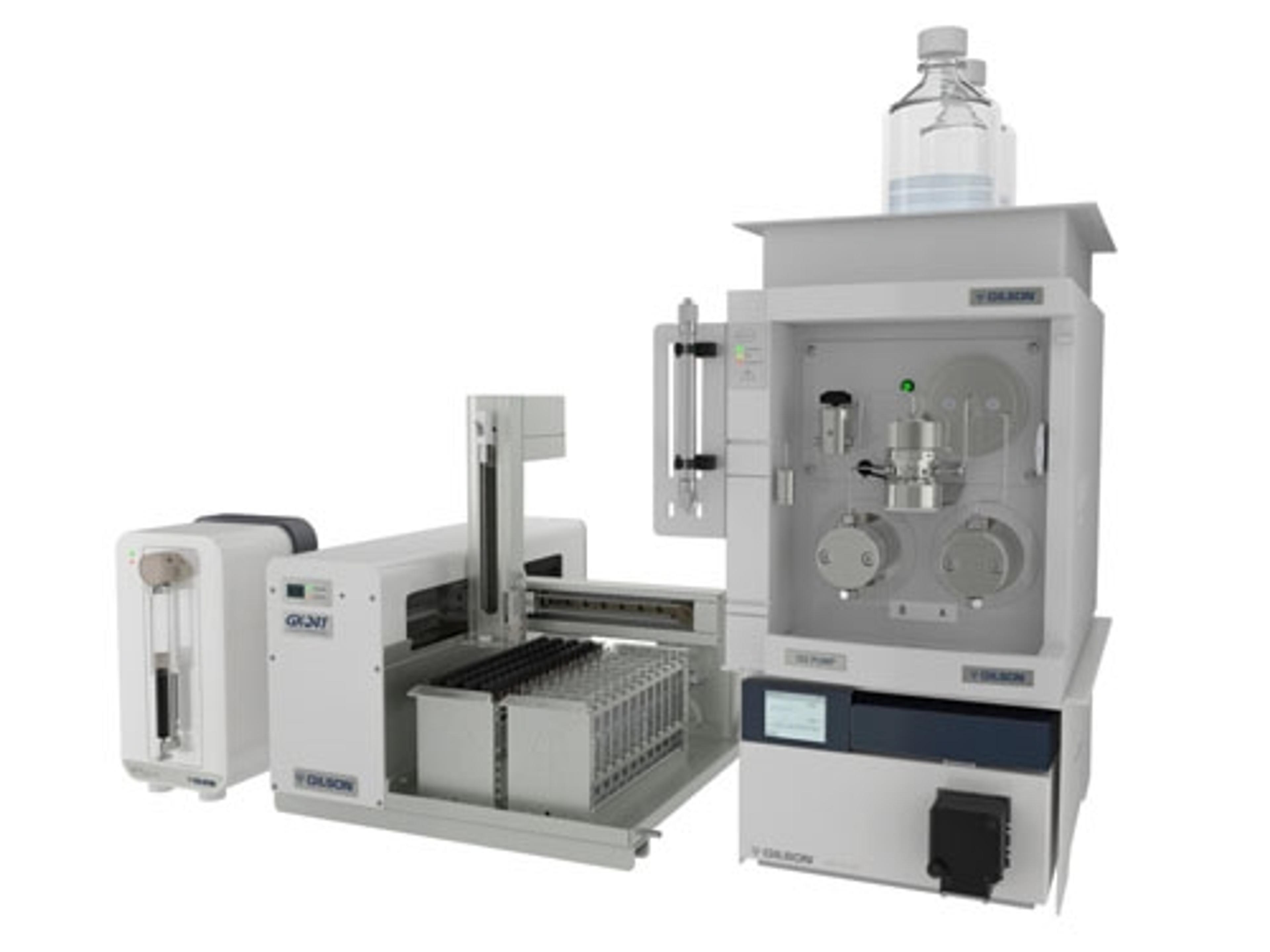
Gilson VERITY 241 HPLC System
Gilson, Inc.When a smaller, low-flow HPLC system is necessary, look to the VERITY® 241 HPLC System.
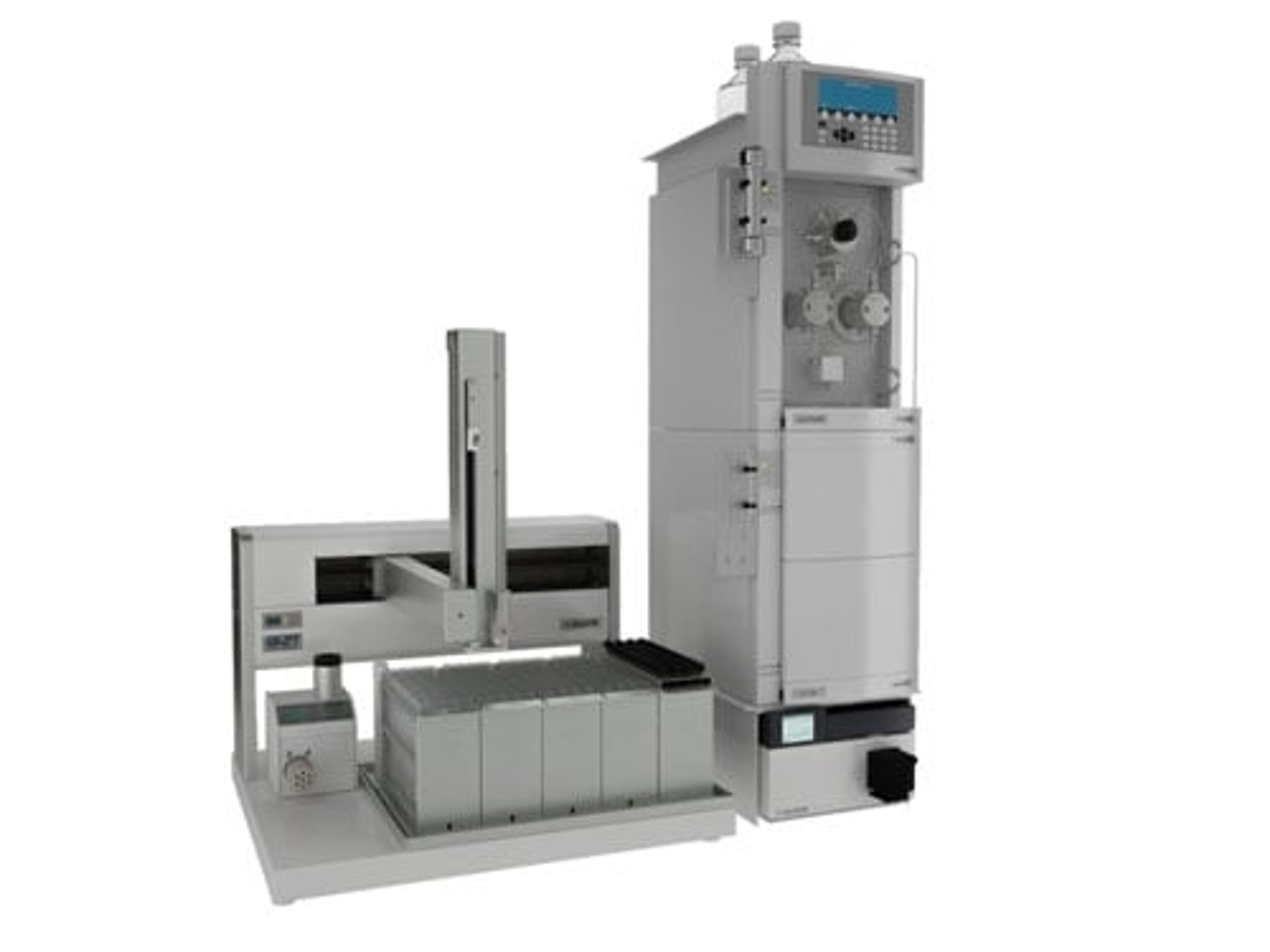
Gilson VERITY 271 HPLC System
Gilson, Inc.With mid-size capacity and throughput, the VERITY 271 HPLC systems provide hundreds of configurations for semi-preparative and preparative purifications.