
The Orchestrated Lab webinar series: Explore the latest in LIMS, artificial intelligence, cloud capabilities, and much more
Join us on Tuesday, 20 April, to learn how technology-driven strategies can promote success and how automated science is a key driving factor
28 Jun 2021
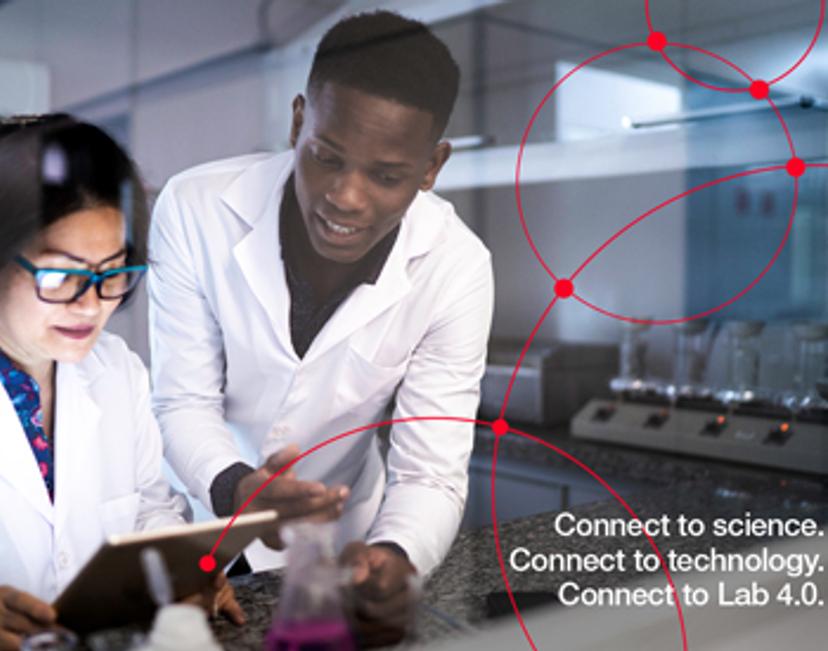
The Orchestrated Lab webinar series, run in partnership with Thermo Fisher Scientific, will examine a variety of different laboratory-focused themes to provide you with a holistic perspective on the ever-changing modern lab
As scientific organizations continue the transformative journey to a fully digital laboratory, many are asking themselves how they can successfully become a “lab of the future.” How can processes be streamlined, automation be leveraged, data silos be eliminated, and ecosystems be connected? These questions – and many more – are at the forefront of the industry’s digital transformation discussion. With technological advancements and constantly evolving digital capabilities, this is an industry discussion that must continue.
The Orchestrated Lab webinar series will examine a variety of different laboratory-focused themes to provide you with a holistic perspective on the ever-changing modern lab.
These 10 webinars will take you on a deep dive into topics such as: automation, cloud capabilities, connected laboratory workflows and infrastructure, artificial intelligence, leveraging data, and more. Thought-provoking discussions will showcase how you can leverage Thermo Fisher Scientific technology to accelerate laboratory productivity, unlock innovation, and drive scientific advancements.
Register for the opening webinars in The Orchestrated Lab webinar series:
Automated science to create the Lab of the Future
Tuesday, April 20, at 16:00 BST / 17:00 CEST / 11:00 EDT / 08:00 PDT
The automation of processes, workflows, and data allows laboratories to reduce downtime, increase stability, and optimize efficiency. Automation provides the time and space for laboratories to focus on innovations and improvements, which is crucial to their success. Automated science – through digital solutions, lab automation, and artificial intelligence - is critical to accelerating laboratory productivity and unlocking innovation. This webinar will discuss how technology-driven strategies can promote success and how automated science is a key driving factor.
Register hereThe benefits of adopting cloud-based solutions
Wednesday, May 19, at 16:00 BST / 17:00 CEST / 11:00 EDT / 08:00 PDT
For existing laboratories looking to modernize their infrastructure, the benefits are seen through lowered IT costs and unmatched scalability. Having data easily accessible, but more securely protected, allows for an increase of collaboration and productivity across teams and locations. The benefits of a cloud-first approach can ultimately support laboratories by providing them with enhanced security, scalability, access, and performance.
Register hereLeveraging data analytics to derive valuable insights
Thursday, June 10, at 16:00 BST / 17:00 CEST / 11:00 EDT / 08:00 PDT
Join Dr. David Hardy, Manager of Data Analytics and Visualization, Digital Science at Thermo Fisher Scientific, as he reveals the benefits of data analytics and visualization tools and explains how laboratories can effectively use these to optimize their data to drive efficiency and innovation.
Register hereThe journey to a digitally transformed laboratory
Thursday, July 8, at 16:00 BST / 17:00 CEST / 11:00 EDT / 08:00 PDT
Join Trish Meek, Director of Marketing for Digital Science at Thermo Fisher Scientific, to learn about a pragmatic approach to driving digital transformation within the lab; the importance of embracing technological advancements; and how to choose the right technology, tools, and techniques to drive efficiency and increase productivity amongst your processes and workflows.
Register hereDiscover more webinars in The Orchestrated Lab webinar series here>>