Most loved by scientists: 5 top-rated lab products awarded new Seal of Quality

We reveal the cell counters, LC systems and particle size analyzer that have earned one of these coveted awards based on exceptional reviewer feedback

8 Oct 2020

Tom Casburn
Associate Editor

Editorial article

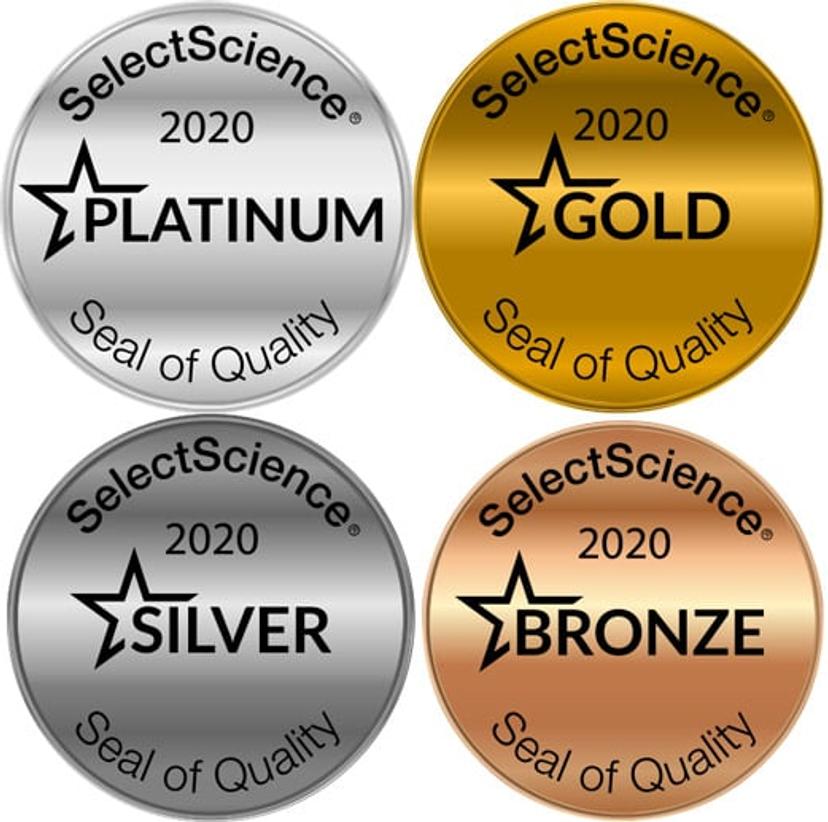
What is a Seal of Quality? There are four levels of Seal of Quality — Platinum, Gold, Silver, Bronze — which are allocated to products based on the number of reviews they receive and the average rating of those reviews.

The latest laboratory instruments to earn a prized Seal of Quality have been announced in recognition of outstanding feedback received from scientists globally.

Seals of Quality recognize the top 0.1% of products that consistently receive the highest customer review ratings on SelectScience® and are designed to help scientists and healthcare professionals worldwide see at a glance the instruments and services their peers recommend the most.

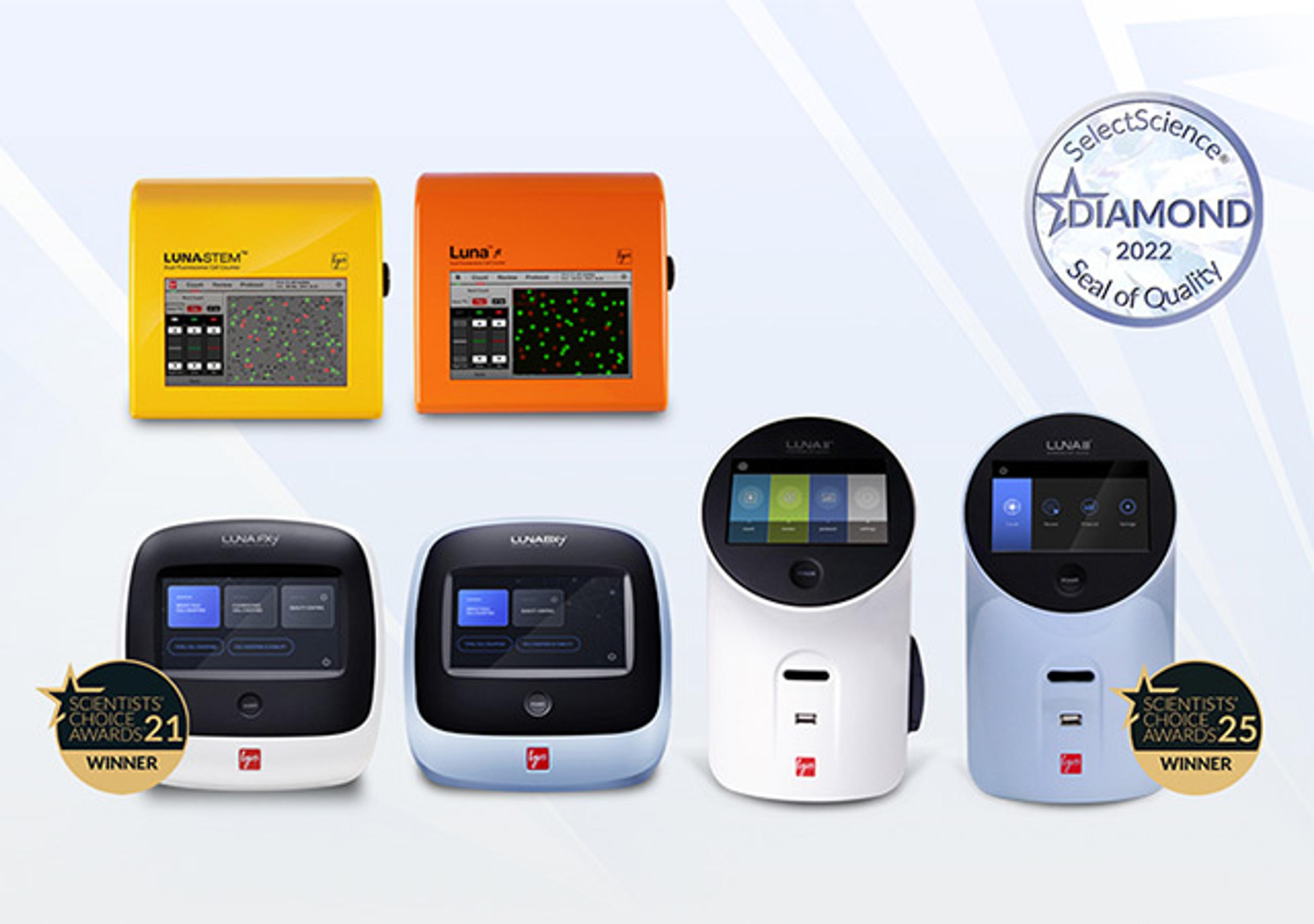
Among the latest to receive a Seal of Quality is the LUNA™ Family of Automated Cell Counters by Logos Biosystems, which has now received well over 200 reviews from scientists around the world, with at an outstanding average overall rating of 4.8 out of 5 stars – making them only the sixth product in history to be awarded a Platinum Seal of Quality since the program was launched in 2017.

The LUNA automated cell counters are designed to offer incredible speed, accuracy, and reliability, and users have been impressed. Mike Licudi, from Imperial College London, left this review in August 2020: “I love the LUNA counter. It's so easy to use and it's fast. Love the fact that there are multiple counting modes and you can set it up to use your custom stains.”

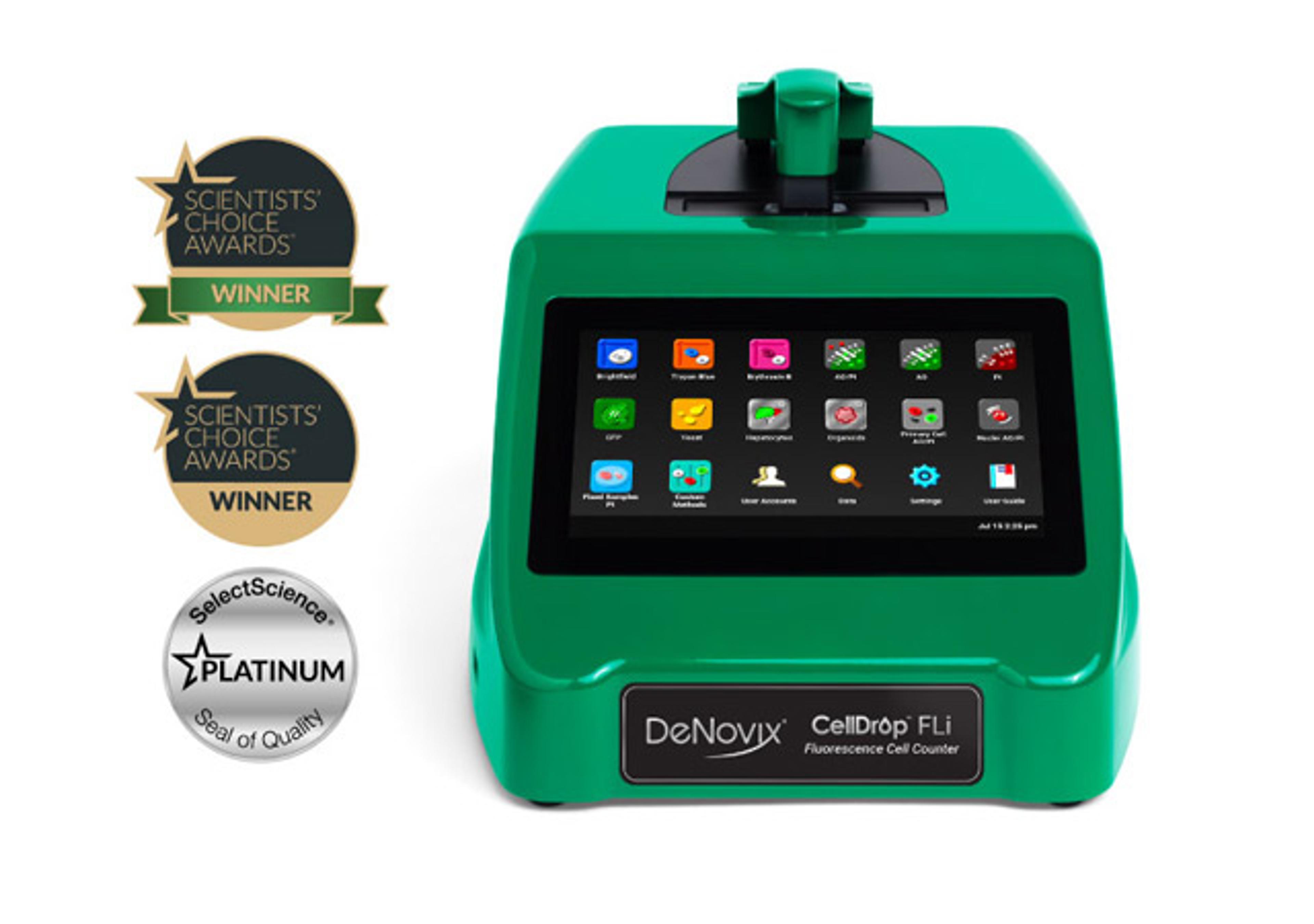
Meanwhile, another cell counter is following hot on the LUNA’s heels: The environmentally-friendly CellDrop™ Automated Cell Counter has been awarded a Gold Seal of Quality, with over 100 reviews at an average rating of 4.8 out of 5.

The first imaging cell counter to remove the need for slides or plastic consumables, the CellDrop was only launched last year by DeNovix and has been receiving rave reviews ever since.

One recent 5-star reviewer of the CellDrop is Sarah Silk, from Oxford University, who writes: “Compact for benchtop and easy to use, with no consumables needed. Excellent customer service and guidance whenever required - highly recommend for quick and accurate counts.”

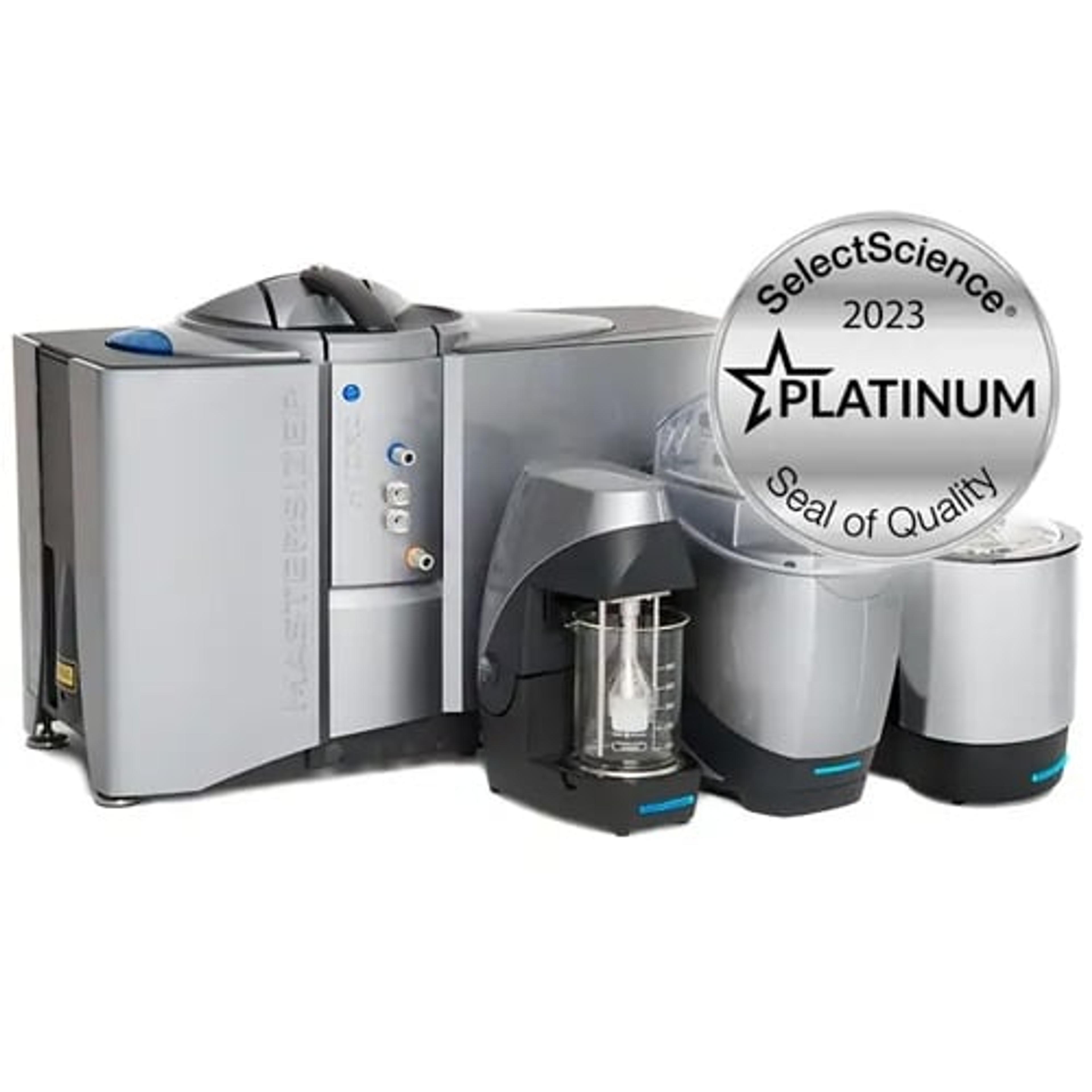
Another new Gold Seal of Quality recipient is the Mastersizer 3000 by Malvern Panalytical, a laser diffraction particle size analyzer designed to deliver rapid, accurate particle size distributions for both wet and dry dispersions with minimum effort.

One of over 100 reviewers who have shared their opinion the Mastersizer 3000, Sunil Kumar Gahlaut, from healthcare company USV, declares it the “best product to verify the particle size.” He writes: "Best product, best service, 21 CFR-compliant software, accurate and precise results.”

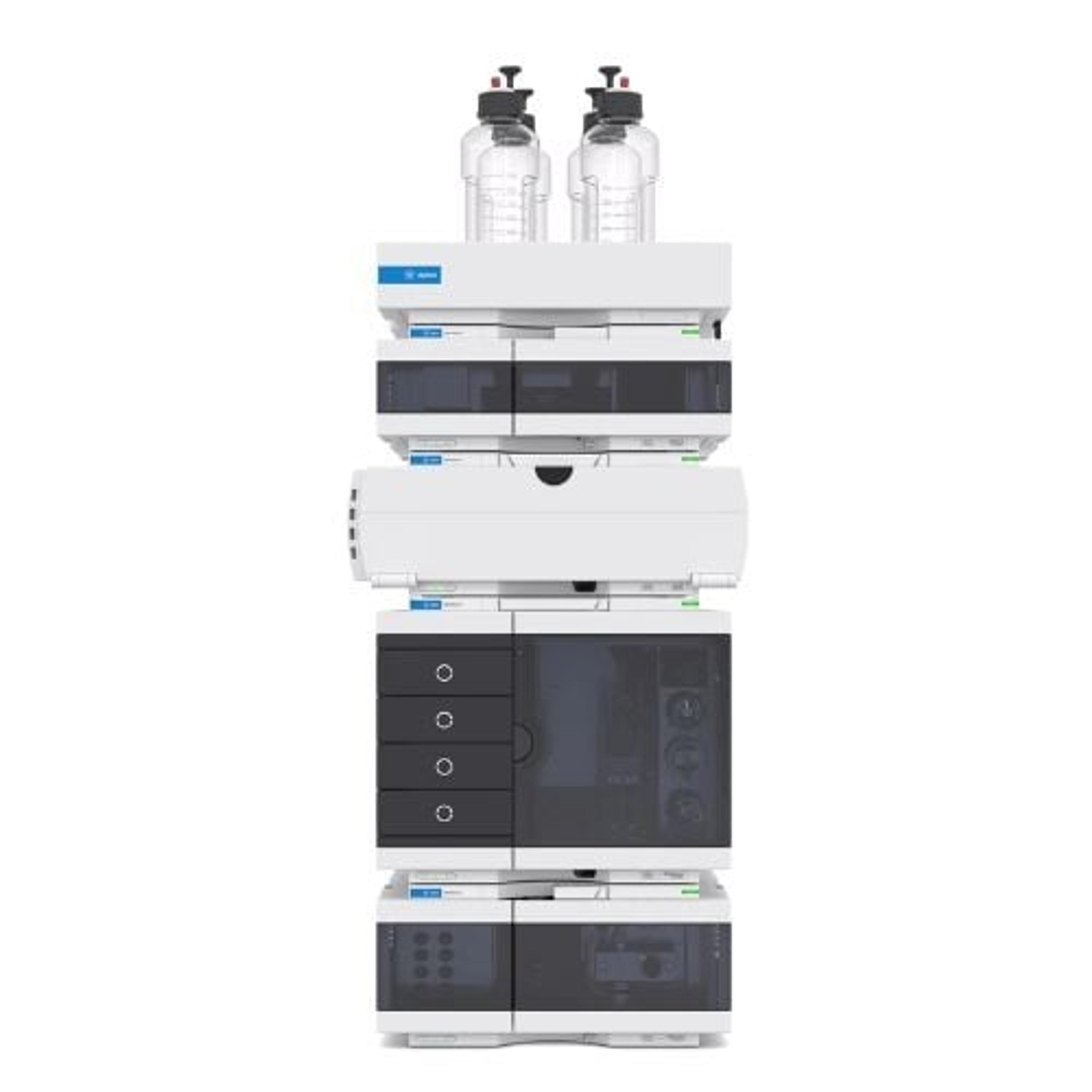
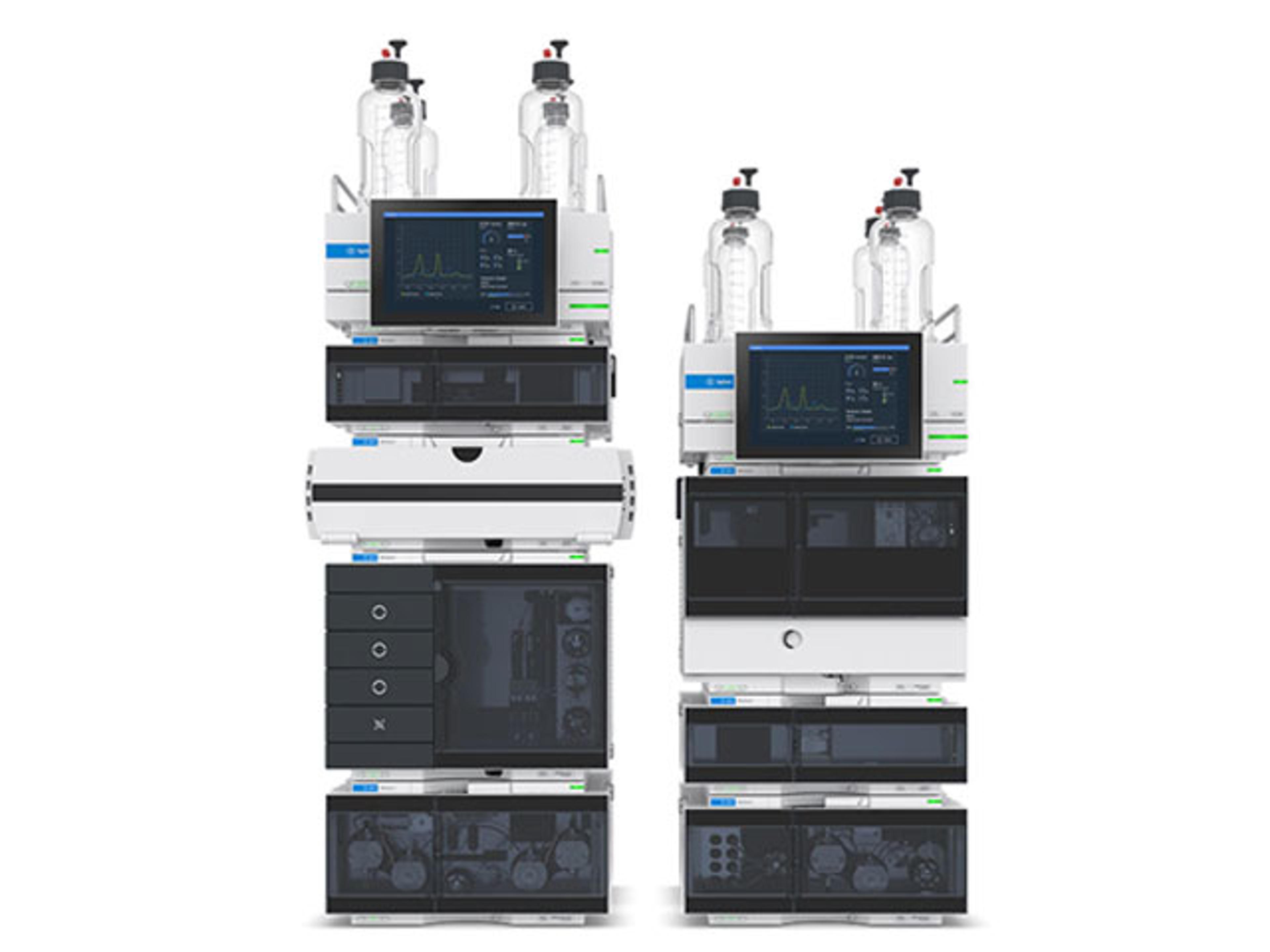
Agilent Technologies has also been awarded a Bronze Seal of Quality for two of its LC systems – the Agilent 1290 Infinity II LC System and the Agilent 1260 Infinity II LC System, which have now each received over 50 reviews at average ratings of 4.3 and 4.6 respectively. The latest awards mean Agilent has now earned a total of four Seals of Quality since the program was launched in 2017 — the other two being awarded to the Agilent 7890B Gas Chromatograph, which received a Bronze Seal of Quality earlier this year, and the Agilent 1200 Infinity Series LC, which became one of the first products to earn a Silver Seal of Quality back in 2018.

Expert reviewer Tabrez Shaikh, Indoco Remedies, writes of the 1260 Infinity II LC System: “A very good LC system for HPLC, UPLC or mass interference. The system is robust and vertically slim. It is also fast and precise. Data quality is very high.”

New Seals of Quality are announced quarterly — there are currently just over 50 lab products permitted to display a SelectScience Seal of Quality.

SelectScience Editor-in-Chief and Publisher, Kerry Parker, said: “I would like to take this opportunity to thank all our reviewers around the world for sharing their valuable opinions and also to congratulate these new Seal of Quality winners, who have been recognized by the people who matter most, their customers.”
Links

Tags

Gas ChromatographyGas chromatography (GC) is an analytical technique used to separate and quantitate mixtures of small and volatile compounds. Gas chromatographs or GC systems include components such as GC columns, detectors, pumps and autosamplers. Choose from packed or capillary GC columns, flame ionization (FID), photoionization (PID) electron capture detectors and selective or non-selective detectors. Find the best gas chromatographs in our peer-reviewed product directory: compare products, check customer reviews and receive pricing direct from manufacturers.UHPLC and HPLCHigh performance liquid chromatography (HPLC) and ultra high performance liquid chromatography (UHPLC), also known as UPLC, are analytical techniques used to separate, identify and quantitate components of complex mixtures including biological samples such as proteins and lipids as well as chemical mixtures of pesticides, drugs and oils. Both techniques are liquid chromatographic methods but differ by operating pressures (HPLC < 6000 psi < UHPLC ). Components of HPLC and UHPLC systems include columns, detectors, pumps, autosamplers and column heaters. Explore a range of UHPLC and HPLC columns for your specific sample needs including reverse phase, normal phase, ion exchange, HILIC, ion exclusion and size exclusion columns. For more specialized HPLC, explore FPLC, countercurrent LC and simulated moving bed systems. Find the best UHPLC and HPLC equipment in our peer reviewed product directory: compare products, check customer reviews and receive pricing direct from manufacturers.LC-MSLC-MS (liquid chromatography-mass spectrometry) systems and equipment are used for separation and quantitative analysis of complex mixtures, combining liquid chromatography and mass spectrometry. Quantify proteins, contaminants, pesticides or screen for drug metabolites with a high level of sensitivity. LC-MS systems and equipment include reverse phase, normal phase and specialized columns integrated with various MS detectors such as time-of-flight (TOF), quadrupole, orbitrap or ion trap mass analyzers. LC-MS/MS instruments equipped with a qTOF or triple quadrupole analyzer give greater sensitivity and resolving power to your analysis. Find the best LC-MS equipment in our peer-reviewed product directory: compare products, check customer reviews and receive pricing direct from manufacturers.Cell Adhesion AssaysCell adhesion assays are used to quantitate attachment and analyze the molecular mechanisms for extracellular matrix adhesion, cell migration and sensitivity to inhibitors. Find the best cell adhesion assay equipment in our peer-reviewed product directory: compare products, check customer reviews and receive pricing direct from manufacturers.Cell / Tissue CultureCell culture or tissue culture is used to study the biology of cells or tissues and to isolate cellular products in an environment which can be manipulated and well defined. Accurately control your culture environment with bioreactors or culture incubators, bind your cells to a surface or together with an extracellular matrix. Distinguish cell types with differential media or proliferate cells with certain characteristics using selective media. Enrich your media with supplements such as growth factors, sera and vitamins. Find the best cell and tissue culture products, kits and equipment in our peer-reviewed product directory: compare products, check customer reviews and receive pricing direct from manufacturers.Cell Lines Stem Cells and Primary CellsPrimary cell cultures, established cell lines and stem cells are vital for <i>in vitro</i> and <i>ex vivo</i> experimentation. High-quality cells, optimized for your applications, alongside optimized cell substrates, growth medium and supplements, are critical for experimental success. Explore a range of cells suitable for your applications, including isogenic cell lines, competent cells, induced pluripotent stem cell (iPSC)-derived cell lines, fungal/bacterial/mammalian cell lines, stem cells and cancer cell lines. Find the best cells for your research in our peer-reviewed product directory: compare products, check customer reviews and receive pricing direct from manufacturers.Flow Cytometry / Cell CountingFlow cytometers are used to count, sort and examine multiple characteristics of cells. Other cell analysis equipment includes image cytometers, cell counters, fluorescence-activated cell sorters (FACS), magnetic-activated cell sorters (MACS), and a range of flow cytometry assay kits. Flow cytometers can reveal information on cell viability, cell proliferation, apoptosis and cell cycle progression, as well as identify cell populations and intracellular or cell-surface molecules. Additionally, some flow cytometers, known as FACS, have an additional sorting function after analysis. Cell counters and image cytometers count live and dead cell populations and can also conduct cell proliferation assays. Find the best flow cytometers, cell counters and cell sorters in our peer-reviewed product directory: compare products, check customer reviews and receive pricing direct from manufacturers.Cell-Based AssaysCell-based assays are used to monitor the presence, quantity and activities of a desired cellular analyte including drug molecules or biomarkers. This can reveal information on cell health (apoptosis, cytotoxicity, viability and proliferation assays), cell metabolism, cell migration and cell signaling mechanisms. Find the best cell-based assay products, kits and equipment with our peer reviewed product directory: compare products, check customer reviews and receiving pricing direct from manufacturers.Particle CharacterizationParticle characterization instruments are used to determine particle size distribution, shape, surface area, zeta potential, density and porosity of particles and materials. Multiple tecchniques are available for determining particle size, shape and count including dynamic light scattering (DLS), laser diffraction, electrozone (Coulter technique), imaging particle analysis and single particle optical sensing. Determine the density of your material with a gas pycnometer or examine its surface area and porosity with gas adsorption analyzers and mercury porosimeters. Find the best particle characterization instruments in our peer-reviewed product directory: compare products, check customer reviews and receive pricing direct from manufacturers.GC-MS GC-MS (gas chromatography-mass spectrometry) instruments and equipment are used to separate, quantify and identify mixtures of small and volatile compounds, such as polycyclic aromatics, fatty acids and alcohols. Often used in drug detection, forensic investigation and environmental analysis for pesticides and contaminants, GC-MS is a powerful addition to your lab’s analytical capabilities. GC-MS/MS instruments equipped with a qTOF or triple quadrupole analyzers can give greater sensitivity and resolution to your analysis. Find the best GC-MS instruments and equipment in our peer-reviewed product directory: compare products, check customer reviews and receive pricing direct from manufacturers.Scientists Choice AwardsEach year, the SelectScience Scientists' Choice Awards celebrate the best products in the industry, as nominated and voted for by our scientist members.SelectScience Company News