Analytical Chemistry Highlights – Thermal Desorption, Solid Phase Extraction & Food and Flavor Analysis

Find out more about the hottest content you may have missed over the past month

7 Mar 2019

Finn Price
Administrator / Office Personnel

Editorial article

With the imminent arrival of Pittcon 2019, now is the time to make sure you're up to date with all the latest technological advancements and methods in the field. In this article, we take a look at some of the trending content from the past month in our analytical chemistry communities.

Hamish Lamotte and Yan Li from Syft Technologies

1. A Solution for Real-Time Analysis in the Food and Flavor - Now on Demand

The aromas of your foods and beverages are as important, if not more so, than the flavor of the products themselves, so surely we should be monitoring the compounds responsible during production? Traditional technologies lack the time resolution and responsiveness required to give rapid feedback to product developers or process-line managers, but, in this on-demand webinar, SYFT presents a revolutionary direct analysis technology for fast, sensitive, selective, and robust analysis of aroma compounds in air at trace levels.

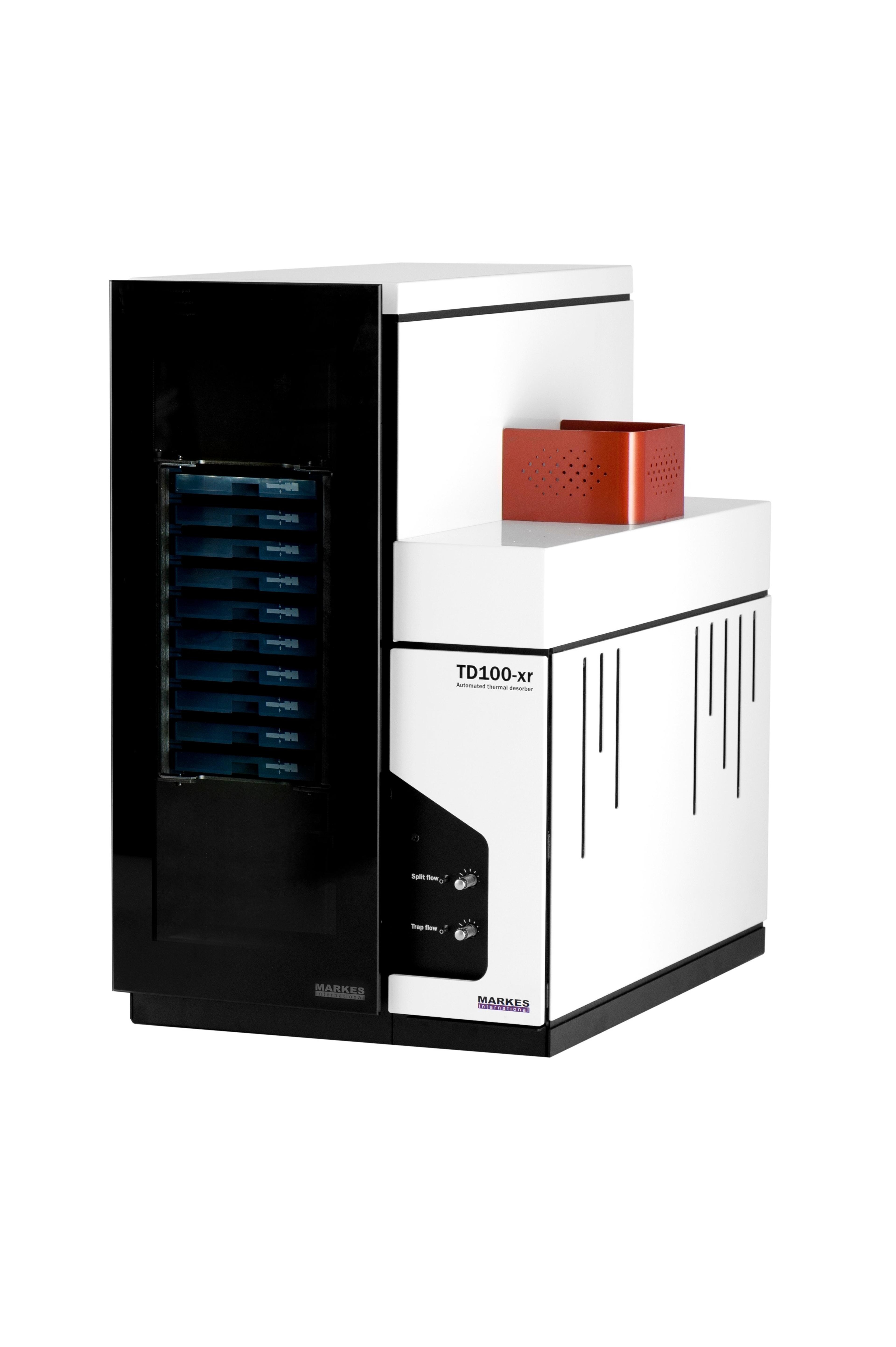
2. What is Thermal Desorption?

In this guide, learn more about the basics of thermal desorption as a technique, its origins, how it works and why it's so versatile. The guide also covers the different sampling options for TD and what applications it’s used for. By the time you’ve finished, you will have a good understanding of how TD benefits gas chromatography analysts across a wide range of scenarios.

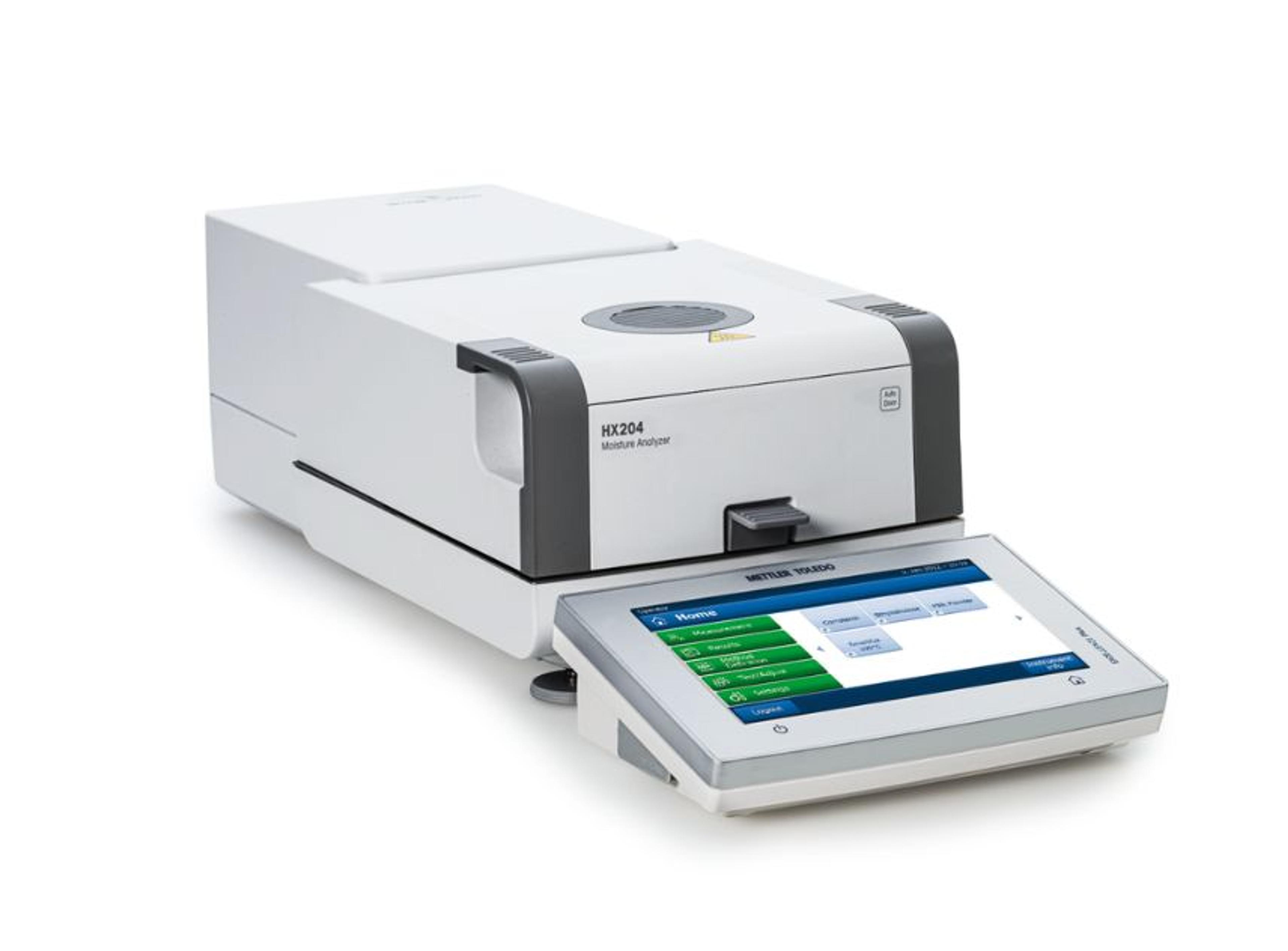
3. Essential Measurement Techniques: A Guide for Measurement Quality in the Lab

Get some helpful insights into essential measurement techniques such as weighing, pH measurement, pipetting and more, to help you improve the accuracy and efficiency of your day-to-day measurement tasks. While experience shows modern, well-developed balances and analytical instruments do the most to promote ease of use, operational safety and accurate results, even with state-of-the-art solutions, practical knowhow is still required for operators to do “the things” right and achieve reliability and consistency.
Solid phase extraction diagram

4. What is Solid Phase Extraction (SPE)?

Solid Phase Extraction, or SPE, is a method for sample preparation that separates and concentrates analytes from solution prior to analysis, but how much do you actually know about the technique? This video describes how the technique is carried out and eplains its benefits compared to liquid-liquid extrations.

5. Challenges in Food Fraud Testing: A Spectroscopy Case Study Video

There are several challenges associated with moving from targeted to non-targeted systems in food fraud testing, such as a lack of guidelines and legislation. From the growing complexity of food supply chains to the growing opportunities to conduct fraud across them, this short video provides helpful recommendations to address some of these common difficulties.

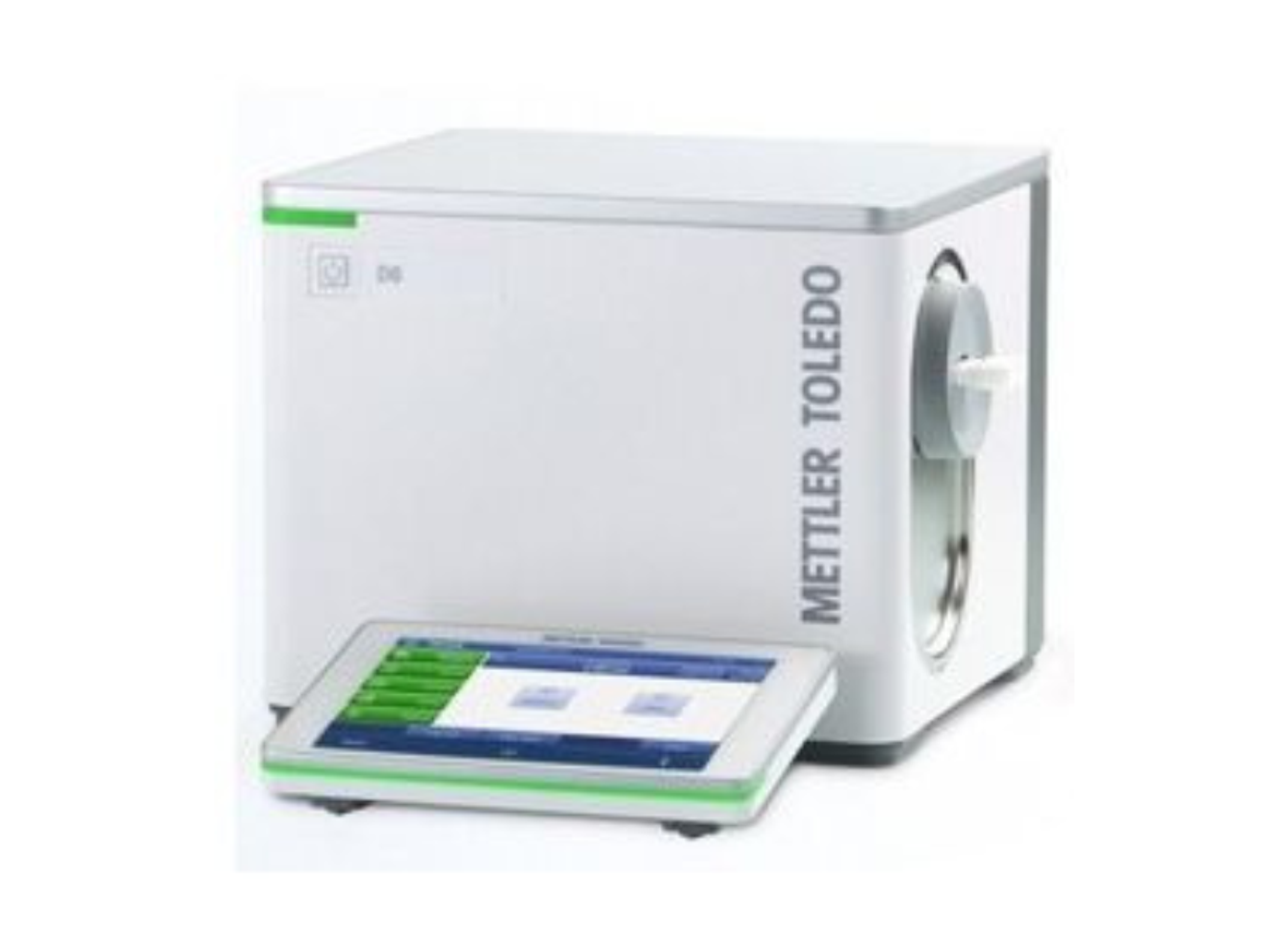
6. How to Buy Water Purification

Water quality is easy to take for granted, but water quality in the lab can make a big difference to lab operation and the quality of your analytical results. With this in mind, why wouldn’t you choose the best technology available to provide the water purity levels you need for your analyses?

If your water purification system is starting to get a little worn around the edges, or you’re looking to buy a new system as soon as possible, our free eBook provides all the information you should consider when selecting new water purification technology.

And, finally..

7. Analytical Products Making Waves

You’ve submitted a staggering number of reviews this February – but which products have received the most of your attention? These two products stand head and shoulders above the rest of the crowd when it comes to attracting reviews:

alpha300 Ri - Inverted Confocal Raman Imaging by WITec GmbH
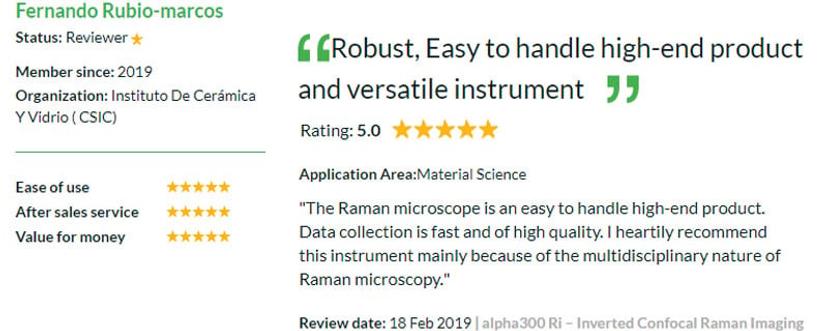
Review of alpha300 Ri by Fernando Rubio-Marcos

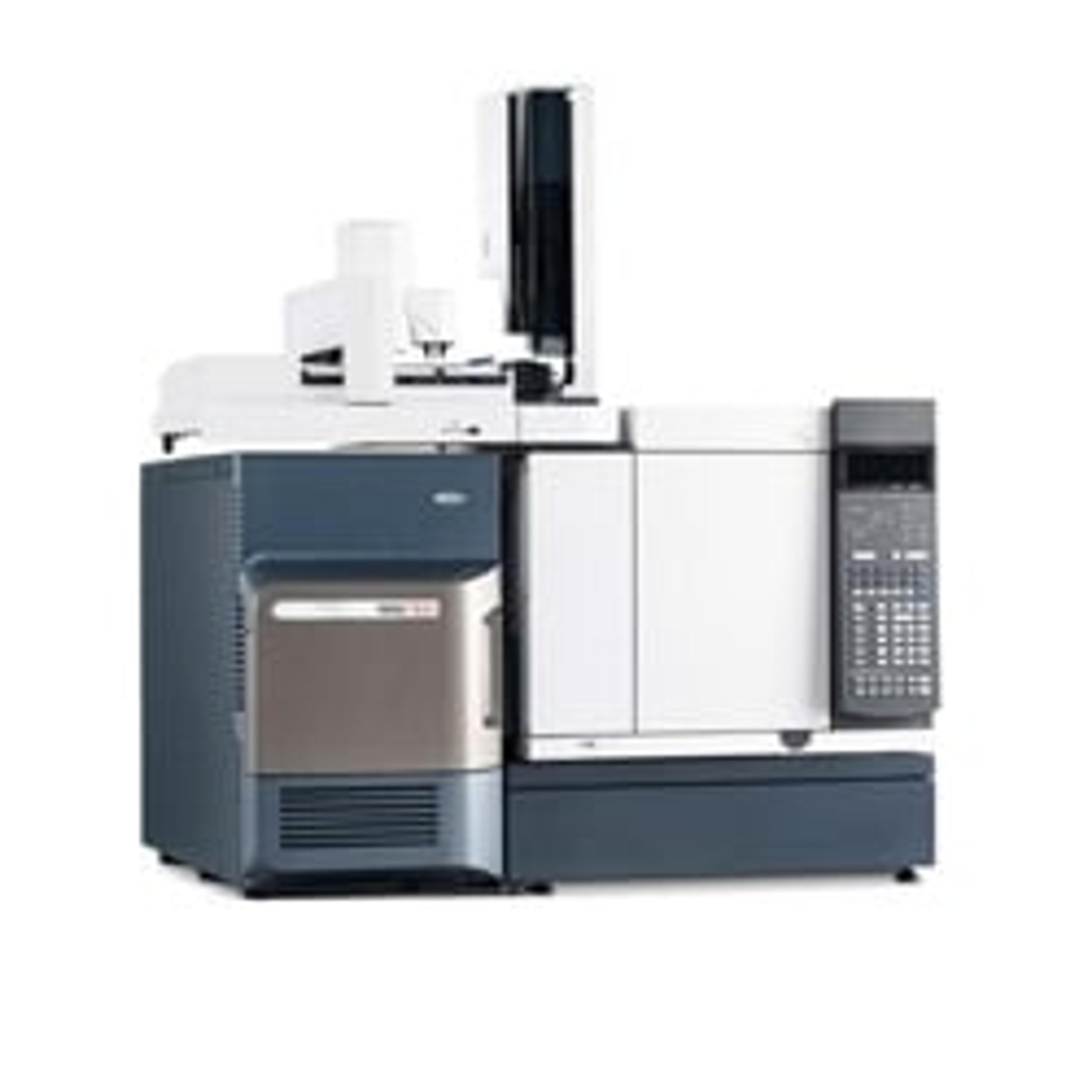
Xevo TQ-GC Mass Spectrometry System by Waters
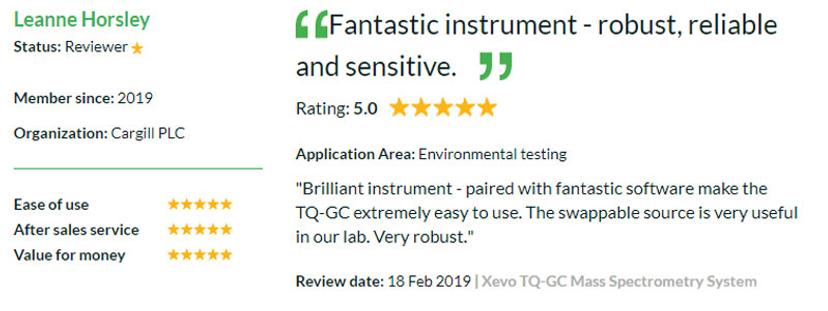
Review of Xevo TQ-GC by Leanne Horsley

Sign up to SelectScience for free to receive the latest SelectScience new direct to your inbox.
Links

Tags

Gas ChromatographyGas chromatography (GC) is an analytical technique used to separate and quantitate mixtures of small and volatile compounds. Gas chromatographs or GC systems include components such as GC columns, detectors, pumps and autosamplers. Choose from packed or capillary GC columns, flame ionization (FID), photoionization (PID) electron capture detectors and selective or non-selective detectors. Find the best gas chromatographs in our peer-reviewed product directory: compare products, check customer reviews and receive pricing direct from manufacturers.Mass SpectrometryMass spectrometry (MS) is a powerful analytical technique used to identify and quantify molecules based on the mass-to-charge ratio of gas-phase ions. It provides detailed information about the structure, composition, and properties of compounds and is widely used across fields such as environmental monitoring, materials science, drug discovery and development, food and beverage testing, and wider chemical research. Key MS techniques include tandem mass spectrometry (MS/MS), liquid chromatography–mass spectrometry (LS-MS) and inductively coupled plasma (ICP-MS). Choosing from these wide range of techniques and technologies can be a daunting task, so keep up to date with scientific applications, performance expectations, and customer reviews here all in one place. Visit our product directory to receive quotes direct from the manufacturer. Raman SpectroscopyRaman spectroscopy is used to discern the vibrational and rotational states of molecules and hence the chemical composition of a sample by measuring the inelastic scattering of monochromatic light. Explore a range of Raman spectrometers, including handheld/portable Raman spectrometers for QC/QA labs and in situ spectrometers for processes. Conduct Raman imaging for microanalysis of mixed samples using a Raman microscope. Raman spectrographs are also available. Find the best Raman spectroscopy products in our peer-reviewed product directory: compare products, check customer reviews and receive pricing direct from manufacturers.Solid-Phase ExtractionSolid-phase extraction (SPE) is used for clean-up, extraction and concentration of semi-volatile or non-volatile analytes from complex mixtures including blood, urine and food samples. Multiple formats are available for conducting SPE, including prepacked SPE cartridges, disks and microplates, as well as SPE sorbent powders for manual packing. SPE systems can be used to automate the process and extract multiple samples at once. Solid-phase microextraction (SPME) and supported liquid extraction (SLE) products are also available in the same formats. Find the best SPE, SLE and SPME equipment in our peer-reviewed product directory: compare products, check customer reviews and receive pricing direct from manufacturers.pH and Conductivity MetersIon and pH meters, used for electrochemical techniques and measurements, measure the concentration of specific ions using electrodes (probes) and a meter. Features of ph and ion meters to consider include temperature compensation, auto-calibration, adjustable resolution, measurable range and accuracy. Meters can be handheld, portable, benchtop and modular.Food and Beverage ProcessingFood and Beverage Processing involves the preparation of food products for further analysis. Typical instrumentation includes blanchers, color sorters, cookers, grinders, and refrigeration. These are used to replicate the processes commonly used in the commercial preparation of food and beverages.Thermal Analysis EquipmentThermal analysis equipment is used for measuring heat flow, weight loss, dimension changes or thermomechanical properties and is important for analyzing a material’s performance and stability. Thermal analysis equipment includes differential scanning calorimeters (DSC), thermogravimetric analyzers (TGA), thermomechanical analyzers (TMA), dilatometers, thermometers, vapor sorption analyzers, boiling and melting point apparatus. Thermal analyzers can reveal properties such as melting, crystallization and glass transitions or other processes such as oxidation, decomposition, volatilization, as well as coefficients of thermal expansion and modulus. Find the best thermal analysis equipment in our peer-reviewed product directory: compare products, check customer reviews and receive pricing direct from manufacturers.GC-MS GC-MS (gas chromatography-mass spectrometry) instruments and equipment are used to separate, quantify and identify mixtures of small and volatile compounds, such as polycyclic aromatics, fatty acids and alcohols. Often used in drug detection, forensic investigation and environmental analysis for pesticides and contaminants, GC-MS is a powerful addition to your lab’s analytical capabilities. GC-MS/MS instruments equipped with a qTOF or triple quadrupole analyzers can give greater sensitivity and resolution to your analysis. Find the best GC-MS instruments and equipment in our peer-reviewed product directory: compare products, check customer reviews and receive pricing direct from manufacturers.Ultrapure WaterUltrapure water is the highest purity water and contains the lowest levels of organic and inorganic contaminants, particulates and microorganisms.Digital TitrationSolid Phase Extraction (SPE)Solid phase extraction (SPE) is a sample preparation technique used to separate and concentrate analytes from complex mixtures. It is widely used in environmental, pharmaceutical, and clinical analysis. SPE provides higher sensitivity and selectivity compared to traditional liquid-liquid extraction methods, making it essential for accurate and reproducible results. Explore SPE tools and systems in our peer-reviewed product directory; compare products, check reviews, and get pricing directly from manufacturers.Thermal DesorptionThermal desorption is a technique used to release volatile compounds from solid samples by heating them. It is often used in environmental testing and analysis of complex materials. Explore thermal desorption systems in our peer-reviewed product directory; compare products, check reviews, and get pricing directly from manufacturers.Food QualityFood quality refers to the attributes of food that influence its safety, nutrition, and taste. Monitoring and ensuring food quality are essential in production to meet health regulations and consumer expectations. Techniques like spectroscopy, chromatography, and microbial testing are used to assess food properties and detect contaminants. Browse our peer-reviewed product directory to find food quality testing solutions; compare products, check reviews, and get pricing directly from manufacturers.Pure WaterPure water is processed to remove significant level of contaminants and is suitable for use in many laboratory applications.Food FraudFood adulteration refers to food when it has been has been altered unlawfully with the addition of another lower commodity food product to increase quantity. The 2013 European horsemeat scandal saw the adulteration of beef products with the addition of horse meat.